Top 20 Lakes in John Muir Wilderness
Best lakes in John Muir Wilderness are found within California's Sierra Nevada, a region known for its alpine and subalpine lakes. This wilderness area features more than 900 lakes, set amidst granite peaks and glacial canyons. The natural landscape offers diverse aquatic environments for exploration.
Best lakes in John Muir Wilderness
- The most popular lakes is Nüümü Hu Hupi Lake (formerly known as Squ*w Lake), a lake that is one of the first you reach after climbing down Silver Pass. Visitors will need to cross the lake's outlet.
- Another must-see spot is Skelton Lake, a lake perfect for secluded backcountry camping and fishing. It is a shining alpine lake in the Upper Lake’s basin, with other alpine lakes nearby.
- Visitors also love Lone Pine Lake, a beautiful alpine lake. The path up to the lake is an incline, but it is mostly well graded, making the effort rewarding.
- John Muir Wilderness is known for its alpine, subalpine, and glacial lakes. These diverse environments offer a variety of experiences for visitors to see and explore.
- The lakes in John Muir Wilderness are appreciated by the komoot community, with more than 7 upvotes and 12 photos shared.
Last updated: July 7, 2026
Skelton Lake
Highlight • Lake
It is a short 1.5 mile hike (one-way) from Coldwater Creek parking lot. For backcountry camping, you must get a wilderness permit from the Inyo National Forest. recreation.gov/permits/233262
Tip by

Nüümü Hu Hupi Lake (formerly known as Squ*w Lake)
Highlight • Lake
Tip by
Sign up now to discover places like this
Get recommendations on the best single tracks, peaks, & plenty of other exciting outdoor places.
Sign up for free
First Lake
Highlight • Lake
Tip by

Second Lake and Temple Crag
Highlight • Lake
Tip by

Lone Pine Lake
Highlight • Lake
Tip by

Sign up for free to discover even more lakes in John Muir Wilderness.
Sign up for free
Already have an account?
Start today with a free account
Your next adventure awaits.
Login or Signup
Popular around John Muir Wilderness
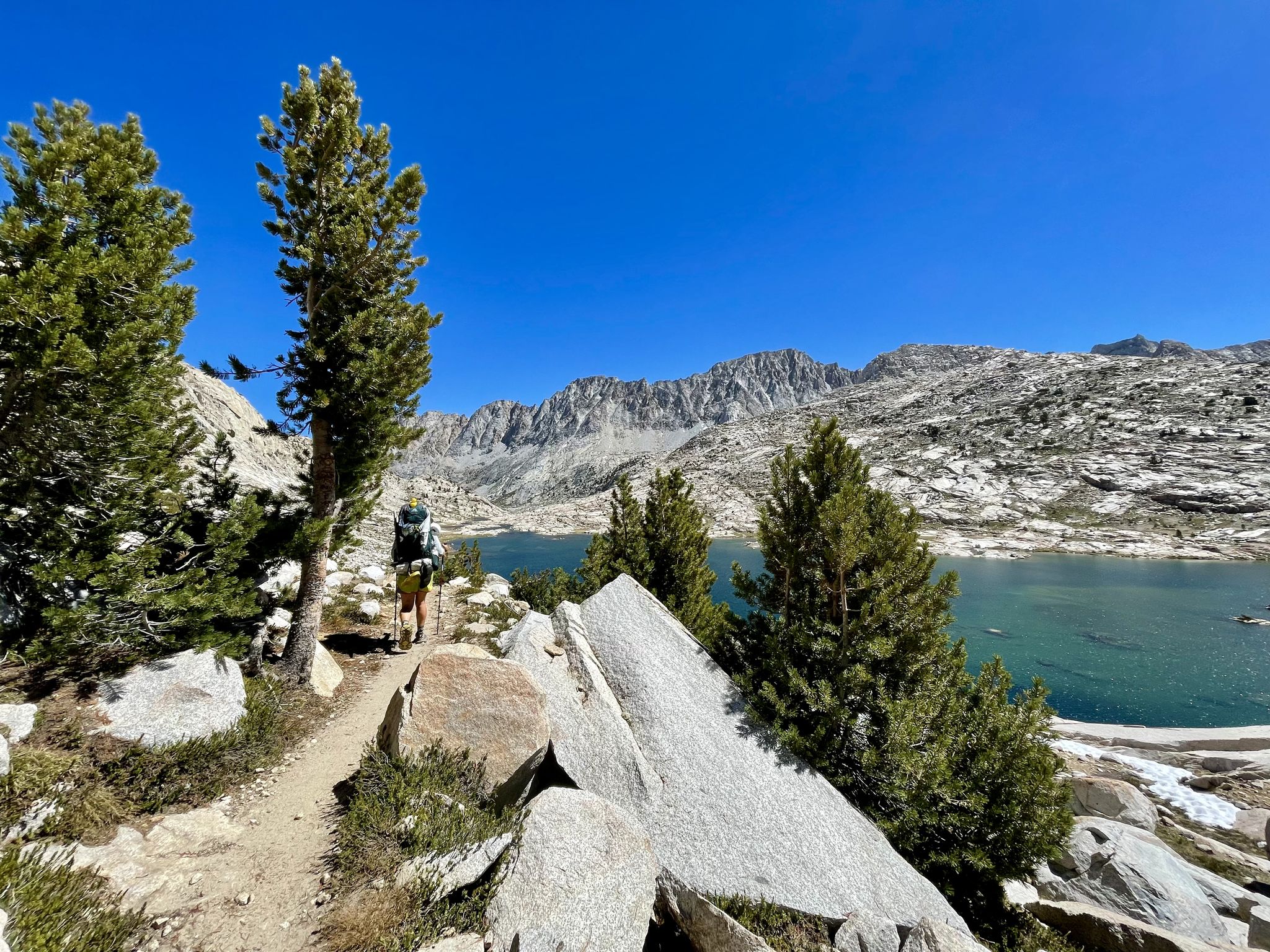
John Muir Trail – Along the legendary trail through the magical Sierra Nevada
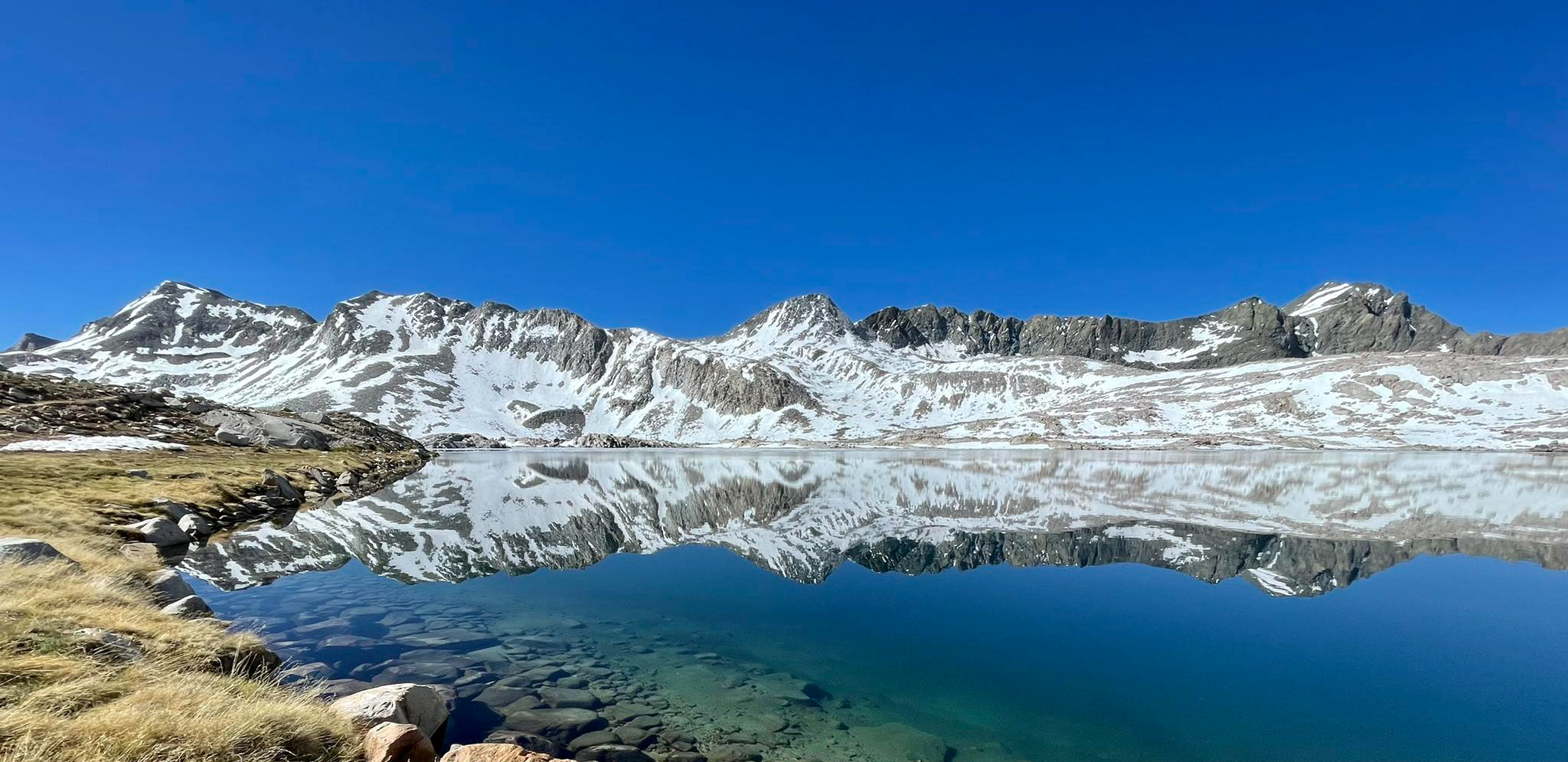
The Sierra High Route — Solitude in California's alpine country

Pacific Crest Trail from Mexico to Canada – 4,200 kilometres of wilderness
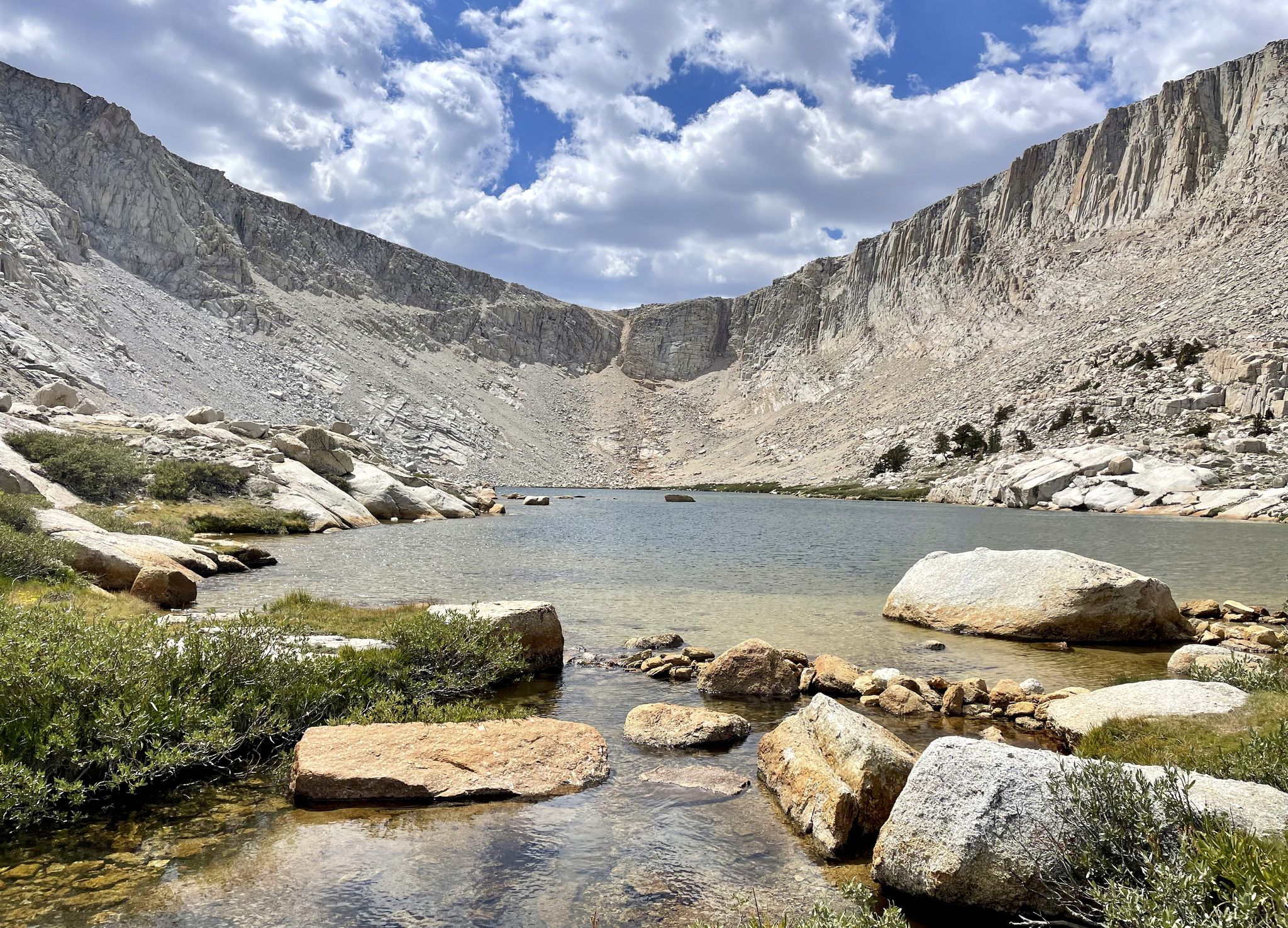
Cottonwood Lakes Loop — Exploring the Golden Trout Wilderness
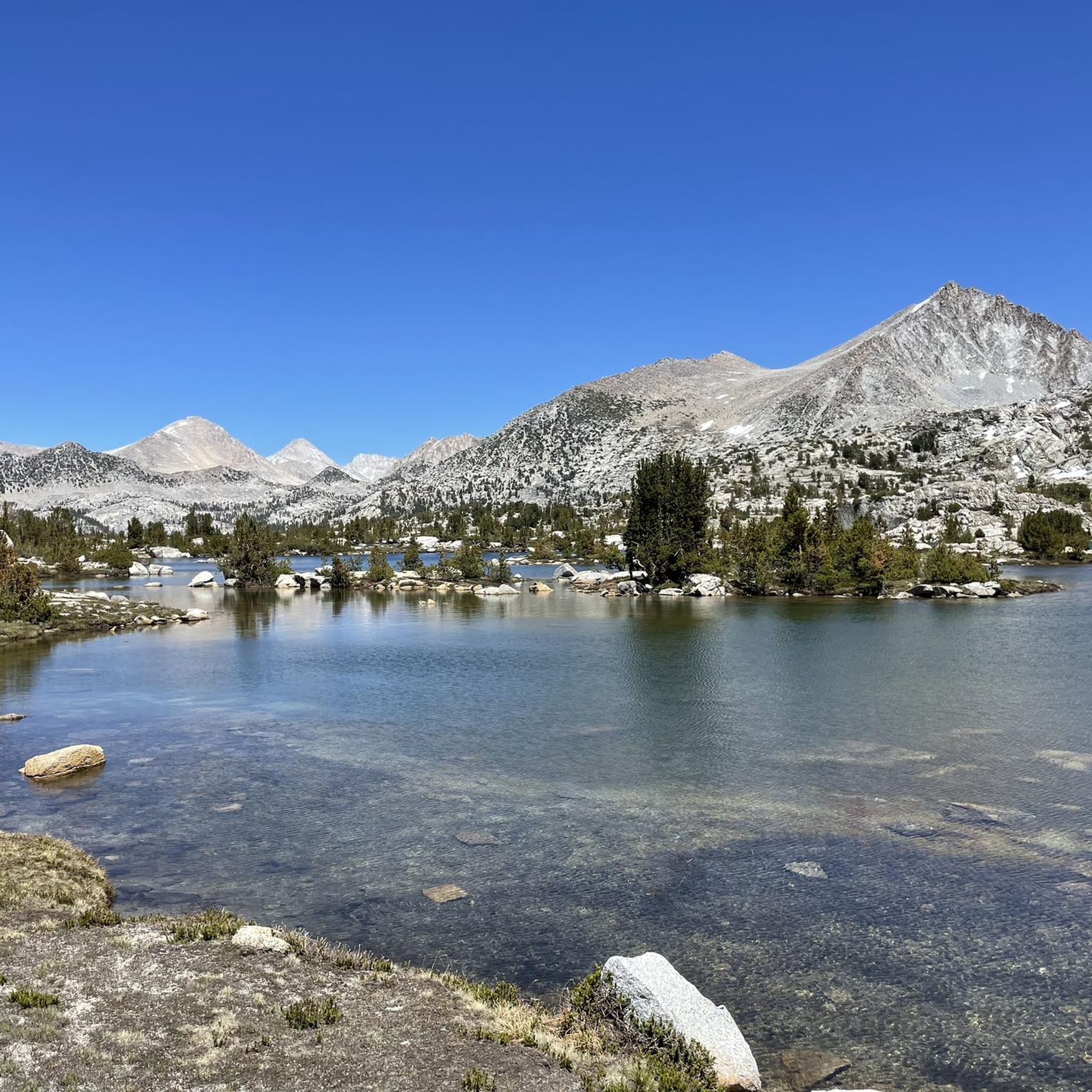
Hiking in John Muir Wilderness
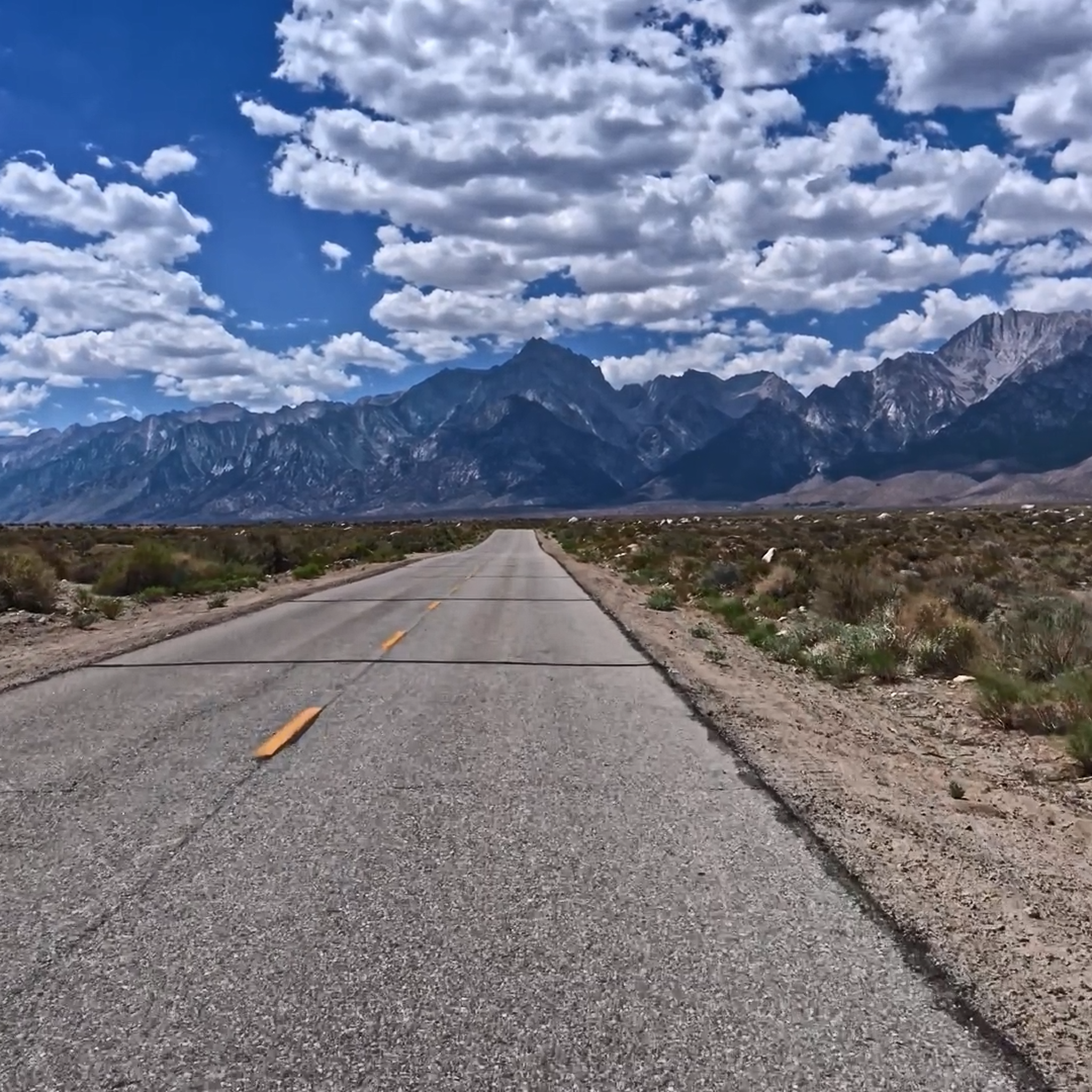
Road Cycling Routes in John Muir Wilderness
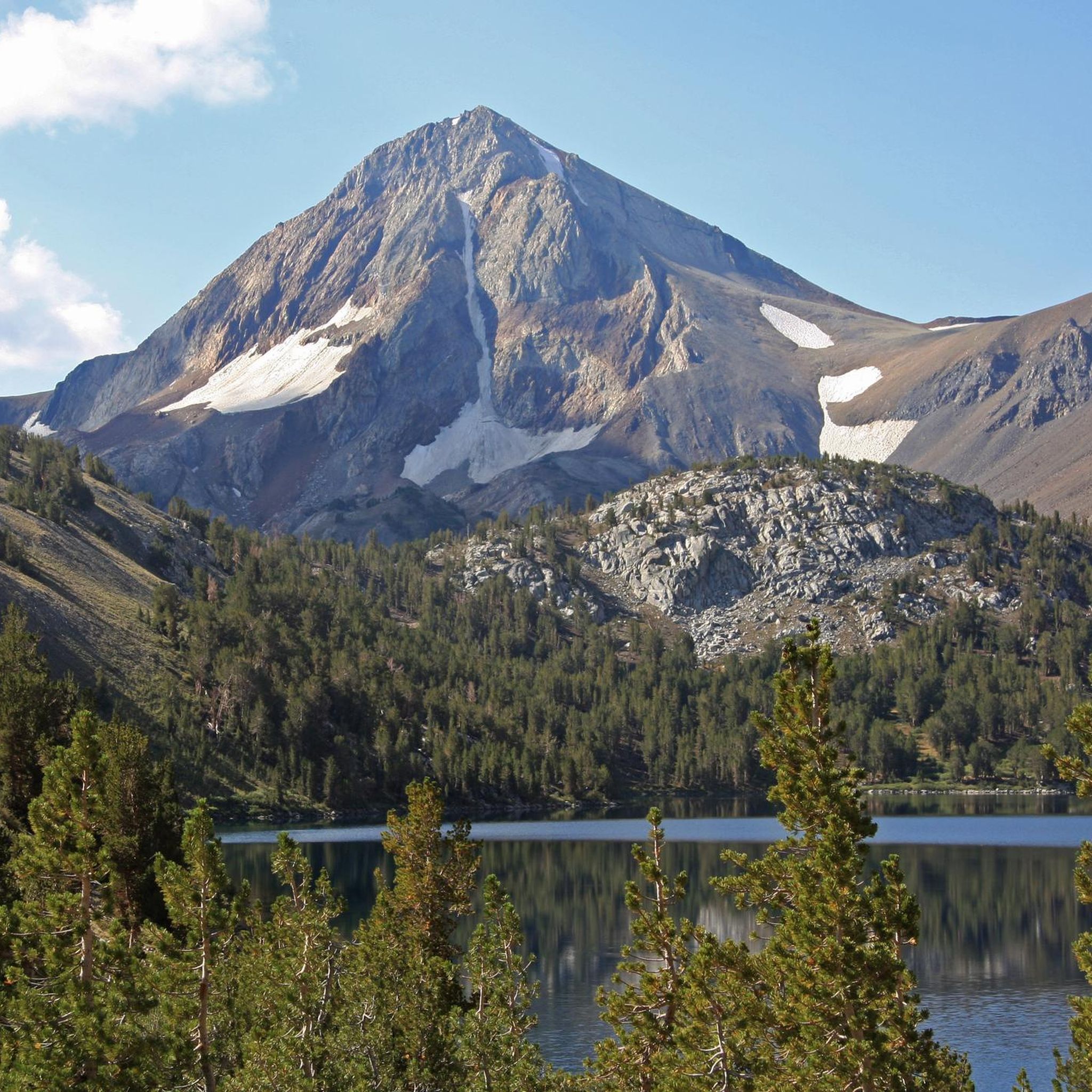
Running Trails in John Muir Wilderness
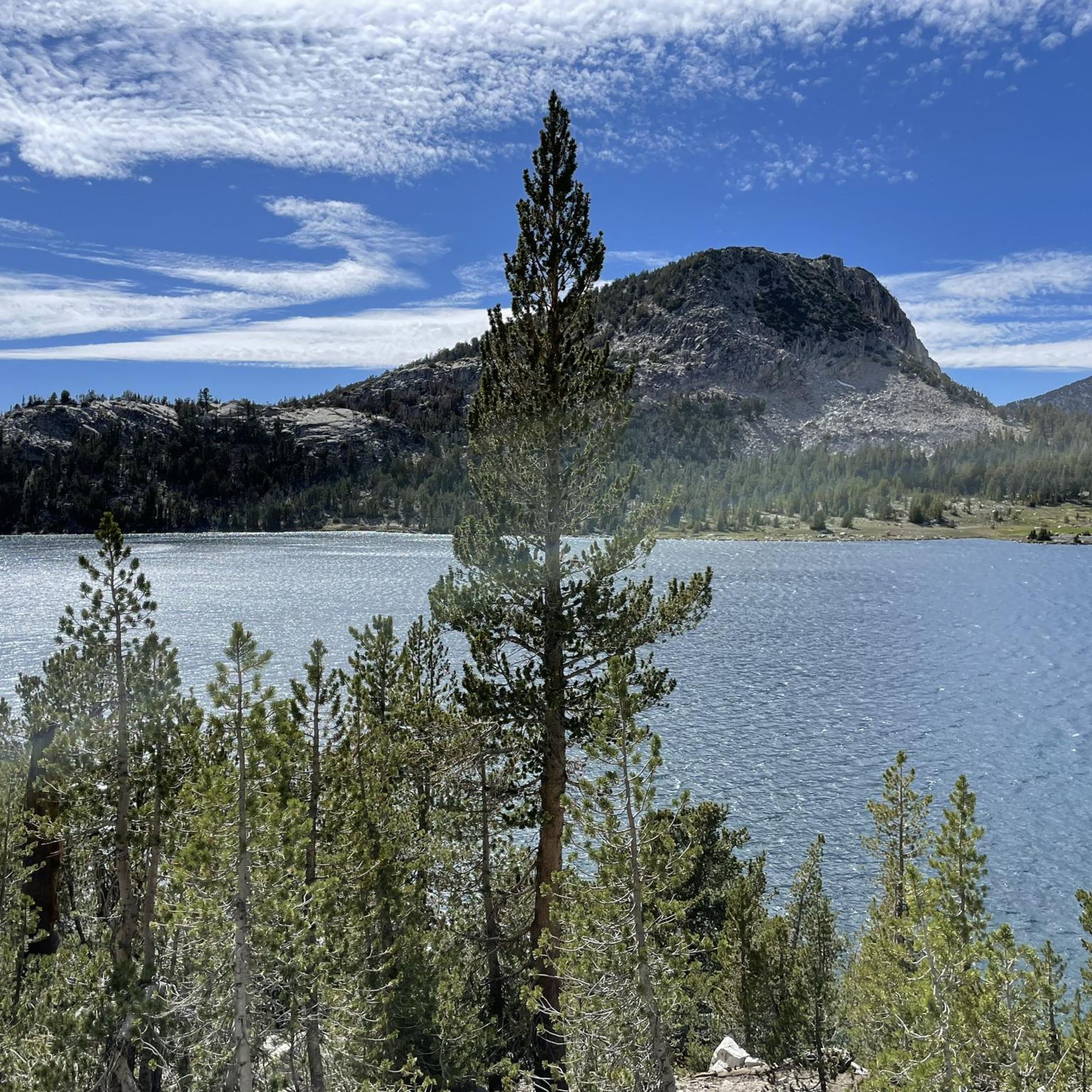
MTB Trails in John Muir Wilderness
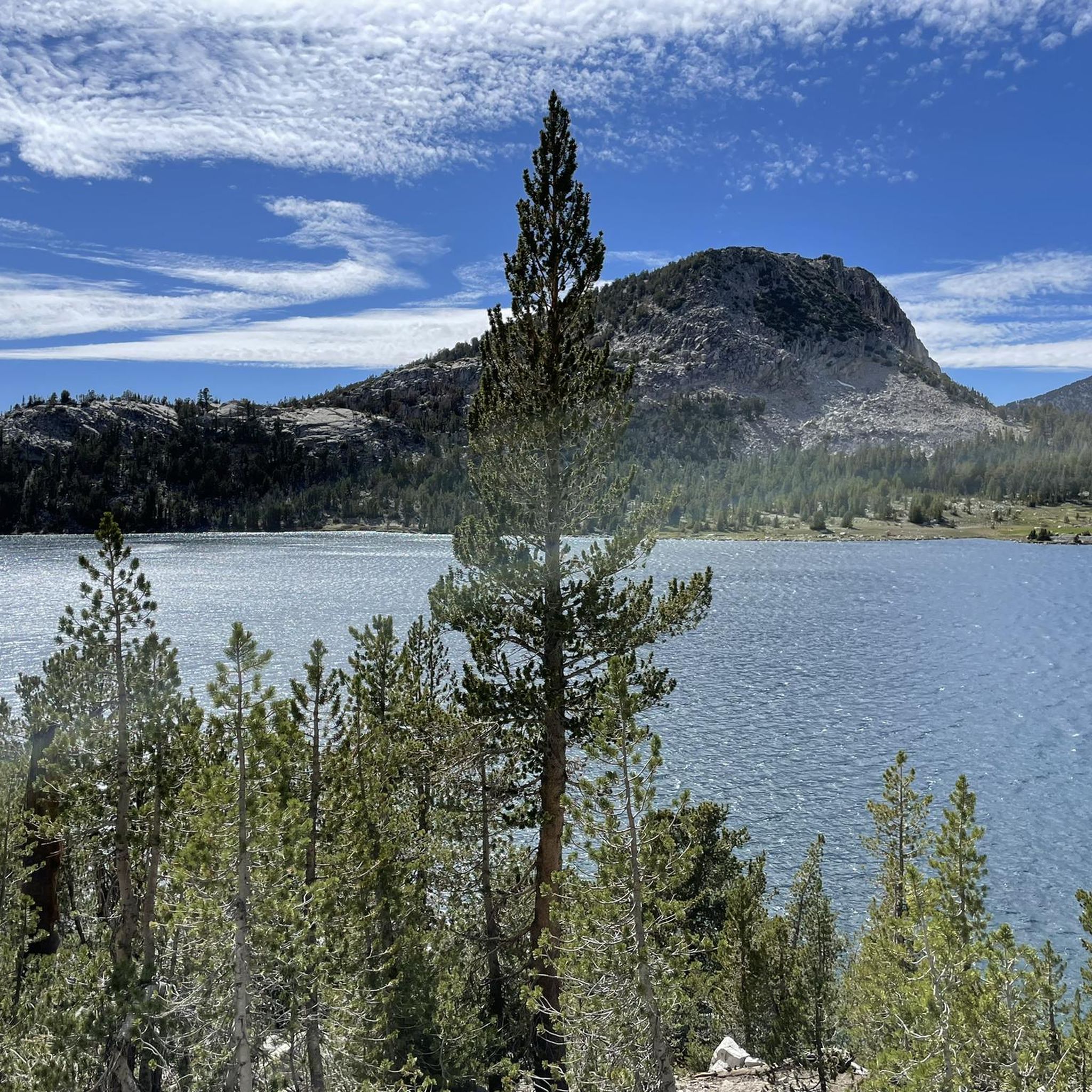
Cycling in John Muir Wilderness

Gravel biking in John Muir Wilderness
Other adventures in John Muir Wilderness


Tips from the Community

The pictures taken from this small rocky outcrop above Second Lake, marked here by a tentsite symbol, are ICONIC. If the pictures above look familiar, that’s because… well.. they are! Temple Crag from across Second Lake is one of the most frequently photographed “scenes” of the Eastern Sierras. Just a quick search on the internet of “Big Pine Lakes” will pull up countless pictures almost identical to each other of this exact lake/peak combo. (Seriously, try it 😂) And honestly, it’s easy to understand why! The setting is otherwordly!
1
0
FIRST Lake is, ironically, the LAST place for this water to rest before heading down through Big Pine Valley as the North Fork Big Pine Creek and entering, as a tributary, the Owens River 6,000ft below! To the east you are offered a lovely view to Mount Alice, while to the south Temple Crag commands your attention! The water in First Lake, as well as the ither Big Pine Lakes, often can be seen with a beautiful teal hue, caused by the refraction of sunlight on particles of glacial silt in the water!
0
0

A few miles after Whitney Portal you will find this scenic mountain lake, forming a nice pool all surrounded by rocks. The hike to the lake has some elevation gain, but it’s only a moderate slope it does not require permission to visit, and it’s also allowed to camp overnight. This is a popular trail that also leads to Mount Whitney and other peaks in the area, so you might see more people during weekends, mostly during summer. Lone Pine Lake can also be accessed during winter months, and you might find a beautiful frozen lake.
0
0

Every alpine lake has its own qualities that make it stand out, but Second Lake has often been called the most beautiful of the numbered lakes in this part of the John Muir Wilderness. This could be because it's the biggest or because it's the easiest to explore in depth since there is a spur trail that travels between this lake and First Lake.
0
0
First Lake is one of many reservoirs in this section of the John Muir Wilderness and Inyo National Forest. This is a gorgeous lake that you'll view from above from the North Fork Big Pine Creek Trail with Mount Alice towering in the background.
0
0
Every alpine lake has its own qualities that make it stand out, but Second Lake has often been called the most beautiful of the numbered lakes in this part of the John Muir Wilderness. This could be because it's the biggest or because it's the easiest to explore in depth since there is a spur trail that travels between this lake and First Lake.
0
1
First Lake is one of many reservoirs in this section of the John Muir Wilderness and Inyo National Forest. This is a gorgeous lake that you'll view from above from the North Fork Big Pine Creek Trail with Mount Alice towering in the background.
0
0

Lone Pine Lake is a beautiful alpine lake. The path up to the lake is an incline, but it is mostly well graded. The effort to get to the lake is well worth the beautiful and peaceful surroundings.
0
0
Frequently Asked Questions
What are some of the most scenic lakes in John Muir Wilderness?
The John Muir Wilderness is home to many stunning lakes. Among the most scenic are the Big Pine Lakes, particularly Second Lake and Temple Crag, known for their vibrant turquoise waters and dramatic mountain backdrops. Evolution Lake offers breathtaking views along the John Muir Trail, while Rae Lakes are celebrated for their picturesque basin. Lone Pine Lake is also a beautiful alpine lake, offering peaceful surroundings after a well-graded incline.
Are there good opportunities for backcountry camping near the lakes?
Yes, the John Muir Wilderness offers excellent backcountry camping opportunities. Skelton Lake is highlighted as perfect for secluded backcountry camping and fishing. Remember that for backcountry camping, you must obtain a wilderness permit from the Inyo National Forest. You can find more information and apply for permits at recreation.gov.
What kind of natural features can I expect to see around the lakes?
The lakes in John Muir Wilderness are set amidst a spectacular natural landscape. You'll encounter pristine alpine and subalpine lakes, often with vibrant teal hues caused by glacial silt. Expect dramatic granite peaks, glacial canyons, and dense forests. Many lakes, like Thousand Island Lake, feature unique characteristics such as numerous small islands, offering unforgettable vistas.
What outdoor activities can I do near these lakes?
The John Muir Wilderness is a premier destination for outdoor enthusiasts. Popular activities include hiking, backpacking, fishing, and photography. Many lakes, such as Rae Lakes, offer opportunities for refreshing dips. You can explore various trails, including the Duck Pass Trail or the North Fork Big Pine Creek Trail, which lead to several stunning lakes.
Are there any lakes particularly known for fishing?
Yes, several lakes in the John Muir Wilderness are popular fishing spots. Skelton Lake is excellent for fishing, and its clear waters often allow you to see fish. Lake Virginia is also known for its exceptionally clear waters where fish are visible, making it a popular spot. Duck Lake and Dorothy Lakes are also noted for their abundant rainbow trout.
What is the best time of year to visit the lakes in John Muir Wilderness?
The best time to visit the lakes in John Muir Wilderness is typically during the summer and early fall months, from July through September. During this period, trails are generally clear of snow, and the weather is most favorable for hiking, camping, and enjoying the alpine environment. Some lakes, like Wanda Lake, can be snow-encircled even in summer due to their high elevation.
Are there any family-friendly hikes to the lakes?
While many trails in the John Muir Wilderness can be challenging, some are more accessible. The path to Lone Pine Lake, for example, is an incline but mostly well-graded, making the effort rewarding for families. The Little Lakes Valley Trail is also a moderate option that can be suitable for families looking for a less strenuous experience.
Which lakes are good for photographers?
Photographers will find endless inspiration among the lakes of John Muir Wilderness. Second Lake and Temple Crag are iconic and frequently photographed, offering otherworldly views. Thousand Island Lake is also a celebrated destination for photographers due to its unique islands and views of Mount Banner. The vibrant turquoise waters of the Big Pine Lakes provide stunning color contrasts against the granite peaks.
What do visitors enjoy most about the lakes in John Muir Wilderness?
Visitors consistently praise the unparalleled natural beauty and serene atmosphere of the lakes. The vibrant water colors, dramatic mountain backdrops, and the sense of untouched wilderness are frequently mentioned. Many appreciate the rewarding feeling after a challenging hike, leading to peaceful surroundings perfect for reflection, camping, or a refreshing swim. The opportunity for secluded backcountry experiences is also a major draw.
Are there any lakes that are less crowded but still beautiful?
While popular lakes can draw crowds, the John Muir Wilderness has over 900 lakes, offering many opportunities for solitude. Skelton Lake is noted for its secluded backcountry camping opportunities, suggesting a quieter experience. Charlotte Lake, though requiring a slight detour from the main John Muir Trail, is considered well worth the visit for its undeniable beauty and serene atmosphere, often providing a more tranquil setting.
What is the difficulty level of trails leading to these lakes?
The difficulty of trails to the lakes varies. Many trails, especially those leading to alpine lakes, involve significant elevation gain and can be challenging, such as the routes to Lamarck Lakes. However, some paths, like the one to Lone Pine Lake, are described as inclines but mostly well-graded. Always check specific trail descriptions for difficulty ratings before heading out.
Most popular routes in John Muir Wilderness
Most popular attractions in John Muir Wilderness

Get inspired with the komoot mobile app


Explore more
Still not found your perfect lake in John Muir Wilderness? Check out the guides of these regions to see even more beautiful places.
