Attractions and Places To See around Pölla - Top 20
Best attractions and places to see around Pölla include a blend of historical sites, cultural landmarks, and natural landscapes. This municipality, located in the picturesque Waldviertel region of Lower Austria, offers visitors opportunities to explore ancient ruins and delve into local history. The area is characterized by the serene Kamp Valley and its surrounding natural beauty.
Best attractions and places to see around Pölla
- The most popular attractions is Rosenburg Castle, a castle that is one of the most…
Last updated: August 17, 2026
Rosenburg Castle
Highlight • Castle
Translated by Google •
Tip by

Ottenstein reservoir
Highlight • Lake
Translated by Google •
Tip by

Sign up now to discover places like this
Get recommendations on the best single tracks, peaks, & plenty of other exciting outdoor places.
Sign up for free
Plague Column at the main square in Zwettl
Highlight • Monument
Translated by Google •
Tip by

Ottenstein Dam
Highlight • Monument
Translated by Google •
Tip by

Ottenstein Lake Restaurant & Boat Rental
Highlight • Restaurant
Translated by Google •
Tip by
Sign up for free to discover even more attractions around Pölla.
Sign up for free
Already have an account?
Start today with a free account
Your next adventure awaits.
Login or Signup
Tips from the Community

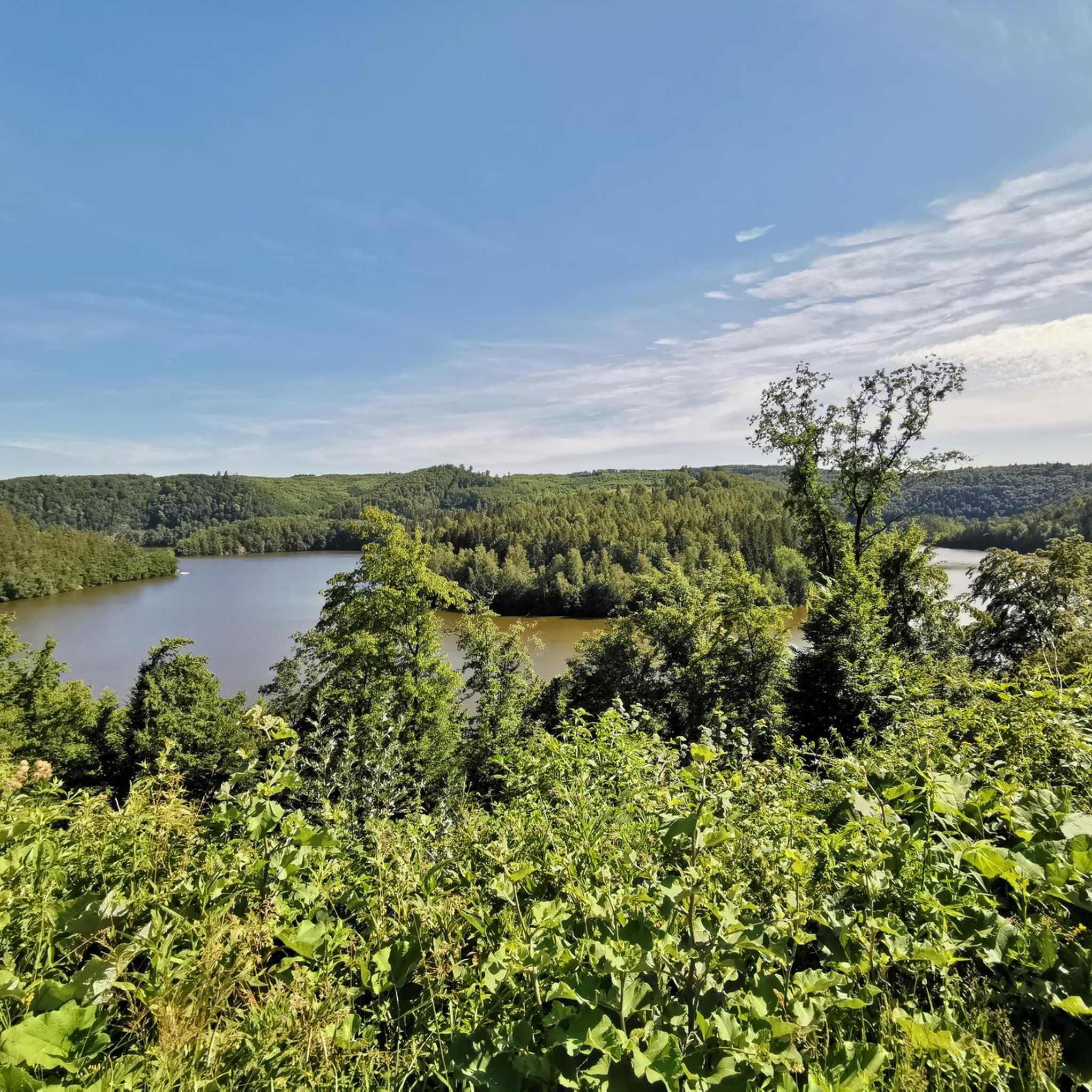
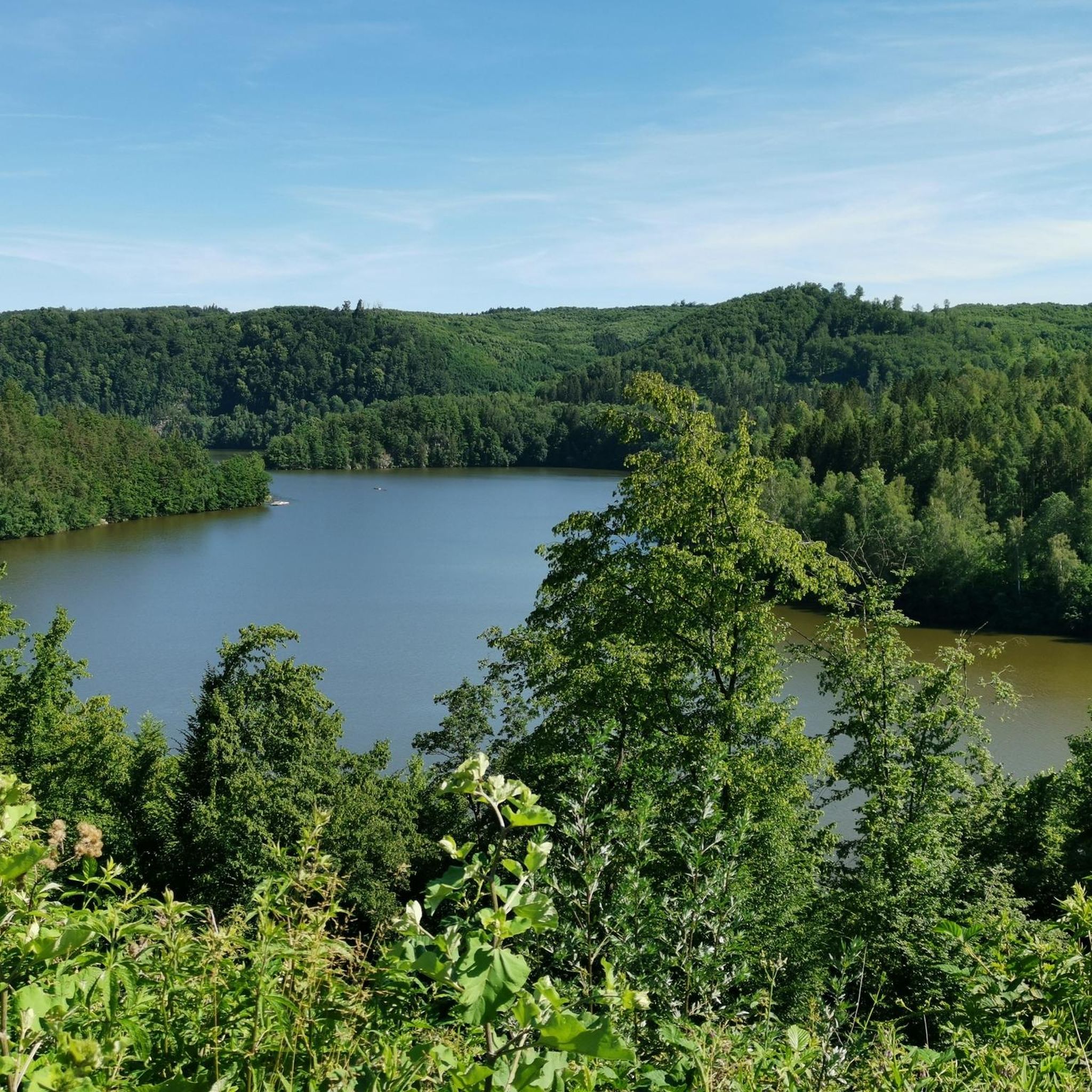
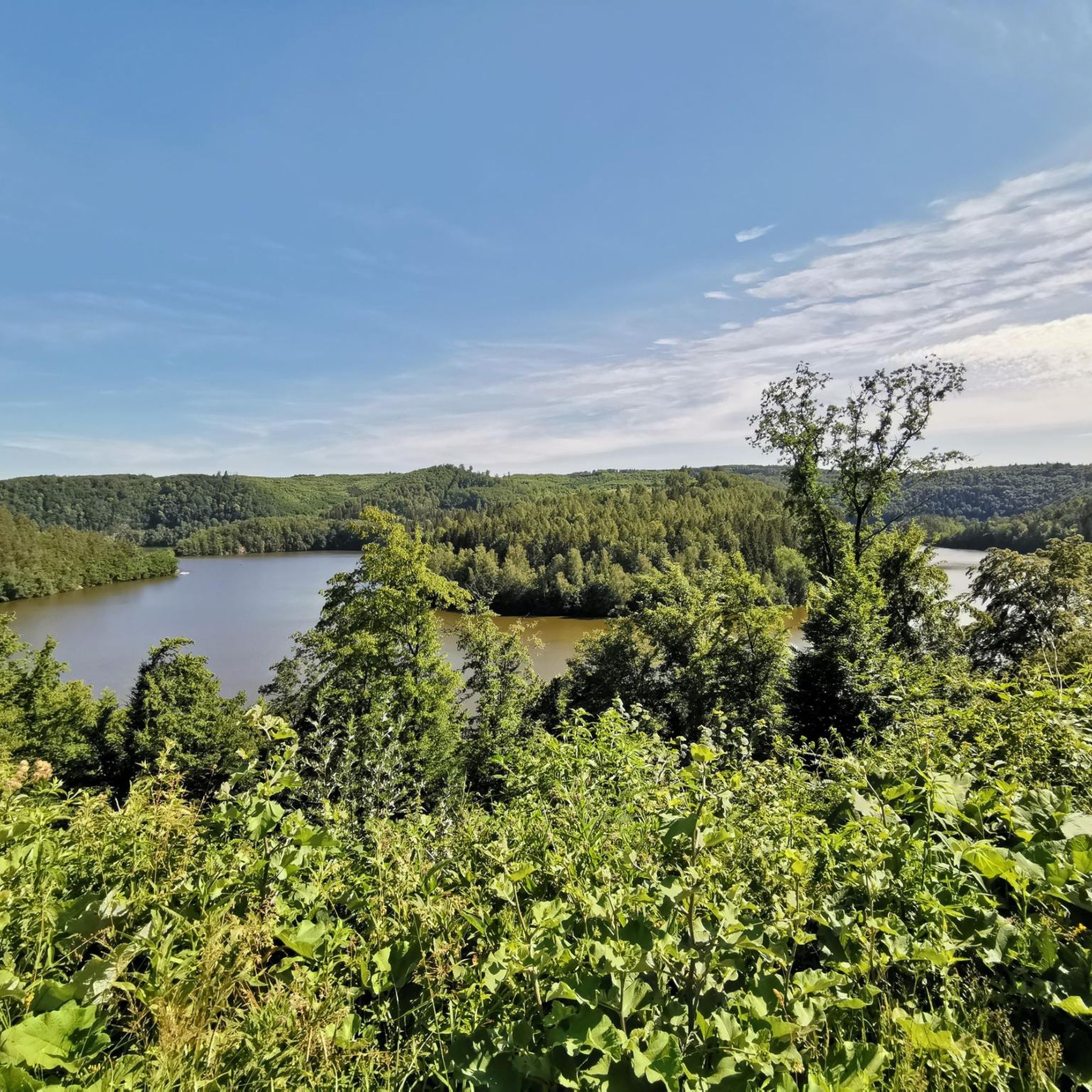
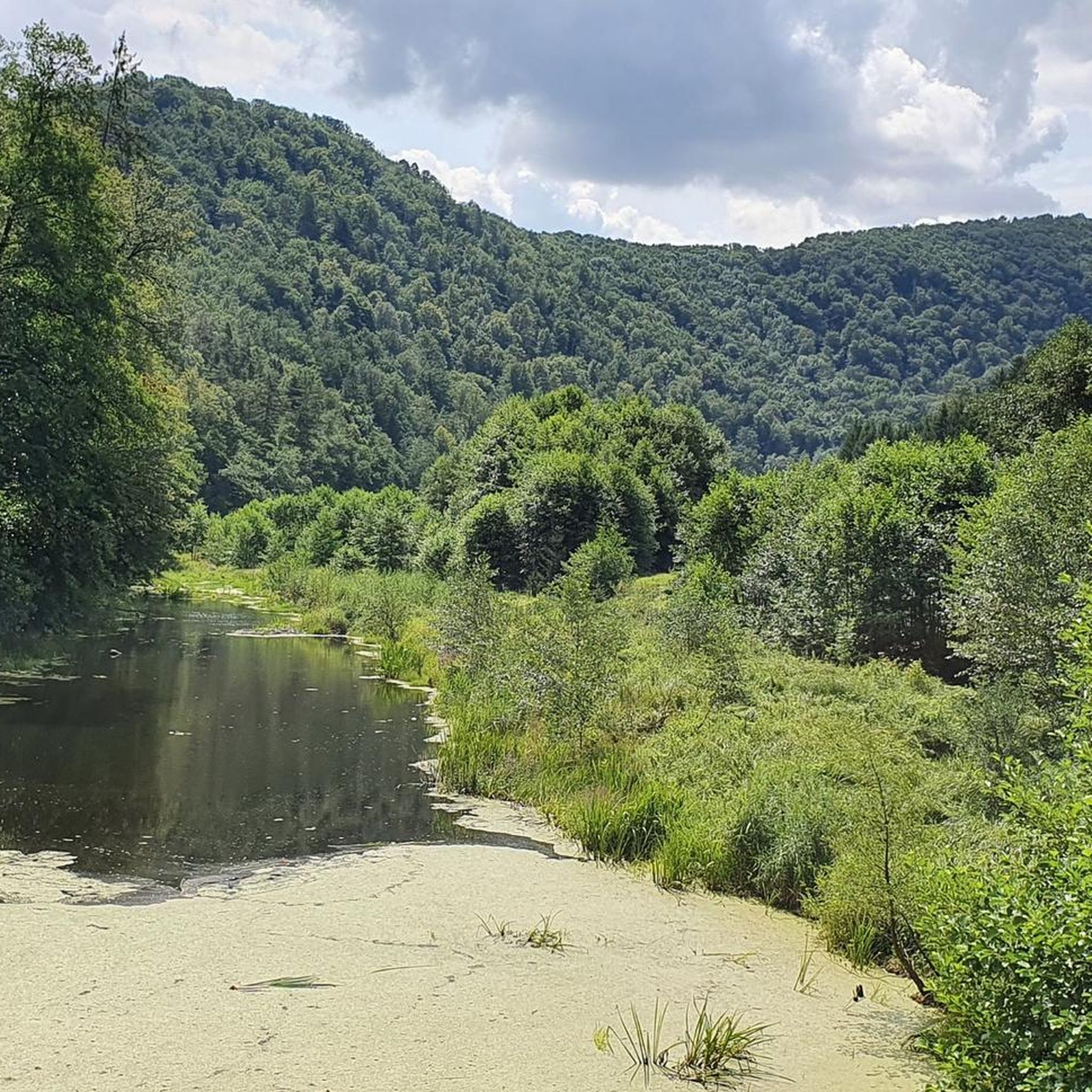
The Ottenstein reservoir, is the largest of the Kamp lakes and is among the richest waters in fish in Austria and at the same time among the best predatory fish waters in Europe. Its water surface is 4.3 km² and extends with its fjord-like, branched side arms, with a length of more than 14 km, up to Zwettl. The deepest point is 69 m.
1
0

Originally, after the town's founding, Trinity Square was part of Zwettl's main square, which at that time stretched as an extensive triangular plaza from the townhouses behind the Hundertwasser Fountain to the level of the Hausleitner house above the "Zur Goldenen Rose" inn. The construction of houses along the lower Landstraße, the so-called "Grätzl," significantly narrowed the main square, and the addition of the cross street eventually divided it into two squares.
0
0
During the Baroque period, people everywhere were eager to express their gratitude for overcoming the plague years and the Turkish Wars by erecting plague or Trinity columns. In 1727, the pillory in the upper square was replaced by the richly sculpted sandstone column created by Kaspar Högl of Eggenburg. During the last renovation in 1998, extensive environmental damage to the figures was repaired, and the entire column was painted a light yellow. The four life-size statues are, in the center at the front, the Immaculate Conception; to her left, St. Sebastian (pierced by five arrows); to her right, St. Roch (pointing to the plague boil on his thigh); and St. Florian (holding a flag in one hand and a bucket of water in the other). The iron fountain in the immediate vicinity of the Trinity Column is a gift from the then-mayor, Eugen Beck, of the twin town of Plochingen near Stuttgart.
0
0

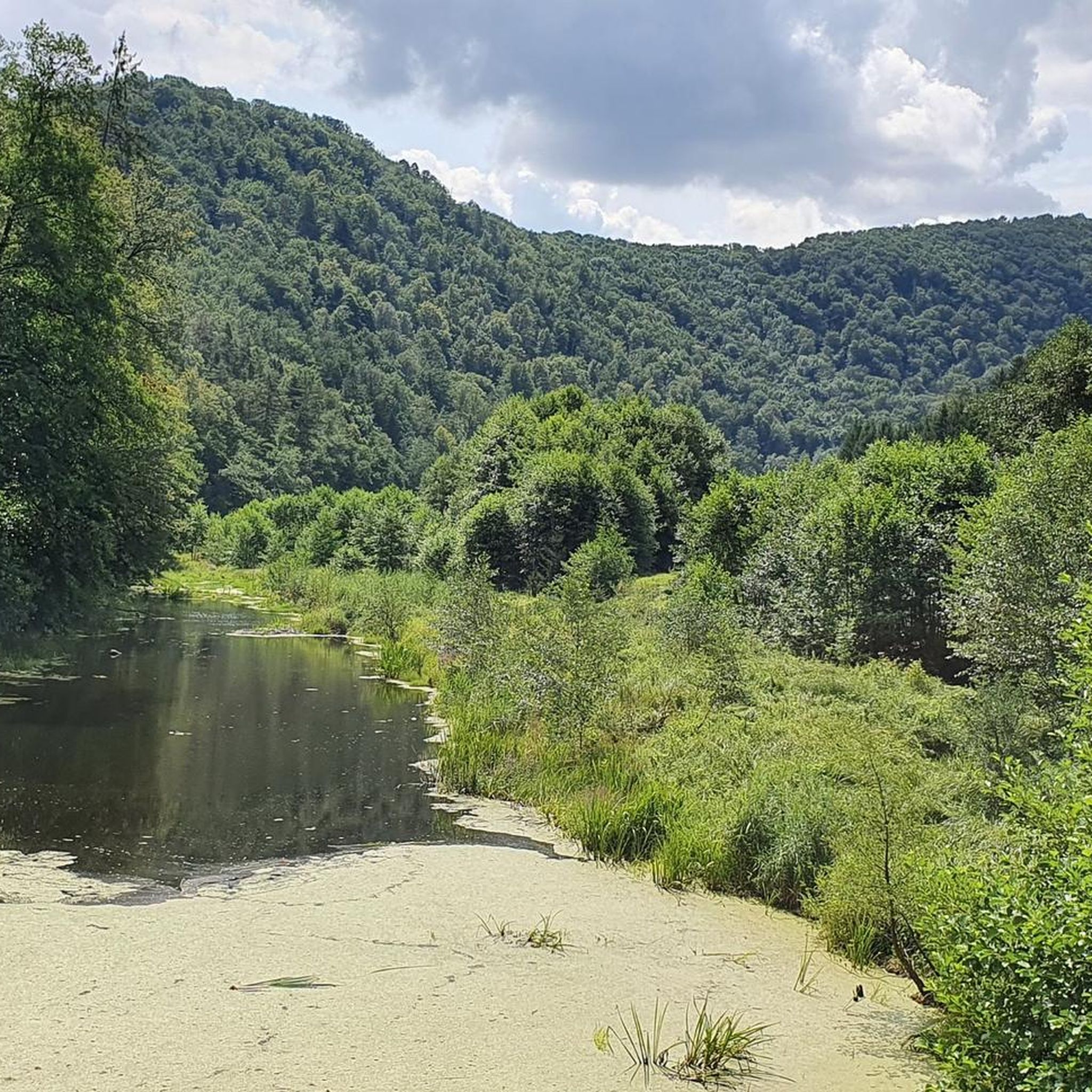
This lake is near Ottenstein and has caused a lot of misery in 2024
1
1

Zwettl has a beautiful town centre and the main square is super beautiful. Unfortunately, the many cars and noisy traffic spoil the beautiful picture...
0
0
We read somewhere that this dam would no longer be approved today. Nevertheless, the lake fits well into the landscape. It has a strange, branched shape!
1
0
It looks very impressive - and the festival there is said to be fantastic. Yesterday (7/7/24), for example, Gershwin's "Rapsody in Blue" was performed.
0
0

A casual industrial monument in the Waldviertel.
0
0
Frequently Asked Questions
What historical sites can I explore around Pölla?
Pölla and its surroundings are rich in history. You can visit the impressive Ruins of Dobra, dramatically situated on a peninsula in Kampsee Dobra, offering scenic views from its observation tower. Another significant site is the Ruins of Schauenstein, perched on Buchberg, which features a preserved 13th-century keep with panoramic vistas. Additionally, the Friedenskirche Döllersheim serves as an art-historically significant memorial.
Are there any castles to visit near Pölla?
Yes, the magnificent Rosenburg Castle is a top excursion destination. This Renaissance castle, high above the Kamp Valley, is renowned for its architecture, beautiful gardens, and a fully operational Renaissance falconry, recognized as a UNESCO World Heritage site. It offers guided tours and bird of prey demonstrations.
What natural attractions are there in the Pölla region?
The region boasts several natural highlights. The Ottenstein reservoir is known for its fjord-like, branching arms and is surrounded by wooded shores ideal for hiking and walking. You can also explore the fascinating Frauenluckn Cave near Schmerbach am Kamp, a significant Paleolithic site hidden in a rocky slope. The entire Kamp Valley offers scenic landscapes for outdoor activities.
What cultural experiences can I find in Pölla?
In Neupölla, you can visit the First Austrian Museum of Everyday History (Erstes österreichisches Museum für Alltagsgeschichte). This museum provides a comprehensive overview of rural life and social changes in the Waldviertel from the 17th to the 20th century, showcasing historical living spaces, a smoke kitchen, and agricultural tools.
Are there family-friendly attractions around Pölla?
Absolutely. The Ottenstein reservoir is a popular family-friendly recreational area for walking and exploring. The Ottenstein Dam also offers a path to walk or cycle across, and guided tours are available. The Ottenstein Lake Restaurant & Boat Rental provides a great spot for families to enjoy a meal, rent a boat, or swim in the reservoir.
What outdoor activities are available near Pölla's attractions?
The Pölla region is excellent for outdoor enthusiasts. You can find numerous hiking and cycling paths. For specific routes, consider exploring the hiking trails around Pölla, the cycling routes around Pölla, or the MTB trails around Pölla. The Kampsee Dobra also offers opportunities for bathing, diving, and fishing.
Where can I find scenic viewpoints around Pölla?
For breathtaking views, the 30-meter-high keep of the Ruins of Schauenstein offers magnificent panoramas of the Kamptal. The observation tower at the Ruins of Dobra provides wonderful vistas over the Kampsee Dobra. Additionally, the Rosenburg Castle, perched high above the Kamp Valley, offers stunning scenic outlooks.
Are there any accessible historical monuments in the area?
Yes, the Plague Column at the main square in Zwettl is a historical monument located in a beautiful town center that is wheelchair accessible, allowing visitors to appreciate its historical significance.
What do visitors enjoy most about the attractions around Pölla?
Visitors frequently praise the stunning locations of historical sites like Rosenburg Castle and the beautiful paths around the Ottenstein reservoir. The opportunity to walk or cycle over the Ottenstein Dam and take guided tours is also highly appreciated. The overall blend of history, nature, and recreational activities makes the area very appealing.
Can I find places to eat or relax near the attractions?
Yes, the Ottenstein Lake Restaurant & Boat Rental is a great option, offering a beautiful location with views of the lake, perfect for breakfast or a leisurely meal. Keys for accessing the observation tower at the Ruins of Dobra are available at nearby establishments like Campingplatz Dobra "Haus am See" and Gasthaus Trapel in Schmerbach, which also provide dining options.
What kind of hiking trails are available around Pölla?
Pölla offers a variety of hiking trails, ranging from easy to moderate difficulty. For example, a romantic 1.5 km hiking trail leads to the Ruins of Schauenstein. You can find more detailed information and routes, including trails like the 'Former Binnenthal Mill Ruins – Schauenstein Ruins loop', on the hiking guide for Pölla.
Most popular routes around Pölla
Most popular attractions around Pölla

Get inspired with the komoot mobile app


Explore more
Still not found the Highlight you’re looking for? See guides of the top attractions in other regions:
