Attractions and Places To See around Sevnica - Top 6
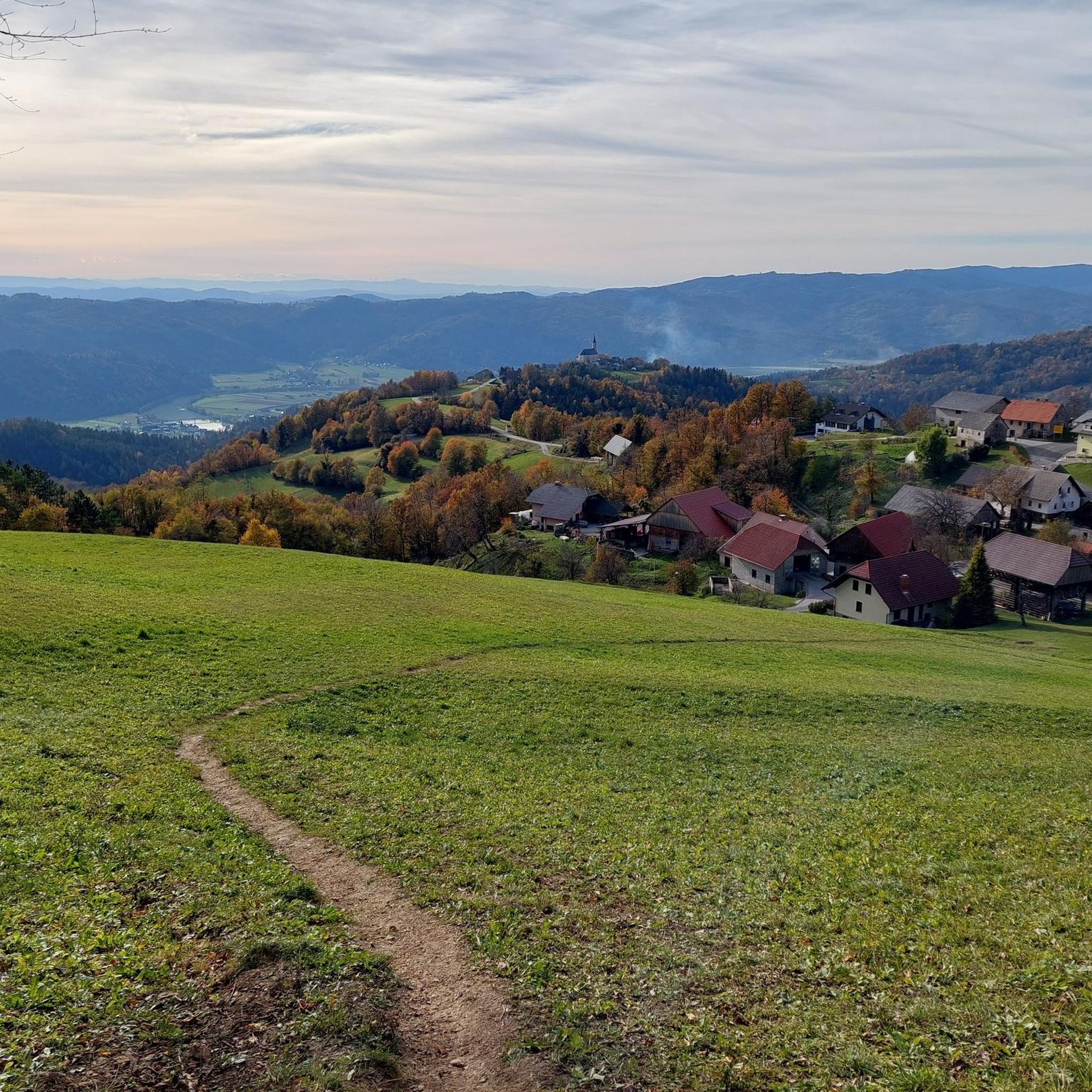
Best attractions and places to see around Sevnica include historical landmarks, natural features, and cultural experiences. Situated along the Sava River in southeastern Slovenia, the region is characterized by rolling green hills, vineyards, and forests. Visitors can explore a diverse array of sites, from ancient archaeological parks to prominent mountain peaks. The area offers opportunities to engage with local heritage and enjoy the natural landscape.
Best attractions and places to see around Sevnica
- The most popular attractions is Lisca Summit (948 m), a summit that offers extensive views of the surrounding landscape. This prominent peak has a long history, including a Roman road and a 17th-century church near its summit.
- Another must-see spot is Tonček’s Lodge on Lisca (927 m), a mountain hut located just below the Lisca summit. It stands on a viewing platform and provides an extremely beautiful view of the region.
- Visitors also love Sevnica Castle, a 12th-century castle perched above the old town. This historical site functions as a cultural hub, featuring a puppet theatre, wine cellar, museum, and various exhibitions.
- Sevnica is known for its historical sites, natural beauty, and cultural experiences. The region offers a variety of attractions, from archaeological parks and castles to river activities and mountain trails.
- The attractions around Sevnica are appreciated by the komoot community, with more than 30 upvotes and 40 photos shared.
Last updated: October 4, 2026
Lisca Summit (948 m)
Highlight • Summit
Lisca ima dolgo zgodovino, na njenem območju pa je tudi veliko naravnih, kulturnih in drugih zanimivosti. Poznali so jo že Rimljani. Čez prelaz na z. strani vrha je peljala rimska cesta iz Celja v Posavje. Na Lisci je rimski vojaški oddelek Tavriskov (s sedanjega Salzburškega, Koroškega in Štajerskega) postavil spomenik svojemu poveljniku in rimskemu vojskovodju Marcusu Ulpiusu Rutilianusu, ki je umrl v Celju leta 237 n. š. Pod Lisco je sredi gozdov nad Lahovim grabnom postavil leta 1785 sevniški graščak Josip Wintershofer steklarno, ki so jo leta 1802 premestili v Jurklošter; tam, kjer je stala prvotna steklarna, je zdaj kmetija Glažuta. Ob poti z Razbora na Lisco stoji 20 min pod vrhom cerkev sv. Jošta iz konca 17. stoletja z obokano notranjostjo. Na Rudi, zaselku v bližini Razborja, so razvaline srednjeveškega gradu. Na slemenu proti Velikemu Kozju stoji cerkev sv. Lovrenca iz 17. stoletja; pravokotna ladja je sklenjena z osmerokotnim prezbiterijem, v katerem je glavni oltar iz leta 1695. Lisca je že ob koncu prejšnjega stoletja privabljala planince; leta 1899 jo je v Planinskem vestniku opisal Fran Orožen, takratni načelnik SPD. Posebno zaslužen za razvoj planinstva na Lisci pa je Blaž Jurko (1859-1944), nadučitelj na Razborju, ki je še pred ustanovitvijo Posavske podružnice SPD zgradil na Lisci prvo kočo.
Z vrha Lisce, na katerem stoji operativni center za obrambo pred točo, je izredno lep razgled. Od severa proti vzhodu vidimo Pohorje, Konjiško goro, Boč. Donačko goro, lvanščico. Od vzhoda proti jugu seže pogled do Medvednice, Gorjancev, Kočevskega Roga, Kleka in Snežnika. Od juga proti zahodu vidimo Javornike, Nanos, Trnovski gozd in Julijce s Triglavom. Od zahoda proti severu so v ozadju Karavanke ter Kamniške in Savinjske Alpe, v bližini vidimo Kum, Veliko Kozje, Mrzlico in Čemšeniško planino, bolj daleč pa Paški Kozjak, Peco, Uršljo goro in Golico. S ploščadi pred Tončkovim domom je lep pogled na dolino Save od Radeč proti Sevnici in na Dolenjsko gričevje na južni strani doline.
Tip by

Tonček’s Lodge on Lisca (927 m)
Highlight • Mountain Hut
View:
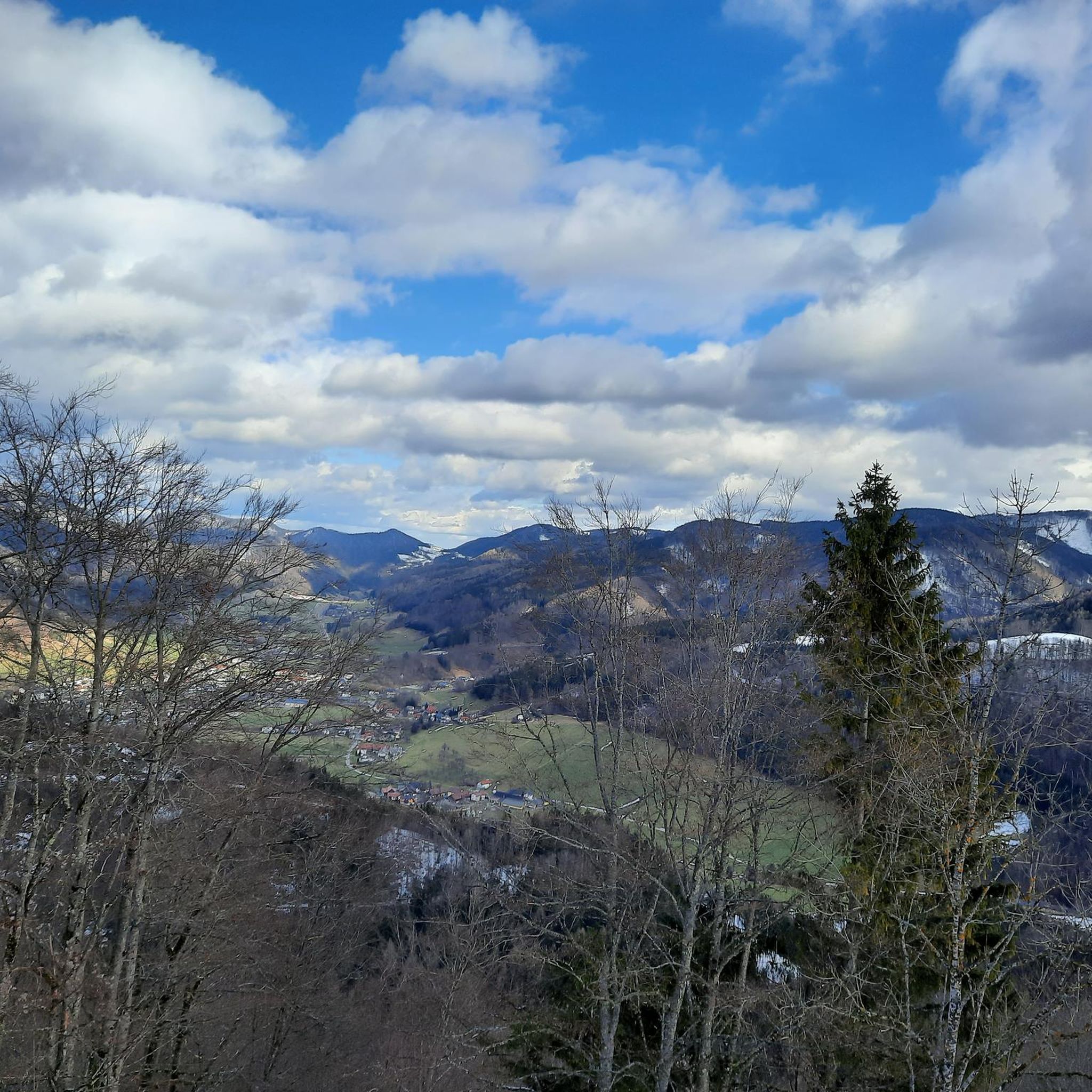
From the home, and especially behind the top of Lisca, there is an extremely beautiful view. From north to east we see Pohorje, Konjiška gora, Boč, Donačka gora, Macelj, Ivanščica; from east to south the view extends to Medvednica, Gorjanci, Kočevski Rog and Snežnik; from south to west we see Javorniki, Nanos, Trnovski gozd and Julijce with Triglav; from west to north are the Kamnik and Savinja Alps in the background, nearby we see Kum, Velika Kozje, Mrzlica and Čemšeniška planina, and further afield Paški Kozjak, Peca, Uršlja gora, Svinška planina and Golica in Austria. From the platform in front of the lodge there is a beautiful view of the Sava valley from Radeče towards Sevnica and the Dolenjska hills on the south side of the valley.
More interesting tours:
Veliko Kozje (993 m) - 3 h.
Translated by Google •
Tip by
Sign up now to discover places like this
Get recommendations on the best single tracks, peaks, & plenty of other exciting outdoor places.
Hydroelectric Power Plant on the Sava River
Highlight • Structure
Tip by

Sava River Cycle Path
Highlight • Cycleway
Translated by Google •
Tip by

Sevnica Castle
Highlight • Castle
Visit Sevnica Castle and let yourself be seduced by the castle secrets.
Great.
Translated by Google •
Tip by

Lisca Via Ferrata
Highlight (Segment) • Climb
One of the unique features of the Lisca ferrata is that every more demanding section can be bypassed via an easier path, allowing climbers to adjust the difficulty according to their abilities as they progress. Climbing is therefore not mandatory throughout the route. The entire ascent typically takes around 30 minutes for an average participant.
The most demanding part is the final section, which requires a bit more arm strength and involves longer reaches between holds.
Required safety equipment:
Climbing harness
Via ferrata lanyard (self-belay set)
Helmet
Gloves (recommended)
At the top, you will find a mountain hut where you can relax and enjoy some refreshments. For the descent, I recommend taking the Shepherd's Trail (Pastirčkova pot), which offers an easy walk back to the parking area.
Tip by

Climb to Okroglice
Highlight • Climb
Translated by Google •
Tip by
Start today with a free account
Your next adventure awaits.
Tips from the Community

The Via Ferrata on Mount Lisca is an exciting experience consisting of several sections. The Lisca Via Ferrata is considered an extremely challenging protected climbing route, officially graded D/E on its most difficult section. The route is divided into five climbing sections, with most sections rated B/C, while the final section reaches D/E difficulty. One of the unique features of the Lisca ferrata is that every more demanding section can be bypassed via an easier path, allowing climbers to adjust the difficulty according to their abilities as they progress. Climbing is therefore not mandatory throughout the route. The entire ascent typically takes around 30 minutes for an average participant. The most demanding part is the final section, which requires a bit more arm strength and involves longer reaches between holds. Required safety equipment: Climbing harness Via ferrata lanyard (self-belay set) Helmet Gloves (recommended) At the top, you will find a mountain hut where you can relax and enjoy some refreshments. For the descent, I recommend taking the Shepherd's Trail (Pastirčkova pot), which offers an easy walk back to the parking area.
0
0


A small but very nice road. At times very steep. It leads into a remote "mountain world"—more like hills, but beautiful. In Okroglice, there's a nice hotel with four rooms, great food, and a very friendly landlady (June 2025). You can find it at Booking.com or: https://maps.app.goo.gl/7Qnsvhfqfs7sx8Jw6
0
0
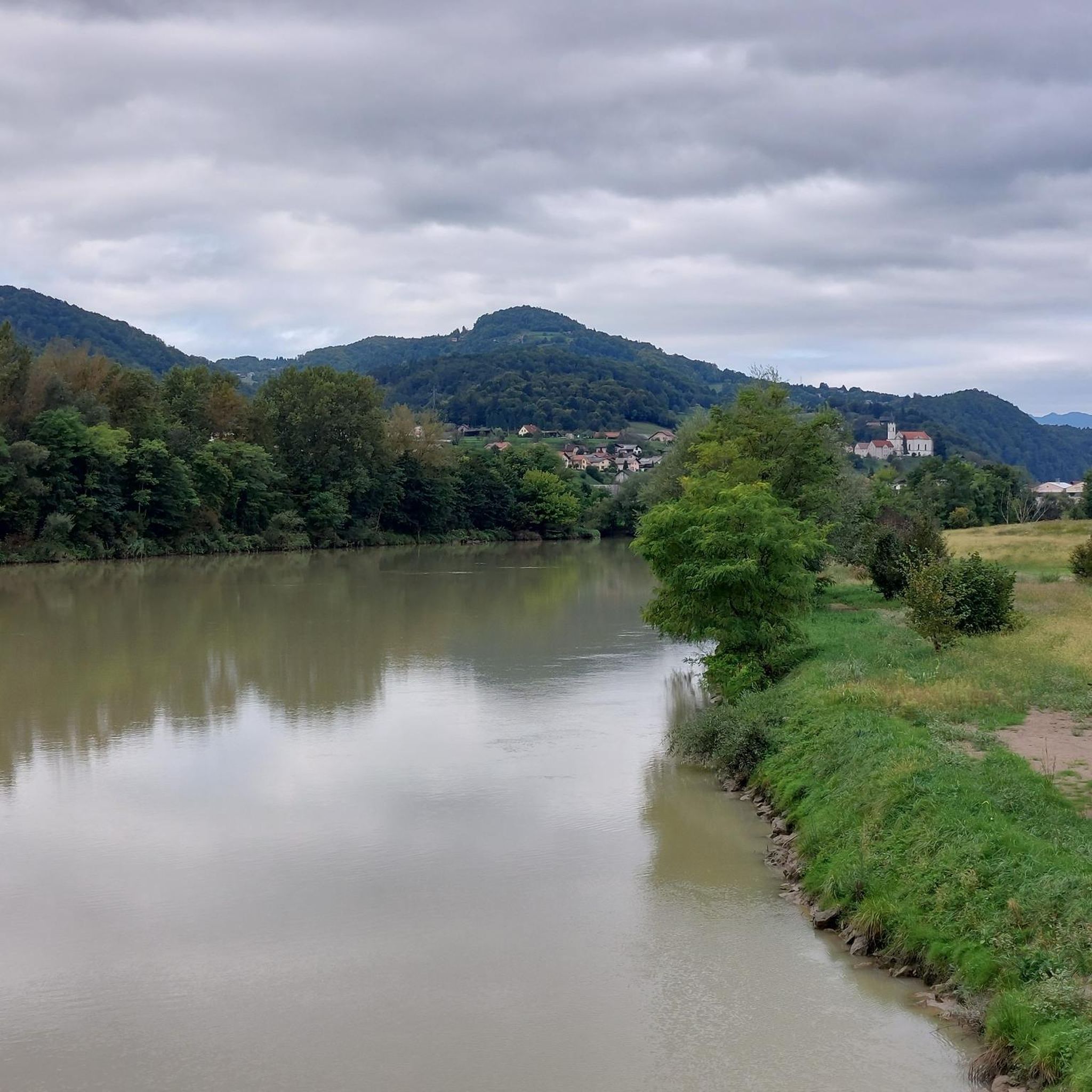
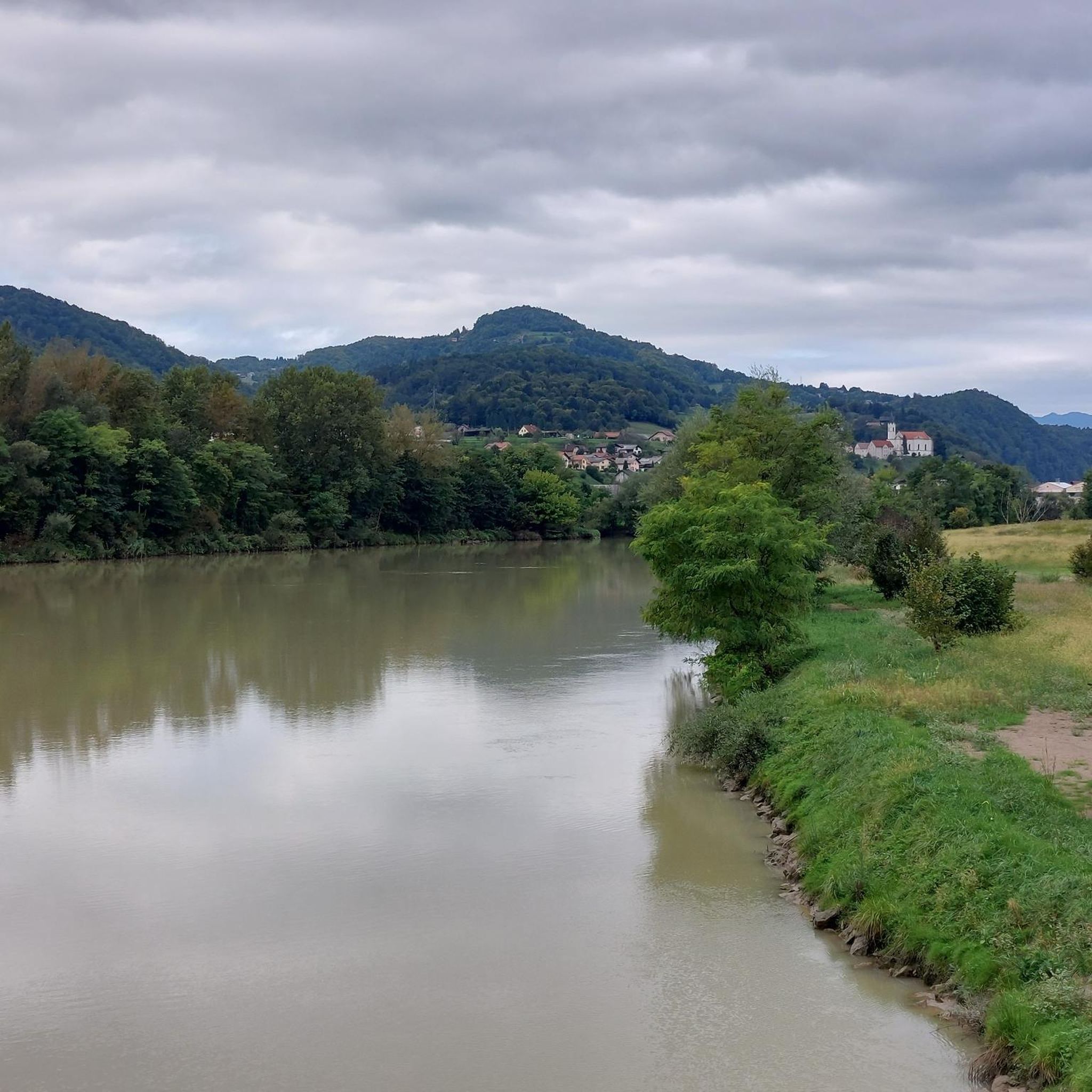
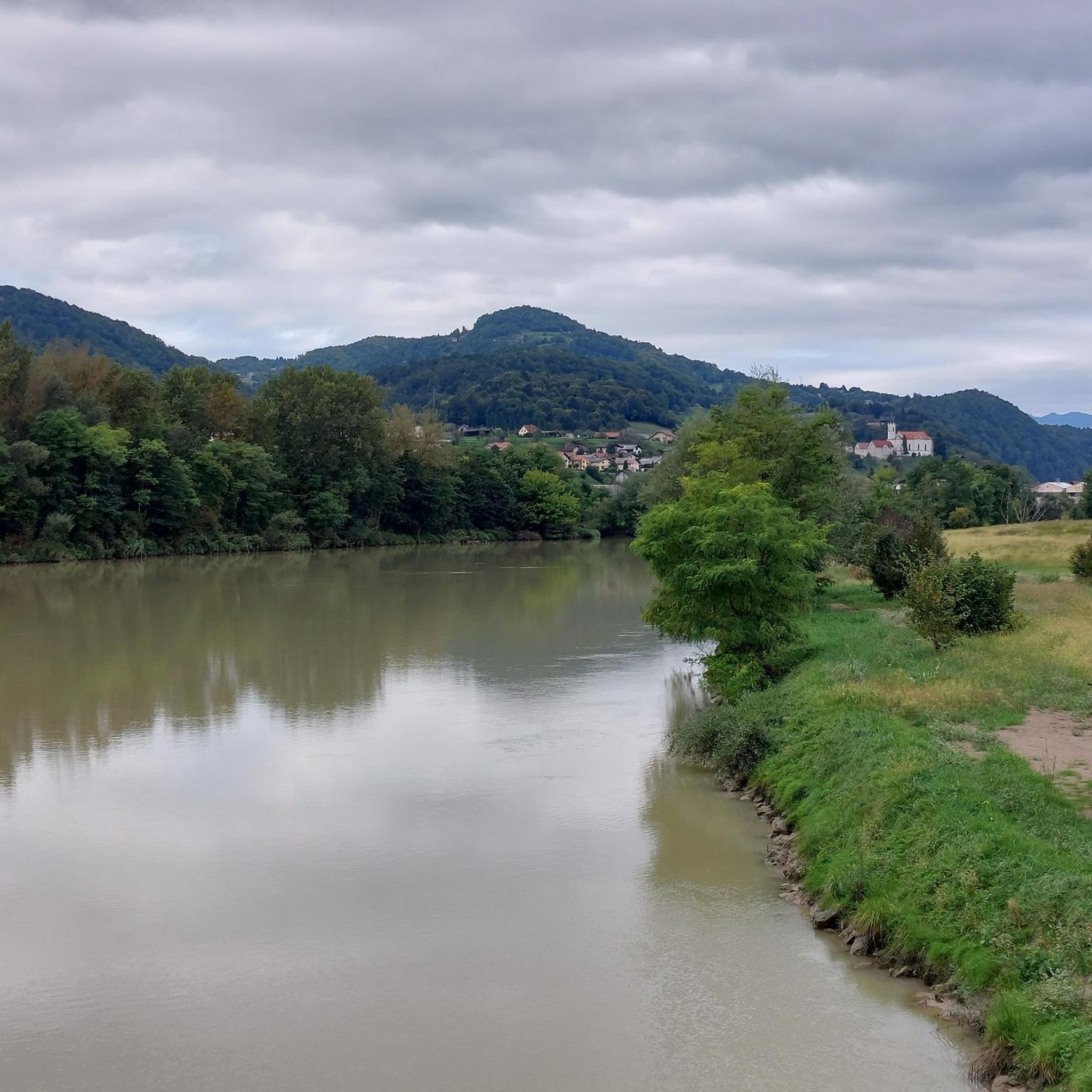
It reminded me a bit of the Neckar, which I knew so well. The river, the road, the designated bike path. Almost like home :-)
0
0


prefer the route around the back, because it is paved. Others only continue with running shoes.
0
0

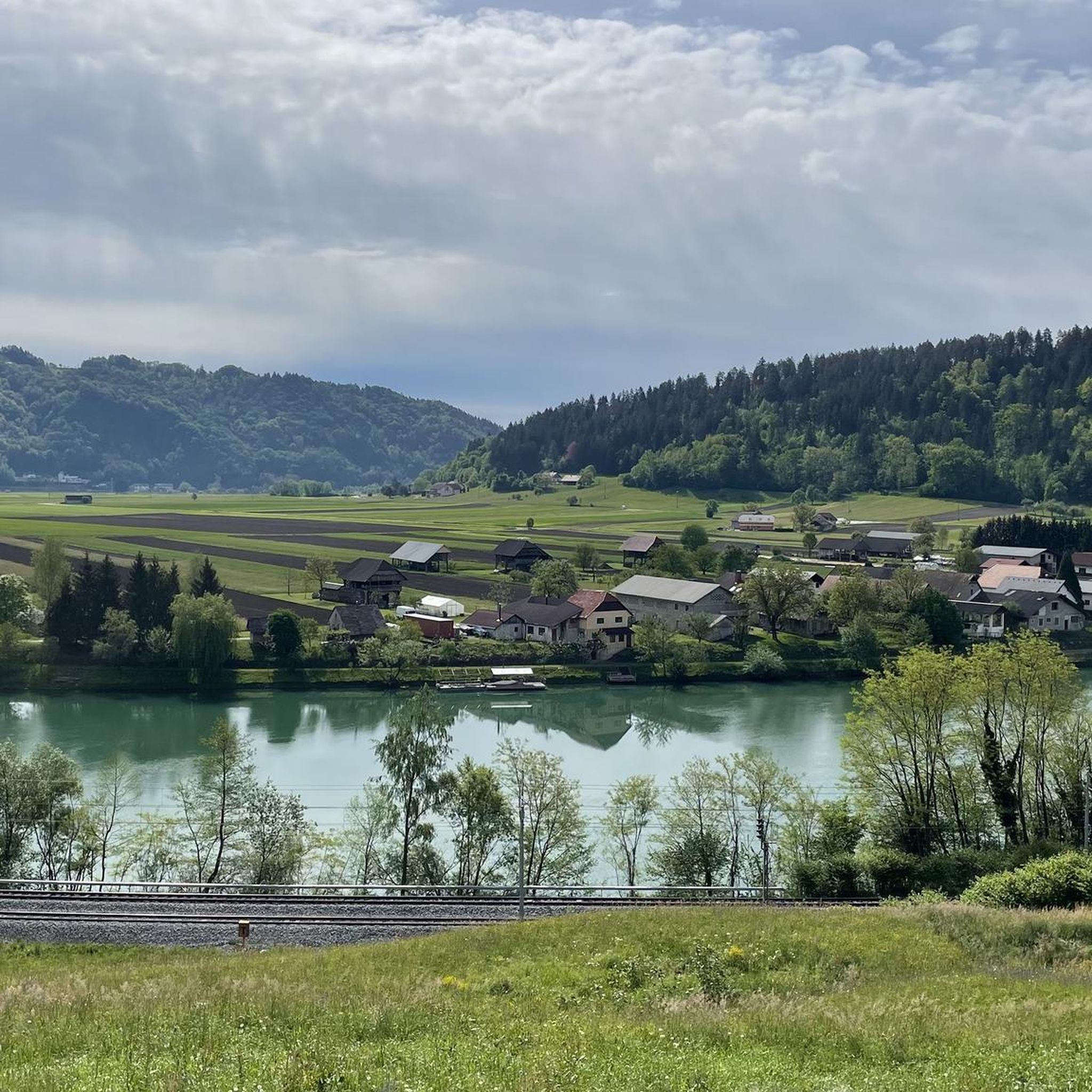
All of this photos are taken on my rides to Slovenia from Croatia with low elevation gain. The rides are suitable for cyclist who can ride 100km+ but are not strong enough to the hard climbs (like me 😁).
2
0

The lodge stands on a viewing platform on the south side just below the top of Lisca (948 m). At this place, the Posavje branch of the SPD set up and opened a mountain lodge on 19 June 1932; it was burnt down by partisans on 28 June 1944 to prevent German troops from staying there. On the foundations of the burnt home, PD Lisca Sevnica built and on November 9, 1952 opened a new mountain lodge, named after Tonček Čebular, the former president of PD Lisca, under whose leadership it was built after the war. In 1954, electricity was installed, and in 1964, a water supply system was built. In 1968, PD Lisca leased Tonček's home to Konfekcija Lisca from Sevnica, which it enlarged and modernized, and built an annex next to the home. The modern outpost was opened on July 4, 1970. The tenant later equipped the ski resort with two ski lifts and built a handball court. View: From the home, and especially behind the top of Lisca, there is an extremely beautiful view. From north to east we see Pohorje, Konjiška gora, Boč, Donačka gora, Macelj, Ivanščica; from east to south the view extends to Medvednica, Gorjanci, Kočevski Rog and Snežnik; from south to west we see Javorniki, Nanos, Trnovski gozd and Julijce with Triglav; from west to north are the Kamnik and Savinja Alps in the background, nearby we see Kum, Velika Kozje, Mrzlica and Čemšeniška planina, and further afield Paški Kozjak, Peca, Uršlja gora, Svinška planina and Golica in Austria. From the platform in front of the lodge there is a beautiful view of the Sava valley from Radeče towards Sevnica and the Dolenjska hills on the south side of the valley. More interesting tours: Veliko Kozje (993 m) - 3 h.
1
0
Frequently Asked Questions
What are the main historical and cultural attractions in Sevnica?
Sevnica boasts several significant historical and cultural sites. The most prominent is Sevnica Castle, a 12th-century fortress housing a puppet theatre, wine cellar, museum, and various exhibitions. Other notable sites include the Lutheran Cellar, known for its acoustics and cultural events, the historic Old Town of Sevnica, and the Ajdovski gradec Archaeological Park, which reveals a late Roman or early Christian settlement.
What natural attractions and outdoor activities can I find around Sevnica?
The region around Sevnica is rich in natural beauty, offering rolling green hills, vineyards, and forests. The Sava River, which flows through Sevnica, is popular for fishing and boating. For stunning views and hiking, the prominent peak of Lisca Summit (948 m) is a must-visit, where you can also find Tonček’s Lodge on Lisca (927 m). The slopes of Lovrenc are known for rare natural habitats, and the Rupar beech tree is a protected natural feature near the Sava River.
Are there any family-friendly activities or attractions in Sevnica?
Yes, Sevnica offers several family-friendly options. Sevnica Castle is a great choice, featuring a Castle Puppet Theatre and a School Museum that children might enjoy. The Model Railways and Railway Museum also provide a miniature world that brings the story of the railway to life, which can be engaging for families. Additionally, the Sava River Cycle Path is suitable for family bike rides.
Where can I go hiking near Sevnica?
Sevnica is an excellent base for hiking. The prominent peak of Lisca Summit (948 m) offers various trails and stunning views, with the Tončkov dom mountain hut providing a resting point. Other notable hiking destinations include Lovrenc and Veliko Kozje. You can find more detailed routes and options in the Hiking around Sevnica guide, which includes trails like the moderate 'St. Neža Chapel – Kum Mountain Hut loop from Sopota'.
Are there cycling routes available around Sevnica?
Absolutely! The region around Sevnica is well-suited for cycling. The Sava River Cycle Path offers scenic rides. The area is also part of the Bizeljsko-Sremiška and Gornjedolenjska wine roads, providing beautiful vistas for road cyclists. For more options, explore the Road Cycling Routes around Sevnica guide, which features routes like the 'Tutti Café & Ice Cream – Pond loop from Breg'.
What are the best viewpoints in the Sevnica area?
For breathtaking panoramic views, head to Lisca Summit (948 m). Just below the summit, Tonček’s Lodge on Lisca (927 m) also stands on a viewing platform offering extremely beautiful vistas of the region. Additionally, the climb to Okroglice provides another excellent vantage point over the surrounding landscape.
What unique cultural experiences does Sevnica offer?
Sevnica offers several unique cultural experiences beyond its main historical sites. You can visit the Kreutz barbershop and hairdresser salon, which showcases a conserved old craft. The town also hosts the annual Salamijada (Salami Festival), a culinary tradition running for over 50 years. For those interested in local heritage, The Dolinšek hayrack in Šmarčna is an 'ethnic treasure' representing the area's cultural past.
Is Sevnica a good destination for wine lovers?
Yes, Sevnica is an excellent destination for wine lovers. The region is part of the Bizeljsko-Sremiška and Gornjedolenjska wine roads. Visitors can explore vineyards, visit tourist farms, and experience traditional *zidanice* (vineyard cottages) for local wine and food tasting. Sevnica Castle itself features a wine cellar and a Bluefränkisch cellar, showcasing the region's indigenous wine.
What is the best time of year to visit Sevnica?
Sevnica can be enjoyed throughout the year, but the best time often depends on your preferred activities. Spring and autumn offer pleasant temperatures ideal for hiking and cycling, with vibrant natural colors. Summer is great for river activities and enjoying outdoor festivals. If you're interested in culinary events, check the schedule for the annual Salamijada (Salami Festival).
Are there any archaeological sites to explore in Sevnica?
Yes, for those interested in ancient history, the Ajdovski gradec Archaeological Park is a significant site. It reveals the foundations of a late Roman or early Christian settlement dating back to the 5th or 6th century, offering a glimpse into the region's distant past.
What kind of local cuisine or culinary events can I experience in Sevnica?
Sevnica is known for its culinary traditions, most notably the annual Salamijada (Salami Festival), a long-standing event where visitors can sample delicious local salami. Beyond festivals, you can explore local tourist farms and vineyard cottages (*zidanice*) along the wine roads to taste regional wines and traditional dishes. Don't forget to try the famous Melania Cake, a culinary tribute to the town's most famous resident.
Are there any dog-friendly walking options around Sevnica?
While specific dog-friendly regulations should always be checked locally, many of Sevnica's natural areas and trails are suitable for walks with dogs. The numerous marked hiking and cycling routes crisscrossing the area, including those around Lisca and along the Sava River, generally offer good opportunities for dog walking. Always ensure your dog is on a leash and you clean up after them.
How can I get around to the attractions in Sevnica?
Many attractions in Sevnica, such as the Old Town and Sevnica Castle, are accessible by car with parking available. For exploring the natural beauty and outdoor activities, driving to trailheads is common. The region also has various marked hiking and cycling routes, making it easy to explore by foot or bike. Public transport options within the town and to nearby areas may be limited, so checking local schedules is advisable.
Most popular routes around Sevnica

Get inspired with the komoot mobile app


Explore more
Still not found the Highlight you’re looking for? See guides of the top attractions in other regions:
