Attractions and Places To See around St.Stefan ob Stainz - Top 20
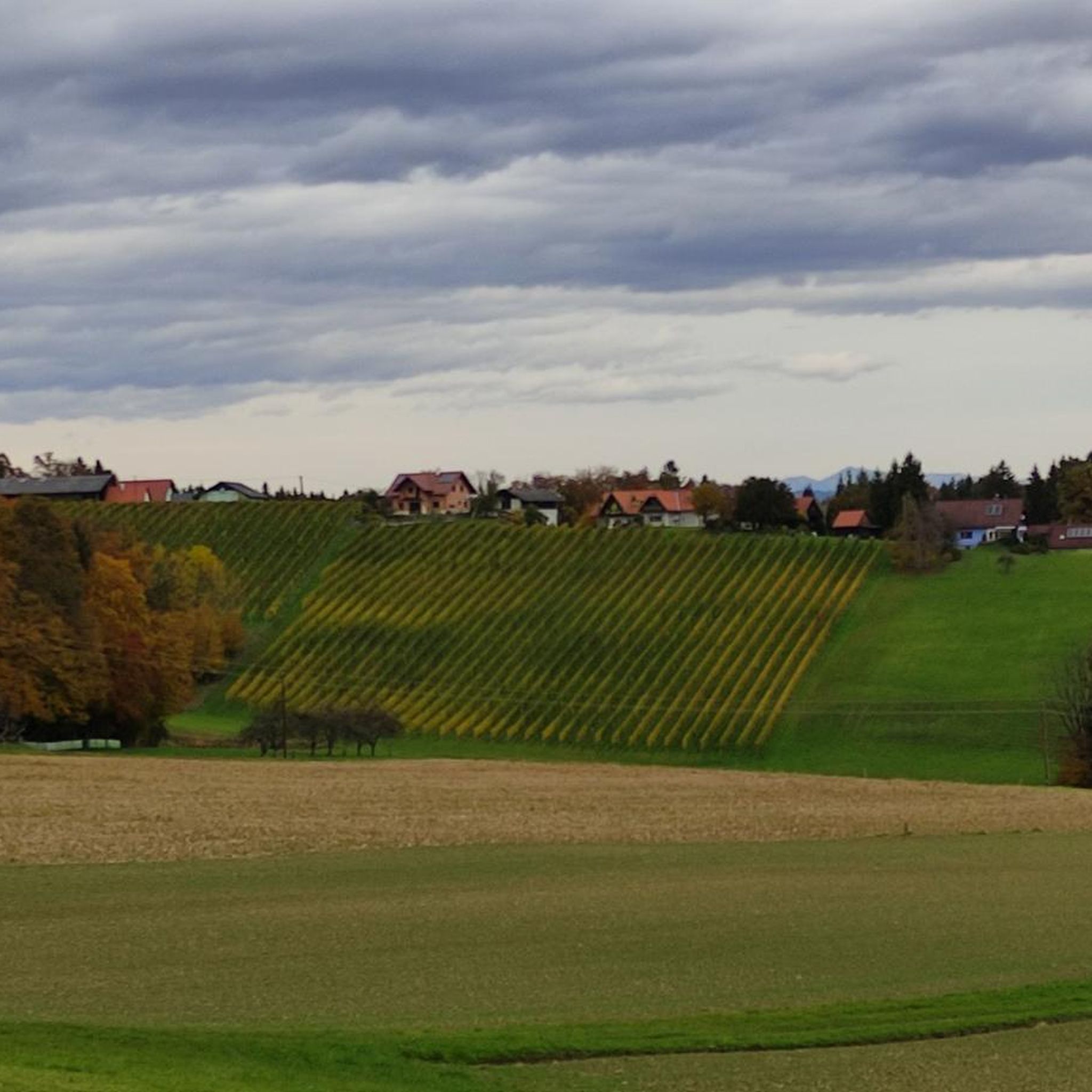
Best attractions and places to see around St.Stefan ob Stainz are found in the heart of the Schilcherland region in Western Styria, Austria. This area features a hilly landscape with vineyards and forests, offering a blend of cultural, natural, and historical sites. St.Stefan ob Stainz is known for its wine-growing communities and diverse outdoor activities. Visitors can explore historical landmarks, natural springs, and scenic viewpoints.
Best attractions and places to see around St.Stefan ob Stainz
- The most popular attractions is…
Last updated: May 9, 2026
Stainz Main Square
Highlight • Settlement
Translated by Google •
Tip by

Stainz Castle
Highlight • Castle
Translated by Google •
Tip by

Sign up now to discover places like this
Get recommendations on the best single tracks, peaks, & plenty of other exciting outdoor places.
Sign up for free
Ruins of Krems Castle (Voitsberg)
Highlight • Castle
Translated by Google •
Tip by

Stainz Lookout
Highlight • Viewpoint
Translated by Google •
Tip by

Stainz Johannes Spring
Highlight • Natural Monument
The words "Sauer" and "Brunn" contained in "Sauerbrunn" undoubtedly indicate a well or a spring. Sauerbrunn is officially certified as a healing spring and is located …
Translated by Google •
Tip by

Sign up for free to discover even more attractions around St.Stefan ob Stainz.
Sign up for free
Already have an account?
Start today with a free account
Your next adventure awaits.
Login or Signup

Tips from the Community

Worth seeing, unfortunately the castle is closed.
0
0

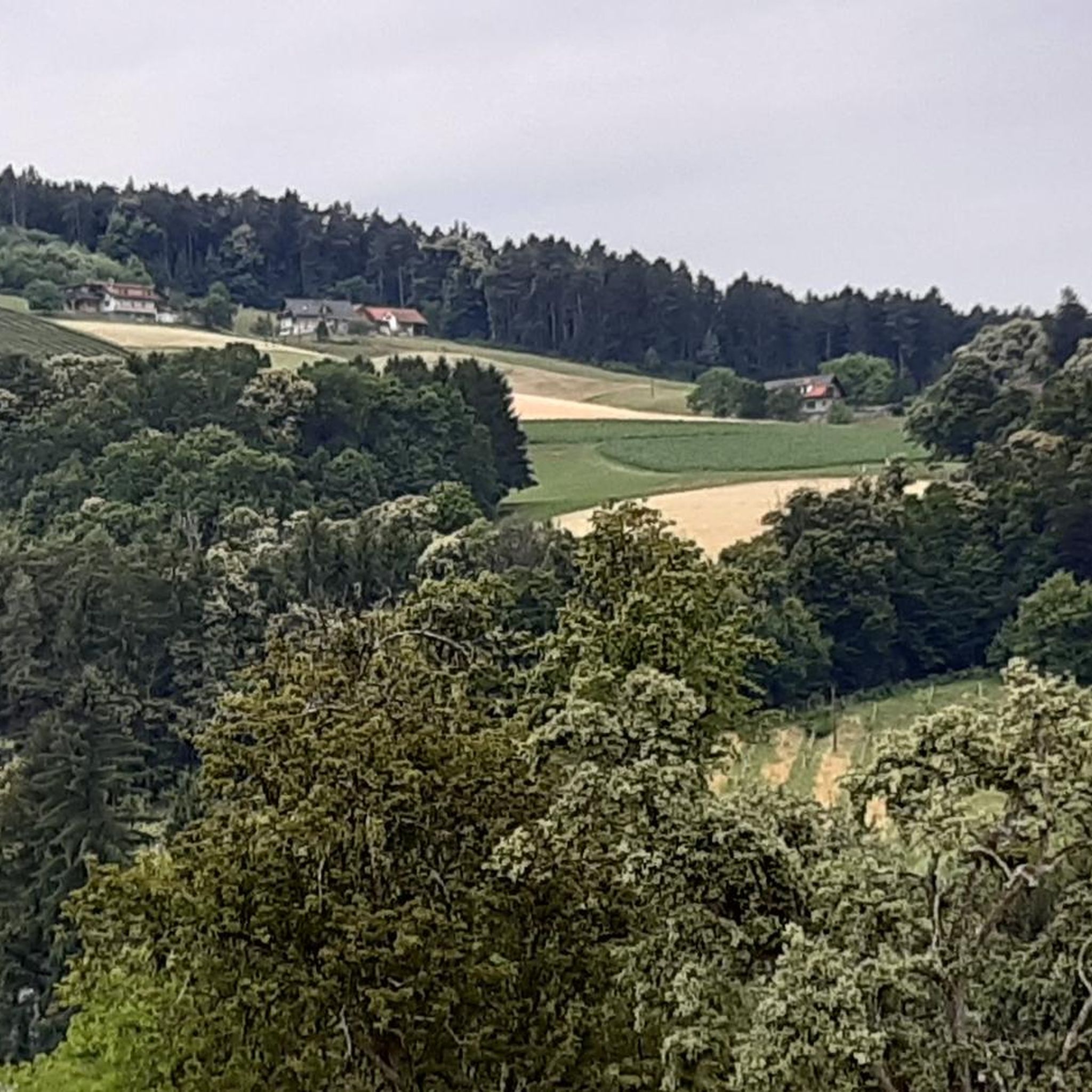
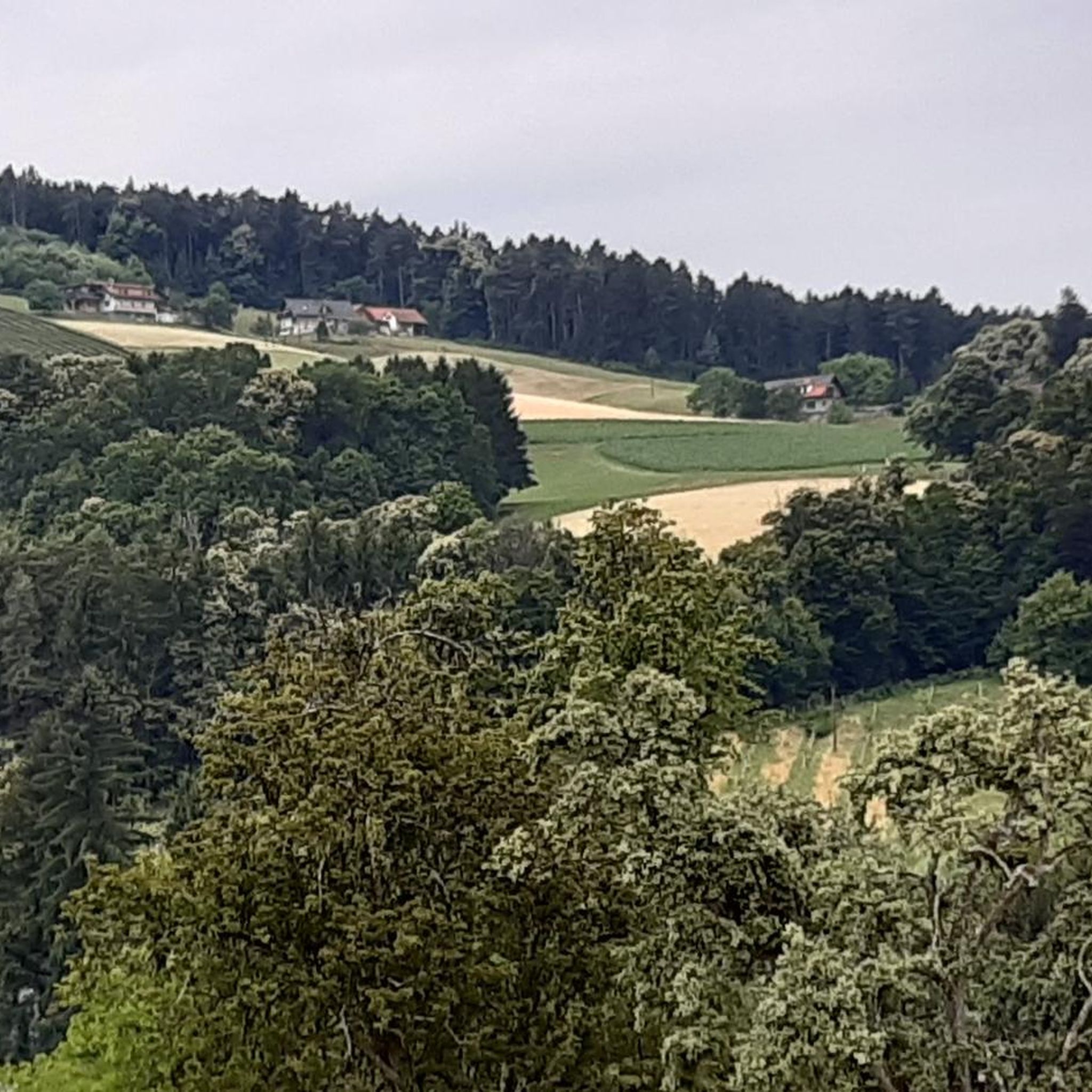
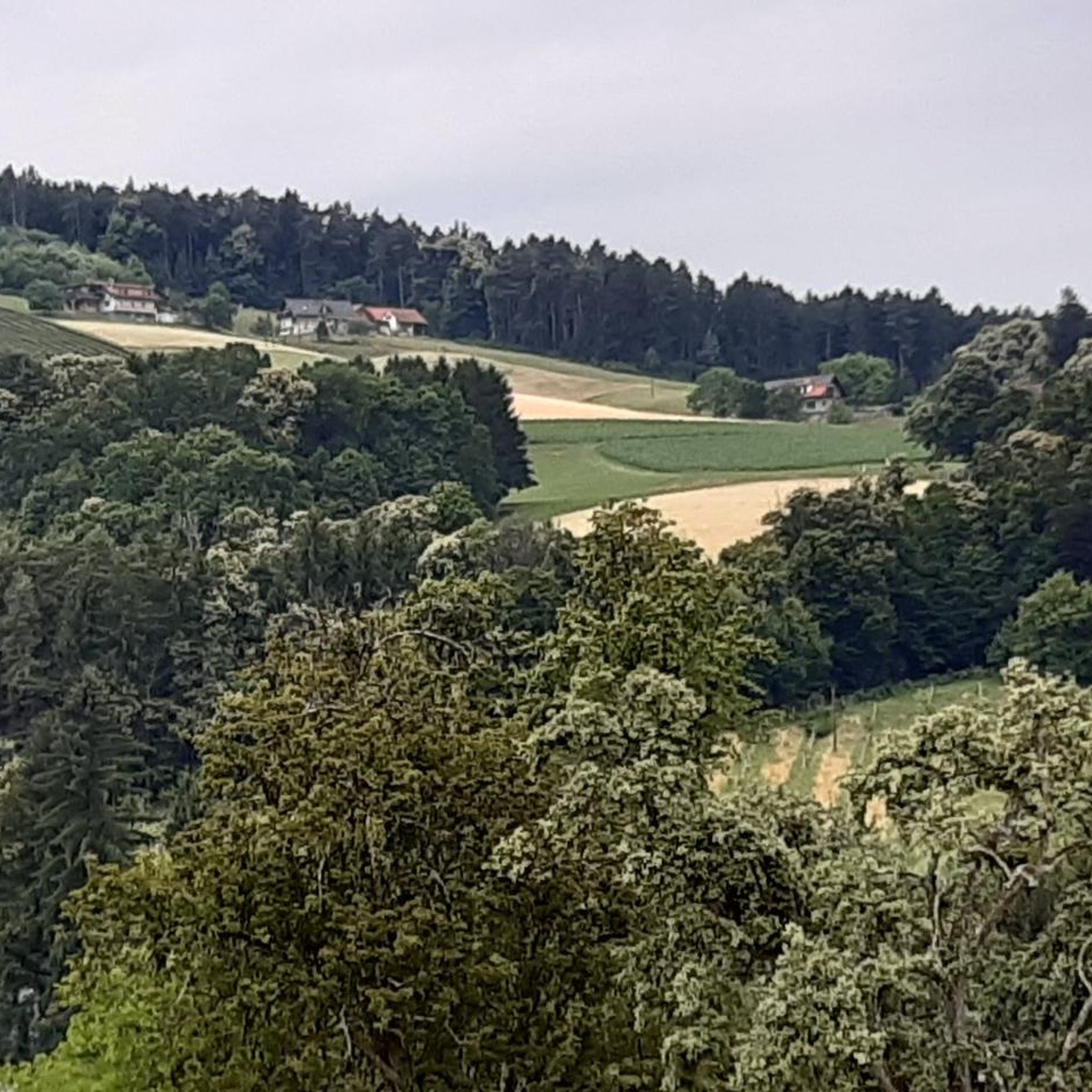
Great view over the Stainzer Land
0
0


The ruins are continually being renovated and expanded
0
0

There are always events on the ruins and you have a beautiful view over Krems
0
0

It's only worth going up there by bike to visit the castle. The way back down to the sewage treatment plant is better on foot.
1
0

The Krems castle ruins are located east of the municipality of Voitsberg in Styria in the district of Krems. The history of the castle goes back to the 11th or 12th century, when the archbishop of Salzburg had it built. It was first mentioned in a document in 1248. Krems was repeatedly owned by larger noble families, who, however, usually commissioned caretakers or administrators to manage the estate. In the 14th century, Krems held the lower jurisdiction and in the 16th century the castle was expanded into a Renaissance castle with a zoo. In the 17th century, Count Karl Saurau acquired the property and merged it with his Ligist lordship. After moving administration to Ligist Castle in 1730, he neglected Krems and left it to decay. In 1817 part of the castle slipped down after a rain shower. Archduke Johann bought it in 1857. Information from https://maps.sygic.com/
0
0

In the heart of western Styria and on the southern foothills of the Rosenkogel, this historic building towers over the roofs of the market town of Stainz, surrounded by the castle's own vineyards and orchards. The castle was built in 1229 as an Augustinian monastery by Luitbold von Wildon.
0
0
Frequently Asked Questions
What kind of outdoor activities can I do around St. Stefan ob Stainz?
The region is ideal for various outdoor activities, especially hiking and cycling. You can explore numerous trails winding through vineyards, meadows, and forests. For mountain biking, consider routes like the 'View of Langegg Vineyards – Forest Path loop from Gundersdorf'. If you prefer road cycling, the 'Stainz Castle – Stainz Main Square loop from Sankt Stefan ob Stainz' offers a scenic ride. There are also many easy hiking trails, such as the 'Kastanienhof Klug – Hiden Winery loop from Sankt Stefan ob Stainz'. You can find more details and routes on the MTB Trails around St.Stefan ob Stainz, Easy hikes around St.Stefan ob Stainz, and Road Cycling Routes around St.Stefan ob Stainz guide pages.
Are there any family-friendly attractions in St. Stefan ob Stainz?
Yes, St. Stefan ob Stainz offers several family-friendly spots. The Stainz Main Square is a pleasant area with restaurants, perfect for a stroll and an ice cream. The Stainz Johannes Spring, an officially certified healing spring, is also considered family-friendly and offers an idyllic drive through the countryside. Additionally, the Arnstein Power Plant area, with its moated castle and river, provides opportunities for family walks.
What historical sites can I visit in the area?
The region boasts a rich history. You can explore the Ruins of Krems Castle (Voitsberg), which date back to the 11th or 12th century and offer beautiful views. The Stieglerhaus in the town center is a renovated historic building that serves as a cultural hub. The Bauernmuseum Gundersdorf (Gundersdorf Farming Museum) provides insights into agricultural history from 1850 to 1970. You can also visit the remains of a Historical Glass Factory (Waldglashütte) from around 1640, considered one of the best-preserved in Central Europe.
Where can I find the best views or viewpoints around St. Stefan ob Stainz?
For magnificent panoramic views, visit the Stainz Lookout, an over 100-year-old wooden tower offering vistas over western and southern Styria. The vineyards of Hochgrail, often called the 'living room of the Schilcher,' also provide picturesque scenery. An insider tip for a beautiful viewpoint in the Hochgrail vineyard is the Klapotetz (a wooden wind rattle) at the Hiden winery and tavern.
What is the best time of year to visit St. Stefan ob Stainz?
St. Stefan ob Stainz is a prime destination for gentle tourism and outdoor activities, particularly from spring to autumn. The picturesque, hilly landscape with vineyards and forests is especially beautiful during these seasons, making it ideal for hiking, cycling, and enjoying the cultural sites. While specific winter activities are not detailed, the region's charm can be appreciated year-round.
Are there any natural springs or unique natural features to see?
Yes, the Stainz Johannes Spring, also known as Sauerbrunn, is an officially certified healing spring located northwest of Stainz. It's accessible via an idyllic drive through hamlets and along fresh spring watercourses. The Teigitsch River also offers impressive natural scenery, with opportunities for hiking along its banks near the Arnstein Power Plant.
What is the significance of the vineyards in St. Stefan ob Stainz?
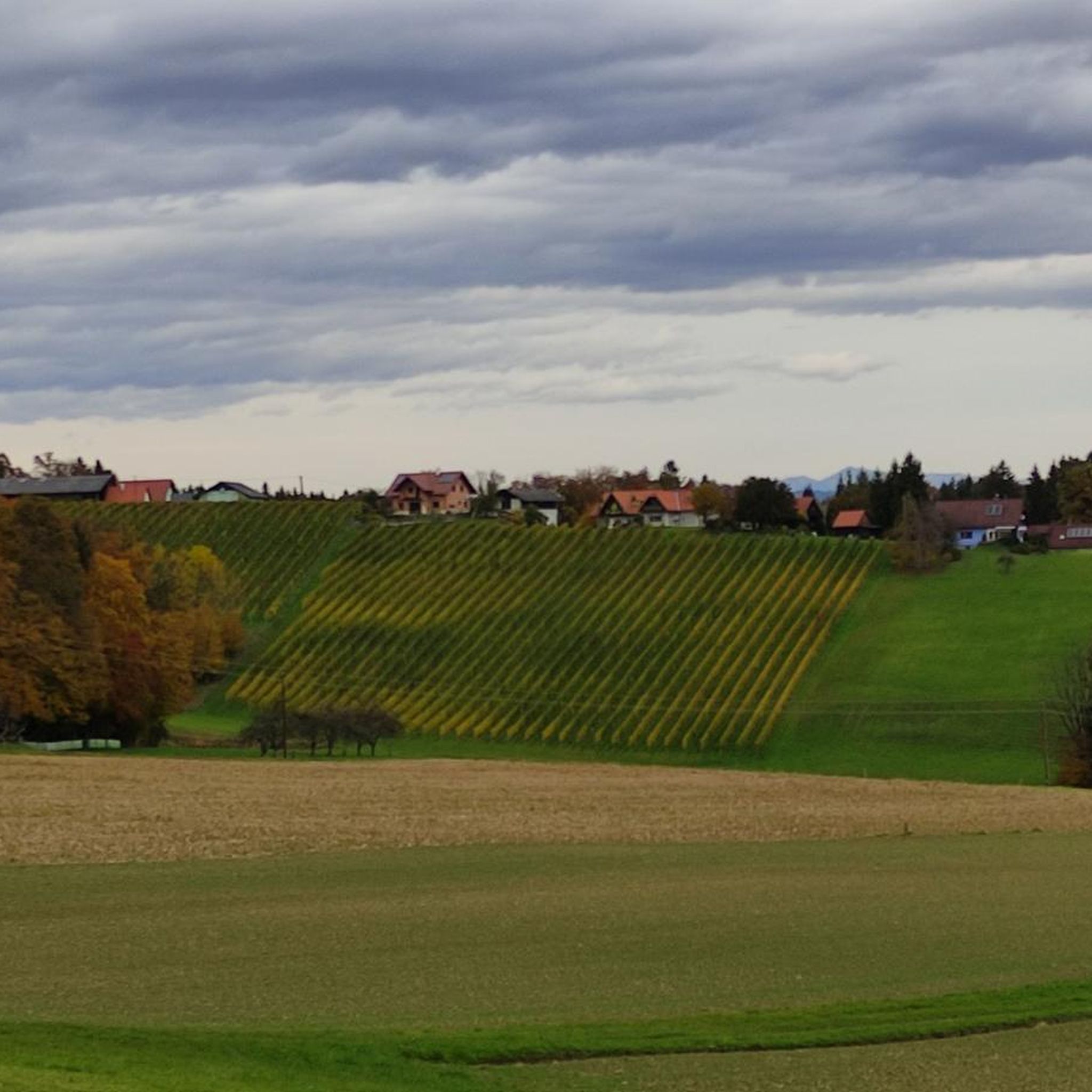
St. Stefan ob Stainz is the largest wine-growing community in West Styria and is famous for its Schilcher wine. The vineyards of Hochgrail are particularly renowned, having been voted the second most beautiful place in Austria. Exploring these vineyards offers a taste of local traditions and stunning landscapes.
What do visitors enjoy most about St. Stefan ob Stainz?
Visitors frequently appreciate the tranquil atmosphere of the Stainz Main Square, often noting its 'Italian flair' and numerous restaurants. The scenic beauty and historical significance of sites like the Ruins of Krems Castle and the Stainz Lookout are also highly praised. Many enjoy the opportunities for hiking and cycling through the picturesque vineyards and forests.
Are there any cultural centers or museums in the area?
Absolutely. The Stieglerhaus in the town center is a vibrant hub for art, culture, and education, hosting various events. The Bauernmuseum Gundersdorf (Gundersdorf Farming Museum) offers a fascinating look into the agricultural history and peasant life of West Styria from 1850 to 1970, showcasing the region's heritage.
Can I find easy walking paths suitable for beginners or short strolls?
Yes, there are several easy walking paths around St. Stefan ob Stainz. For instance, the 'Klugbauer Hotel & Restaurant – Hahnhof Hut loop from Katastralgemeinde Greisdorf' is an easy hike of about 7.3 km. Another option is the 'Kastanienhof Klug – Hiden Winery loop from Sankt Stefan ob Stainz', which is around 5.5 km. These routes are perfect for beginners or those looking for a relaxed stroll through the scenic landscape.
What is the 'Keltenkreis im Zachgraben'?
The Keltenkreis im Zachgraben (Celtic Circle in Zachgraben) is a site that reflects the Celtic heritage of the area. It's a place where ancient traditions linked birth dates to specific trees, offering a unique connection to the region's historical and spiritual past.
Are there any notable churches or religious sites to visit?
The St. Stefan Parish Church is recommended for a visit due to its historical significance and architectural interest. Churches like this often hold centuries of local history and art within their walls.
Most popular routes around St.Stefan ob Stainz
Most popular attractions around St.Stefan ob Stainz

Get inspired with the komoot mobile app


Explore more
Still not found the Highlight you’re looking for? See guides of the top attractions in other regions:
