Attractions and Places To See around Piran - Top 20
Best attractions and places to see around Piran include a range of historical landmarks, natural features, and cultural sites. Piran is situated on Slovenia's Adriatic coast, characterized by its Venetian architecture, narrow streets, and vibrant squares. The town offers views of the Adriatic Sea and opportunities to explore its rich heritage. The surrounding area features coastal paths and nature reserves.
Best attractions and places to see around Piran
- The most popular attractions is Piran Harbour, a settlement highlight that…
Last updated: August 25, 2026
Valeta Tunnel (Parenzana Cycle Path)
Highlight (Segment) • Structure
Translated by Google •
Tip by

Tartini Square, Piran
Highlight • Historical Site
Translated by Google •
Tip by

Sign up now to discover places like this
Get recommendations on the best single tracks, peaks, & plenty of other exciting outdoor places.
Sign up for free
Sečovlje Salt Pans
Highlight • Natural Monument
Translated by Google •
Tip by

Piran's Historic Alleys
Highlight • Historical Site
Translated by Google •
Tip by

Piran Town Hall
Highlight • Monument
Translated by Google •
Tip by

Piran Harbour
Highlight • Settlement
Translated by Google •
Tip by
St. Clement's Church and Lighthouse, Piran
Highlight • Religious Site
Translated by Google •
Tip by
Statue of Giuseppe Tartini
Highlight • Monument
Translated by Google •
Tip by
Cliff-top promenade to Fiesa Beach
Highlight (Segment) • Trail
Translated by Google •
Tip by

Parenzana Cycle Route – Portorož Section
Highlight (Segment) • Cycleway
Translated by Google •
Tip by

Sign up for free to discover even more attractions around Piran.
Sign up for free
Already have an account?
Start today with a free account
Your next adventure awaits.
Login or Signup
Popular around Piran
EuroVelo 9 – The Amber Route from the Baltic to Adriatic Sea
A 1,800 km MTB adventure – the Slovenian mountainbike route (STKP)
Entdecke die Slowenische Riviera mit dem Rennrad
Cycling around Piran
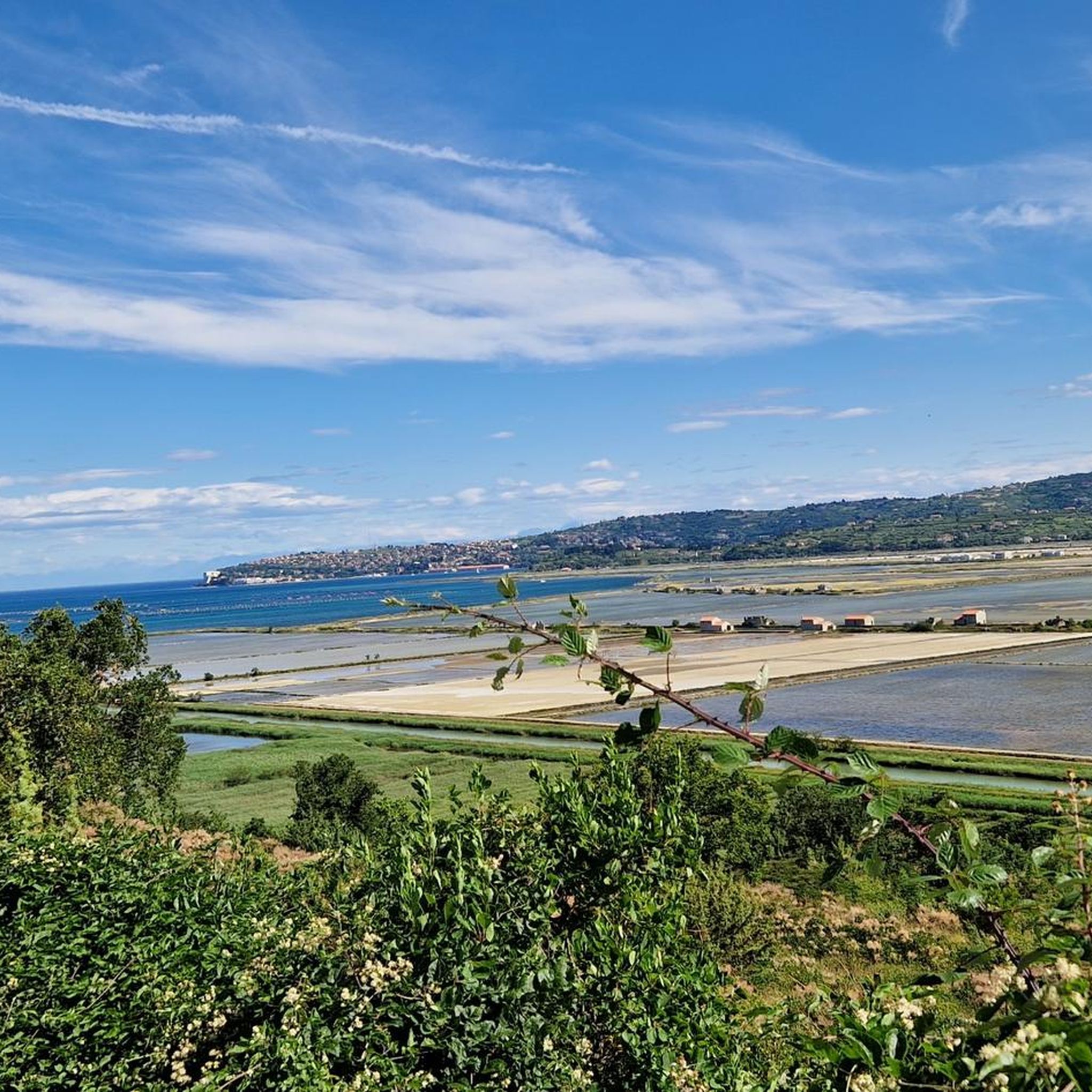
Hiking around Piran
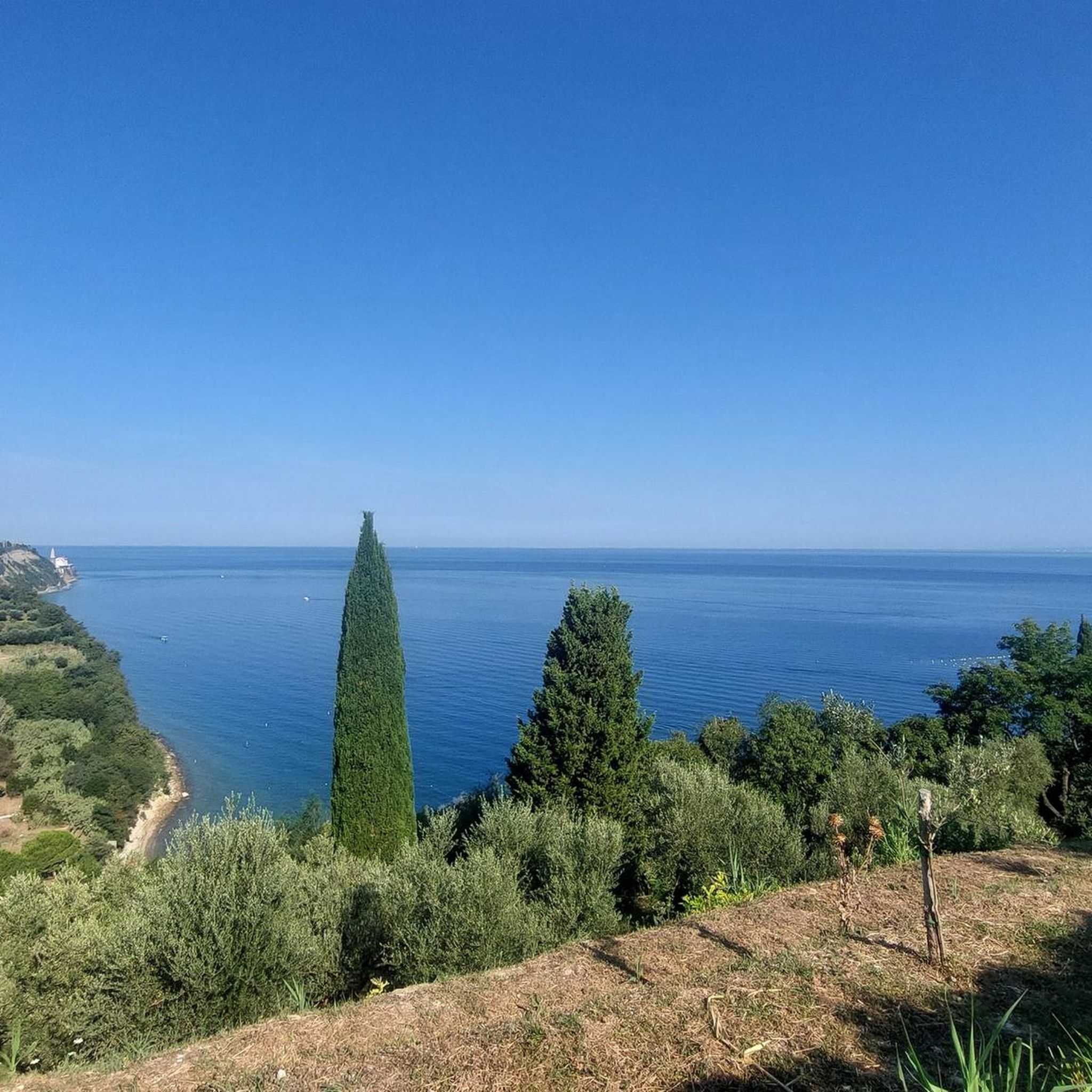
Running Trails around Piran
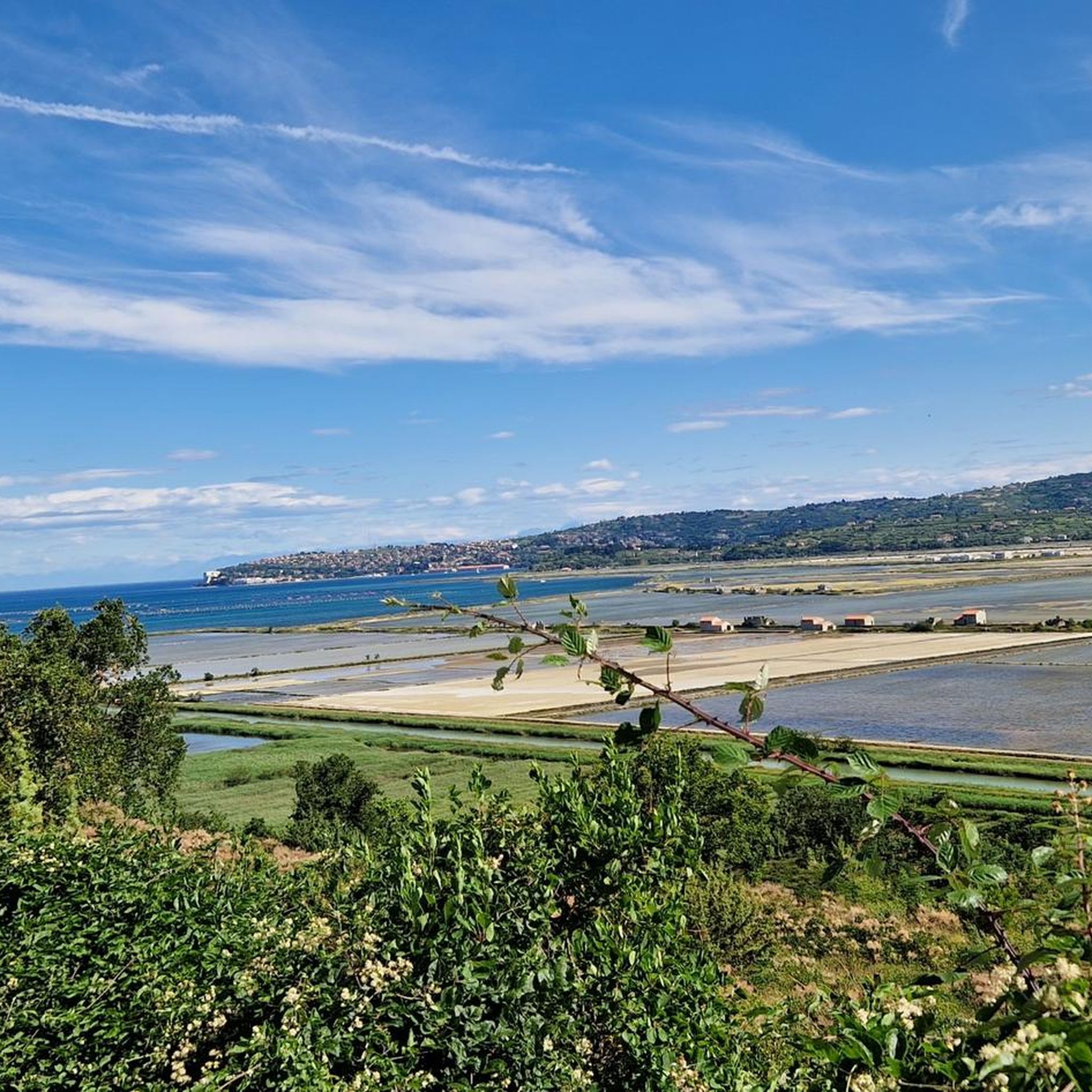
MTB Trails around Piran
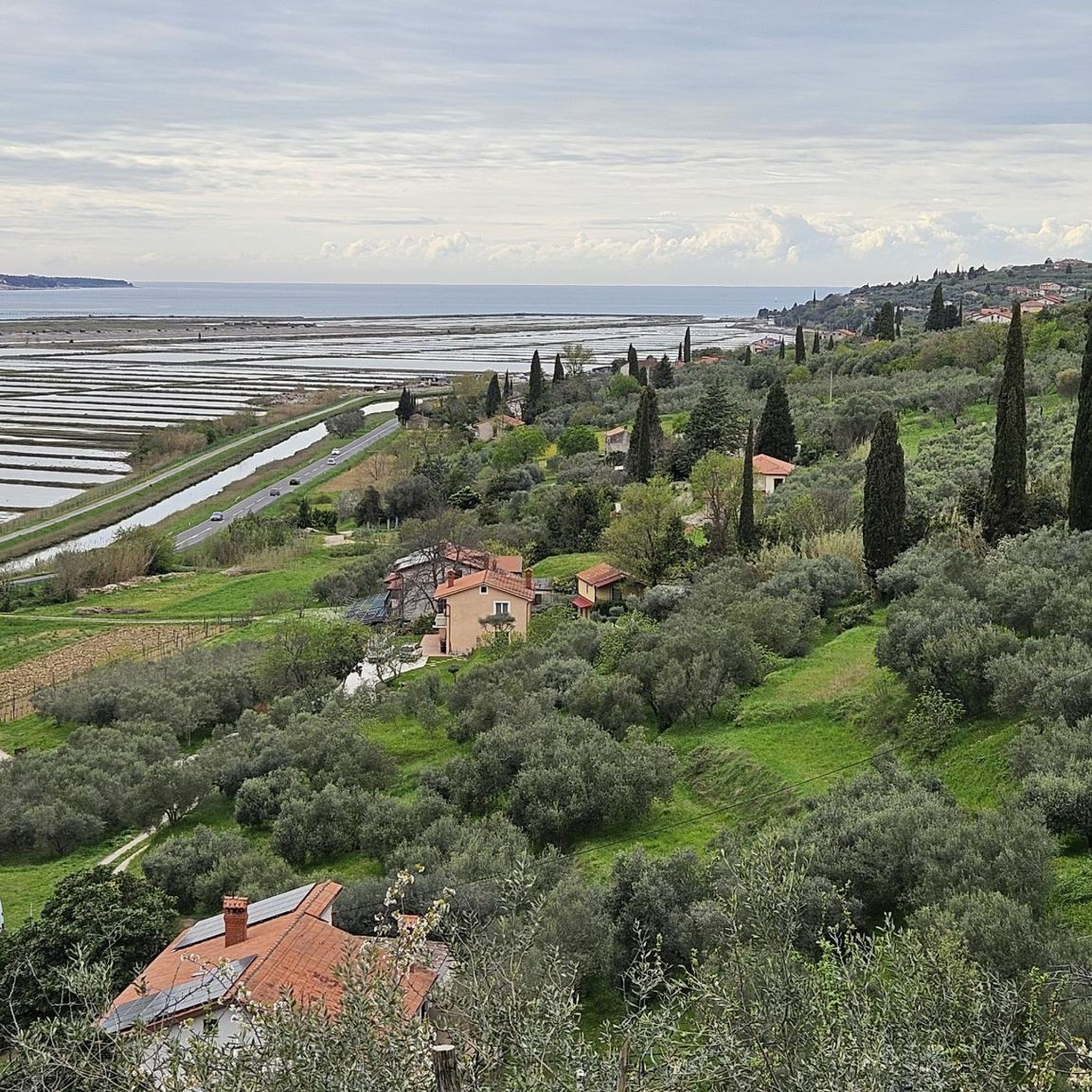
Road Cycling Routes around Piran
Gravel biking around Piran
Other adventures around Piran


Tips from the Community

Wonderful place; in the evenings, events are often held here or markets are set up - definitely worth a visit, there is a lot to discover!
0
0
Super footpath, especially if you come from the Fiesa campsite; also, along the path you can go into the sea in many places or find a spot for sunbathing👍
0
0

Today's Piran Town Hall is located on Tartini Square and serves as the seat of the city administration. The building dates back to 1879 and was renovated in the neoclassical style. On the façade, a stone lion holding an open book symbolizes Venetian rule in Piran. The Town Hall is not open to the public as it serves as an official administrative building. The interior is also not open to visitors, however, the building is noteworthy for its architectural value and historical significance.
4
0
At the end of the 13th century, this square became Piran's central square, and the town square acquired its current appearance in the second half of the 19th century. The central Tartini Square was created by filling in the inner harbor, and impressive buildings with historical features were built around the town square, such as the town hall and the courthouse. Naturally, the town square was named after the composer and violinist Giuseppe Tartini, who helped make his birthplace known worldwide.
4
0
At the end of the 13th century, this square became Piran's central square, and the town square acquired its current appearance in the second half of the 19th century. The central Tartini Square was created by filling in the inner harbor, and impressive buildings with historical features were built around the town square, such as the town hall and the courthouse. Naturally, the town square was named after the composer and violinist Giuseppe Tartini, who helped make his birthplace known worldwide.
4
0
Piran is located on the westernmost point of the Adriatic coast and is considered Slovenia's most beautiful coastal town. Its surrounding walls date back to the Middle Ages. Inside, you can stroll through narrow streets lined with narrow Venetian-style houses. Particularly worth seeing are the red Venetian House on Tartini Square and the snow-white Town Hall. If you have time, you can also visit the salt pans outside the city gates, some of which are still in operation. The salt production facilities date back to 804. Or you can explore Piran's cliffs along the coastal hiking trail in the north. Piran is considered Slovenia's most beautiful coastal town. The picturesque medieval town, which is entirely protected as a cultural and historical monument, borders two landscape parks. In one of them, you can marvel at the highest cliff in the Adriatic, among other things.
4
0
Piran is located on the westernmost point of the Adriatic coast and is considered Slovenia's most beautiful coastal town. Its surrounding walls date back to the Middle Ages. Inside, you can stroll through narrow streets lined with narrow Venetian-style houses. Particularly worth seeing are the red Venetian House on Tartini Square and the snow-white Town Hall. If you have time, you can also visit the salt pans outside the city gates, some of which are still in operation. The salt production facilities date back to 804. Or you can explore Piran's cliffs along the coastal hiking trail in the north. Piran is considered Slovenia's most beautiful coastal town. The picturesque medieval town, which is entirely protected as a cultural and historical monument, borders two landscape parks. In one of them, you can marvel at the highest cliff in the Adriatic, among other things.
4
0
Piran is located on the westernmost point of the Adriatic coast and is considered Slovenia's most beautiful coastal town. Its surrounding walls date back to the Middle Ages. Inside, you can stroll through narrow streets lined with narrow Venetian-style houses. Particularly worth seeing are the red Venetian House on Tartini Square and the snow-white Town Hall. If you have time, you can also visit the salt pans outside the city gates, some of which are still in operation. The salt production facilities date back to 804. Or you can explore Piran's cliffs along the coastal hiking trail in the north. Piran is considered Slovenia's most beautiful coastal town. The picturesque medieval town, which is entirely protected as a cultural and historical monument, borders two landscape parks. In one of them, you can marvel at the highest cliff in the Adriatic, among other things.
4
0
Frequently Asked Questions
What are the main historical landmarks to explore in Piran?
Piran is rich in history, offering several significant landmarks. You can visit Tartini Square, the town's central hub, surrounded by Venetian-style buildings. Dominating the skyline is the Church of St. George, where you can climb its bell tower for panoramic views. Don't miss the ancient Piran Town Walls, which offer spectacular vistas, and the distinctive Venetian House on Tartini Square.
What natural attractions can I visit near Piran?
Near Piran, you can explore the stunning Strunjan Nature Reserve, known for its high cliffs and salt pans, or the Sečovlje Salt Pans, where traditional salt harvesting methods are still practiced. For coastal beauty, Moon Bay within the Landscape Park Strunjan is a serene spot, and the cliff-top promenade to Fiesa Beach offers pleasant walks and sea views.
Are there any unique cultural sites in Piran?
Absolutely. Piran boasts several cultural gems, including the Sergej Mašera Maritime Museum, housed in Gabrielli Palace, which showcases the town's deep connection to the sea. You can also visit Tartini House, the birthplace of the renowned violinist Giuseppe Tartini, now a museum. The Minorite Monastery of St. Francis features beautiful frescoes and a valuable collection of music literature.
What are some family-friendly activities in Piran?
Piran offers many family-friendly options. Exploring Piran's Historic Alleys is a delightful adventure for all ages. The Piran Harbour area is great for a stroll, with boats and cafes. The Valeta Tunnel (Parenzana Cycle Path) is part of a well-maintained cycle path suitable for family bike rides. The Sečovlje Salt Pans also offer an educational and engaging experience for families.
What kind of outdoor activities can I do around Piran?
The area around Piran is excellent for various outdoor activities. You can enjoy cycling along the Parenzana, a former railway line now a popular bike path, which includes highlights like the Valeta Tunnel. There are also numerous routes for mountain biking, gravel biking, and touring cycling. For more detailed information on routes, check out the MTB Trails around Piran, Cycling around Piran, and Gravel biking around Piran guides.
Where can I find the best views of Piran and the Adriatic Sea?
For breathtaking panoramic views, climb the bell tower of the Church of St. George. The Piran Town Walls also offer spectacular vistas of the town's red roofs and the sparkling Adriatic. Additionally, the Lighthouse at Punta, at the tip of the Piran peninsula, provides recognizable views of the coastline.
Can I explore Piran's historic streets and architecture?
Yes, Piran's charm lies in its medieval layout. Wandering through Piran's Historic Alleys reveals charming squares, colorful buildings, and a rich Venetian heritage. The town's Venetian Gothic architecture is evident throughout its streets and buildings, offering a captivating experience.
What is the significance of the Sečovlje Salt Pans?
The Sečovlje Salt Pans are historically and ecologically significant. They showcase Slovenia's traditional salt-harvesting methods, which have been in use for over 700 years. As a protected nature park, they are also a vital wetland habitat, offering opportunities to observe diverse bird species and learn about salt production.
Are there any beaches or swimming spots in Piran?
While Piran's coastline is primarily rocky, there are several spots for swimming and enjoying the clear waters of the Adriatic Sea. Fornače Beach, a pebble beach, is conveniently located a short walk from Tartini Square. You can also find pleasant spots along the cliff-top promenade to Fiesa Beach.
What is the best time of year to visit Piran for outdoor activities?
The shoulder seasons, spring (April-May) and autumn (September-October), are generally ideal for outdoor activities in Piran. The weather is pleasant for hiking and cycling, avoiding the intense heat of summer and the cooler, potentially wetter winter months. These periods also offer fewer crowds.
What makes Tartini Square a central point of interest?
Tartini Square is the vibrant heart of Piran, named after the famous violinist Giuseppe Tartini, whose statue stands at its center. It was once a marina that was later built over, and it's surrounded by beautiful Venetian-style buildings, including Tartini House and the Piran Town Hall, making it a focal point for history, culture, and social life.
Is Piran accessible for visitors with mobility challenges?
While Piran's historic alleys can be narrow and cobbled, some key attractions are considered wheelchair accessible. Tartini Square and the Statue of Giuseppe Tartini are generally accessible. The Valeta Tunnel (Parenzana Cycle Path) is also listed as wheelchair accessible, offering a smooth path for enjoyment.
Most popular routes around Piran

Get inspired with the komoot mobile app


Explore more
Still not found the Highlight you’re looking for? See guides of the top attractions in other regions:
