Attractions and Places To See around Vipava - Top 20
Best attractions and places to see around Vipava are found in southwestern Slovenia's Vipava Valley, a region characterized by its unique delta-shaped river springs and numerous bridges. This area combines historical sites, cultural monuments, and diverse natural landscapes. The valley is recognized for its viticulture, historical significance, and opportunities for outdoor activities.
Best attractions and places to see around Vipava
- The most popular attractions is Church of St Jerome, a religious building situated at 1,018 m on the slopes of Nanos. This church is visible from many miles around and serves as a pilgrimage site.
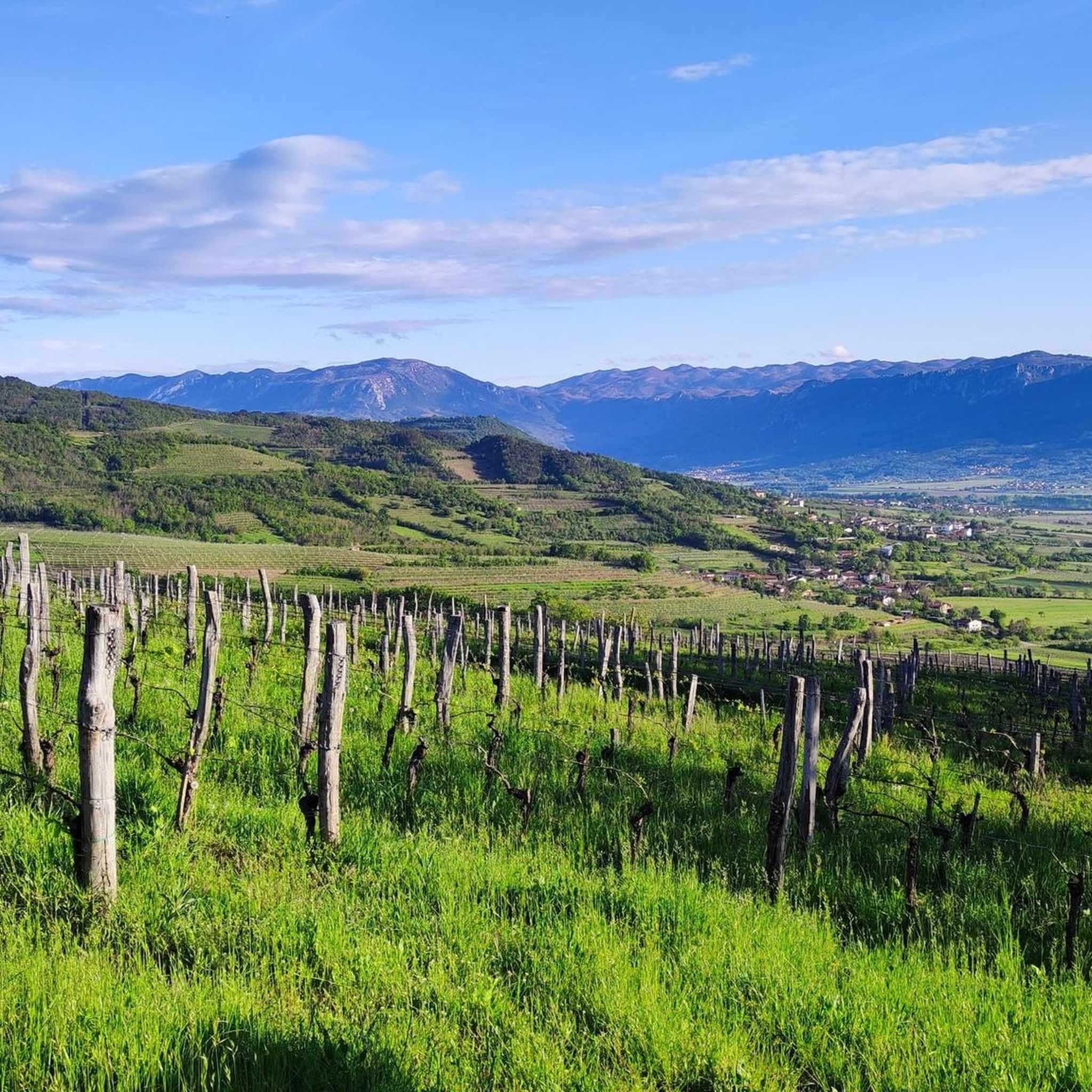
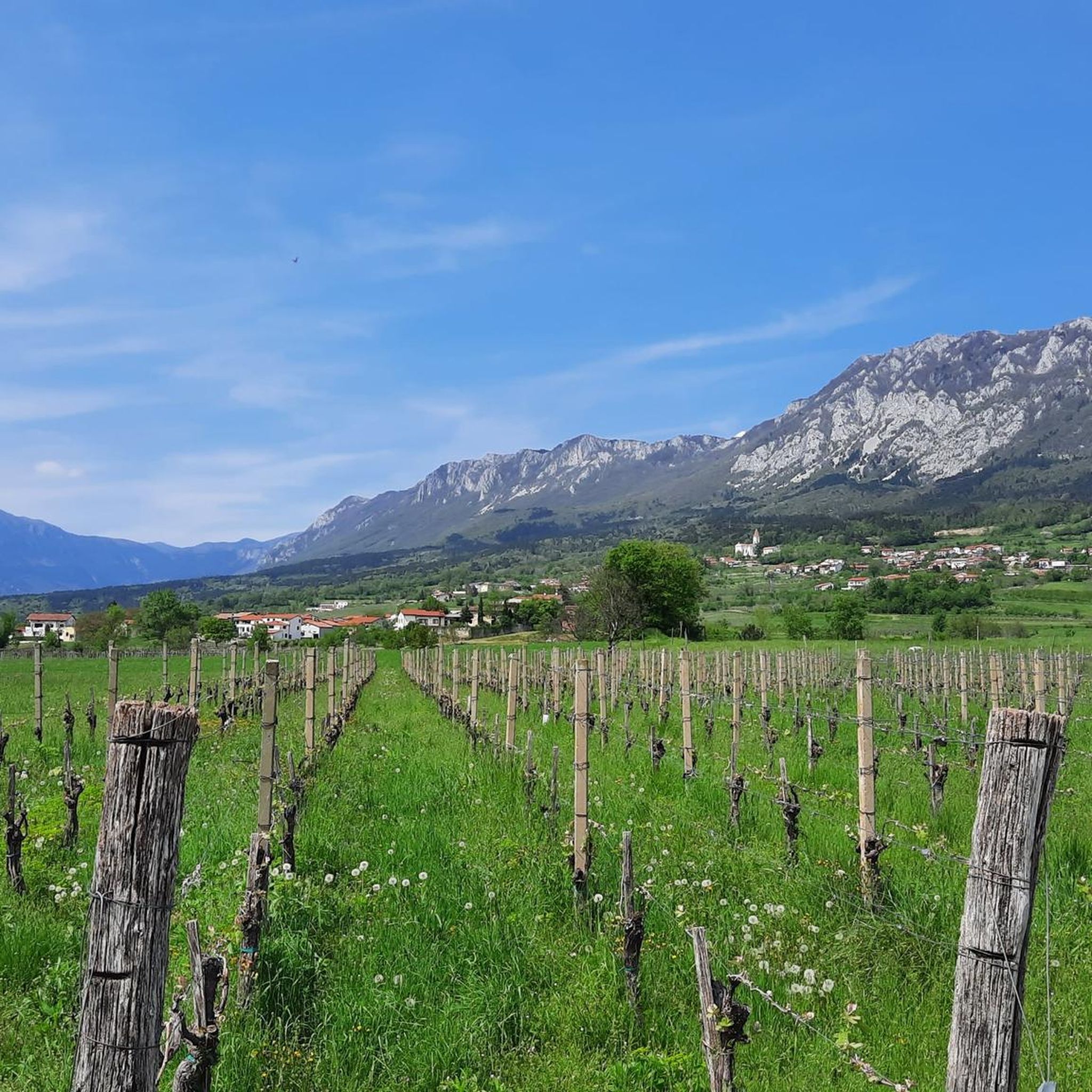
- Another must-see spot is Branica Valley, a cycle way known for its natural beauty and low traffic. The road runs along the Branica watercourse through orchards, vineyards, and fields.
- Visitors also love Sources of the Vipava River, where the Vipava River springs in several places directly from the mountain, forming a source delta. The area features many small bridges.
- Vipava is known for its historical sites, natural features, and vineyards. The region offers a variety of attractions to see and explore, from ancient castles to unique river sources and scenic trails.
- The attractions around Vipava are appreciated by the komoot community, with over 60 upvotes and 40 photos shared.
Last updated: October 4, 2026
Church of St Jerome
Highlight • Religious Site
The story of its origin is an interesting one. It’s said that a hermit named Hieronima lived in a hut on the windswept Nanos massif. The local people would bring him food and other necessities and, in gratitude to them, he'd light a bonfire on Nanos to warn them whenever a storm was approaching. The people thanked him in turn by erecting this very church, so the story goes…
Tip by

Branica Valley
Highlight (Segment) • Cycleway
Translated by Google •
Tip by

Sign up now to discover places like this
Get recommendations on the best single tracks, peaks, & plenty of other exciting outdoor places.
Historic Village of Goče
Highlight • Settlement
Translated by Google •
Tip by

Gradiška Tura Via Ferrata
Highlight (Segment) • Climb
For small children and inexperienced the via ferrata is rather not suitable.
Translated by Google •
Tip by

Nanos Ridge Descent
Highlight (Segment) • Trail
Translated by Google •
Tip by

Vrhpolje Road Climb
Highlight (Segment) • Climb
Tip by

Abram Mountain Hut
Highlight • Mountain Hut
Translated by Google •
Tip by

Statue of Emperor Theodosius at Vrhpolje
Highlight • Monument
Translated by Google •
Tip by

Panoramic Road Between Veliko Polje and Štiak
Highlight (Segment) • Trail
Tip by

Vipava Old Town Centre
Highlight • Settlement
Tip by
Sign up for free to discover even more attractions around Vipava.
Already have an account?
Start today with a free account
Your next adventure awaits.

Other adventures around Vipava

Tips from the Community

Unfortunately, the hut was closed.
0
0
For us, it was the descent to Vrhoplje
0
0

Plenty of shady spots to take a break. The church is closed.
0
0

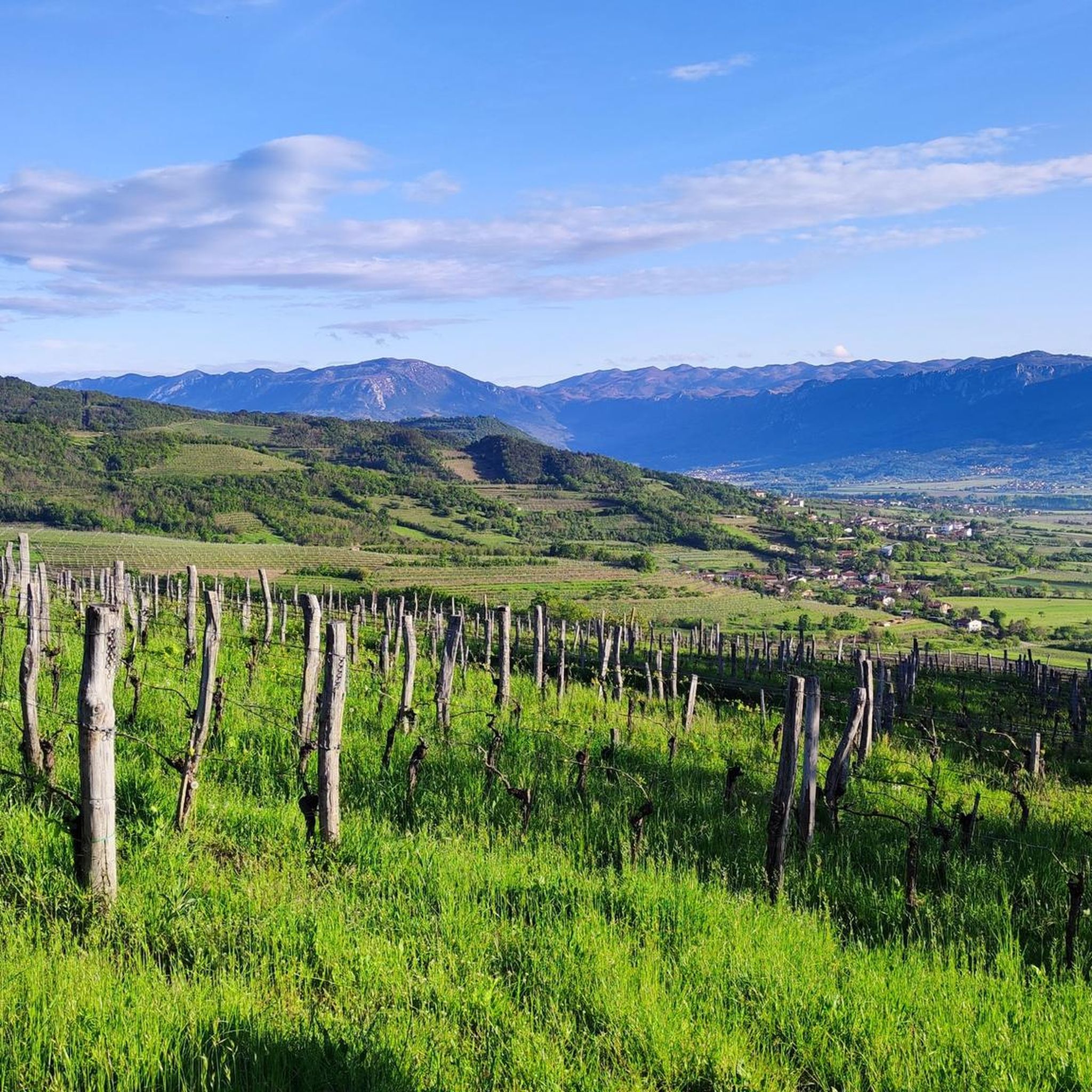
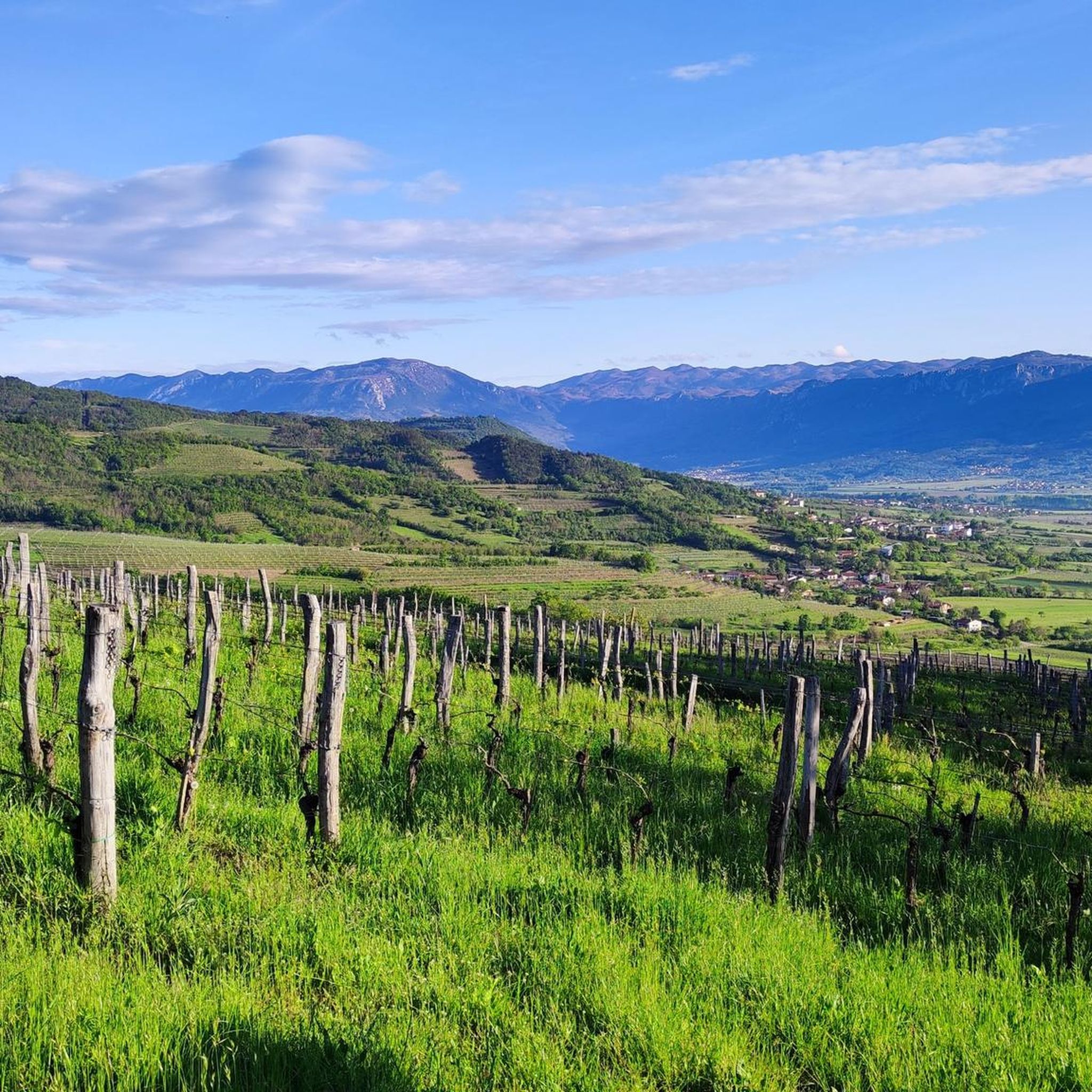
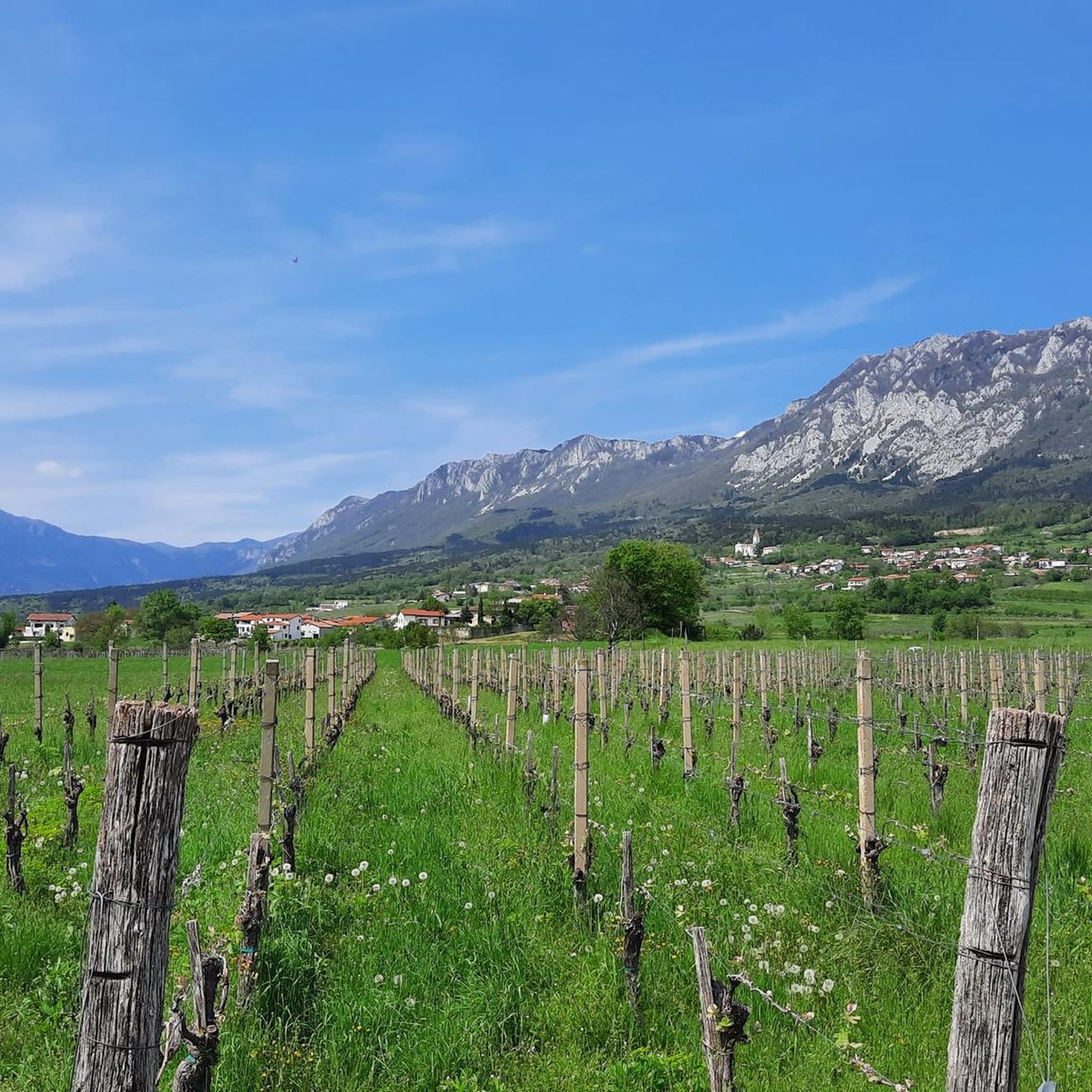
Of medieval origin, it is one of the most beautiful, fascinating and best preserved villages in the Vipava Valley. The local stone is the element that deeply characterizes its architecture, so much so that the village is considered Slovenian cultural heritage. The narrow streets, sometimes less than a meter wide, called “gase”, form the cross of St. Andrew, patron saint of the parish of Goče. Worthy of note are the stone portals leading to the courtyards of the houses built in Karst style, dating back to the 17th and 18th centuries, the magnificent portal of the Church of St. Andrew and the wonderful entrance to the cemetery. Inside the village there are 4 altars with high reliefs, from the late 17th century, called “pili”. They represent the key stations of Christ's passion and serve as stations during the procession on the feast of Corpus Christi. The fifth station is represented by the chapel of the Holy Sepulchre, from 1687, located near the cemetery. Goče is also a true museum of viticulture, famous for its ancient underground cellars that testify to the long winemaking tradition of the area. The cellars, dug directly into the limestone rock, represent the architectural treasure of the village. What is extraordinary is their number; in fact, towards the end of the 19th century it was said that there were more cellars than domestic buildings. Currently there are more than 60 of them and some, very old, do not have electric lighting.
0
0

Cerkev Sveta Hieronima, the church of St Jerome, is improbably situated at 3,340 feet (1,018 m) on the slopes of Nanos and is visible from many miles around. The story of its origin is an interesting one. It’s said that a hermit named Hieronima lived in a hut on the windswept Nanos massif. The local people would bring him food and other necessities and, in gratitude to them, he'd light a bonfire on Nanos to warn them whenever a storm was approaching. The people thanked him in turn by erecting this very church, so the story goes…
0
0

Beautiful places. Ancient village. Perfect forest roads.
0
0

Beautiful excursion with different ascent possibilities for all tastes.
1
0

Lie down on the nearby benches in the shade on a hot day, a beautiful view, a refuge not far away. Highly recommended to come up here or stop here by climbing to the top of Nanos. To go up to the refuge you can take the path or reconnect to the dirt road that leads up to it, a longer but quieter choice.
1
0
Frequently Asked Questions
What natural features can I explore in the Vipava Valley?
The Vipava Valley is rich in natural beauty. You can visit the unique Sources of the Vipava River, where the river emerges from the mountain in a delta-like formation with many small bridges. The prominent Mount Nanos plateau offers panoramic views and is a popular area for outdoor activities. Don't miss the Church of St Jerome, improbably situated on its slopes. Another natural wonder is the Otlica Natural Window, a karst bridge with stunning valley views.
What historical and cultural sites are worth visiting in Vipava?
Vipava and its surroundings boast a rich history. Explore the Baroque Lanthieri Mansion, which houses the Winemaking Museum Vipava. The ruins of the 12th-century Old Castle (Stari Grad) offer a glimpse into the region's past. The Gothic Church of St. Stephen is an important art-historical monument. Nearby, the charming, walled medieval town of Vipavski Križ and the Historic Village of Goče, known for its ancient underground cellars, are also significant cultural heritage sites.
Are there opportunities for hiking in the Vipava Valley?
Yes, the Vipava Valley is excellent for hiking. Mount Nanos is a popular destination, offering various trails and panoramic views. You can find numerous hiking routes, including challenging options like the Nanos Ridge Traverse. For more detailed routes, you can explore the Running Trails around Vipava guide, which includes several moderate to difficult options.
What cycling routes are available in the Vipava Valley?
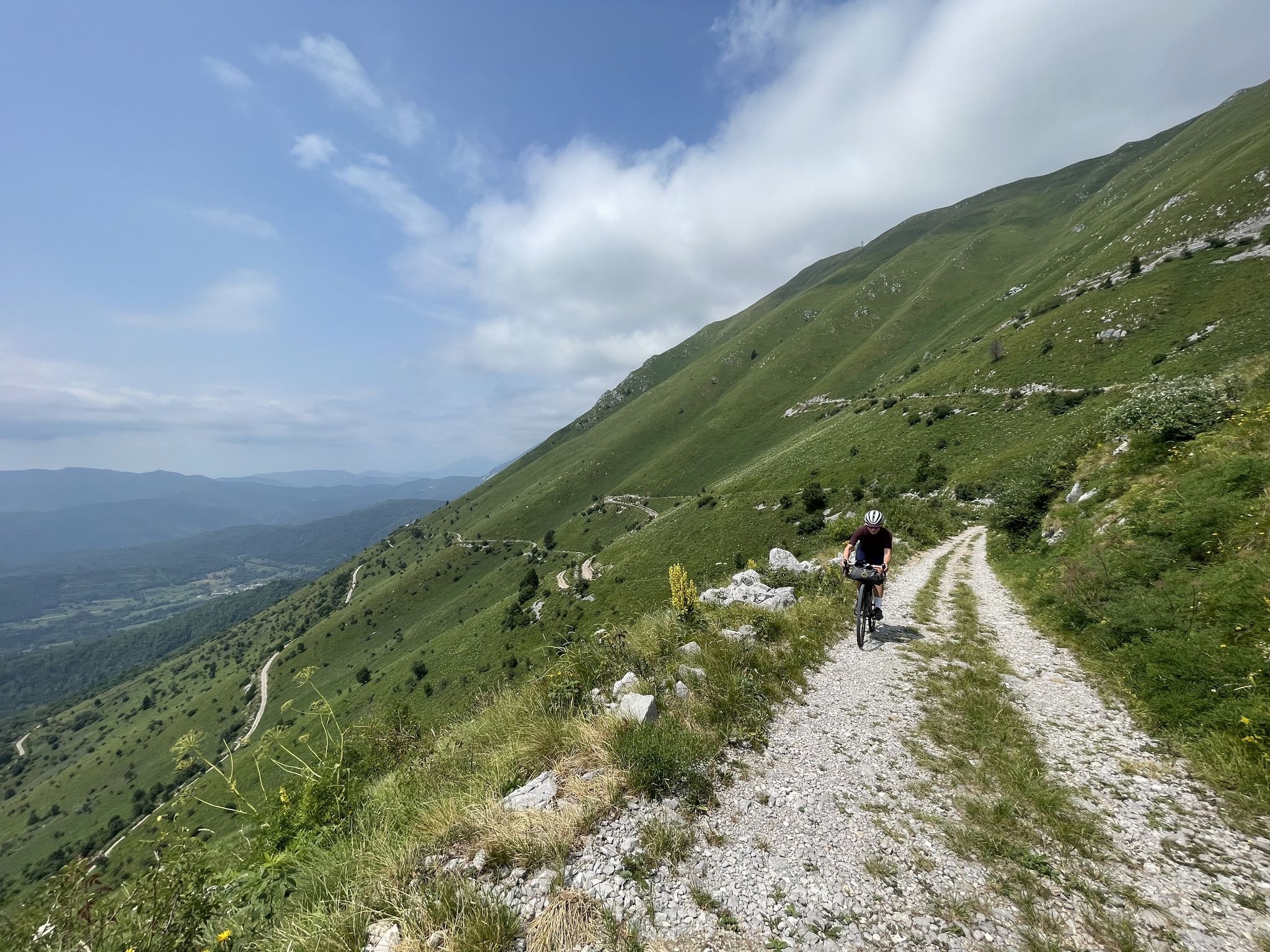
The Vipava Valley is ideal for cycling, with many trails winding through vineyards and orchards. The Branica Valley offers a scenic cycle way with beautiful nature and very little traffic. For mountain biking enthusiasts, the MTB Trails around Vipava guide provides options ranging from moderate to difficult, including routes with views of Goče vineyards. Gravel biking is also popular, with several routes available in the Gravel biking around Vipava guide.
Are there any family-friendly attractions in Vipava?
Many attractions in Vipava are suitable for families. The Sources of the Vipava River offer an easy and picturesque walk with many small bridges, often compared to Venice. The Statue of Emperor Theodosius at Vrhpolje is another accessible historical site. Exploring the charming streets of Vipavski Križ or the village of Goče can also be an enjoyable experience for all ages.
When is the best time to visit Vipava for outdoor activities?
The Vipava Valley enjoys a unique climate, making it appealing for outdoor activities for much of the year. Spring and autumn are particularly pleasant for hiking and cycling, with milder temperatures and beautiful scenery as vineyards change color. Summers are warm and sunny, ideal for exploring the natural springs and river areas. While winters can be colder, some activities are still possible, especially on clearer days.
Can I find challenging climbs or via ferratas in the area?
Yes, for those seeking more challenging adventures, the Vipava Valley offers options. The Gradiška Tura Via Ferrata is a must for via ferrata enthusiasts, providing beautiful views of the surrounding mountains. Additionally, the Vrhpolje Road Climb presents a difficult ascent with many hairpins and scenic points through the forest.
What are some unique historical landmarks related to battles in the Vipava Valley?
The Vipava Valley has a rich military history. The Zemono Manor House, besides being a beautiful late Renaissance building, features a park with memorial plaques detailing the 394 Battle of the Frigidus. Additionally, the town of Ajdovščina boasts well-preserved Roman fortifications with 14 towers, showcasing the region's ancient strategic importance.
Are there places to eat or drink near the attractions?
Yes, the Vipava Valley is known for its culinary delights and wine. The Zemono Manor House now houses a renowned restaurant. In Vipava town, the Enoteca Vipava offers over 170 types of wine from the valley. Many villages, like Goče, are living museums of viticulture with ancient cellars. You can also find mountain huts like Abram Mountain Hut, which often include restaurants, providing refreshments during your outdoor adventures.
What makes the Vipava River unique?
The Vipava River is unique in Europe for its delta-shaped source, formed by nine main springs emerging directly from the mountain. The town of Vipava itself is criss-crossed with numerous riverbeds and bridges, earning it the nickname 'Slovenian Venice.' The most famous spring, Podskala, is located near the town center and is a popular spot to visit.
What is Vipavski Križ and why should I visit it?
Vipavski Križ is a charming, walled medieval town in the Vipava Valley, considered one of Slovenia's most impressive cultural heritage monuments. It features narrow, parallel streets, historic churches, and a Capuchin monastery with a well-stocked library. Its preserved medieval character offers a unique glimpse into the region's past and is a delightful place to explore on foot.
Are there any viewpoints offering panoramic vistas of the Vipava Valley?
Absolutely. Mount Nanos, with the Church of St Jerome on its slopes, provides extensive panoramic views of the valley. The Otlica Natural Window, a natural karst bridge, also offers stunning vistas. For cyclists, the Panoramic Road Between Veliko Polje and Štiak is known for its scenic outlooks, and the Gradiška Tura Via Ferrata also boasts beautiful views.
Most popular routes around Vipava
Most popular attractions around Vipava

Get inspired with the komoot mobile app


Explore more
Still not found the Highlight you’re looking for? See guides of the top attractions in other regions:
