Attractions and Places To See around okres Dunajská Streda - Top 20
Attractions and places to see around okres Dunajská Streda are found in southwestern Slovakia, a region known for its location on Žitný ostrov, a significant river island. The area features a mix of historical landmarks, natural landscapes, and thermal waters. Visitors can explore engineering marvels, serene riverine environments, and cultural sites. This district offers diverse points of interest for those seeking outdoor activities and local history.
Best attractions and places to see around okres Dunajská Streda
- The most popular attractions is Gabčíkovo Dam, a man-made monument that is a significant engineering marvel. This colossal dam on the Danube River features a ship lift and plays a crucial role in Slovakia's energy supply.
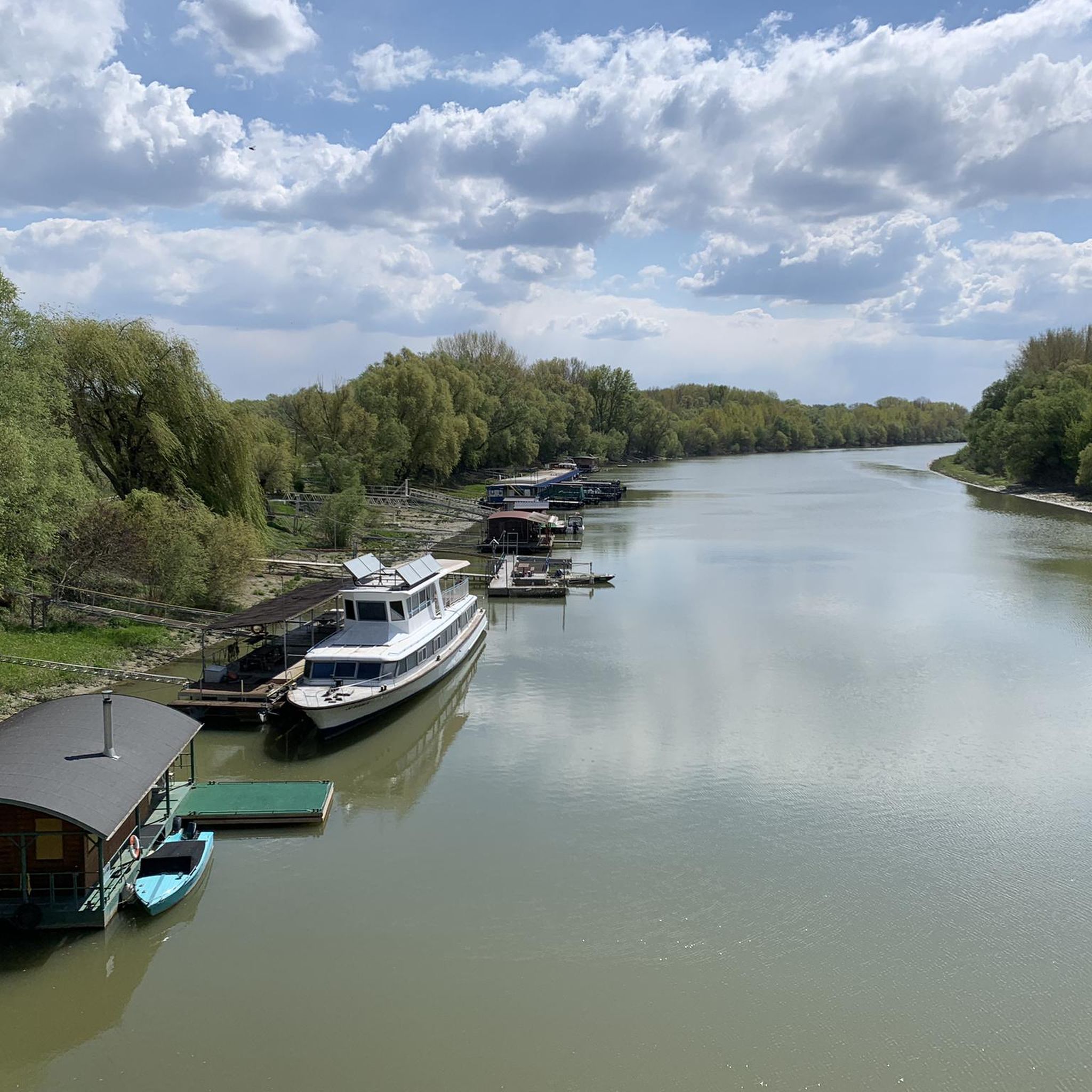
- Another must-see spot is Danube Riverside Road, a cycle way. This long, fenced-off curve follows the bend of the Blue River, offering views along the Danube.
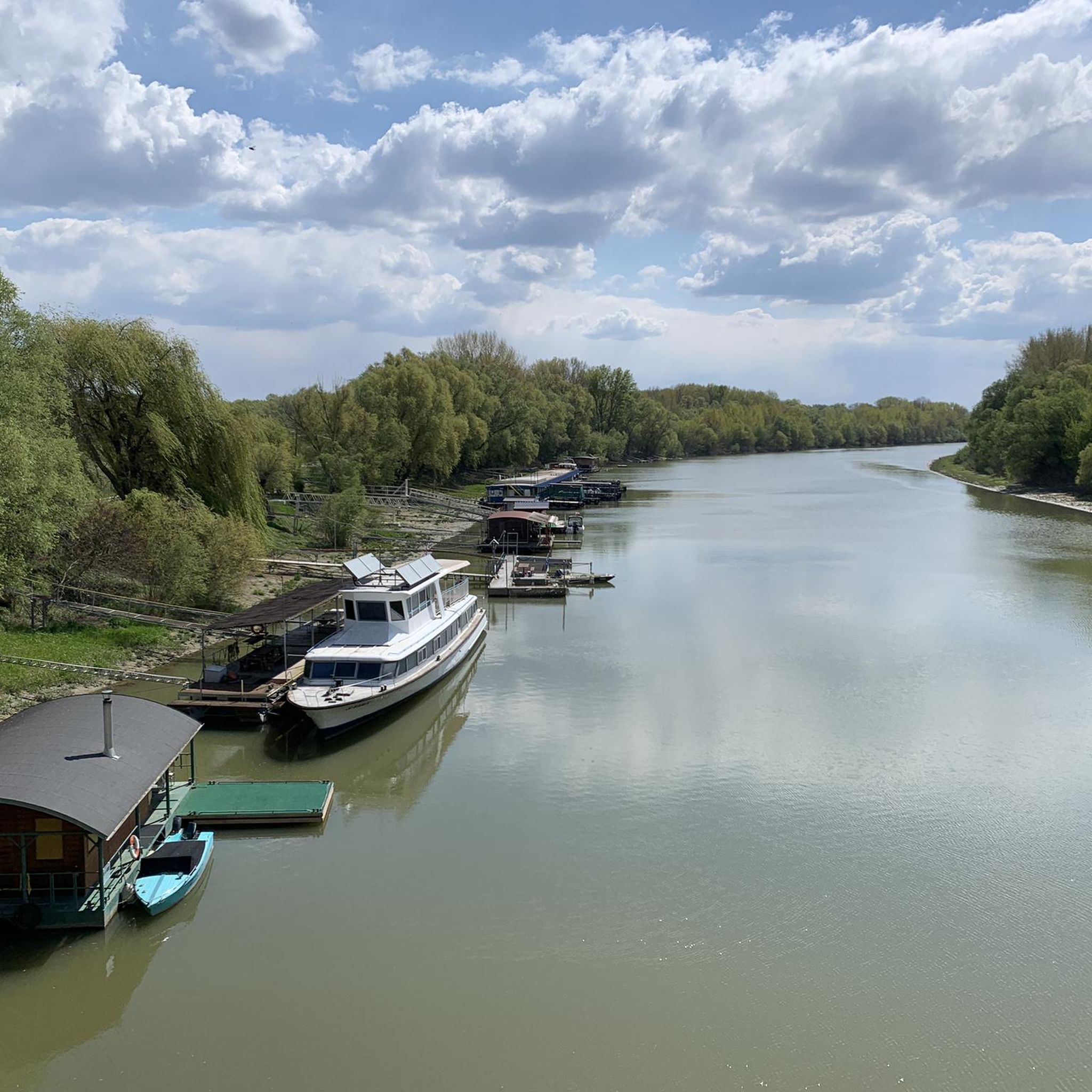
- Visitors also love Impounded Danube, a river section. The Gabčíkovo power plant dams the Danube over a considerable length, and many water birds can be observed here.
- okres Dunajská Streda is known for its engineering marvels, natural river landscapes, and historical sites. The region offers a variety of attractions to see and explore, from significant dams to tranquil riverside paths.
- The attractions around okres Dunajská Streda are appreciated by the komoot community, with 48 upvotes and 15 photos shared by visitors.
Last updated: July 15, 2026
Gabčíkovo Dam
Highlight • Monument
Translated by Google •
Tip by

Gabčíkovo Reservoir
Highlight • Lake
As early as 1947 Stalin wanted to make the shallow alluvial plain between Győr and Bratislava navigable all year round. A canal was intended to enable Soviet warships to reach the borders of what was then the Eastern Bloc. In the 1950s, the first plans were drawn up but never realised.
After major floods in the area in the 1950s and 1960s, particularly in 1954 and 1965, Hungary and Czechoslovakia signed an agreement on September 16, 1977 to build the Gabčíkovo–Nagymaros barrage system, the so-called “Budapest Agreement”. A large power plant was planned in Gabčíkovo, shortly before that an approximately 60 km² Dunakiliti-Hrušov reservoir and a second smaller one around 120 km downstream in the Hungarian city of Nagymaros (as an equalizing reservoir) on the Danube bend. This would have required 200 km of canalization or diking of the Danube. The construction costs should be borne equally by both states. Since the majority of the objects to be built were located on Czechoslovak territory, Hungary undertook to build Czechoslovak objects named in the agreement at its own expense. The electrical energy generated should also be shared equally.[1] According to the original agreement, the works were to be fully completed by 1991, with full commissioning of the Gabčíkovo power plant expected in 1989 and the Nagymaros power plant a year later.
As early as 1981, the Hungarian government wanted to suspend the project for financial reasons, and in 1983 Czechoslovakia and Hungary agreed to extend the work by four years. In 1984, Hungarian environmentalists (Duna Kör) reinforced their ecological concerns about this mammoth project with a signature campaign. Concerns about drinking water and the existence of the riparian forests in particular played a major role. After the end of the Kádár government in 1988, the new government stopped all work in Hungary in May 1989 without giving a reason after a scientific study of the ecological consequences of the project, after only three months earlier it had signed a protocol to accelerate construction. By that time, 85 to 90 percent of the work on the Czechoslovak side had already been completed. On October 31, the Hungarian Parliament decided to halt work on the Nagymaros power plant and gave the government powers to negotiate an amendment to the 1977 Budapest Agreement.
In 1993 both countries agreed to appeal to the International Court of Justice in The Hague. On September 25, 1997, the Court ruled that both countries had breached their legal obligations, Hungary in almost every point of the treaty. Czechoslovakia (later Slovakia) had the right to complete the construction but not to put it into operation. The original contract continues to apply and both countries should negotiate a new, more environmentally friendly solution. In its decision, the ICJ held that the agreement concluded between Hungary and Czechoslovakia was a treaty with territorial ties. For such a treaty, it follows from customary international law that a successor state must take over the treaties of the territorial predecessor. Slovakia is therefore bound by the former treaty between Czechoslovakia and Hungary. To settle the dispute, representatives of both governments agreed on a framework agreement in March 1998. To date, no real agreement has been reached, which has strained relations between Hungary and Slovakia for years.[7] In June 2017, a representative of the Slovak government sent an application to the ICJ to end the proceedings, which had been ongoing since 1998, for an additional decision. The Hungarian side stated in July 2017 that they did not oppose the Slovak request.
Translated by Google •
Tip by

Sign up now to discover places like this
Get recommendations on the best single tracks, peaks, & plenty of other exciting outdoor places.
Sign up for free
Sap
Highlight • Settlement
The place belonged to the Kingdom of Hungary until 1918 and then became part of the newly formed Czechoslovakia. Due to the First Vienna Arbitration Award, the community briefly returned to Hungary from 1938 to 1945.
In 1948 the municipality was renamed Palkovičovo in honor of the Slovak poet Juraj Palkovič.
The inhabitants are almost exclusively Hungarians (98%). They live primarily from agriculture and fishing.
There is a classicist-style church from the 18th century in the village. To the west of the town, along the Danube, the Gabčíkovo power plant ends (Wikipedia).
Translated by Google •
Tip by

Gabcikovo Hydroelectric Power Plant
Highlight • Structure
Translated by Google •
Tip by
Danube Riverside Road
Highlight • Cycleway
Translated by Google •
Tip by

Impounded Danube
Highlight • River
Translated by Google •
Tip by
Gabčíkovo Cycling Signpost
Highlight • Cycleway
Showing Translation
Tip by

Retro Buffet
Highlight • Cafe
Tip by

Rustic Restaurant Near Malý Dvorník
Highlight • Restaurant
Translated by Google •
Tip by

Danube Dyke in Dunajské luhy Protected Landscape Area
Highlight (Segment) • Cycleway
Tip by

Sign up for free to discover even more attractions around okres Dunajská Streda.
Sign up for free
Already have an account?
Start today with a free account
Your next adventure awaits.
Login or Signup
Tips from the Community


The Gabčíkovo Reservoir (Slovak: Vodné dielo Gabčíkovo) is a colossal hydraulic engineering project on the Danube, which is much more than just a simple lake. It is the scene of one of the longest legal disputes in European history and a technical heavyweight.
0
0

Open pub with campsite. The owner lives in the adjacent building.
0
0
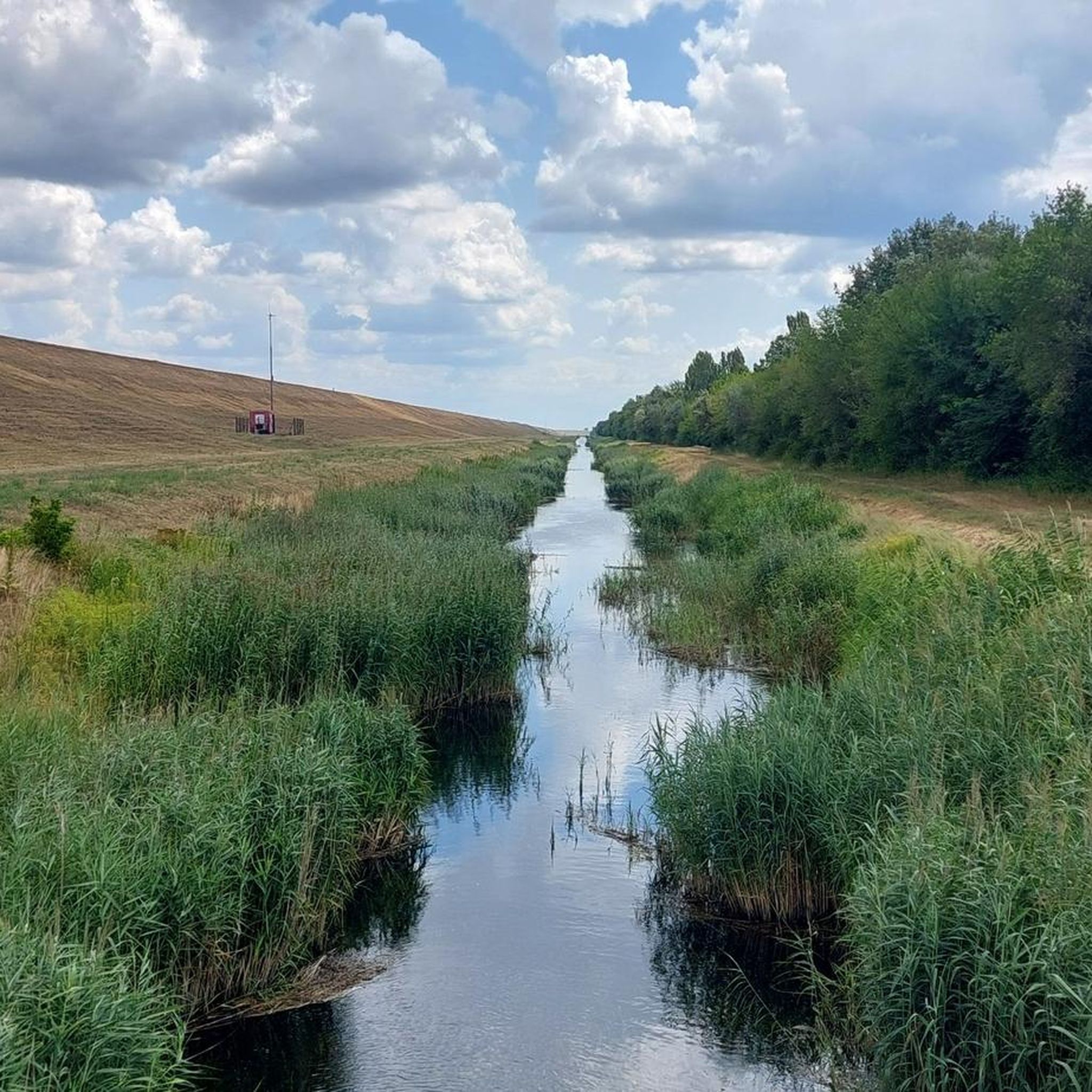
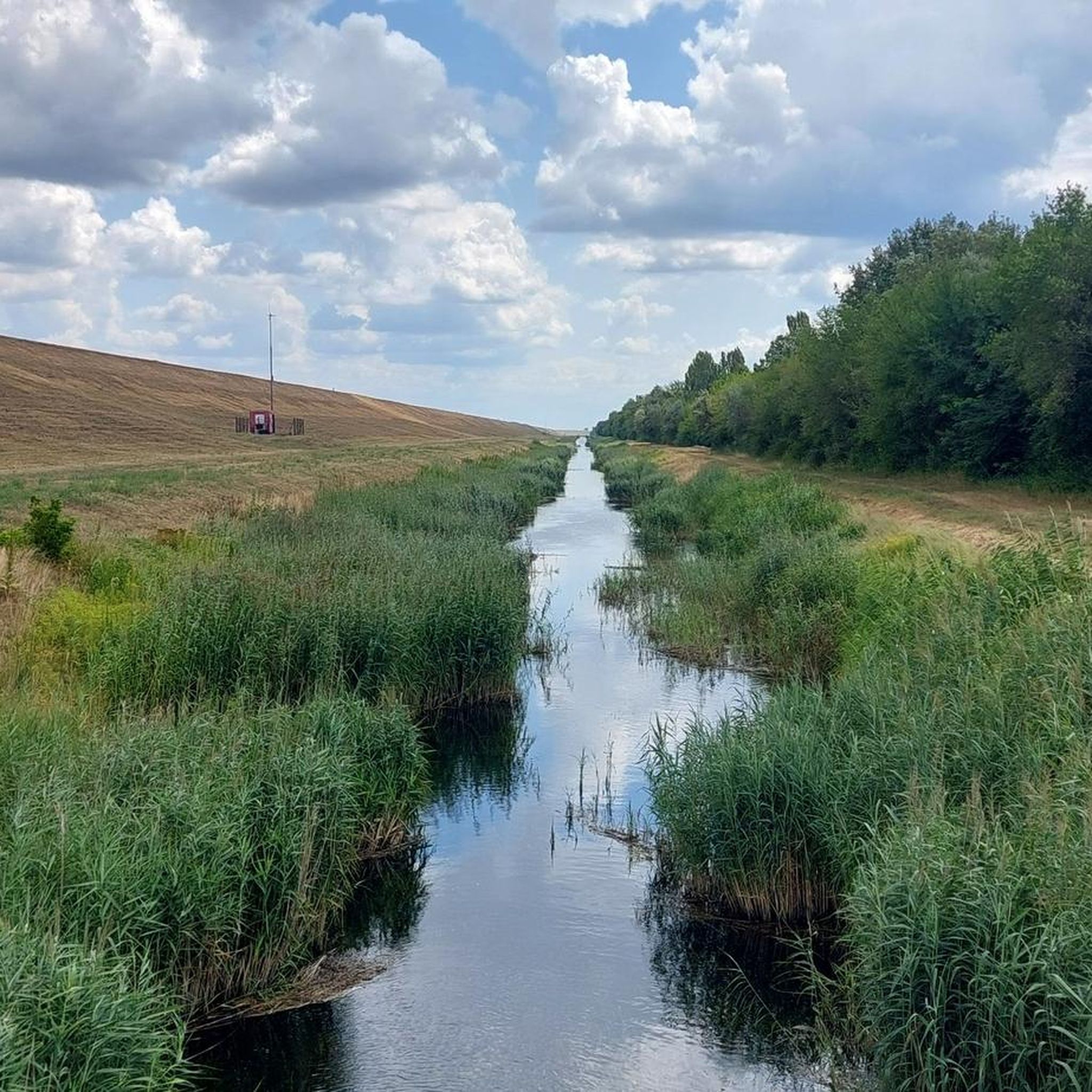
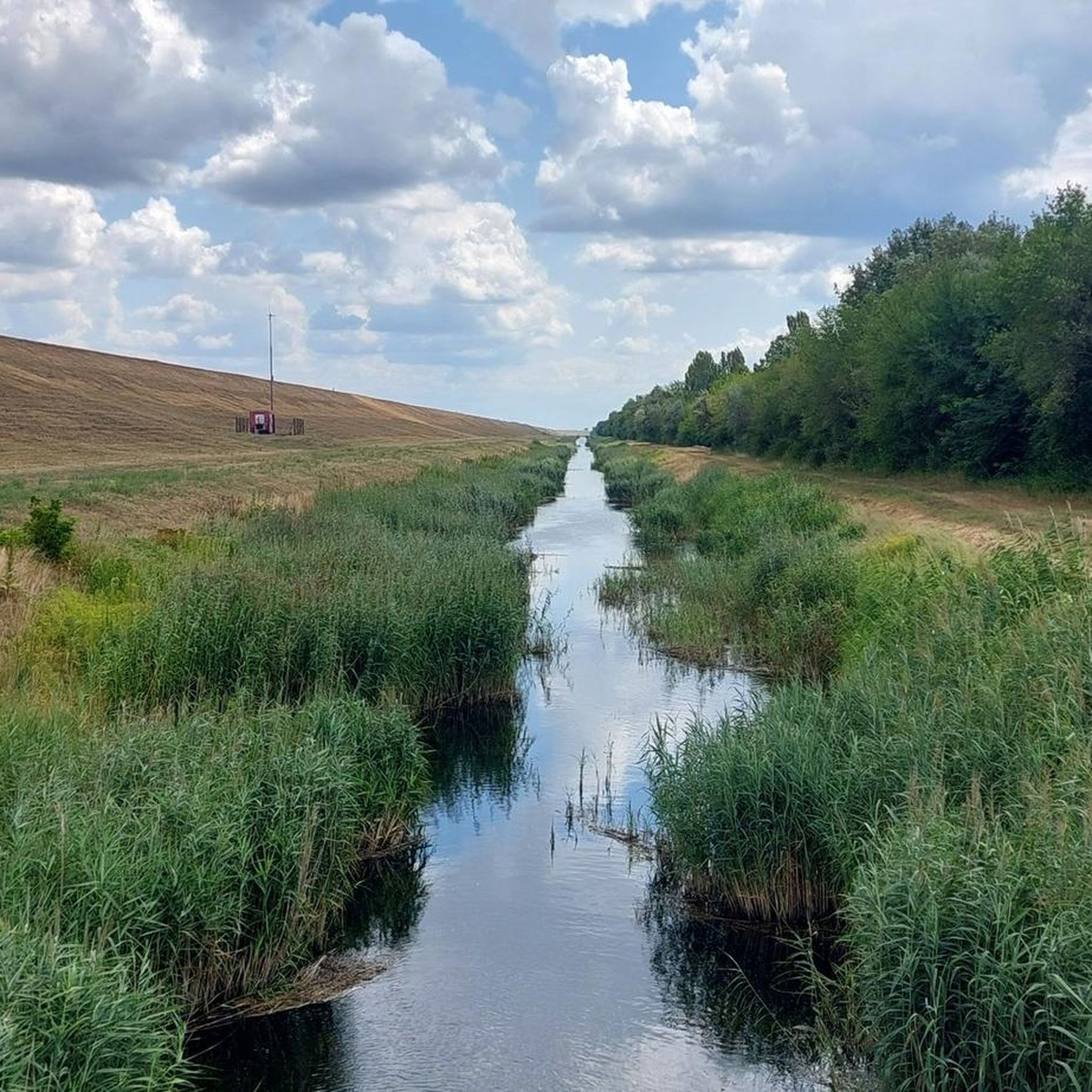
At Baka, the Danube no longer flows in its natural bed, but is led through a supply channel that lies several meters above ground level.
0
0
The Gabčíkovo cycle path sign (in the context of the Slovak Danube Cycle Path) primarily provides details about the route and specific local conditions. The town of Gabčíkovo is a central hub for cycle tourists traveling on the EuroVelo 6 (the "River Route").
0
0
Čilistov (a district of Šamorín) is a strategically important and scenic point on the Danube Cycle Path (EuroVelo 6) in Slovakia. It is located about 25 kilometers southeast of Bratislava. The path mostly runs on the dikes. It is asphalted, flat, and extremely clear.
0
0
The Gabčíkovo Hydroelectric Power Plant is an impressive, albeit historically controversial, mammoth project on the Danube. It is located in Slovakia, about 40 kilometers downstream from Bratislava. With an installed capacity of 720 MW, it is the largest hydroelectric power plant in Slovakia and covers a considerable part of the national electricity demand.
0
0

Very good family owned place for a quick stop for refreshments and food next to the cycling route.
1
0
Frequently Asked Questions
What unique engineering marvels can I visit in okres Dunajská Streda?
The most prominent engineering marvel is the Gabčíkovo Dam, a colossal structure on the Danube River featuring a ship lift. It plays a significant role in Slovakia's energy supply. You can also see the Gabcikovo Hydroelectric Power Plant nearby.
What natural attractions are there to explore in the region?
The region offers several natural highlights. You can explore the Danube Dyke in Dunajské Luhy Protected Landscape Area, which provides about 60 kilometers of pathways along the Danube. Other notable natural features include the Klátovské Rameno Nature Reserve, known for its clear water, and the Dunajské Luhy Nature Reserve, important for aquatic birds. Šulianske Lake also offers opportunities for relaxation.
Are there any historical or cultural sites worth visiting?
Yes, the region is rich in history and culture. The Yellow Castle (Žltý kaštieľ) in Dunajská Streda, originally built in 1753, now houses the Csallóköz Museum. You can also visit the Roman Catholic Church of St. George, founded in 1010, and the Evangelical Church. Several historical water mills, such as the Water Mill in Dunajský Klátov and the Water Mill of Tomášikovo, offer a glimpse into the past.
What are some popular activities for families in okres Dunajská Streda?
Families can enjoy a variety of attractions. Thermalpark Dunajská Streda is a popular resort with healing thermal waters and pools. Malkia Park, a zoo near Orechová Potôň, focuses on preserving circus animals. For a unique experience, Czajlik Ranch in Dunajský Klátov offers horse riding lessons and hippotherapy.
What kind of outdoor activities and routes are available?
The region is excellent for outdoor activities, especially cycling. You can find numerous routes along the Danube, such as the Danube Dyke in Dunajské Luhy Protected Landscape Area and the Danube Riverside Road. For more structured activities, explore cycling routes in the area by visiting the Cycling around okres Dunajská Streda guide. There are also options for running and mountain biking, detailed in the Running Trails around okres Dunajská Streda and MTB Trails around okres Dunajská Streda guides.
Where can I experience the Danube River up close?
You can experience the Danube River in several ways. The Impounded Danube near the Gabčíkovo power plant offers views of the river where many water birds can be observed. The Danube Riverside Road provides a long, scenic cycle path directly along the river. You can also cross the river using the Vojka / Kyselica Ferry.
Are there any thermal spas or wellness centers in the area?
Yes, the region is known for its thermal waters. Thermalpark Dunajská Streda is a popular recreational resort offering healing thermal waters and numerous pools. Another option is Thermal Corvinus Veľký Meder, which provides indoor and outdoor swimming pools with beneficial geothermal water and various recreational facilities.
Are there any unique historical water mills to see?
Absolutely. The region features several historical water mills. The Water Mill in Dunajský Klátov is a unique cultural and technical monument, distinct for its location on an arm of the Little Danube and its brick structure. Another restored water mill and open-air museum can be found in Jelka, and the Water Mill of Tomášikovo is also a notable site.
What are the options for motorsports enthusiasts?
Motorsports enthusiasts can visit the Slovakia Ring in Orechová Potôň. This major motorsports complex offers a go-kart center and various adrenaline activities, providing an exciting experience for visitors.
Are there any museums in the area?
Yes, the Csallóköz Museum (Museum of the Rye Island) is housed in the Yellow Castle in Dunajská Streda, featuring ethnographic and archaeological expositions. Additionally, the Military Museum at Slovakia Ring in Orechová Potôň offers insights into military history.
What do visitors enjoy most about the attractions in okres Dunajská Streda?
Visitors frequently appreciate the impressive scale of the Gabčíkovo Dam, often noting its gigantic nature and the opportunity to see ships pass through its locks. The well-developed cycle paths, such as the Danube Riverside Road, are also highly praised for their smooth surfaces, though some advise preparing for potential headwinds due to the open landscape. The opportunity to observe water birds along the Impounded Danube is also a highlight for many.
Is there a good time of year to visit for nature walks?
The region's natural features, such as the Danube Dyke in Dunajské Luhy Protected Landscape Area and the various nature reserves, are generally enjoyable during spring and autumn when the weather is mild and the scenery is vibrant. These seasons offer comfortable temperatures for exploring the riverine landscapes and observing local flora and fauna.
Most popular routes around okres Dunajská Streda

Get inspired with the komoot mobile app


Didn’t find what you were looking for?
Are you keen on exploring more awesome places nearby? Browse our guides:
Explore more
Still not found the Highlight you’re looking for? See guides of the top attractions in other regions:
