Attractions and Places To See around São Martinho De Mouros - Top 20
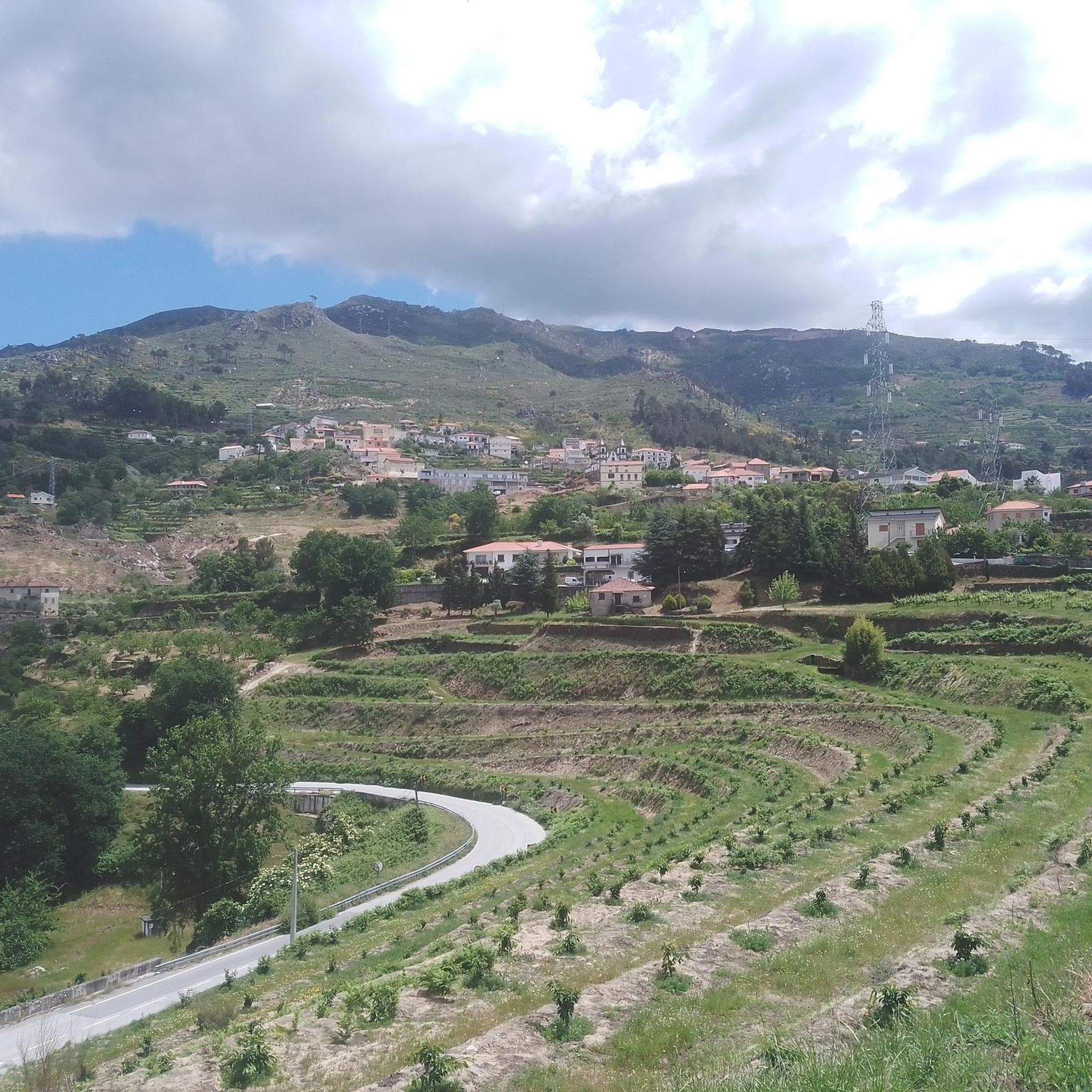
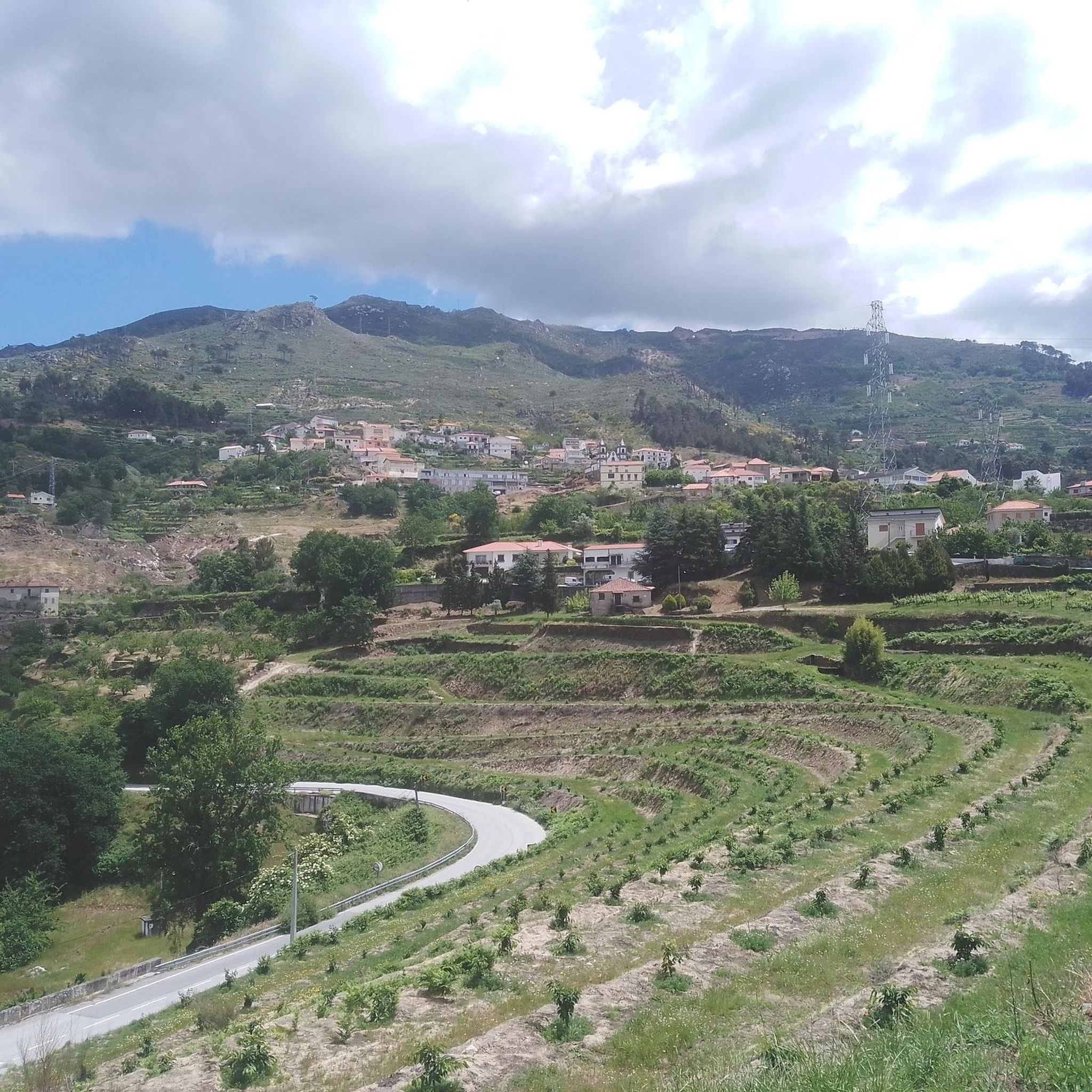
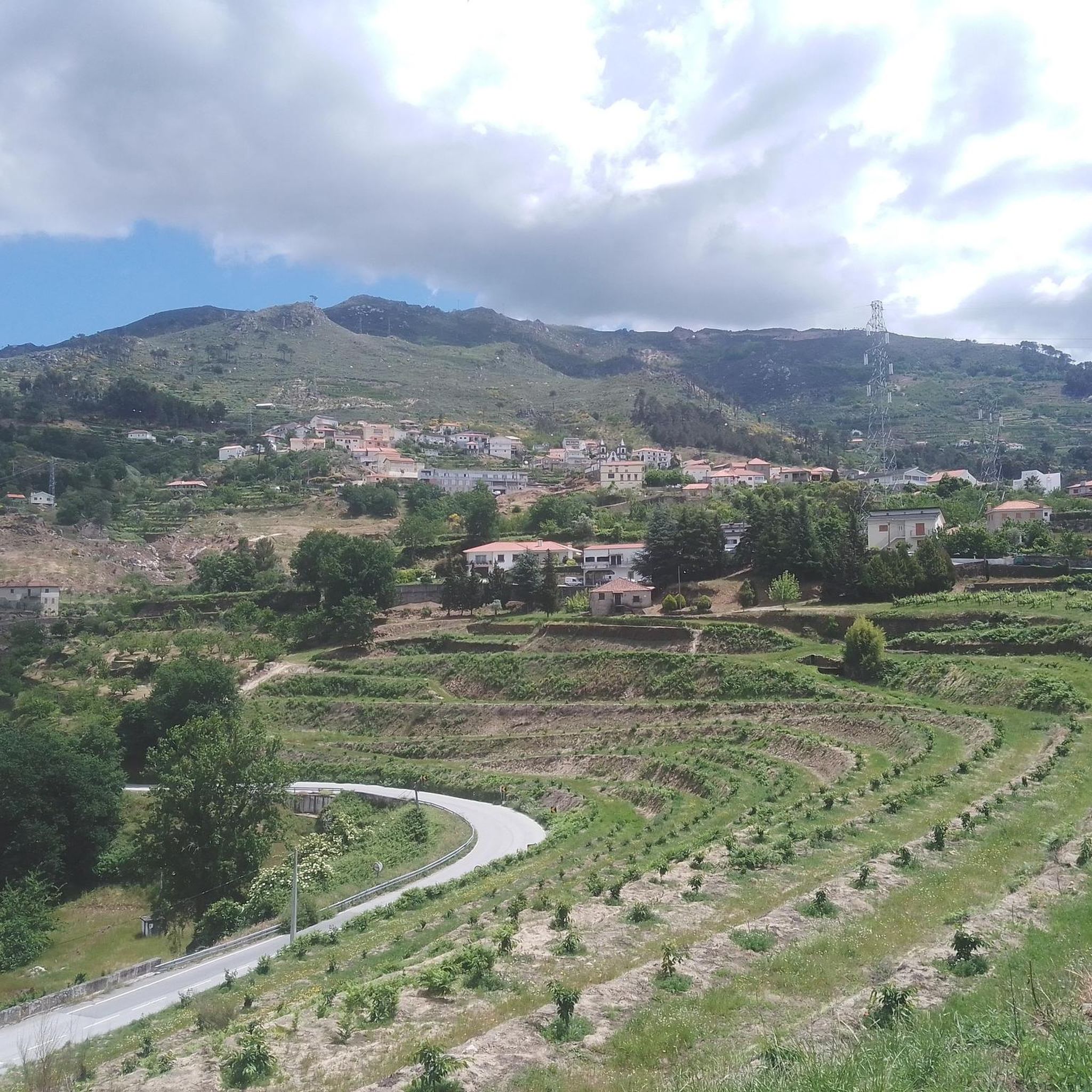
Best attractions and places to see around São Martinho De Mouros include historical sites, viewpoints, and natural landscapes within the Douro Valley. This region in Resende, Portugal, offers a blend of history and natural beauty. Visitors can explore ancient structures, enjoy river views, and find numerous trails for outdoor activities. The area is characterized by its terraced vineyards, the River Bestança, and the rugged terrain of the Serra das Meadas.
Best attractions and places to see around São Martinho De Mouros
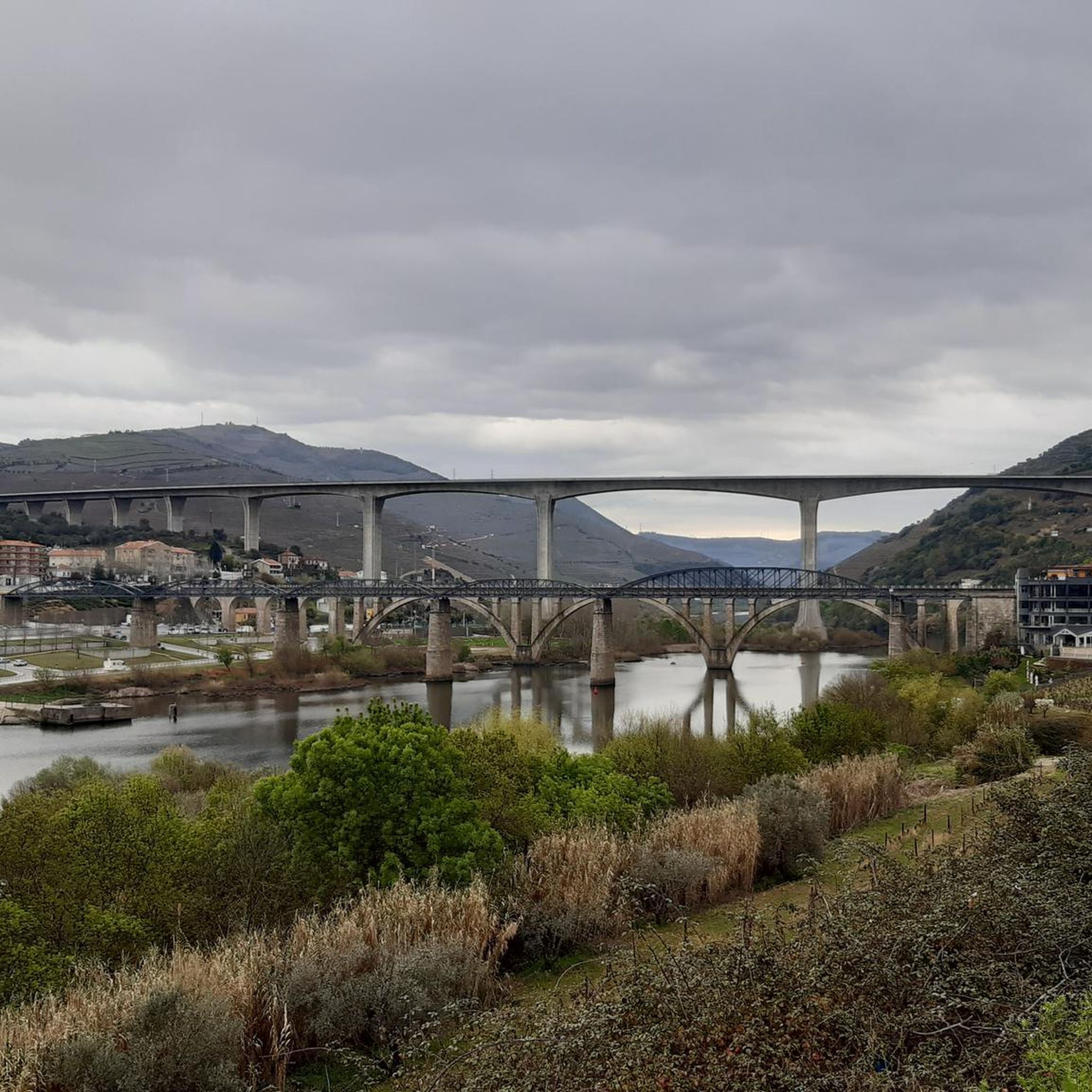
- The most popular attractions is Régua Pedestrian Bridge, a bridge that offers views of the Douro River and other bridges. It provides a safe way to cross the Douro.
- Another must-see spot is Régua and the Douro River, a river and settlement known for its connection to port wine cultivation. Visitors can experience the landscape where boat trips on the river often begin or end.
- Visitors also love Lamego Castle, a historical castle. From its location, it offers panoramic views of Lamego and the surrounding landscape.
- São Martinho De Mouros is known for its historical sites, river landscapes, and viewpoints. The area provides a variety of attractions to see and explore, from ancient castles to pedestrian bridges over the Douro.
- The attractions around São Martinho De Mouros are appreciated by the komoot community, with 24 upvotes and 73 photos shared by visitors.
Last updated: July 15, 2026
Lamego Castle
Highlight • Castle
Translated by Google •
Tip by

Douro River cruise dock, Peso da Régua
Highlight • Rest Area
Translated by Google •
Tip by

Sign up now to discover places like this
Get recommendations on the best single tracks, peaks, & plenty of other exciting outdoor places.
Sign up for free
Régua Pedestrian Bridge
Highlight • Bridge
Translated by Google •
Tip by
Casa do Douro (House of the Douro)
Highlight • Monument
Translated by Google •
Tip by

Monument to Gago Coutinho and Sacadura Cabral
Highlight • Monument
Translated by Google •
Tip by
Sign up for free to discover even more attractions around São Martinho De Mouros.
Sign up for free
Already have an account?
Start today with a free account
Your next adventure awaits.
Login or Signup
Tips from the Community

This highlight is located in Peso da Régua and NOT in Lisbon. Please don't be confused by the misleading comment below. The same goes for the numerous photos, none of which belong here.
2
0

A worthwhile museum, which scores points despite/or because of its very minimalist presentation of the subject matter. At the end, enjoy a port wine on the terrace of the museum's café.
1
0
The bridge is really well-made. The view from the bridge is beautiful, even though there's still a lot that could be done with the buildings at the end.
2
0

The Casa do Douro was established in 1932 as the Douro Winemakers' Union Federation. Its headquarters, dating from 1944, with its exterior clad in polished granite, was designed by Portuguese architect José Porto. Inside, noteworthy are the stained-glass window by painter Lino António and the grand hall, with three central crystal chandeliers, shaped like clusters and weighing over a ton, as well as the Pombaline marker identified with the number 1. When the Douro region was first demarcated, 331 granite markers were placed. The Pombaline markers (so named because the demarcation was designed by the Marquis of Pombal) are all different and share the word Feitoria (vinho de feitoria, synonymous with better-quality wine) and the year (1758 or 1761). At the time, wines were classified according to their quality and destination. The best wine, known as Vinho de Feitoria, was sent to England; Vinho de Embarque was exported to Brazil; and Vinho de Ramo was sold in Portugal. The stained glass window of the Casa do Douro, by painter Lino António, encapsulates the entire dynamic of the Douro Demarcated Region. It covers an area of 50m2 and forms a triptych. In the center panel, we see three large figures. The central figure represents the Casa do Douro and holds a scroll that reads "... Casa do Douro, decree 21,883, November 1932." This means that the government, through the aforementioned Decree-Law, created the Union Federation of Winegrowers of the Douro Region in November 1932, now known as Casa do Douro.
1
0
The monument to Gago Coutinho and Sacadura Cabral in Lisbon was erected in honor of their joint crossing of the South Atlantic route by air. Coutinho and Cabral were the first to complete this journey. They flew from Lisbon to Rio de Janeiro, Brazil, in 1922. Gago Coutinho's account of the flight, along with other documents, was declared a UNESCO World Heritage Site in 2010. You can see the monument to the two adventurers in the Belém district, just a few meters from Lisbon's landmark, the Torre de Belém. It is a remarkable replica of the aircraft used in the successful Atlantic crossing.
1
2
In honor of the fearless Portuguese aviators, responsible for the first crossing of the South Atlantic, connecting Lisbon to Rio de Janeiro.
3
0
The Casa do Douro was founded in 1932 as a cooperative association of Douro winegrowers. This house, built in 1944, is the original home.
3
0

Castelo de Lamego was constructed during the 12th century and was an important defensive structure during the Middle Ages. The castle underwent various renovations over the centuries, with the addition of Gothic and Manueline elements in the 15th and 16th centuries. Today, the castle is mostly in ruins, but visitors can still see the remaining walls, towers, and gates that once surrounded the fortress. The castle is situated on a hill overlooking the city and offers panoramic views of the surrounding landscape.
2
0
Frequently Asked Questions
What historical sites can I explore in São Martinho de Mouros?
The region offers several significant historical sites. You can visit the Igreja de São Martinho de Mouros, a remarkable example of Portuguese Romanesque architecture dating back to the 12th and 13th centuries. Also, explore the Pelourinho de São Martinho de Mouros, a historical pillory symbolizing municipal autonomy. Further afield, the Lamego Castle offers a glimpse into medieval defensive structures and panoramic views. For a deeper dive into the region's wine heritage, the Casa do Douro, established in 1932, is a notable historical building.
Are there any ancient archaeological sites nearby?
Yes, the Castro da Mogueira (Mogueira Hillfort) is an important archaeological site near São Martinho de Mouros. It reveals a long history of occupation, with vestiges from pre-Celtic, Celtic, and Roman periods, including ancient habitations, defensive walls, and rock-cut tombs.
What natural features define the landscape around São Martinho de Mouros?
São Martinho de Mouros is nestled within the breathtaking Douro Valley, famous for its terraced vineyards and stunning river views. The parish is also situated on the right bank of the River Bestança, which flows towards the Douro. The rugged terrain of the Serra das Meadas, with dramatic cliffs and peaks reaching 1,122 meters, adds to the natural beauty.
Are there any notable viewpoints offering panoramic scenery?
Absolutely. The Miradouro da Senhora São Martinho de Mouros offers easy access, parking, and picnic facilities, making it a great spot for scenic views. Additionally, the Lamego Castle provides panoramic views of Lamego and the surrounding landscape from its elevated position. The Régua Pedestrian Bridge also offers excellent views of the Douro River and other bridges.
What kind of outdoor activities can I do in the Douro Valley near São Martinho de Mouros?
The Douro Valley provides a magnificent backdrop for various outdoor pursuits. You can enjoy hiking and cycling on numerous trails through the surrounding hills, offering panoramic views of the Douro River and its vineyards. Boat trips on the Douro River often begin or end in Régua, allowing you to experience the landscape from the water. For specific routes, you can explore MTB Trails, Cycling routes, and Easy hikes in the area.
When is the best time to visit São Martinho de Mouros for outdoor activities?
The region is generally pleasant for outdoor activities from spring through autumn. Spring (April-May) offers blooming landscapes and mild temperatures, ideal for hiking and cycling. Autumn (September-October) is particularly beautiful during the grape harvest season, with vibrant colors and comfortable weather. Summers can be warm, especially in July and August, but river activities and early morning/late afternoon excursions are still enjoyable.
Are there any family-friendly attractions or activities?
Yes, several attractions are suitable for families. The Régua Pedestrian Bridge is a nice wide footbridge for a safe stroll over the Douro. The general area around Régua and the Douro River offers a pleasant environment for families, with boat trips being a popular activity. The Miradouro da Senhora São Martinho de Mouros also provides picnic tables and barbecue facilities, perfect for a family outing.
What are the options for hiking around São Martinho de Mouros?
The surrounding hills and the Douro Valley offer numerous trails for hiking. You can find routes ranging from easy strolls to more challenging treks, allowing you to immerse yourself in the natural beauty and enjoy panoramic views. For specific easy options, consider routes like the 'Lamego Cathedral loop' or 'Cave Formation – Teatro Ribeiro Conceição loop' from Lamego. More details can be found in the Easy hikes around São Martinho De Mouros guide.
Are there cycling routes available near São Martinho de Mouros?
Yes, the region is well-suited for cycling, with routes that take you through vineyards and along the Douro River. Options include challenging routes like the 'Douro Valley Wine Route – Régua Pedestrian Bridge loop' or the 'Régua Train Station – Original Douro Hotel loop' from Lamego. You can explore various cycling options in the Cycling around São Martinho De Mouros guide.
What do visitors particularly enjoy about the attractions in this area?
Visitors frequently praise the stunning views of the Douro River and its terraced vineyards. The historical significance of sites like the Igreja de São Martinho de Mouros and Lamego Castle is also highly appreciated. Many enjoy the peaceful atmosphere and the opportunity to connect with nature through hiking and cycling. The Régua Pedestrian Bridge is noted for providing a safe and scenic way to cross the Douro.
Are there any wheelchair-accessible attractions?
Yes, some attractions offer better accessibility. The Régua Pedestrian Bridge is described as wheelchair-accessible, providing a wide and safe path. The Douro River cruise dock in Peso da Régua is also listed as wheelchair-accessible, allowing access to river experiences.
Can I learn about the region's wine history?
The Douro Valley is world-renowned for its connection to port wine cultivation. You can learn extensively about this heritage at the Casa do Douro, which was founded as a cooperative association of Douro winegrowers. The Museo do Douro, located near the Douro River cruise dock in Peso da Régua, is also a well-equipped museum where you can learn everything about winegrowing on the Douro.

Get inspired with the komoot mobile app


Explore more
Still not found the Highlight you’re looking for? See guides of the top attractions in other regions:
