Attractions and Places To See around Aricera - Top 10
Attractions and places to see around Aricera are situated in a mountainous region of Portugal, characterized by steep terrain and historical significance. The area features archaeological evidence of ancient human settlement, including megalithic vestiges and castro remains. Aricera is also home to the Mother Church of São Cristóvão and is located near the broader Douro Valley, offering a range of natural and cultural points of interest.
Best attractions and places to see around Aricera
- The most popular attractions is Saint…
Last updated: July 1, 2026
Marco Pombalino
Highlight • Monument
That “demarcation” had some …
Tip by

Saint Leonardo of Galafura Viewpoint
Highlight • Viewpoint
Translated by Google •
Tip by

Sign up now to discover places like this
Get recommendations on the best single tracks, peaks, & plenty of other exciting outdoor places.
Sign up for free
Ucanha Tower and Bridge
Highlight • Bridge
Translated by Google •
Tip by

Above the Varosa River Gorge
Highlight • Viewpoint
Translated by Google •
Tip by

Hall of the Devil's Audiences
Highlight • Gorge
Translated by Google •
Tip by
Sign up for free to discover even more attractions around Aricera.
Sign up for free
Already have an account?
Start today with a free account
Your next adventure awaits.
Login or Signup



Tips from the Community


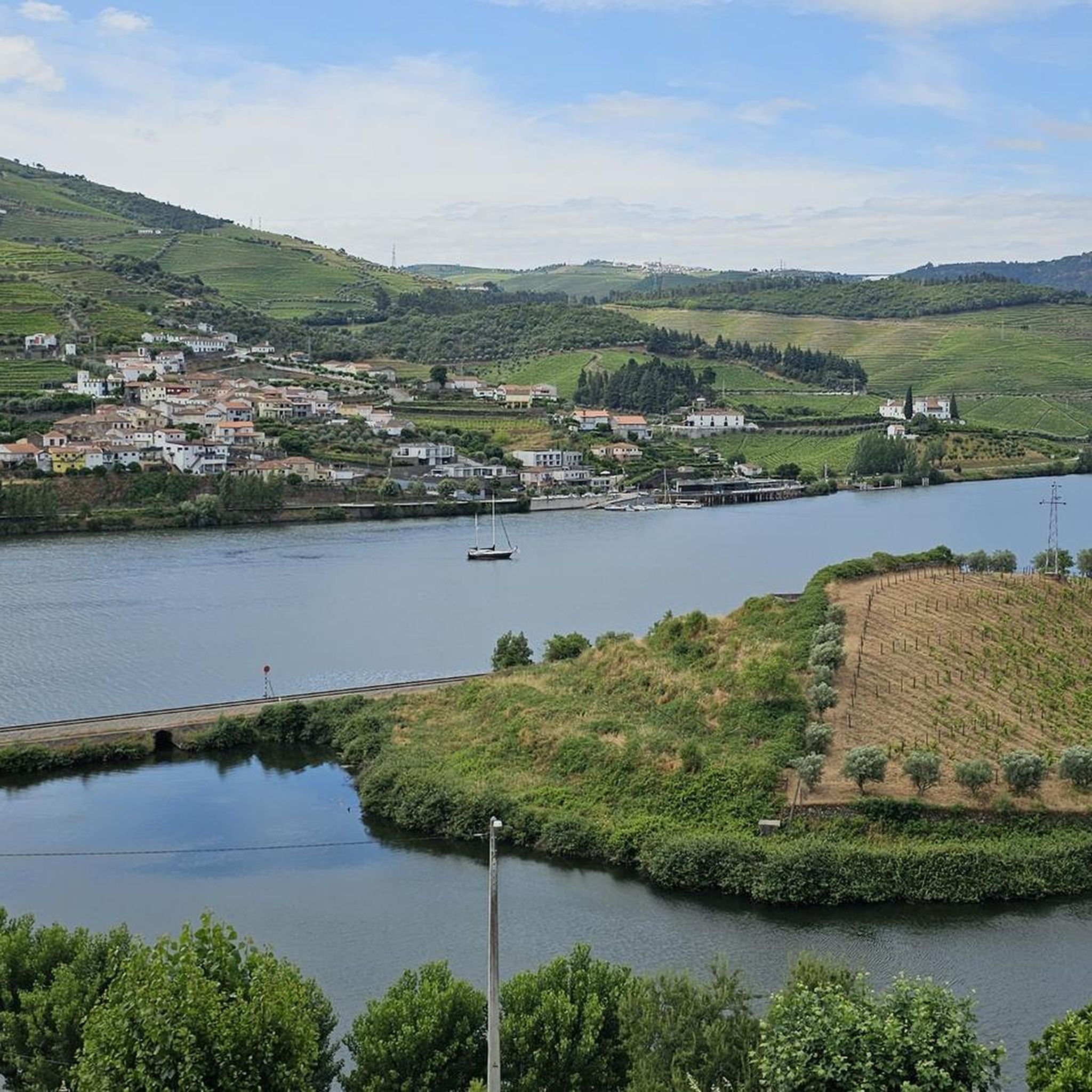
The São Leonardo de Galafura viewpoint is one of the most emblematic and beautiful observation points in the Douro Valley, Portugal. Located at the highest point of Monte de São Leonardo, in the parish of Galafura, it offers an unparalleled view over the Douro landscape, classified as a World Heritage Site by UNESCO. Highlights and Information Panoramic View: From the viewpoint, it is possible to see the confluence of the Pêgo River with the Douro River in a curve that resembles a comma, a beautiful spot and perfect for watching an unforgettable sunset. Poetic Inspiration: The place served as inspiration for the Portuguese writer Miguel Torga, who described it poetically, highlighting the "excess of nature" in the landscape. Chapel: At the highest point of the viewpoint is the Chapel of São Leonardo, which complements the natural and historical scenery of the place. Activities: The area is suitable for hiking, and there are trails nearby that can be explored, such as those listed on Wikiloc. Location Address: Estrada São Leonardo - Galafura, Peso da Régua, 5050-044 Portugal. Access: Access is by road, and the viewpoint is a common stopping point on tours and excursions through the Douro region. For more details about the region and other attractions, you can consult the Douro Itinerary.
2
0

A charming village with a typically medieval feel, the town still consists of a small, romantic line of houses stretching along a narrow path, Rua Principal, Rua Direita, or simply Rua, since it is the only street in the village. Winemaking, particularly elderberry, a strong presence in the village, continues to be the main source of livelihood. The village's two landmarks stand proudly at the entrance to the old Couto de Salzedas. They are the Tower and the Ucanha Bridge, two rare gems of the Douro Heritage. Some scholars suggest that the Ucanha Bridge, a National Monument, was built on an earlier Roman structure, while others suggest that it already existed in the 12th century. In any case, the current structure, in Gothic style, was built in the 15th century. Next to it stands a robust, square-shaped tower, formerly intended not only to guard the entrance to Couto de Salzedas, but also to allow the collection of tolls to which the Monastery was entitled.
1
0


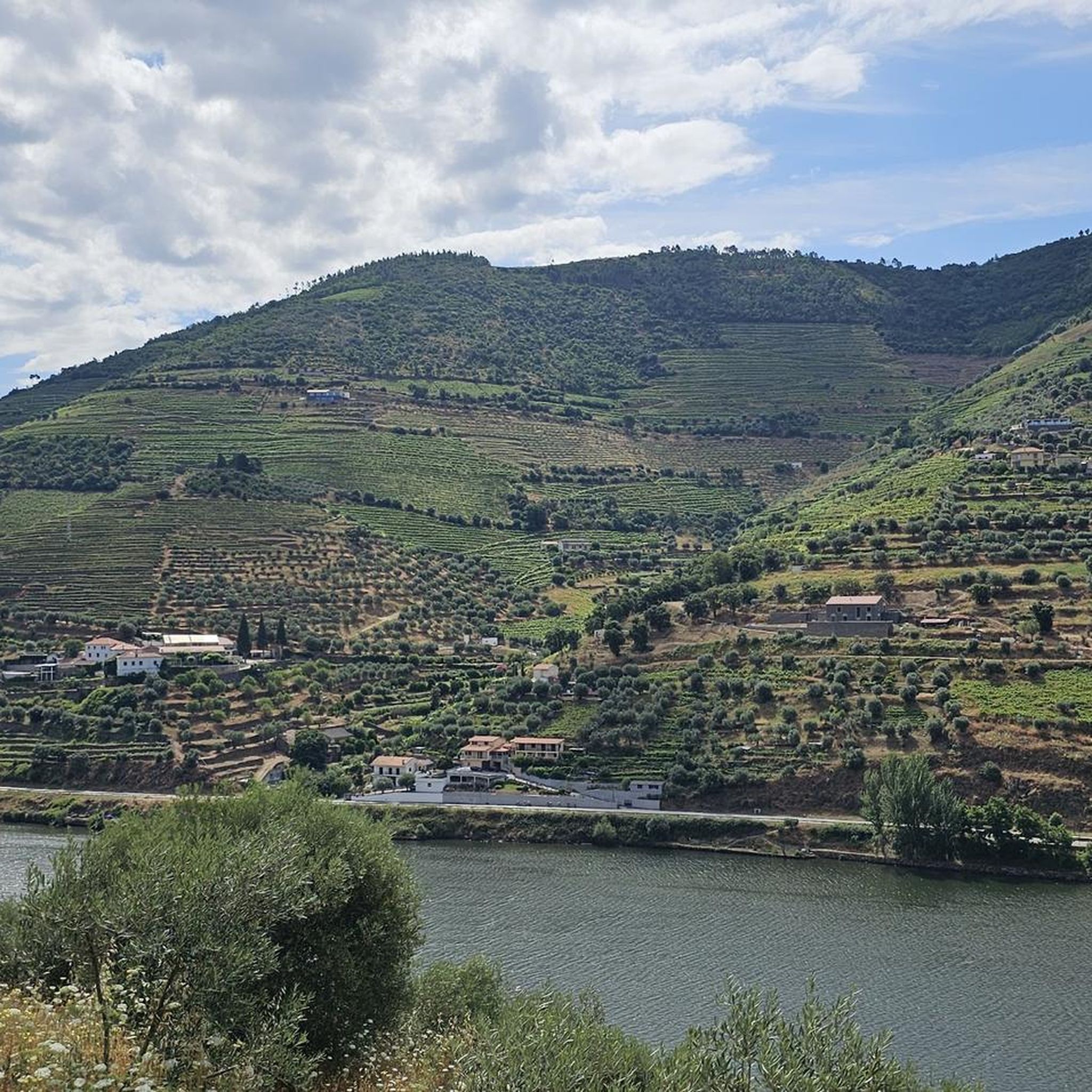
From the wooden viewpoint, the view is breathtaking: down below, the Varosa River tears through the rock, passing under the enigmatic Devil's Bridge, surrounded by terraces that climb the slopes. Here, the walkways are your allies, as they soften a trail that would otherwise be a pure technical challenge, full of loose rocks and tight bends. A treat for those who enjoy running with excitement and scenery in between.
1
0

after visiting the nearby restaurant
2
1

DOC (Denominação de Origem Controlada): Wines that are born in the oldest demarked regions of wine and, therefore, controled by law (ground caracteristics, castes, winemaking, bootleling). That “demarcation” had some twists, torns and stones... Well... cornerstones, named “Marcos Pombalinos”... The duck will scrutinize it 😉 1675 - “Vinho do Porto” comes for the first time with exportation to the Netherlands; 1703 – preferentional rights for Portuguese wines to England. The English were getting out of Bordeux, because the French king was taxing to much the wines... 1756 – English were “crazy” with “Port”. Climate of euphoria degenerates into adulteration and commercial chaos. With this, very important and knowledgeable people, propose to the future Marquês de Pombal, (thats the reason for the names given to the cornerstones, “Marcos Pombalinos”) the birth of one institution that could control the quality, prices and phisically establish the DOC (with the cornerstones); 1757 – placement of 201 “marcos”, cornerstones, for the first demarcation of the land; 1761 – upgrade of the DOC, adding 134 cornerstones; 1792 – opennig of “Cachão da Valeira”. Before that, the boats could only travel “so far”. With that openning/enlargement of Douro river, the “Superior” Douro was now accessible by boat. But the expantion of the vineyards at Douro Superior only began in the 19th century; 1850 to 1893 – the Valley was whipped by many diseases (maromba, oídio, filoxera, míldio...); 1907 – the last demarcation of DOC, now including “Douro Superior”, upstream from “Cachão da Valeira”, till the border with Spain
2
0

Wonderful view of the small gorge of the Rio Varosa with the Devil's Bridge and the surrounding terraced vines
0
0
Frequently Asked Questions
What historical sites can I explore around Aricera?
Aricera and its surroundings are rich in history. You can find archaeological evidence of ancient human settlement, including megalithic vestiges and castro remains, indicating occupation dating back to Roman times. Key historical landmarks include Marco Pombalino, a significant monument marking the demarcation of the Douro wine region established in the 18th century. Another notable site is the Ucanha Tower and Bridge, a rare example of civil Gothic architecture from the 15th century that once collected tolls.
Are there any significant viewpoints in the Aricera area?
Yes, the region offers several breathtaking viewpoints. The most popular is the Saint Leonardo of Galafura Viewpoint, which provides panoramic views over the UNESCO World Heritage Douro landscape and inspired writer Miguel Torga. You can also experience stunning vistas from Above the Varosa River Gorge, where you can see the river cutting through rock and terraced slopes.
What natural features can I discover near Aricera?
The mountainous terrain around Aricera is characterized by dramatic natural features. The Varosa River carves impressive gorges, such as the one seen from Above the Varosa River Gorge, which features the enigmatic Devil's Bridge. Another unique natural formation is the Hall of the Devil's Audiences, known for its bizarre rock formations within a small gorge.
What outdoor activities can I do near these attractions?
The Aricera area, being part of the broader Douro Valley, is excellent for outdoor enthusiasts. You can find numerous routes for cycling, mountain biking, and hiking. For detailed routes and guides, explore Cycling around Aricera, MTB Trails around Aricera, and Hiking around Aricera.
Are there hiking trails near the attractions?
Yes, there are several hiking opportunities. For instance, you can find trails near the Saint Leonardo of Galafura Viewpoint. The Hiking around Aricera guide includes routes like the 'Marco Pombalino – View of the Douro Valley loop' and the 'Ucanha Tower and Bridge loop from Salzedas', offering moderate difficulty options to explore the landscape and historical sites.
What do visitors enjoy most about the attractions around Aricera?
Visitors particularly appreciate the stunning panoramic views, especially from the Saint Leonardo of Galafura Viewpoint, often described as an 'unparalleled view' and a perfect spot for sunsets. The historical significance of sites like Marco Pombalino and the unique architecture of Ucanha Tower and Bridge also receive high praise for their cultural value and charm.
Is Aricera the same as Ericeira?
No, Aricera is a small, rural former civil parish in the municipality of Armamar, Portugal, characterized by mountainous terrain and historical sites. It is distinct from Ericeira, a well-known coastal town near Lisbon, often referred to as the 'surfing capital of Europe'.
What is the Mother Church of São Cristóvão?
The Mother Church of São Cristóvão (Saint Christopher) is a significant religious site located within Aricera. It was historically a subsidiary of the São Miguel de Armamar church and represents a key part of the local cultural and architectural heritage.
Are there any family-friendly attractions or activities?
While Aricera itself is small and rural, the broader Douro Valley region offers family-friendly experiences. The Saint Leonardo of Galafura Viewpoint is generally accessible and offers beautiful views that can be enjoyed by families. Exploring the historical sites like Ucanha Tower and Bridge can also be an engaging activity for children interested in history and medieval structures.
What is the terrain like for hiking around Aricera?
The terrain around Aricera is generally mountainous and steep, reflecting its location within the Douro Valley. While some trails, like those along the Varosa River Gorge, feature walkways to ease navigation, many routes can present a technical challenge with loose rocks and tight bends. It's advisable to check the difficulty ratings on specific routes within the Hiking around Aricera guide.
Can I find traditional architecture in Aricera?
Historically, Aricera was known for its traditional architecture, including houses with thatched roofs, which reflected the building practices common in the region. While many of these may have changed over time, exploring the small villages in the area can still offer glimpses of traditional Portuguese rural construction.
Most popular routes around Aricera

Get inspired with the komoot mobile app


Explore more
Still not found the Highlight you’re looking for? See guides of the top attractions in other regions:
