Attractions and Places To See around Cabril - Top 20
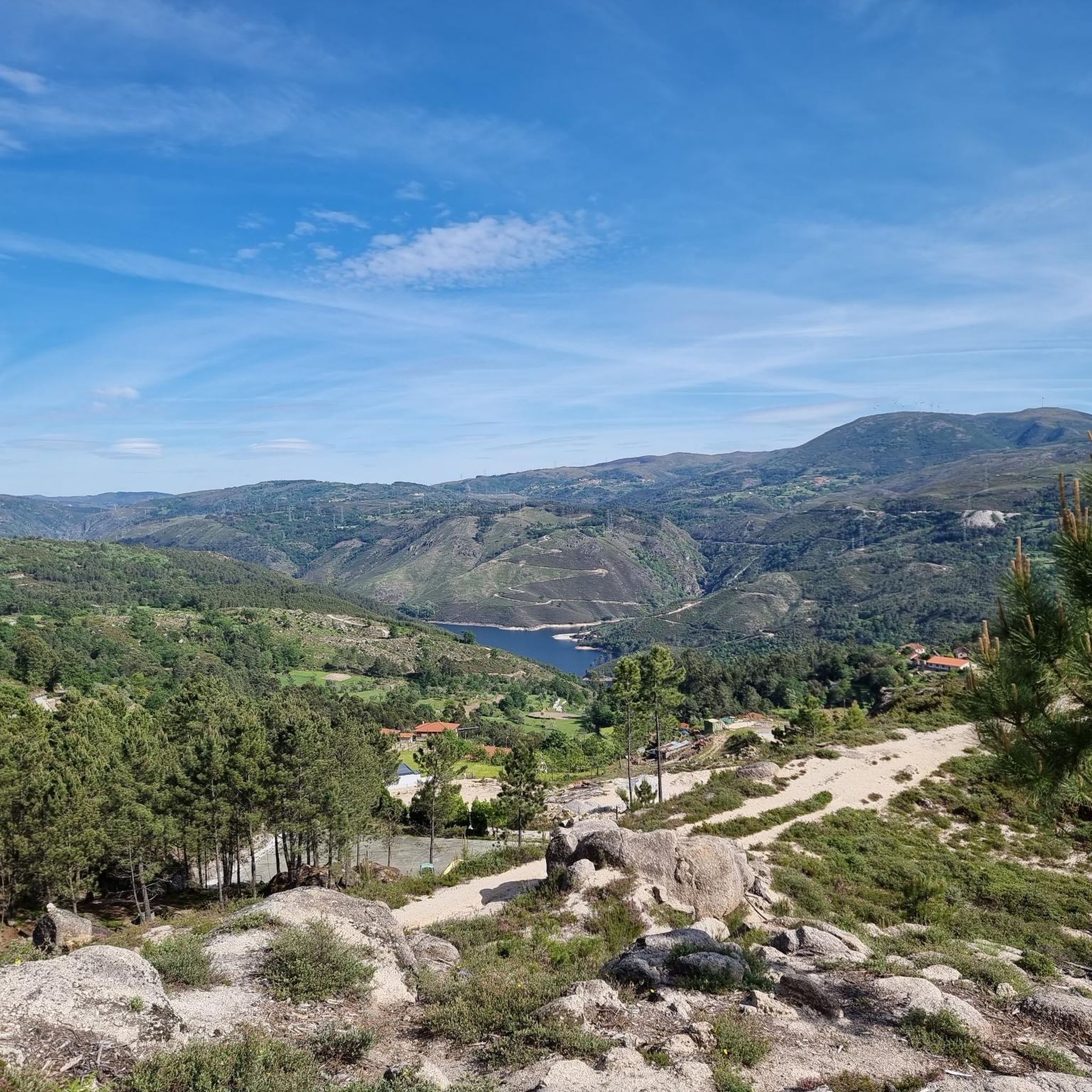
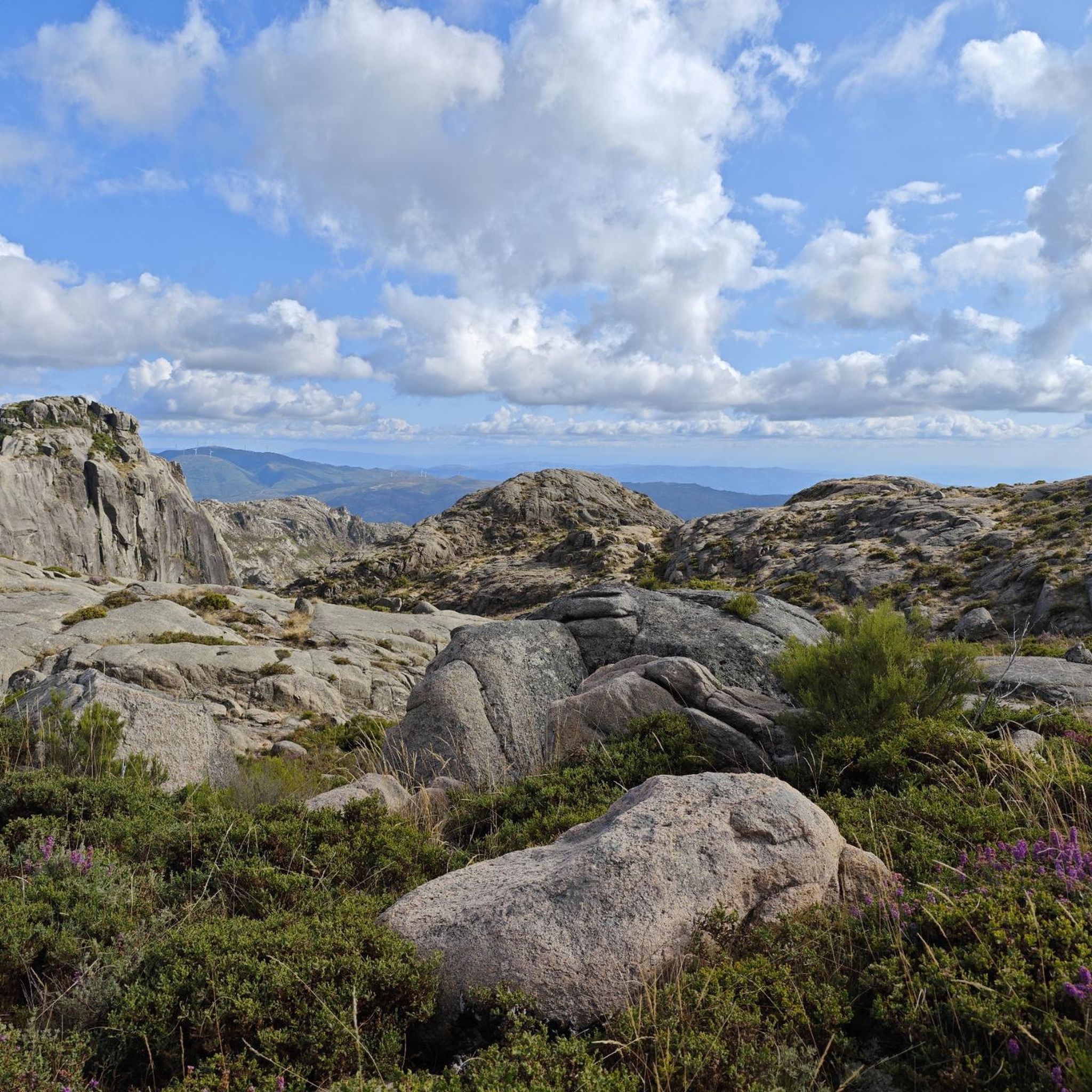
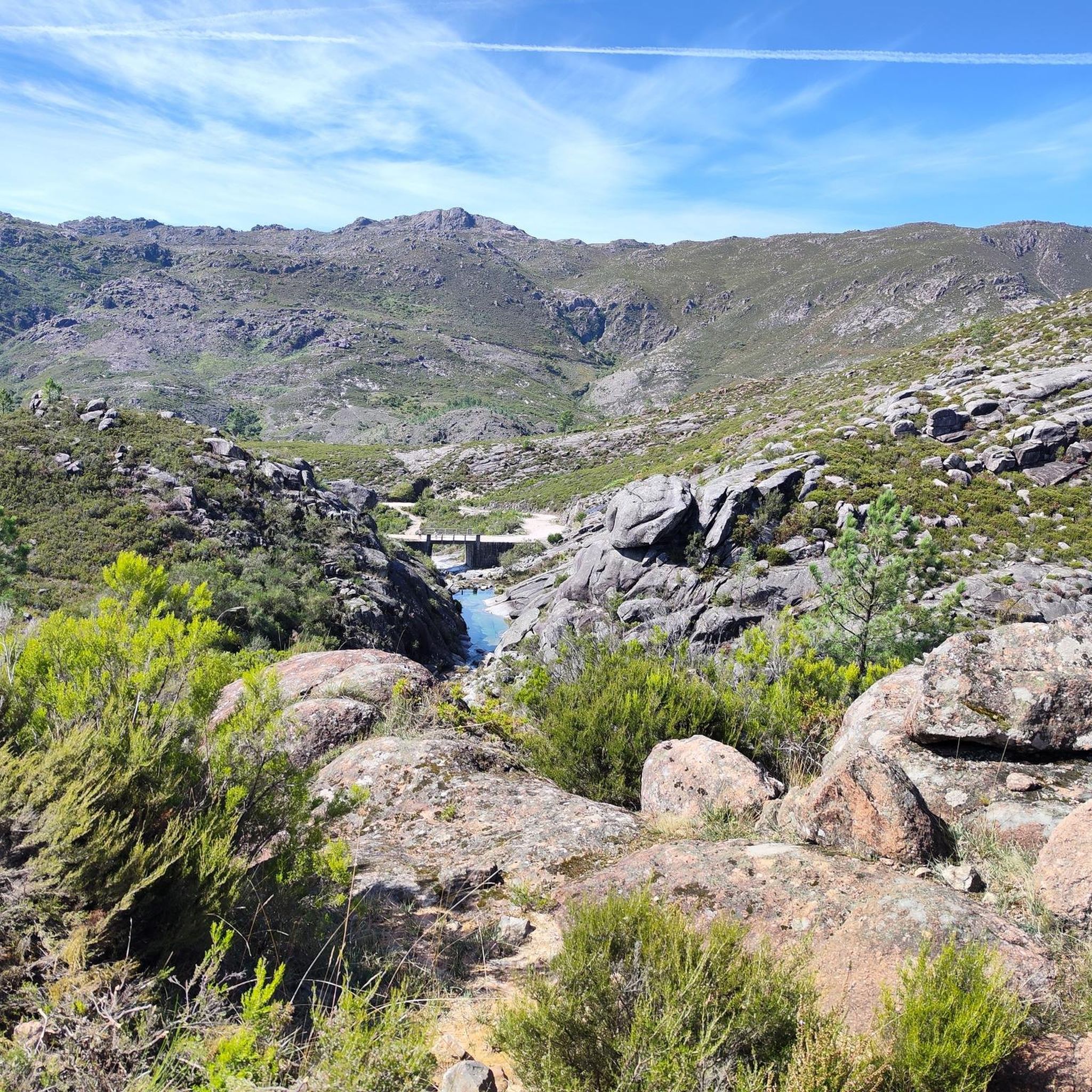
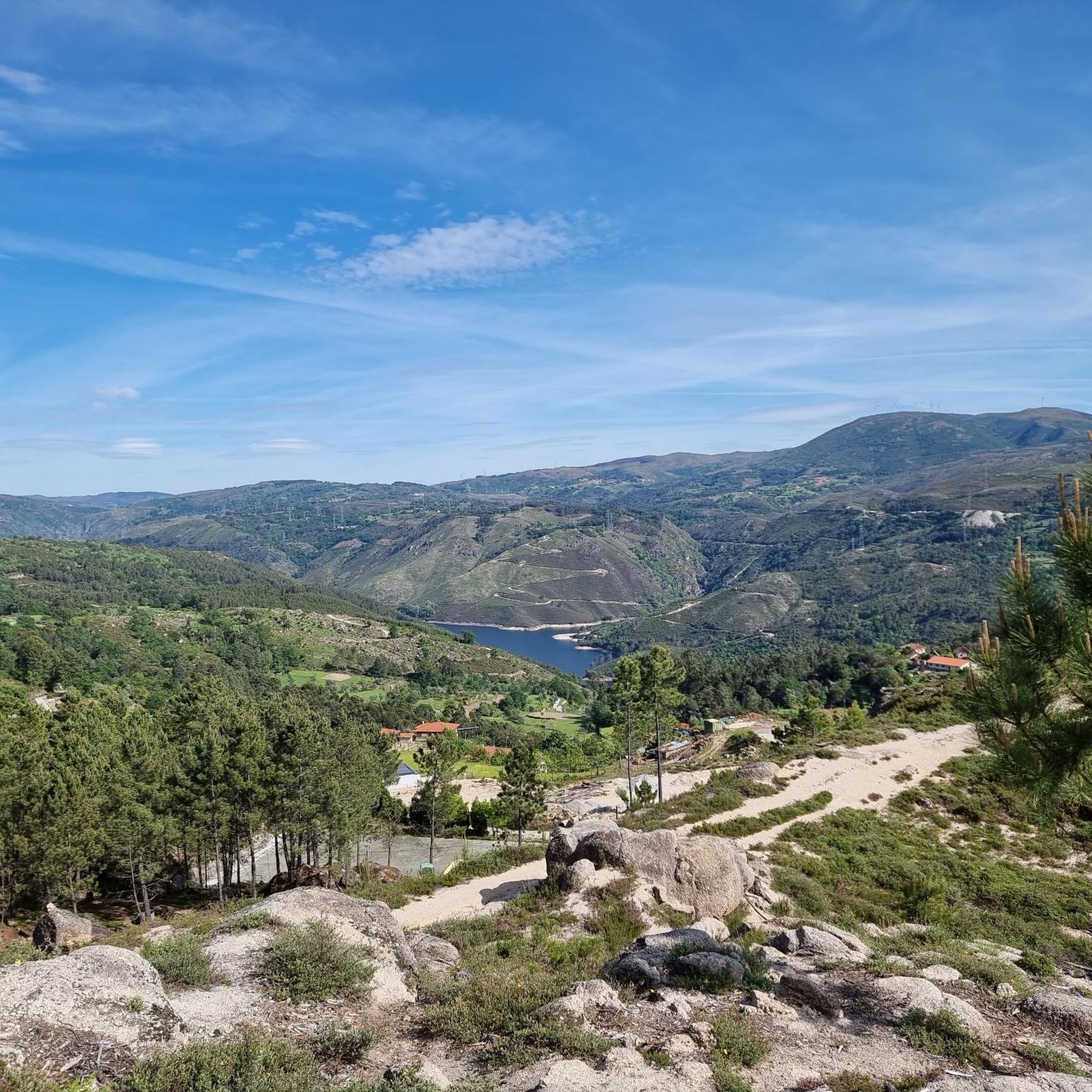
Best attractions and places to see around Cabril include a rich blend of natural beauty and cultural heritage within the Peneda-Gerês National Park. This Portuguese village is characterized by its stunning landscapes, traditional architecture, and opportunities to experience rural life. The area features dramatic granite massifs, the Salmonde Reservoir, and numerous waterfalls, making it a destination for outdoor exploration.
Best attractions and places to see around Cabril
- The most popular attractions is Blue Pool, a natural monument that offers…
Last updated: August 25, 2026
Blue Pool
Highlight • Natural Monument
Tip by

Fecha de Barjas Waterfall (Tahiti)
Highlight • Waterfall
Translated by Google •
Tip by

Sign up now to discover places like this
Get recommendations on the best single tracks, peaks, & plenty of other exciting outdoor places.
Sign up for free
Tahiti Waterfall
Highlight • Waterfall
Translated by Google •
Tip by

Monastery of Saint Mary of Pitões das Júnias
Highlight • Religious Site
Translated by Google •
Tip by

Ponte da Misarela and Waterfall
Highlight • Bridge
Translated by Google •
Tip by

Sign up for free to discover even more attractions around Cabril.
Sign up for free
Already have an account?
Start today with a free account
Your next adventure awaits.
Login or Signup
Tips from the Community

The Monastery of Santa Maria das Júnias is a ruined monastery, of which the church remains, located on the outskirts of Pitões das Júnias. The last Cistercian monk became the parish priest of the village of Pitões das Júnias in 1834, the date of the abolition of religious orders in Portugal. As a historical curiosity, it is worth noting that Dom Pedro de Pitões, one of the main drivers of the conquest of Lisbon from the Moors in 1147, was ordained bishop of Porto at this monastery.
0
0

Warning: This is an extremely dangerous location, with a significant risk of falling. Due to erosion, the rocks are extremely smooth, making them slippery even in dry weather.
0
0
The Misarela Bridge, also known as the Devil's Bridge or the Bridge of Hell (we'll explain why below), is one of the most interesting monuments in the North of Portugal. Whether because of the legends, its historical importance or the beautiful landscape in which it is located. The Misarela Bridge is a trestle bridge over a slightly pointed arch, 13 metres high. This was originally a medieval bridge, which was rebuilt in the early 19th century (before the French Invasions) and which gave rise to two famous popular legends and ancient rituals. It has been a property of public interest since 1957 and in this article we will explore all of this, as well as the best ways to get there.
1
0


Hidden in the heights of Pitões das Júnias, the ancient monastery of Santa Maria carries centuries of history in the stones that support it. It is believed that its origins date back to the 9th century, in the middle of the Reconquista era, before Portugal was born as a kingdom. Officially, however, it was founded in the 12th century under the auspices of the Benedictines, and later embraced the austerity of the Cistercian reform. Today, among the silent ruins, the modest side portico of the church and the delicate arcades of the cloister remain.
1
1
The monastery of Santa Maria de Pitões das Júnias has roots that are believed to date back to a period before the founding of the Kingdom of Portugal, in the 9th century, during the Christian Reconquest. However, it is certain that it was founded in the mid-12th century, initially under the Benedictine Order, later adhering to the Cistercian reform. Notable remains of its original design still remain, such as the simple side portico of the church and the discreet arcades of the cloister, now in ruins.
2
0

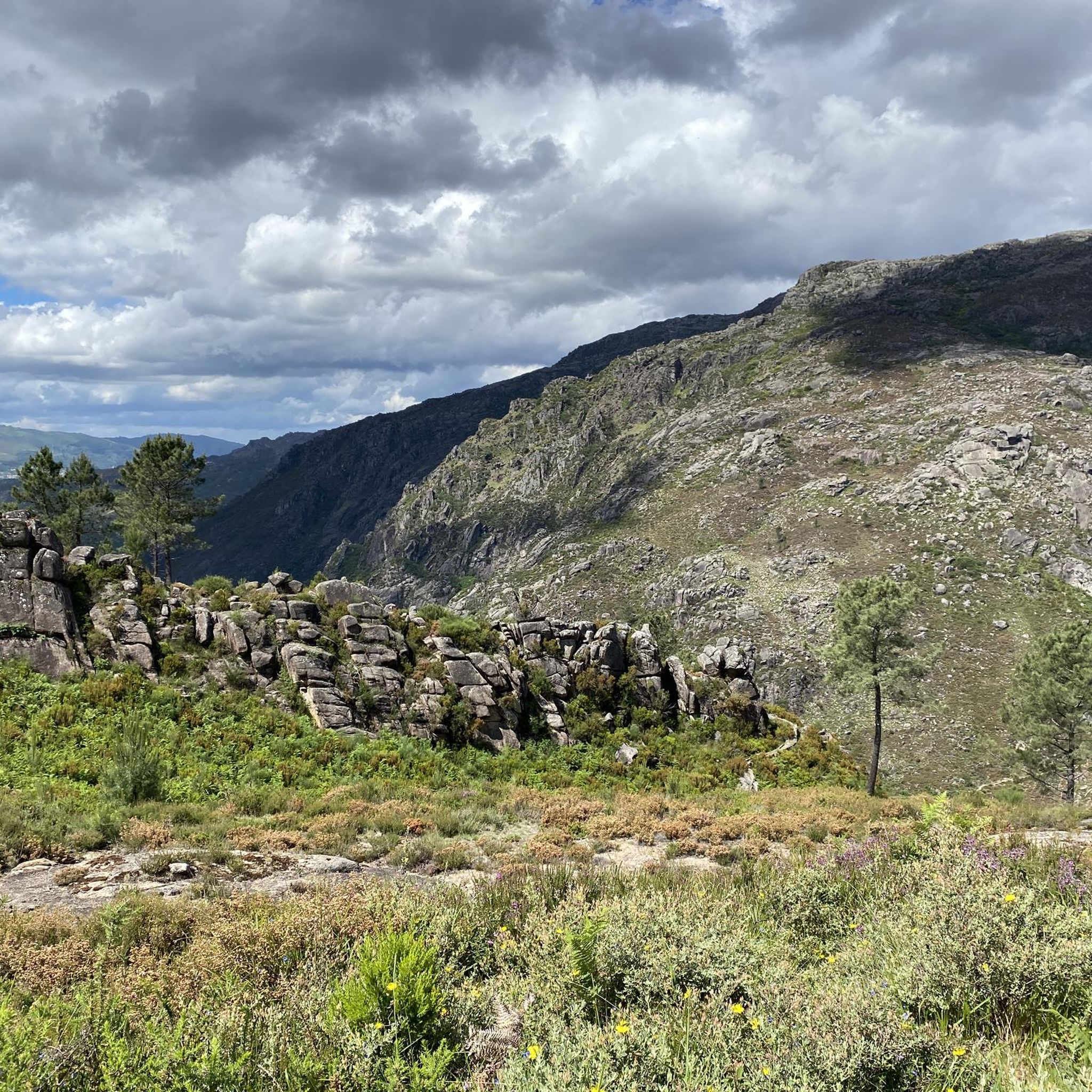
Fascinating landscape, by bike or on foot
0
1

Frequently Asked Questions
What natural attractions can I explore around Cabril?
Cabril is nestled within the expansive Peneda-Gerês National Park, offering dramatic granite massifs and diverse flora and fauna. Key natural features include the scenic Salmonde Reservoir and numerous waterfalls like Cascata do Arado, Cascata Tahiti, and Cascata de Pincães. A must-see is the Blue Pool, a natural monument perfect for swimming after a varied hike.
Where can I find waterfalls and natural swimming spots near Cabril?
The region is rich in waterfalls and natural pools. You can visit Tahiti Waterfall (also known as Fecha de Barjas Waterfall), which features impressive pools across multiple levels. Cascata de Pincães is noted for its emerald-toned natural lagoon and relatively easy access. The Blue Pool is another popular spot for a refreshing swim in clear, cold waters.
What historical and cultural sites are worth visiting in Cabril?
Cabril offers a glimpse into its past with sites like the imposing Igreja de S. Lourenço, a central cultural landmark. The village center's Largo do Cruzeiro features an old pelourinho (pillory), a cross, a fountain, and a communal wash tank. Nearby, the ruined Monastery of Saint Mary of Pitões das Júnias dates back to the mid-12th century, and the medieval Misarela Bridge (Devil's Bridge) offers an interesting historical monument with local legends.
Can I experience traditional rural life in Cabril?
Yes, Cabril provides a valuable opportunity to witness ancestral traditions and customs of mountain people. You can observe agricultural cycles, including shepherding, olive harvesting, and corn sowing. Strolling through the village streets reveals traditional rustic houses, many restored for tourism, showcasing the area's heritage.
What kind of hiking trails are available around Cabril?
The mountains around Cabril offer a variety of hiking experiences. You can find easy walks, such as the 'Trail to Pincães Waterfall' or 'Hiking loop from Fafião', which are detailed in the Easy hikes around Cabril guide. For more challenging adventures, explore routes like 'View of Cascata do Arado – Blue Pool loop' or 'Arado Waterfall loop' found in the Mountain Hikes around Cabril guide.
Are there any challenging hikes for experienced trekkers in the area?
Absolutely. For experienced trekkers, Cabril offers several challenging mountain hikes within the Peneda-Gerês National Park. Routes like the 'View of Cascata do Arado – Blue Pool loop' (14.3 km) and the 'Arado Waterfall loop' (14 km) provide demanding terrain and stunning views. You can find more details in the Mountain Hikes around Cabril guide.
Are there family-friendly activities or attractions in Cabril?
Families can enjoy the natural beauty of Cabril. The Blue Pool is a great spot for a refreshing swim and a fun hike. Easy hiking trails, such as those listed in the Easy hikes around Cabril guide, are suitable for families. Exploring the traditional village and its agricultural fields also offers an engaging cultural experience for all ages.
When is the best time to visit Cabril for outdoor activities?
The region benefits from a microclimate, making it suitable for outdoor activities across various seasons. For swimming in natural pools like the Blue Pool or Tahiti Waterfall, summer months are ideal. Spring and autumn offer pleasant temperatures for hiking and exploring the diverse flora and fauna without the summer heat.
What do visitors particularly enjoy about the <a href="https://www.komoot.com/highlight/803843" target="_blank" rel="noopener">Blue Pool</a>?
Visitors love the Blue Pool for its wonderfully clear and refreshingly cold water, making it an ideal natural swimming pool, even in summer. The hike to reach it is described as varied and fun, with rocky passages adding to the adventure. Many recommend bringing a swimsuit to fully enjoy this absolute highlight.
What should I know before visiting <a href="https://www.komoot.com/highlight/3317502" target="_blank" rel="noopener">Tahiti Waterfall</a>?
The Tahiti Waterfall (also known as Fecha de Barjas) features fantastic pools over multiple levels. While impressive, reaching some areas involves climbing, so sturdy shoes with good soles are highly recommended. It can get crowded due to its accessibility, so arriving early is advisable if you wish to secure a spot by the terraced pools.
Are there opportunities for water-based activities like kayaking near Cabril?
Yes, the Salmonde Reservoir, a prominent feature in the landscape near Cabril, offers scenic views and opportunities for water-based activities. Kayaking is listed as one of the activities you can enjoy in the region, allowing you to explore the reservoir and its surroundings from the water.
What are the best viewpoints to enjoy the landscape around Cabril?
For panoramic views of the stunning landscapes surrounding Cabril, you can visit nearby viewpoints such as Miradouro da Pedra Bela and Viewpoint Rocas. These locations offer breathtaking vistas of the Peneda-Gerês National Park, the Salmonde Reservoir, and the dramatic granite massifs.
Most popular attractions around Cabril

Get inspired with the komoot mobile app


Explore more
Still not found the Highlight you’re looking for? See guides of the top attractions in other regions:
