The best road cycling routes around Santa Maria Maior
4.7
(14)
656
riders
28
rides
Road cycling routes around Santa Maria Maior are characterized by varied terrain, including significant elevation changes and long distances. The region features a network of roads that traverse both historical areas and more challenging climbs. Road cyclists can expect routes that often include substantial ascents and descents, providing a diverse experience.
Best road cycling routes around Santa Maria Maior
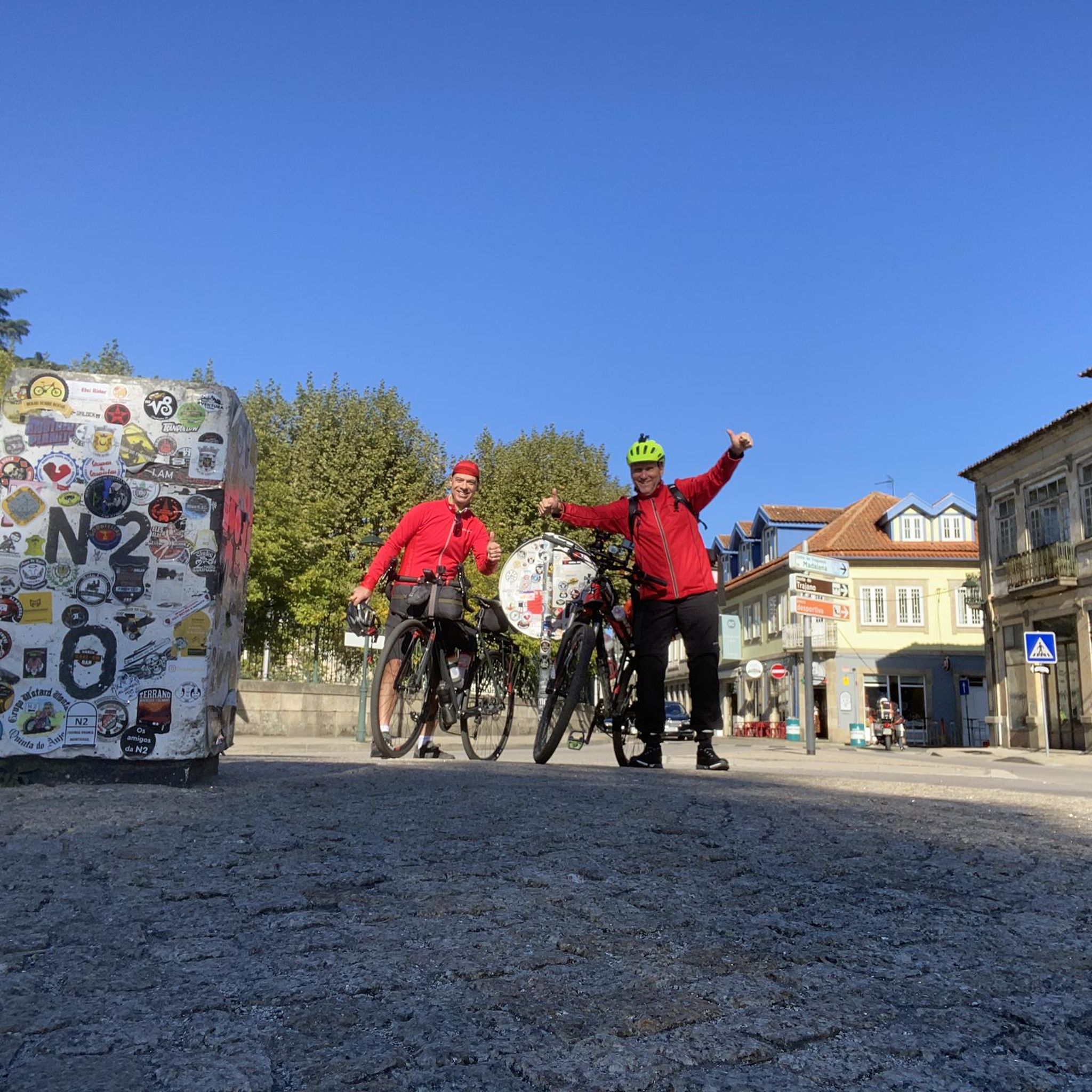
- The most popular road cycling route is Castle of Santo Estêvão – N2 Kilometer Zero – Chaves loop from Chaves, a 35.2 miles (56.7 km) trail that takes 2 hours 55 minutes to complete. This difficult route features over 3,000 feet of elevation gain.
- Another top favourite among local road cyclists is Sabroso de Aguiar Climb – Chaves Old Town loop from Chaves, a difficult 42.9 miles (69.0 km) path. This route includes a notable climb and passes through historical areas.
- Local road cyclists also love the Verín – N2 Kilometer Zero – Chaves loop from Chaves, a 39.2 miles (63.2 km) trail leading through diverse landscapes, often completed in about 2 hours 48 minutes.
- Road cycling around Santa Maria Maior is defined by challenging climbs, long distances, and routes connecting historical towns. The network offers options for different ability levels, from moderate to difficult.
- The guide includes highly-rated routes that showcase the best of the region's landscape. More than 200 road cyclists have used komoot to explore Santa Maria Maior's varied terrain.
Last updated: November 1, 2026
28
riders
30.3km
01:16
200m
200m
Easy road ride. Mostly well-paved surfaces and easy to ride.
19
riders
59.1km
03:05
930m
930m
Hard road ride. Very good fitness required. Mostly well-paved surfaces and easy to ride.

19
riders
69.0km
03:20
940m
940m
Hard road ride. Very good fitness required. Mostly well-paved surfaces and easy to ride.
10
riders
43.5km
02:13
620m
630m
Moderate road ride. Good fitness required. Mostly well-paved surfaces and easy to ride.
13
riders
36.9km
01:38
270m
270m
Easy road ride. Mostly well-paved surfaces and easy to ride.
Get access to more routes and recommendations from other explorers.
Already have an account?
Our route recommendations are based on thousands of hikes, rides, and runs completed by other people on komoot.
Start today with a free account
Your next adventure awaits.
Popular around Santa Maria Maior
Tips from the Community

The Roman Baths Museum, recently opened, is a must-see. It is located in Largo do Arrabalde, very close to the current baths. It is the largest Roman bath complex in the Iberian Peninsula. What makes this museum special is that, after an earthquake in the 4th century, the structures collapsed and remained "frozen" in time until they were rediscovered a few years ago. You can see the huge original stone pools where Roman legionaries bathed 2,000 years ago. The Roman Baths Museum What to see: It is the largest Roman bath complex in the Iberian Peninsula. What makes this museum special is that, following an earthquake in the 4th century, the structures collapsed and remained "frozen" in time until they were rediscovered a few years ago. You can see the huge original stone pools where Roman legionaries bathed 2,000 years ago.
0
0
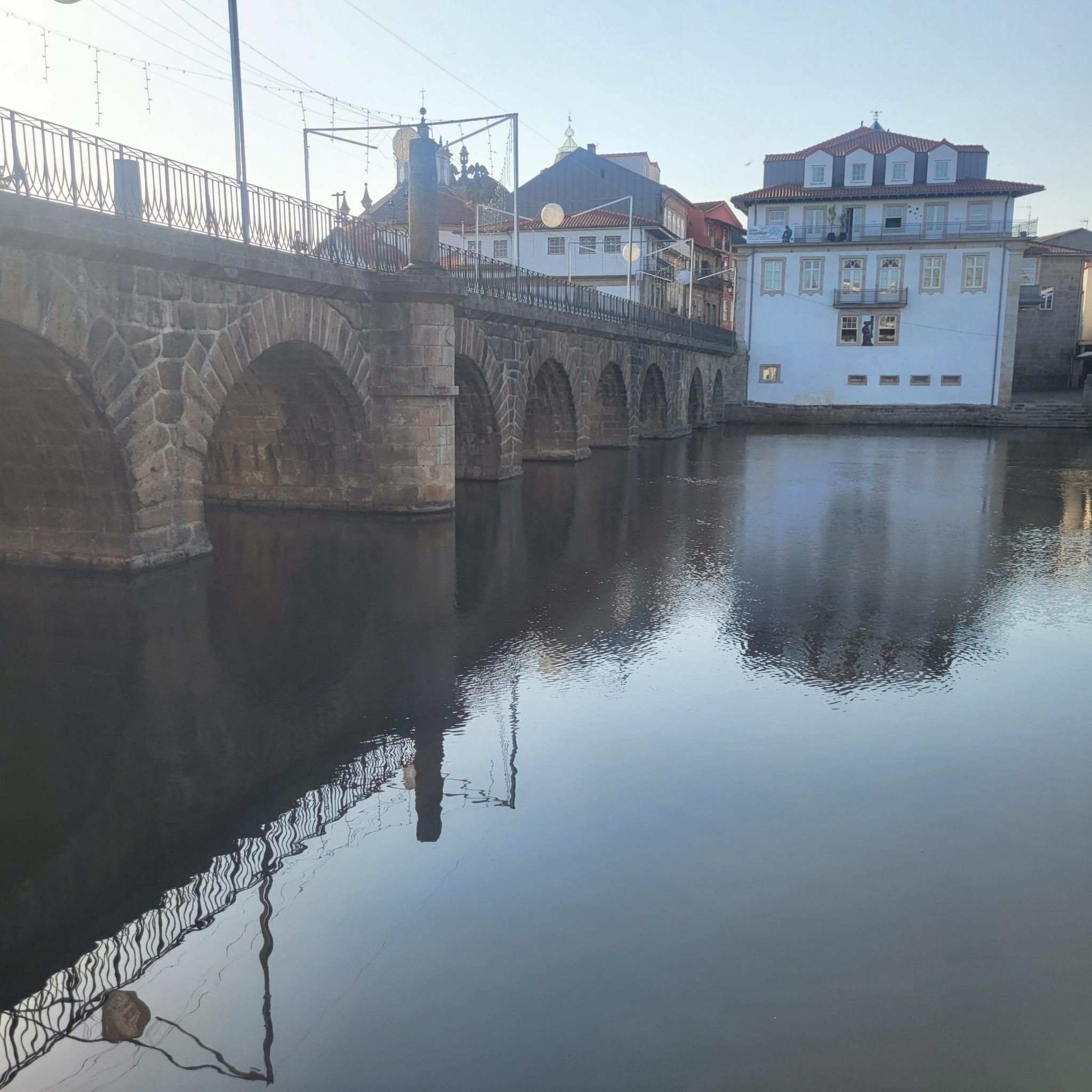
The Bridge of Trajan (often simply called the Roman Bridge) is, without a doubt, the most important monument in Chaves. It is worth visiting because it is not just an "old stone bridge"; it is a masterpiece of engineering that defines the city's identity. Here are the 4 main reasons why: 1. Walking on 2,000 Years of History This is one of the best-preserved Roman bridges in the entire Iberian Peninsula. It was built between the late 1st and early 2nd century AD, during the reign of Emperor Trajan. The Feeling: Crossing it on foot (cars are forbidden) means you are literally walking on the same stones as Roman legions, medieval merchants, and Napoleonic troops. It is an instant trip back in time. 2. Engineering that Defies Time It is worth looking closely at the structure to understand why it is still standing. The Tâmega River is known for its violent floods, yet the bridge has withstood them for two millennia. The Secret: If you go down to the riverbank, notice the cutwaters (the triangular structures at the base of the pillars). They were designed to "cut" the force of the water and prevent the bridge from collapsing. It is a live lesson in ancient architecture. 3. The Stones that "Speak" (Milestones) In the middle of the bridge, you will find two cylindrical stone columns (milestones) with Latin inscriptions. One of them is particularly important: the "Padrão dos Povos" (Standard of the Peoples). The inscription lists the 10 local tribes of the region (the "Aquiflavienses") who contributed to the construction of the bridge. It is a historical document carved in stone that has survived to this day. 4. The Photogenic Scenery The bridge connects the historic center to the Madalena neighborhood and is set within a beautiful public garden (Jardim do Tabolado). It is the perfect spot to watch the sunset, seeing the reflection of the arches in the water with the Castle of Chaves dominating the landscape high above. Visitor Tip: After crossing the bridge coming from the historic center, turn left and walk along the landscaped riverbanks. There are stepping stones (pedras poldras) nearby in the water that allow you to see the grandeur of Trajan's Bridge from an impressive low angle.
2
0
The Historic Centre of Chaves is one of the most fascinating in Northern Portugal because it manages to tell the story of millennia—from the Romans to the Napoleonic invasions—in a compact, walkable area. Here are the 4 main reasons why it is worth visiting: 1. The Roman Bridge of Trajan This is the city's landmark and one of the greatest legacies of Roman engineering in the Iberian Peninsula. Why visit: Crossing this pedestrian bridge over the Tâmega River is literally walking over 2,000 years of history. Built in the 1st century AD, it still maintains its robust stone arches. It is the perfect spot for that classic photo of the city with the river and houses in the background. 2. The Castle Keep (Torre de Menagem) & Views Of the old medieval castle, the imposing Keep (a National Monument) remains, surrounded by a very well-kept garden. The Viewpoint: Climbing to the top offers the best panoramic view over the Chaves valley, the river, and the surrounding mountains. Military Museum: Inside the tower, there is a military museum (symbolic entry fee of ~€1) that explains the strategic importance of Chaves in defending the border against Spain and during the French Invasions. 3. The Colorful Balconies of Rua Direita Rua Direita is the backbone of the historic center. Photogenic Charm: It is famous for its narrow houses with colorful wooden balconies, very typical of this region, creating a picturesque corridor full of traditional shops. Praça de Camões: This street leads to the main square, where the noble buildings are concentrated: the Town Hall, the Main Church (Matriz) with its Romanesque portal, and the Misericórdia Church (Baroque, with beautiful tiles inside). 4. The Thermal Heritage Chaves is the city of water (known as "Aquae Flaviae" to the Romans). Just a short walk away, at Largo do Arrabalde, you will find the Roman Baths Museum, a recently musealized archaeological complex showing how the Romans already utilized these medicinal hot waters. Right next to it, you can see (and taste, with caution!) the water springing out at over 70°C (158°F) at the thermal Buvette. Foodie Tip: Don't leave the historic center without entering a pastry shop to try the authentic Pastel de Chaves (PGI). It is a flaky puff pastry filled with minced veal—the perfect snack while exploring the streets.
2
0

everything around is beautiful to appreciate
1
0

The 140 metre-long Ponte Trajano (Trajan Bridge) in Chaves in the Trás-os-Montes region of north eastern Portugal dates from the reign of the Emperor Trajan (53-117) in the early second century AD. The Emperor Trajan was known as a great promoter of public works including the Trajan Forum and Trajan Column in Rome.
6
0
The Roman Bridge of Chaves, also known as Trajan's Bridge, is located over the River Tâmega and was built between the end of the 1st century and the beginning of the 2nd century. Along with the development of the thermal baths, it constitutes one of the best Roman legacies of the ancient Águas Flávias, which still stands today, withstanding historic floods and the strong currents of the river. Approximately one hundred and fifty metres long and with a dozen visible arches, the works carried out in the 1930s covered some of the arches and others were still buried in the construction of the houses built there and overlooking the river.[citation needed] In 2008 it became a pedestrian bridge.
6
0
Chaves is famous for its many spa centres and thermal baths that are said to cure many ailments. Chaves is a small town in the north of Portugal located near the River Tâmega and not far from the border of Spain. The city also boasts some great architecture which dates back to Roman times and a fort which is a reminder of the war of Independence with Spain.
5
0

This stone arch bridge is also called Trajan's Bridge.
4
1
Frequently Asked Questions
How many road cycling routes are available in Santa Maria Maior?
There are over 20 road cycling routes around Santa Maria Maior, offering a diverse range of experiences for cyclists. The region features routes with varied terrain, including significant elevation changes and long distances.
Are there any easy road cycling routes in Santa Maria Maior?
While many routes in Santa Maria Maior are moderate to difficult, there is at least one route classified as easy. However, the region is generally characterized by challenging climbs and longer distances, so even easier routes may still present some elevation.
What are some challenging road cycling routes in Santa Maria Maior?
For experienced cyclists seeking a challenge, Santa Maria Maior offers several difficult routes. One popular option is the Castle of Santo Estêvão – N2 Kilometer Zero – Chaves loop from Chaves, a 35.2-mile (56.7 km) trail with over 3,000 feet of elevation gain. Another demanding route is the Sabroso de Aguiar Climb – Chaves Old Town loop from Chaves, which covers 42.9 miles (69.0 km) and includes a notable climb.
What are the typical distances for road cycling routes in Santa Maria Maior?
Road cycling routes in Santa Maria Maior generally range from moderate to long distances. For example, the Verín – N2 Kilometer Zero – Chaves loop from Chaves is about 39.2 miles (63.2 km), while the N2 Kilometer Zero – Chaves – Verín loop from Chaves extends to 46.1 miles (74.2 km).
Where do road cycling routes typically start in Santa Maria Maior?
Many road cycling routes in the Santa Maria Maior area, particularly those highlighted, commonly start from the town of Chaves. This central location provides access to various loops and connections to other towns and scenic areas.
Are there any loop road cycling routes in Santa Maria Maior?
Yes, many of the road cycling routes in Santa Maria Maior are designed as loops, allowing you to start and finish in the same location. Examples include the Castle of Santo Estêvão – N2 Kilometer Zero – Chaves loop from Chaves and the Verín – N2 Kilometer Zero – Chaves loop from Chaves.
What can I see along the road cycling routes in Santa Maria Maior?
The routes often pass through areas with historical and natural attractions. You might encounter landmarks such as the Chaves Old Town, the ancient Trajan Bridge (Chaves Roman Bridge), or the unique Chaves Thermal Spring. Some routes also offer views of the Poldrado de Curalha.
What kind of terrain can I expect on road cycling routes in Santa Maria Maior?
The terrain in Santa Maria Maior is varied, characterized by significant elevation changes, including both ascents and descents. Cyclists can expect a mix of roads traversing historical areas and more challenging climbs, providing a diverse and engaging experience.
What do other road cyclists enjoy most about road cycling in Santa Maria Maior?
Over 200 road cyclists have used komoot to explore Santa Maria Maior's varied terrain. They often praise the challenging climbs, the long distances, and the routes that connect historical towns, offering a rich cultural and physical experience.
Are there any specific climbs or notable features on the routes?
Yes, several routes feature notable climbs. For instance, the Sabroso de Aguiar Climb – Chaves Old Town loop from Chaves explicitly highlights the Sabroso de Aguiar Climb. Many routes also pass through or near the N2 Kilometer Zero, a significant point for cyclists.
Are there routes that connect to the N2 Kilometer Zero?
Yes, several routes in the region incorporate the N2 Kilometer Zero. Examples include the Castle of Santo Estêvão – N2 Kilometer Zero – Chaves loop from Chaves and the Sabroso de Aguiar Climb – N2 Kilometer Zero – Chaves loop from Chaves, offering cyclists a chance to experience this iconic point.
Most popular routes around Santa Maria Maior
Most popular attractions around Santa Maria Maior

Get inspired with the komoot mobile app


Explore more
Browse the best Road cycling routes in other regions.
