The best cycling routes around Codessoso
5.0
(2)
17
riders
3
rides
Touring cycling around Codessoso, Portugal, is characterized by its diverse natural scenery and varied terrain. The region features the Tâmega River, with routes often running along its banks, and the broader landscapes of the Serra do Marão mountain range. Dedicated cycling paths, such as sections of the Tâmega Line Greenway, utilize disused railway lines, providing scenic routes through the countryside. Historical bridges and natural features contribute to the area's appeal for touring cyclists.
Best touring cycling routes around Codessoso
- The…
Last updated: April 30, 2026
9
riders
52.2km
03:23
690m
680m
Hard bike ride. Very good fitness required. Mostly paved surfaces. Suitable for all skill levels.
5.0
(2)
6
riders
65.0km
04:20
960m
960m
Hard bike ride. Very good fitness required. Mostly paved surfaces. Suitable for all skill levels.

Sign up for free
2
riders
43.9km
03:06
800m
800m
Hard bike ride. Very good fitness required. Mostly paved surfaces. Suitable for all skill levels.
Our route recommendations are based on thousands of hikes, rides, and runs completed by other people on komoot.
Start today with a free account
Your next adventure awaits.
Login or Signup
Popular around Codessoso
Tips from the Community

Visiting the Castle of Chaves is worth it because it is, quite literally, the high point of the city—both in altitude and in history. Although "only" the imposing Keep (Torre de Menagem) and parts of the walls remain from the original grand defensive system, a visit is a must for these 4 reasons: 1. The Best View in the City Climbing to the top of the Keep (about 28 meters high) offers an unmatched reward. The Panorama: From there, you have a 360º view over the old rooftops, the Tâmega River winding below, the Roman Bridge, and the Brunheiro and Larouco mountains in the distance. It is the best place to understand the city's geography. 2. The Military Museum (A Journey Across 4 Floors) The tower is not empty. The interior has been transformed into a very interesting Military Museum (and the ticket is almost symbolic, usually costing around €1). As you climb the stairs, you pass through four themed floors showing the evolution of weaponry, from the Middle Ages to World War I. It is fascinating to see armor, swords, and uniforms in an authentic stone setting, which helps you imagine the lives of the soldiers who defended the border there. 3. The Castle Garden The tower is surrounded by a beautifully kept garden, which functions as an open-air museum. It is a peaceful space, full of flowers, where you can see Roman and medieval archaeological pieces displayed on the lawns. It is the ideal spot for a break in the shade after walking through the city. 4. A History of Resistance This castle is a symbol of Portugal's independence. Given its proximity to Spain (only 10 km away), Chaves was always the "Key to the Kingdom." Visiting the castle means standing on ground where countless battles were fought to keep the border safe against Castilian and French invasions. The climb is done via stairs (there is no elevator), but the view from the top makes up for every step. Try to go near the end of the day, when the setting sun hits the stones of the tower and the city below, creating a spectacular golden color.
3
0

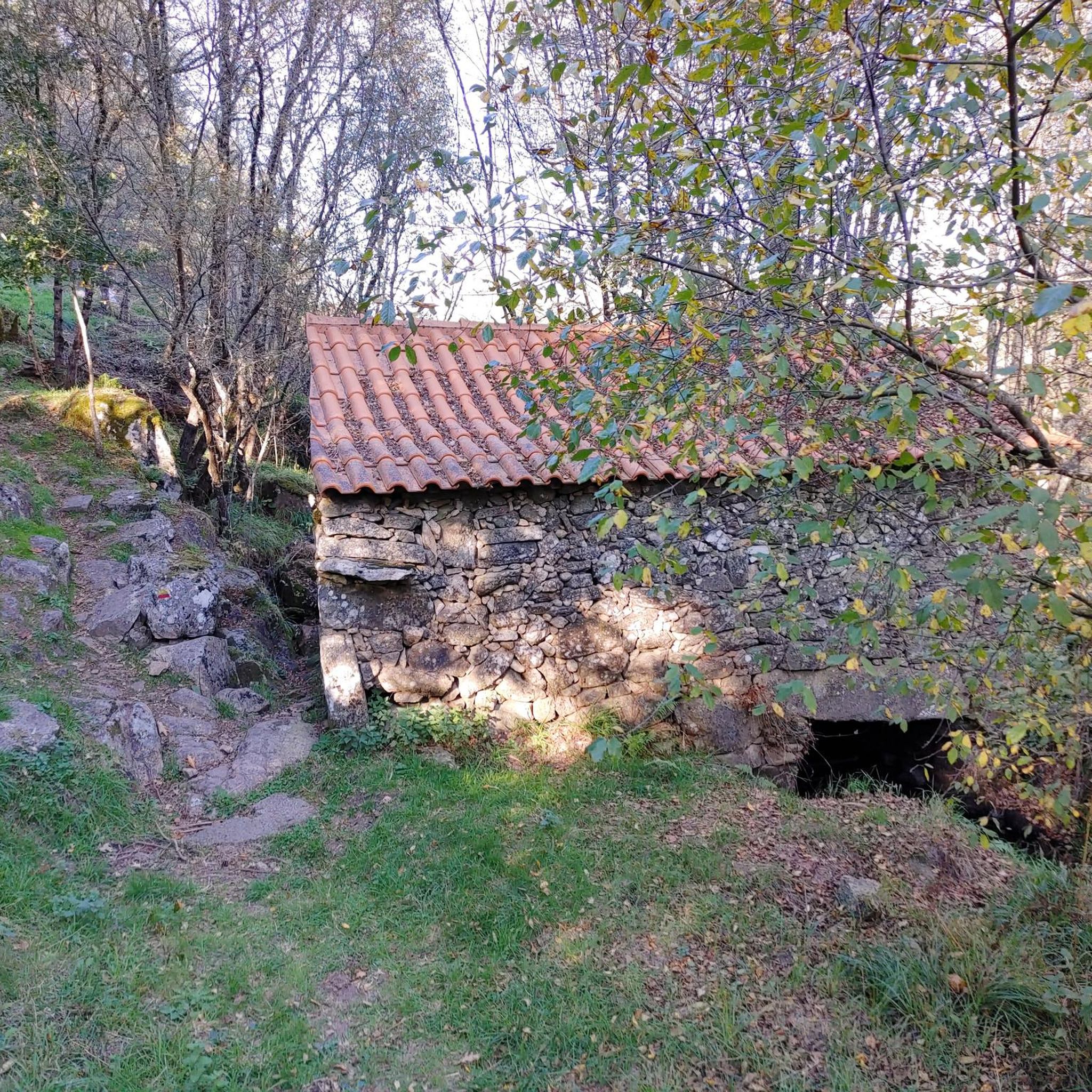
Well-developed even red and yellow colored bicycle and walking paths
3
0

Chaves Castle was built in the 9th century by Alfonso III of León to reinforce the city's defenses during the Christian Reconquest. Over the centuries, it has undergone several renovations. It can be visited for just one euro.
6
0


The story can be found at: https://costa-portugal.de/castelo-de-chaves-eine-mittelalterliche-festung-in-nordportugal/
4
1

There are quite a few abandoned grand hotels in Vidago which had his heyday a hundred years ago as Portuguese prime spa destination for European aristocracy.
0
0

The Antiga Estação de Pedras Salgadas is the old Pedras Salgadas railway station. Once on the Corgo railway line which has now become a cycle route. There's a large parking area to the rear which is a good place for a pit stop when on a supported cycling tour.
0
0
Frequently Asked Questions
What kind of terrain can I expect on touring cycling routes around Codessoso?
Touring cycling around Codessoso offers a diverse experience, characterized by river valleys, mountain landscapes, and historical bridges. You'll encounter varied terrain, including routes along the Tâmega River and through the broader Serra do Marão mountain range. Expect significant elevation gains on most routes, making them suitable for experienced touring cyclists.
Are there any challenging touring cycling routes in the Codessoso area?
Yes, the touring cycling routes around Codessoso are generally considered challenging, featuring significant elevation gains. For example, the Camillo Station – Pedras Salgadas N2 30 loop from Capeludos covers 31.9 miles (51.4 km) with over 670 meters of ascent. Another demanding option is the Camillo Station – Castle of Chaves loop from Boticas, which is 40.4 miles (65.0 km) long with over 960 meters of climbing.
What are some notable natural features or landmarks I might see while cycling near Codessoso?
The region offers a blend of natural beauty and historical sites. You can expect to see the scenic Tâmega River, especially on routes that follow its banks. The Serra do Marão mountain range provides stunning backdrops. Historical bridges, such as the St. Gonçalo Bridge in Amarante, are also prominent features. For broader natural exploration, the nearby Parque Natural do Alvão is known for its diverse landscapes and waterfalls.
Are there any dedicated cycling paths or greenways in the Codessoso region?
Yes, a significant feature for cyclists in the region is the Tâmega Line Greenway, also known as the Tâmega Line Ecotrail. This cycle path utilizes a disused railway line between Amarante and Cabeceiras de Basto, offering excellent views, clean air, and a good surface for cycling through the countryside.
What do other touring cyclists say about the routes in Codessoso?
The touring cycling routes in Codessoso are highly regarded by the komoot community, holding an average rating of 5.0 stars from over 2 reviews. More than 17 touring cyclists have already used komoot to explore the varied terrain, often praising the challenging climbs and scenic landscapes.
Are there any circular touring cycling routes available around Codessoso?
Yes, all the featured touring cycling routes around Codessoso are designed as loops. An example is the Cruz de Cepos loop from Sapiãos, which is 27.2 miles (43.9 km) long and takes you through the region's mountain foothills.
What is the typical distance and duration for touring cycling routes in Codessoso?
The touring cycling routes around Codessoso vary in length, generally ranging from approximately 27 miles (43 km) to over 40 miles (65 km). Typical durations for these challenging routes are between 3 hours and 4 hours, depending on the specific trail and your pace.
What historical sites can I visit near the touring cycling routes?
Beyond the scenic routes, you can explore historical landmarks such as the Church and Bridge of São Gonçalo in Amarante. For those willing to venture slightly further, Montalegre Castle and Castelo de Chaves offer opportunities for cultural immersion and are often part of longer routes, like the Camillo Station – Castle of Chaves loop from Boticas.
Is public transport available to access touring cycling routes in Codessoso?
While specific public transport connections directly to every trailhead are not detailed, the region's infrastructure, including the Tâmega Line Greenway, suggests accessibility. For detailed planning, it's advisable to research local bus or train services that connect to towns like Amarante or Boticas, which serve as starting points for some routes.
Are there options for parking near the touring cycling routes in Codessoso?
Many touring cycling routes in the Codessoso area start from villages or towns such as Capeludos, Boticas, or Sapiãos. These locations typically offer public parking facilities, making it convenient to access the trailheads. It is recommended to check specific parking availability for your chosen starting point.
What is the best time of year for touring cycling in Codessoso?
The region's natural beauty is enjoyable across seasons, but for touring cycling, spring and autumn generally offer the most pleasant weather with milder temperatures. Summer can be warm, while winter might bring cooler, wetter conditions, especially in the mountain areas like Serra do Marão.
Most popular routes around Codessoso

Get inspired with the komoot mobile app


Explore more
Browse the best Cycling routes in other regions.
