Attractions and Places To See around São Mamede De Ribatua - Top 20
Best attractions and places to see around São Mamede De Ribatua, a parish in Portugal's Vila Real district, is characterized by its location within the Alto Douro Wine Region. This area features extensive terraced vineyards, olive groves, and orange trees, descending towards the Douro and Tua rivers. The region combines natural beauty with historical landmarks, including ancient Roman roads and medieval structures. Its landscape is shaped by viticulture, particularly Port wine production, and offers insights into the area's rich cultural…
Last updated: May 3, 2026
Pinhão Railway Station
Highlight • Monument
Translated by Google •
Tip by

Olhos do Tua Viewpoint
Highlight • Viewpoint
Translated by Google •
Tip by

Sign up now to discover places like this
Get recommendations on the best single tracks, peaks, & plenty of other exciting outdoor places.
Sign up for free
View of Pinhão and the Douro River from Miradouro de Casal de Loivos
Highlight • Viewpoint
Translated by Google •
Tip by
Peso da Régua Footbridge
Highlight • Bridge
Translated by Google •
Tip by

Douro River Promenade
Highlight • River
Translated by Google •
Tip by

Sign up for free to discover even more attractions around São Mamede De Ribatua.
Sign up for free
Already have an account?
Start today with a free account
Your next adventure awaits.
Login or Signup
Popular around São Mamede De Ribatua
Tips from the Community

Arrival by bus is possible, 7:45 a.m., 10:20 a.m. from Tua train station. This option returns you to the starting point. Caution: some steep descents.
1
0

Spectacular views of the Douro River and the valley. A small bar invites you to enjoy the view with a glass of wine.
4
0
Just before the bridge on the left there is a good restaurant with typical regional dishes.
5
0
The regional motifs are simply beautiful. You should take some time to enjoy them.
7
0
Great station with its azulejos. If you're staying at a hotel on the hill, it's best to book a taxi in advance. Otherwise, it can be difficult during peak season.
6
0

This viewpoint on the Tua was also built entirely of steel, so the shape we see in this viewpoint represents the keel of a boat, which provides an incredible panoramic view of the river.
3
0

Great viewpoint
2
1

A superb hike Good route and magnificent views
1
1
Frequently Asked Questions
What natural features and viewpoints can I explore around São Mamede de Ribatua?
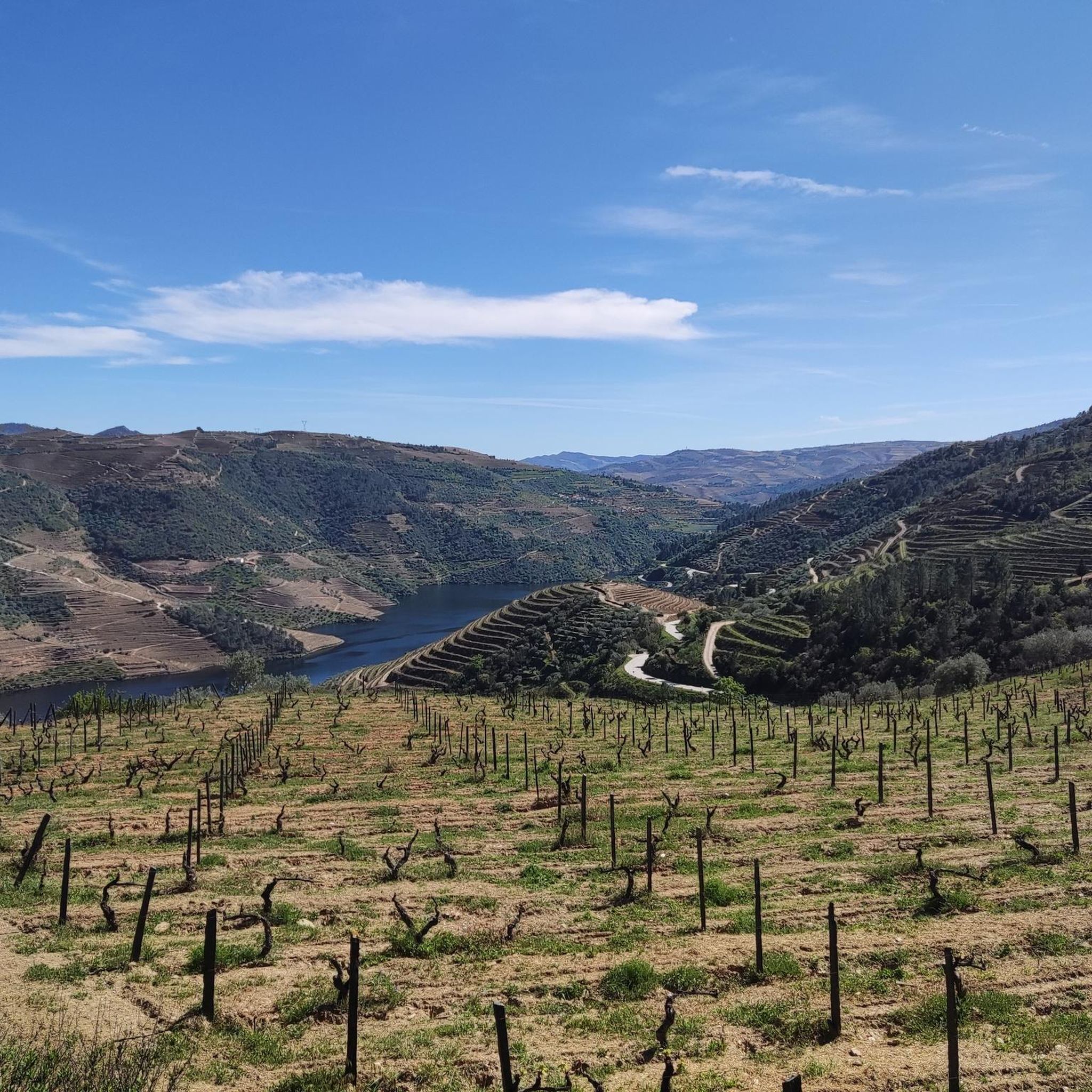
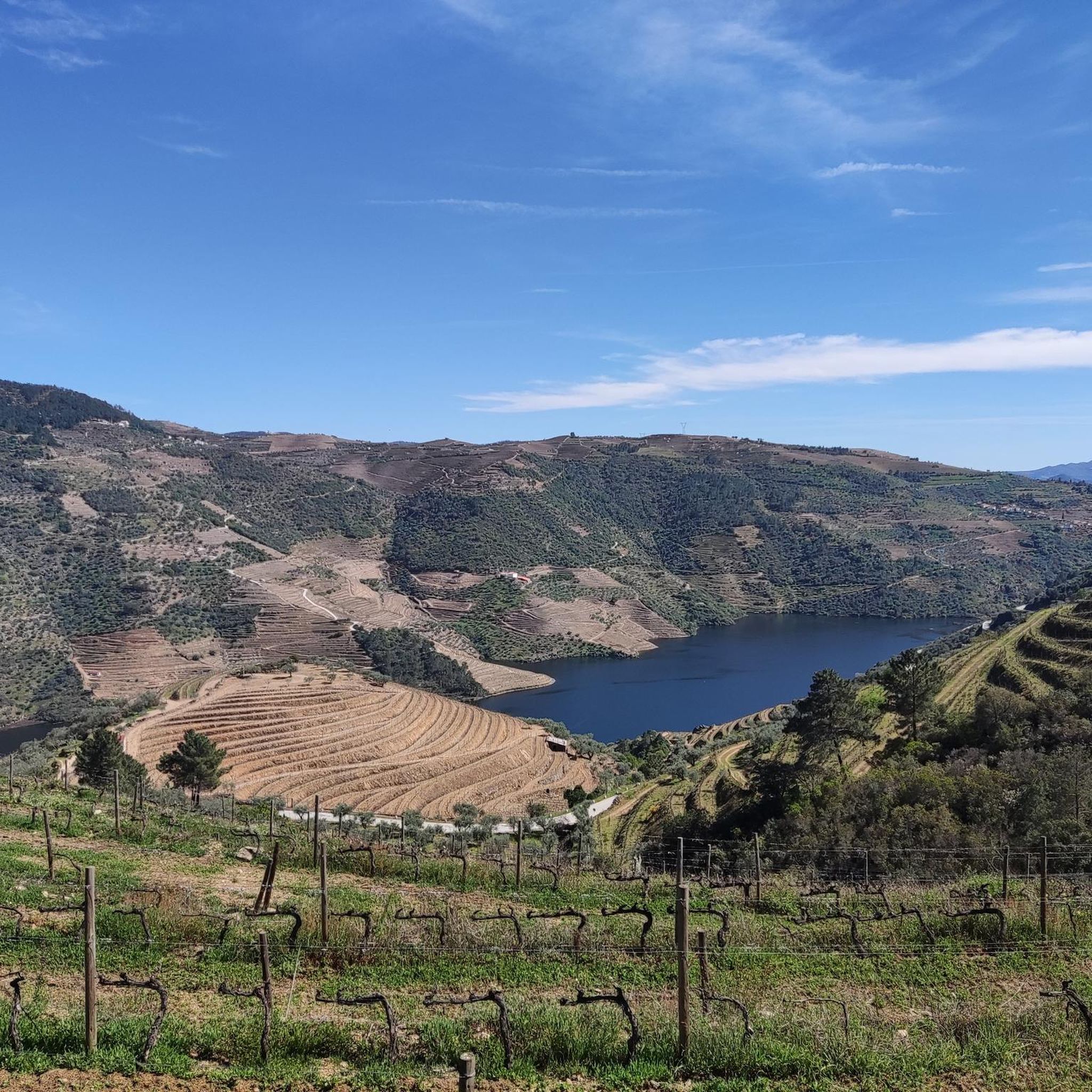
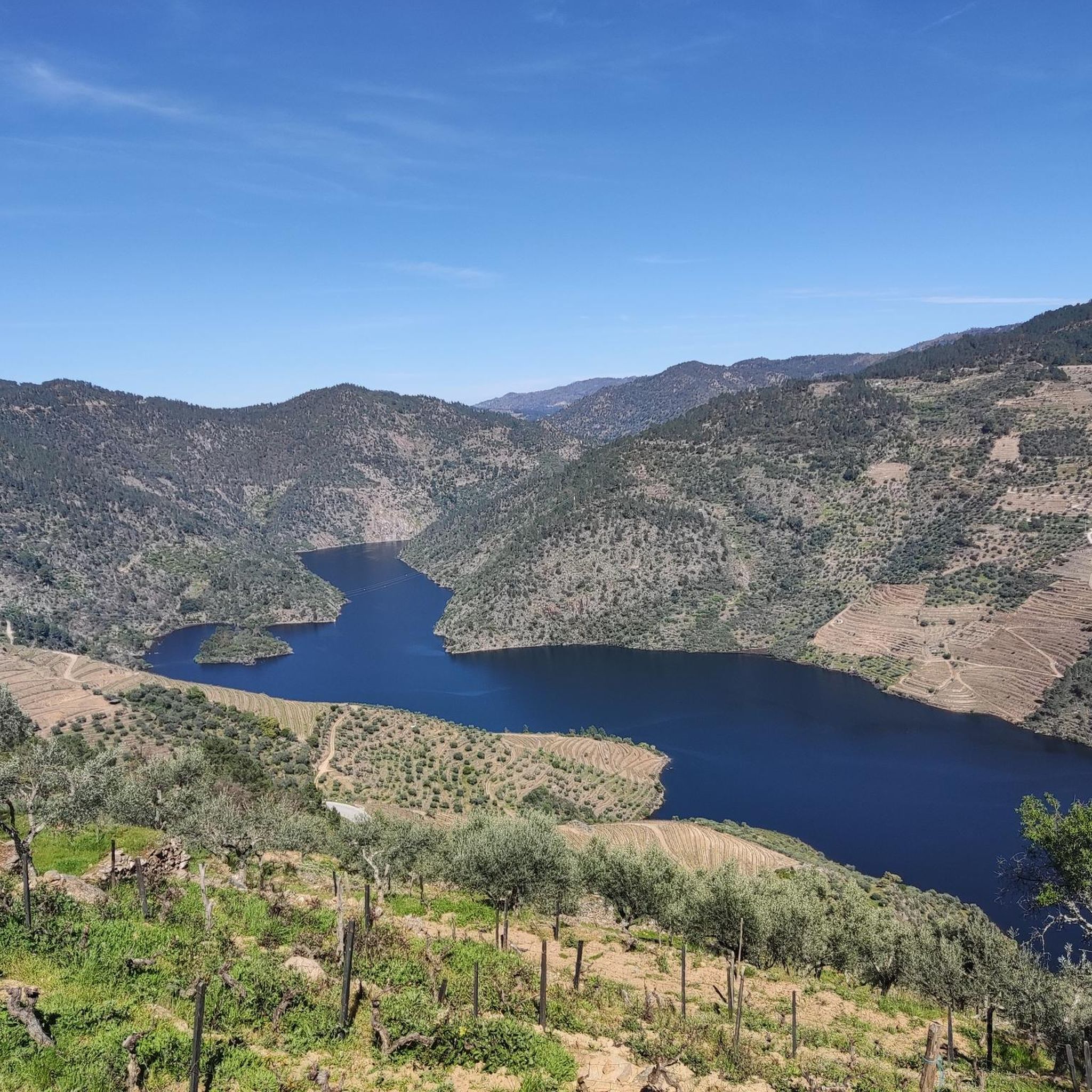
São Mamede de Ribatua is nestled within the stunning Douro Valley, a UNESCO-recognized area known for its terraced vineyards. You can experience breathtaking views from the Olhos do Tua Viewpoint, which offers a mesmerizing contrast of green vegetation and the intense blue of the Tua River. Another incredibly beautiful vista of the Douro Valley and Pinhão can be found at the View of Pinhão and the Douro River from Miradouro de Casal de Loivos.
Are there any historical or cultural sites worth visiting in São Mamede de Ribatua?
Yes, the area boasts a rich history. The Pinhão Railway Station, though slightly outside São Mamede de Ribatua, is a must-see for its amazing azulejo tiles depicting the Douro Valley's wine-making process. Within São Mamede de Ribatua itself, you can visit the historic Church of São Mamede de Ribatua, with Romanesque origins and Manueline and Baroque elements, and the ancient Roman Road, parts of which are still paved with large granite slabs.
What kind of outdoor activities can I do near São Mamede de Ribatua?
The region offers various outdoor activities, especially hiking and cycling. You can find numerous routes for both, including the 'Trilho do Senhor da Boa Morte (PR 2) — Tua Valley' for hiking and several road cycling routes like 'Foz de Tua with view to the Rio Douro'. For more detailed information and routes, explore the Hiking around São Mamede De Ribatua and Road Cycling Routes around São Mamede De Ribatua guides.
Are there family-friendly attractions in the area?
Yes, several attractions are suitable for families. The View of Pinhão and the Douro River from Miradouro de Casal de Loivos is a great spot for all ages to enjoy panoramic views. Additionally, the Pinhão Railway Station with its decorative azulejo tiles can be an engaging visit for children and adults alike.
Where can I find scenic hiking trails around São Mamede de Ribatua?
Scenic hiking trails abound in the area. The 'Trilho do Senhor da Boa Morte (PR 2) — Tua Valley' offers stunning views, including the Olhos do Tua Viewpoint. Another option is the 'Trilho de São Lourenço (PR 1) — Tua Valley'. You can find more hiking options and details in the Hiking around São Mamede De Ribatua guide.
What cycling routes are available near São Mamede de Ribatua?
For cyclists, there are various routes catering to different difficulties. Road cycling options include 'Foz de Tua with view to the Rio Douro' and longer, more challenging routes like 'Palácio de Mateus loop from Alijó'. For general cycling, you might enjoy the 'View of the Douro Vineyards loop'. Explore more in the Road Cycling Routes around São Mamede De Ribatua and Cycling around São Mamede De Ribatua guides.
What makes the Pinhão Railway Station a notable attraction?
The Pinhão Railway Station is renowned for its 'amazing' azulejo tiles. These traditional Portuguese tiles vividly depict the daily life and work of the Douro Valley, including scenes of wine harvesting, shipping, and barrel filling, offering a unique cultural insight into the region's primary industry.
What is special about the Douro River Promenade?
The Douro River Promenade offers a 'well-designed waterfront' and a 'relaxing stretch of path directly by the river'. It's a pleasant area for a stroll, allowing visitors to enjoy the serene river views and the surrounding landscape.
What historical significance does São Mamede de Ribatua hold?
São Mamede de Ribatua has deep historical roots, dating back to Roman times. It was a village and municipal seat between 1162 and the early 19th century. The area's history is evident in its Roman road, ancient bridge, and the 15th-century Pillory of São Mamede de Ribatua, which is the oldest in the municipality and classified as a Public Interest Property.
What do visitors particularly enjoy about the viewpoints in the region?
Visitors consistently praise the 'incredibly beautiful view' from spots like the View of Pinhão and the Douro River from Miradouro de Casal de Loivos, highlighting the spectacular vistas of vineyards and the Douro River. The Olhos do Tua Viewpoint is noted for its 'breathtaking view' of the deep valley and winding Tua River, creating a 'mesmerizing contrast'.
Are there any unique local products or experiences related to the region's agriculture?
The region's economy has historically been based on the production of Port wine, olive oil, and citrus fruits. You can experience this agricultural heritage through visits to local vineyards, such as Quinta do Bomfim in Pinhão, which offers insights into viticulture and wine production. The landscape itself, with its extensive terraced vineyards, olive groves, and orange trees, is a testament to this rich agricultural tradition.
What is the oldest historical monument in São Mamede de Ribatua?
The oldest historical monument in the municipality is the Pillory of São Mamede de Ribatua. This granite pillory dates back to the 15th century and is recognized as a Public Interest Property.
Most popular routes around São Mamede De Ribatua

Get inspired with the komoot mobile app


Explore more
Still not found the Highlight you’re looking for? See guides of the top attractions in other regions:
