Top 8 Castles around Eichwalde
Best castles around Eichwalde are found in the surrounding region, as Eichwalde itself is a small municipality bordering Berlin-Köpenick. The broader state of Brandenburg offers a variety of historical castles, showcasing diverse architectural styles and historical significance. These sites provide insights into centuries of German history, often set within beautiful landscapes.
Best castles around Eichwalde
- The most popular castles is Köpenick Palace, a castle situated on an island in the Dahme river. Originally a Renaissance hunting lodge, it was…
Last updated: May 9, 2026
Köpenick Palace
Highlight • Castle
Translated by Google •
Tip by

Regatta Course Berlin-Grünau
Highlight • Lake
Translated by Google •
Tip by

Sign up now to discover places like this
Get recommendations on the best single tracks, peaks, & plenty of other exciting outdoor places.
Sign up for free
Königs Wusterhausen Palace
Highlight • Castle
Translated by Google •
Tip by

Köpenick Castle Island
Highlight • Castle
Translated by Google •
Tip by

Berlin Spy Tunnel Memorial Stele
Highlight • Historical Site
Translated by Google •
Tip by

Sign up for free to discover even more castles around Eichwalde.
Sign up for free
Already have an account?
Start today with a free account
Your next adventure awaits.
Login or Signup
Popular around Eichwalde
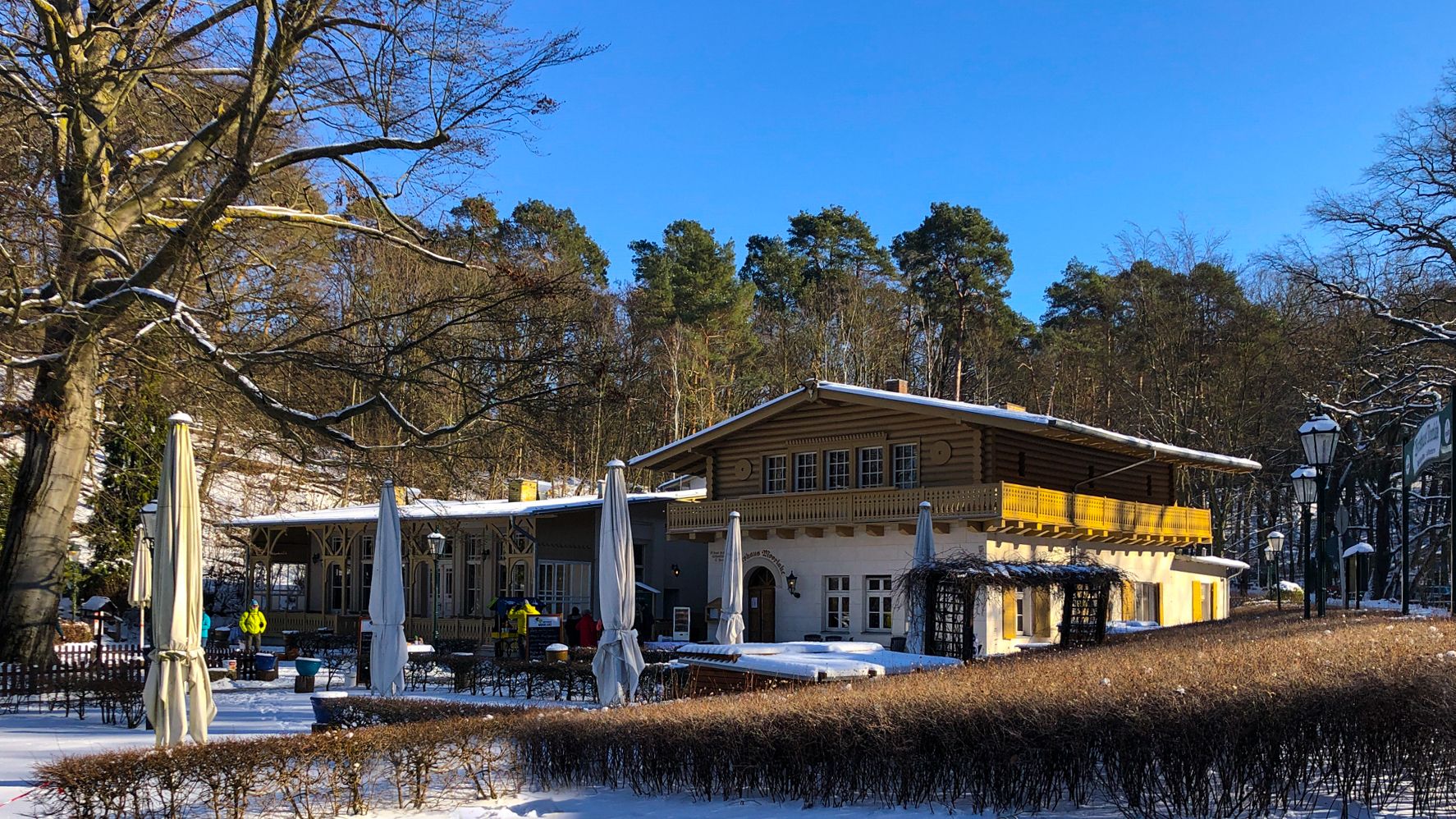
Fireplaces, dumplings and beer – visit rustic inns with Berlin’s S-Bahn
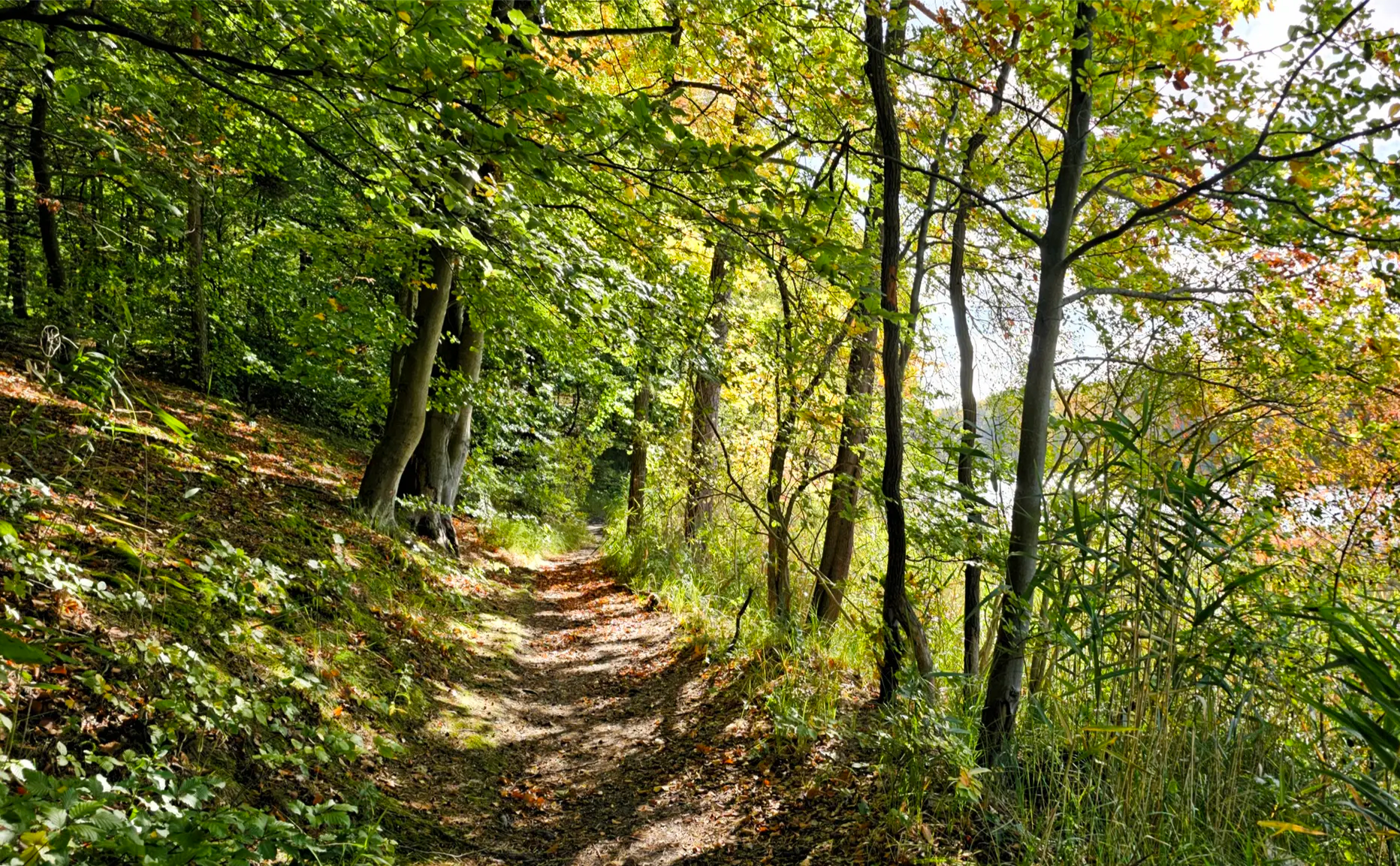
Oak, Beech, Pine & Co — S-Bahn forest tours in early fall
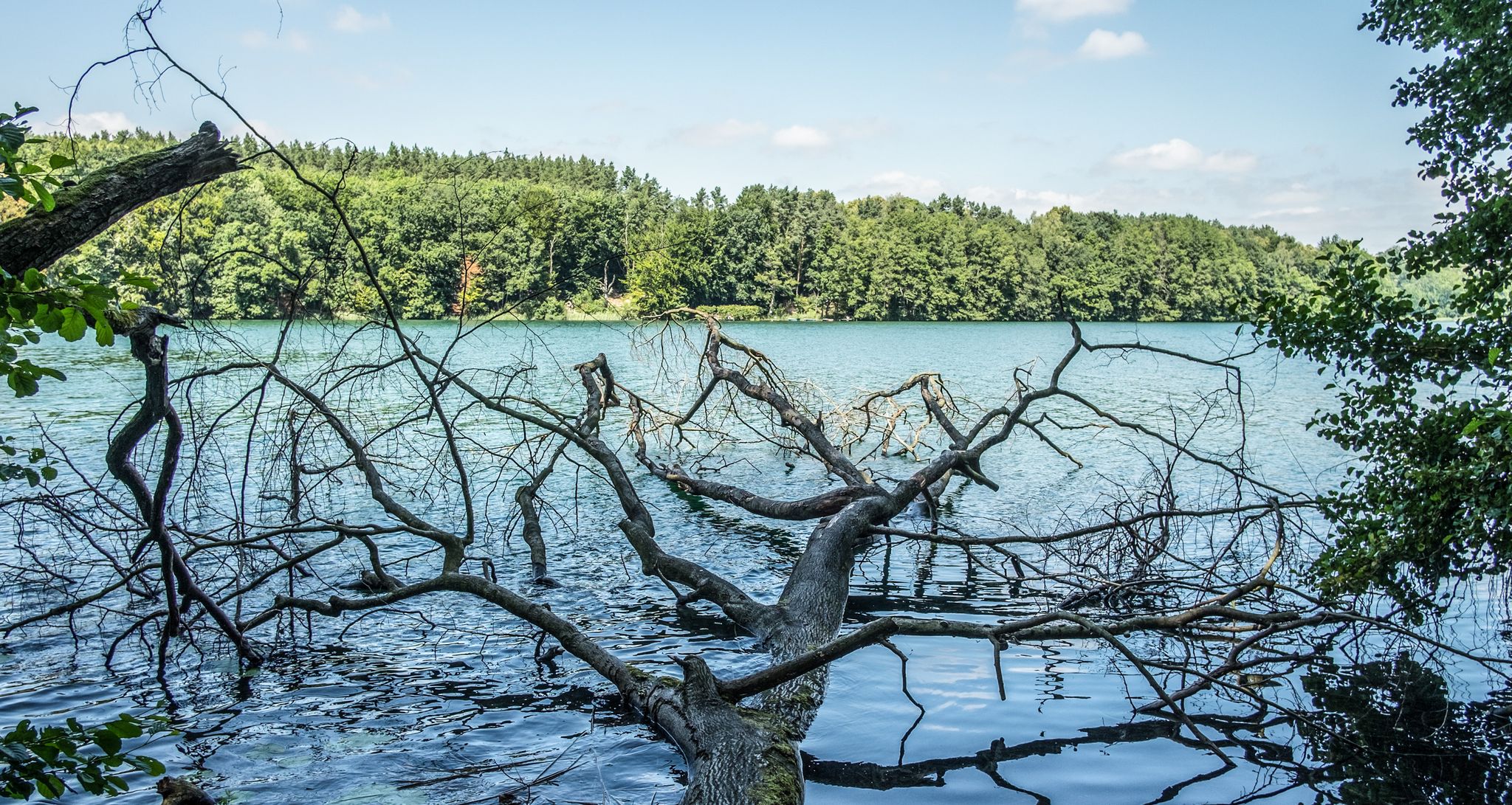
Escape to the countryside – take the S-Bahn to hidden lakes in and around Berlin
Cycling around Eichwalde
Road Cycling Routes around Eichwalde

Gravel biking around Eichwalde
Running Trails around Eichwalde
MTB Trails around Eichwalde
Hiking around Eichwalde
Other adventures around Eichwalde

Tips from the Community

Beautiful, small castle 🏰 on an island 🏝️ with a small park - worth seeing 🔝👍🏻😉‼️
1
0

Organ concerts often take place in the castle church.
6
0

The "Berlin Spy Tunnel" memorial plaque commemorates a 450 m long spy tunnel that led from a US armed forces radar station in Rudow (West Berlin) to Schönefelder Chaussee in Altglienicke in the Soviet sector. The tunnel gave the American and British secret services access to the telephone cables used by the Soviet armed forces in the GDR for their internal communications. Until its discovery in April 1956, the tunnel was in operation for 11 months and recorded around 440,000 conversations on around 50,000 tape reels. A British double agent had betrayed the operation to the KGB, the Soviet secret service. However, the KGB only took action after a delay so as not to endanger the double agent. Source: https://www.berlin.de/museum-treptow-koepenick/gedenkorte/artikel.854952.php
1
0
The "Berlin Spy Tunnel" memorial plaque commemorates a 450 m long spy tunnel that led from a US armed forces radar station in Rudow (West Berlin) to Schönefelder Chaussee in Altglienicke in the Soviet sector. The tunnel gave the American and British secret services access to the telephone cables used by the Soviet armed forces in the GDR for their internal communications. Until its discovery in April 1956, the tunnel was in operation for 11 months and recorded around 440,000 conversations on around 50,000 tape reels. A British double agent had betrayed the operation to the KGB, the Soviet secret service. However, the KGB took action after a delay so as not to endanger the double agent. Source: https://www.berlin.de/museum-treptow-koepenick/gedenkorte/artikel.854952.php
1
0

Along the Wall Trail there is always historical information to read
1
1

Interesting contribution to the history of Berlin
1
0

King Frederick William I, known as the "Soldier King", loved the town of Wusterhausen since his youth. Here he prepared for his reign, developed new ideas for a well-organized and economical state administration and began to build a respectable army, known as the "Tall Guys".
7
3

Through this gate you reach the castle and the park
1
0
Frequently Asked Questions
Which castles near Eichwalde are most popular with visitors?
The most popular castles in the region include Köpenick Palace, known for its island location and museum, and Königs Wusterhausen Palace, which houses a museum with paintings by King Frederick William I. Visitors also appreciate Schulzendorf Castle, a neo-Renaissance mansion with a rich history.
Are there family-friendly castles to visit near Eichwalde?
Yes, several castles in the area are suitable for families. Köpenick Palace offers a museum and a beautiful landscape park for strolling. Königs Wusterhausen Palace also features a museum and extensive castle gardens that are pleasant for a family outing.
What kind of historical significance do the castles around Eichwalde have?
The castles in the region offer a deep dive into centuries of German history. For example, Köpenick Palace evolved from a Renaissance hunting lodge to a Baroque palace, housing a museum today. Königs Wusterhausen Palace was a significant residence for King Frederick William I. Beyond these, sites like Burg Eisenhardt in Bad Belzig date back over a thousand years and have hosted historical figures like Martin Luther.
What natural features or viewpoints can be found near these castles?
Many castles are set within beautiful natural surroundings. Köpenick Palace is situated on an island in the Dahme river and features a lovely landscape park. Schloss Wiesenburg, though further afield, overlooks a large park. These locations often provide scenic viewpoints and opportunities for leisurely walks.
What outdoor activities can I do near the castles around Eichwalde?
The region around Eichwalde offers various outdoor activities. You can find numerous hiking and cycling routes. For instance, there are easy hikes like the 'Weir on the Selchower Flutgraben – Bentler Capelle loop' or more challenging cycling tours such as the 'Köpenick Palace – Dahme Riverside Trail loop'. You can explore more options in the hiking guide or cycling guide for Eichwalde.
Are there hiking trails that incorporate castle visits?
Yes, some routes allow you to combine outdoor activity with historical exploration. For example, the 'Köpenick Palace – Dahme Riverside Trail loop' is a cycling route that takes you past Köpenick Palace. While specific hiking trails directly to every castle might vary, many are accessible via paths suitable for walking, often through scenic parks or riverside areas. Check the hiking guide for routes in the vicinity.
What is the best time of year to visit the castles near Eichwalde?
The castles are generally enjoyable year-round. Spring and autumn offer pleasant weather for exploring the castle grounds and parks, with vibrant foliage or blooming gardens. Summer is ideal for combining visits with other outdoor activities. Some castles may have special events or exhibitions during winter, but it's always advisable to check specific opening hours before your visit.
Can I reach the castles near Eichwalde by public transport?
Many castles in the broader Berlin-Brandenburg region are accessible by public transport. For instance, Köpenick Palace is located within Berlin and is well-connected. For other castles further out, regional trains and buses often provide access, though some may require a short walk from the nearest stop. It's recommended to check local transport schedules for specific routes.
Are there cafes or amenities near the castles?
Yes, several castles offer amenities for visitors. Köpenick Palace has the Schlosscafé Köpenick, situated in a beautiful riverside location. At Königs Wusterhausen Palace, the former outbuildings now house a castle café. Many larger castle sites also have visitor centers or small shops.
What makes the castles around Eichwalde unique?
The castles in this region showcase a diverse range of architectural styles, from Renaissance and Baroque to neo-Renaissance. They offer insights into different historical periods, from medieval fortifications to royal residences and grand mansions. Each castle tells a unique story, often intertwined with significant figures and events in German history.
Are there any lesser-known or 'hidden gem' castles worth exploring?
While not a 'hidden gem' in the traditional sense, Schulzendorf Castle is a neo-Renaissance mansion with a compelling history, including its past ownership by the Israel family and ongoing decisions about its future use. It offers a different perspective compared to the more grand royal palaces.
What are the parking options at castles near Eichwalde?
Parking availability varies by castle. Larger, more popular sites like Köpenick Palace often have designated parking areas nearby, though these may be paid. For smaller or more remote castles, parking might be limited to street parking or small lots. It's always best to check the specific castle's website for detailed parking information before your visit.
Most popular routes around Eichwalde
Most popular attractions around Eichwalde

Get inspired with the komoot mobile app


Explore more
Looking for the best castles somewhere else? Discover other guides around Eichwalde:
