The best road cycling routes around Vitorino Das Donas
4.1
(21)
1,310
riders
44
rides
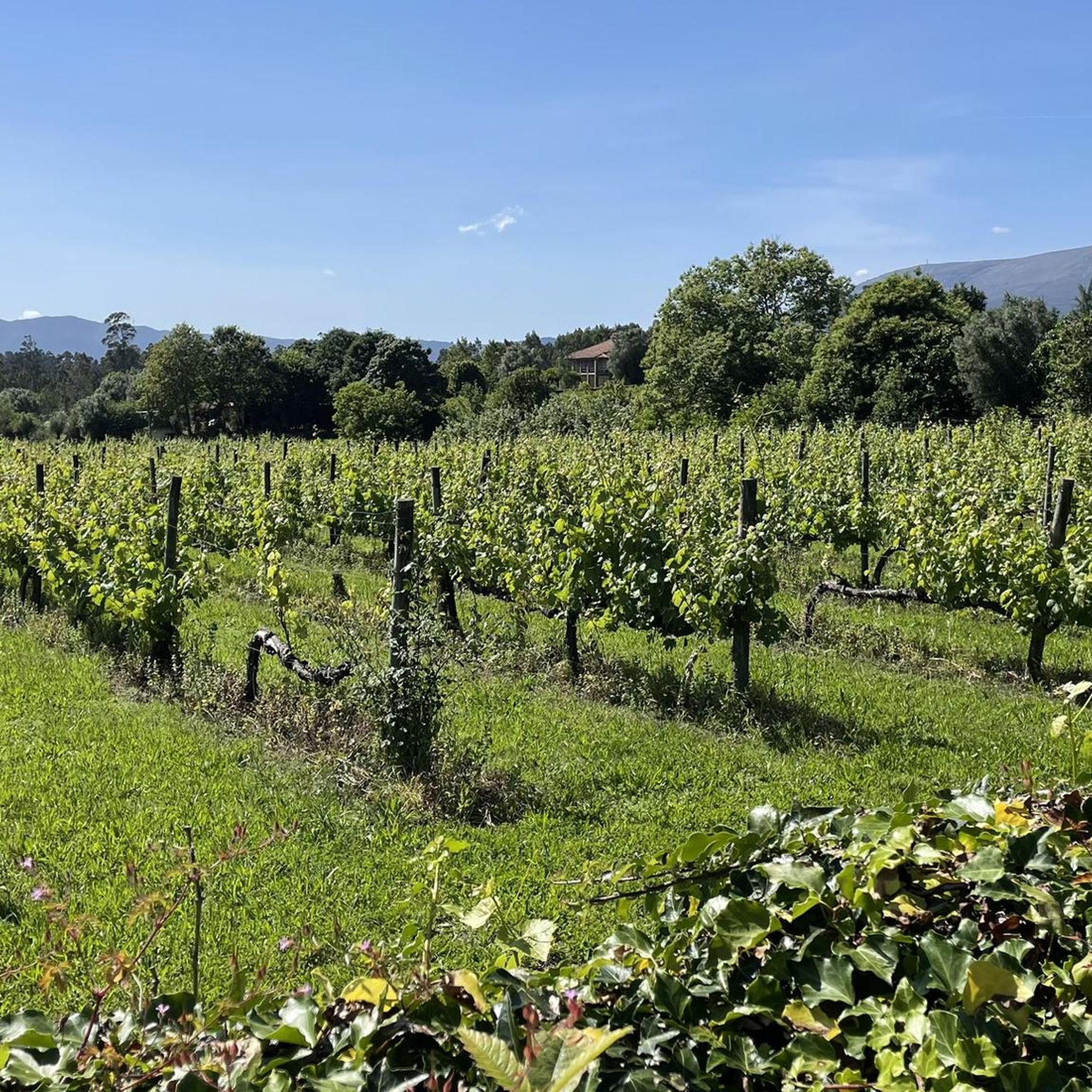
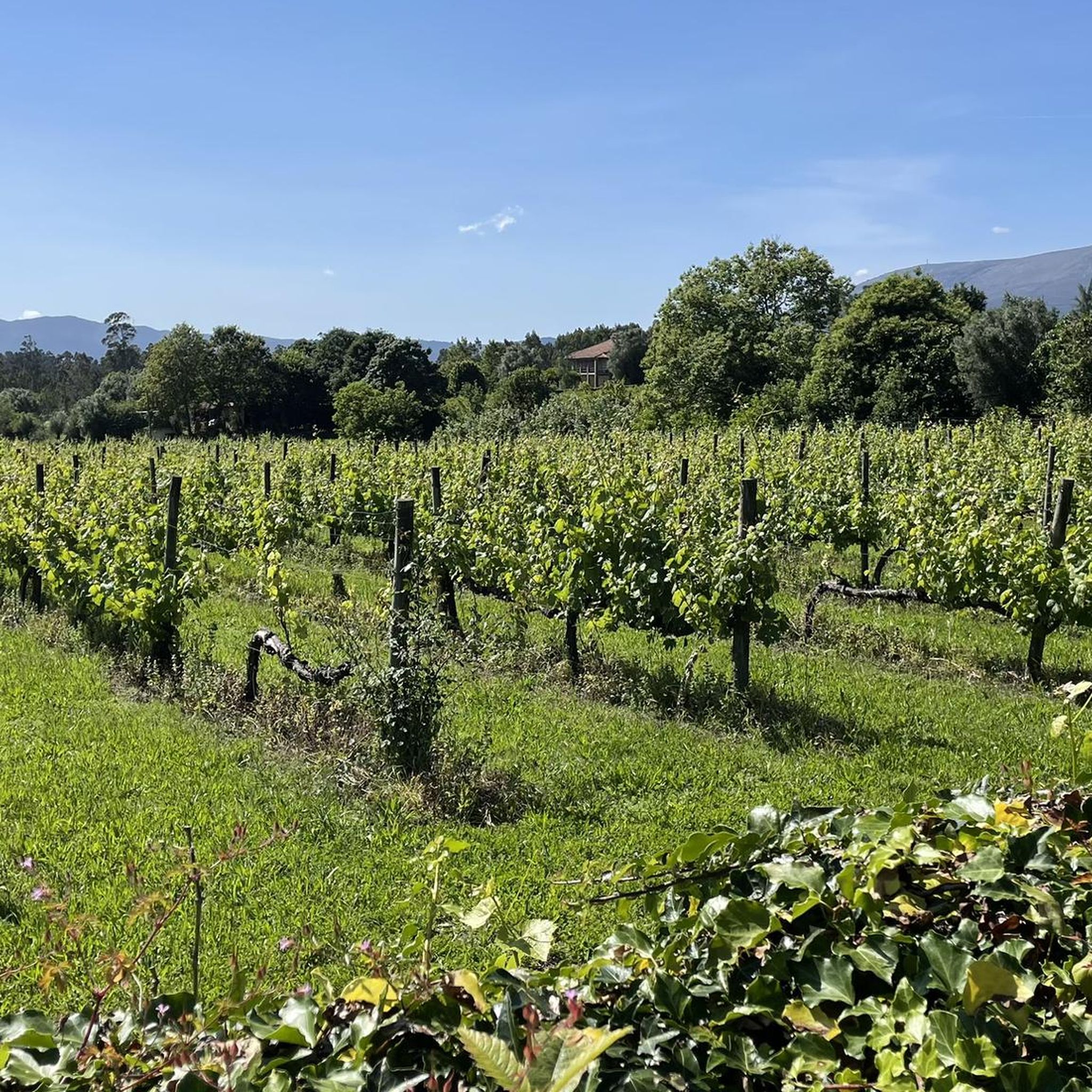
Road cycling routes around Vitorino Das Donas are situated along the south bank of the Lima River in Portugal, offering a picturesque setting for outdoor activities. The region features a rural landscape with green zones, vineyards, and gentle slopes, providing varied terrain for cyclists. Roads wind through serene countryside, connecting to the Lima River banks and offering views of the surrounding natural environment. The area includes both relatively flat sections and routes with moderate climbs, catering to different road cycling…
Last updated: May 7, 2026
4.0
(3)
186
riders
75.0km
03:25
580m
590m
Moderate road ride. Good fitness required. Mostly well-paved surfaces and easy to ride.
4.2
(5)
135
riders
52.7km
02:17
330m
330m
Moderate road ride. Good fitness required. Mostly well-paved surfaces and easy to ride.

Sign up for free
5.0
(2)
29
riders
44.4km
02:17
530m
530m
Moderate road ride. Good fitness required. Mostly well-paved surfaces and easy to ride.
23
riders
85.5km
03:54
730m
730m
Moderate road ride. Good fitness required. Mostly well-paved surfaces and easy to ride.
3.5
(2)
26
riders
53.7km
02:57
920m
920m
Hard road ride. Very good fitness required. Some segments of this route may be unpaved and difficult to ride.
Get access to more routes and recommendations from other explorers.
Sign up for free
Already have an account?
Our route recommendations are based on thousands of hikes, rides, and runs completed by other people on komoot.
Start today with a free account
Your next adventure awaits.
Login or Signup


Tips from the Community


Historical Context Origin of the name: The town of Ponte de Lima, the oldest in Portugal, derives its name from the bridge that crosses it. Way of St. James: The bridge is an important crossing point on the Portuguese Way of St. James. Legend: The legend of the Lima River, which runs under the bridge, tells that the Romans believed it to be the river of forgetfulness, which would have given rise to the myth that people who crossed it would forget their past lives.
2
0
The bridge that gives the Lima Bridge its name is actually a combination of two structures: a Roman section, built in the 1st century, and a medieval section, expanded in the 14th century. It crosses the Lima River and is one of the town's most emblematic monuments. Characteristics of the bridge Roman section: The remaining Roman section consists of five arches, and its construction is linked to the military road that connected the cities of Braga and Astorga. Medieval section: The medieval portion of the bridge is larger and was built to connect to the Roman section, extending the structure over the river. Material: The bridge is built of granite, using the Roman technique of "quadratum" and "vittatum" masonry.
2
0

A city bathed by the Lima River, with walking trails in the area and good food.👍🥾🇵🇹
1
0

The former hospital ship of the cod fleet is now a museum ship. The entrance fee of €5 per person is absolutely reasonable. For that, you get to see a lot of interesting things. The tour provides a very thorough explanation of life and technology on board. An audio guide is available as a helpful supplement. Much of the interior is still preserved. Absolutely worth seeing.
0
0
The former hospital ship is now a museum. The entrance fee (5 euros per person, September 2025) is well worth it. For that, you can walk through the entire ship and get a good impression of the conditions and technology of the time.
0
0

Next to the Tower of St. John, approximately where the Largo and Fountain of St. John now stand, there once stood a small chapel where St. John was venerated. Misfortune struck, and one day, the small chapel was severely damaged by a fire, with only a few statues surviving. With the demolition of the Tower of St. John, the chapel's fate was sealed and it, too, was dismantled. Construction of the Chapel of St. John began on April 9, 1863, at its current location, on the left bank of the Lima River, at the very end of Alameda de S. João. The building was completed in 1867 and blessed on June 16 of the same year. It has only one altar, but the richness of its carvings deserves to be highlighted and appreciated. The chapel is octagonal in shape and, according to Miguel Roque dos Reys Lemos, in his Municipal Annals of Ponte de Lima, was, and still is, an "elegant and beautiful" chapel. This same author states, "the materials used in all the masonry work were taken from the tower and original chapel of the same saint and from the adjacent small section of the wall that then stood at the mouth of Rua de S. João."
0
0

In the nerve center of the town.
2
1
Frequently Asked Questions
How many road cycling routes are available around Vitorino Das Donas?
Vitorino Das Donas offers a wide selection of road cycling routes, with over 45 tours available. These routes cater to various preferences, including moderate and more challenging options.
What kind of terrain can I expect on road cycling routes around Vitorino Das Donas?
The region features a diverse landscape. You'll find routes along the south bank of the Lima River, offering relatively flat sections, as well as rural roads winding through vineyards and green zones. Some routes include moderate climbs, providing a mix of riverside paths and undulating terrain.
Are there any easy or beginner-friendly road cycling routes in Vitorino Das Donas?
While most routes are classified as moderate or difficult, the area's rural roads and riverside paths can be adapted for easier rides. The presence of 'practically zero slope' areas within Vitorino Das Donas suggests that some sections are ideal for leisurely cycling. Look for routes with lower elevation gains for a more relaxed experience.
What are some notable landmarks or attractions I can see while cycling?
Many routes offer scenic views and pass by historical sites. You can cycle past the historic Paço de Vitorino and Casa da Torre, or visit local chapels like Capela de Santo António. Along some routes, you might encounter the Roman Bridge of Ponte de Lima or the Old Jail Tower. The Cycle path to Ponte de Lima is also a highlight for many cyclists.
Are there any circular road cycling routes in the area?
Yes, many of the road cycling routes around Vitorino Das Donas are designed as loops. For example, the popular Eiffel Bridge (Ponte Eiffel) – Eiffel Bridge loop from Ponte de Lima offers scenic views of the Lima River. Another option is the Roman Bridge of Ponte de Lima – Ponte de Lima loop from Ponte de Lima, which takes you through the historic town.
What is the best time of year for road cycling in Vitorino Das Donas?
The region generally offers pleasant cycling conditions for much of the year. Spring and autumn provide mild temperatures and beautiful scenery, making them ideal. Summer can be warm, but riverside routes offer refreshing breezes. The lush green zones and deciduous trees are particularly vibrant in spring and early summer.
Are there family-friendly road cycling options around Vitorino Das Donas?
The relatively flat sections along the Lima River banks and the tranquil rural roads through vineyards can be suitable for families. While specific 'family-friendly' routes aren't explicitly categorized, choosing shorter, less elevated loops will provide a pleasant experience for all ages. The serene countryside atmosphere is perfect for a relaxed family outing.
Where can I park my car when going for a road cycle in Vitorino Das Donas?
Given the area's rural nature and proximity to Ponte de Lima, parking is generally available in and around the main towns and villages. Many routes start from Ponte de Lima, where you can find designated parking areas. For specific trailheads, local information or komoot route details often provide parking suggestions.
Can I access road cycling routes using public transport?
Access to Vitorino Das Donas and nearby Ponte de Lima is possible via public transport, though options might be more limited than in larger cities. Regional bus services connect the area, and some routes may have access points near bus stops. Planning your route start and end points with public transport schedules in mind is advisable.
What do other cyclists say about road cycling in Vitorino Das Donas?
The road cycling routes in Vitorino Das Donas are highly rated by the komoot community, with an average score of 4.3 stars from 20 reviews. Cyclists often praise the picturesque setting, the mix of riverside paths and rural roads, and the tranquil atmosphere. Over 1000 road cyclists have used komoot to explore the varied terrain here.
Are there any long-distance road cycling routes available?
Yes, for those seeking longer rides, Vitorino Das Donas offers several extended routes. The Museum Ship Gil Eannes – Eiffel Bridge loop from Ponte de Lima is a substantial 46.6-mile (75.0 km) route. Another option is the View of the Neiva River – View of Esposende loop from Ponte de Lima, which spans over 85 km.
Are there cafes or places to stop for refreshments along the routes?
The rural roads and villages around Vitorino Das Donas and Ponte de Lima often feature local cafes, restaurants, and small shops where you can stop for refreshments. The charming rural character means you'll find opportunities to experience local hospitality and cuisine during your ride.
Most popular routes around Vitorino Das Donas
Most popular attractions around Vitorino Das Donas

Get inspired with the komoot mobile app


Explore more
Browse the best Road cycling routes in other regions.
