The best running trails around Poiares
3.0
(2)
82
runners
13
runs
Jogging around Poiares offers diverse natural landscapes, characterized by mountain and river settings, including the Mondego and Alva rivers. The region features a network of trails weaving through forests and agricultural land. Proximity to the Serra da Lousã provides additional varied terrain for running. This combination of features makes Vila Nova de Poiares a destination for outdoor activities and running trails.
Best jogging routes around Poiares
- The most popular jogging route is Ponte de Lima – Ecovia do Lima loop…
Last updated: July 17, 2026
12
runners
9.89km
01:03
110m
110m
Moderate run. Good fitness required. Mostly paved surfaces. Suitable for all skill levels.
13
runners
24.5km
03:27
1,020m
1,020m
Hard run. Very good fitness required. Mostly paved surfaces. Suitable for all skill levels.

Sign up for free
12
runners
30.8km
04:15
1,160m
1,160m
Hard run. Very good fitness required. Mostly paved surfaces. Suitable for all skill levels.
4
runners
8.54km
00:59
210m
210m
Moderate run. Good fitness required. Mostly paved surfaces. Suitable for all skill levels.
3.0
(1)
6
runners
29.8km
03:45
880m
880m
Hard run. Very good fitness required. Mostly paved surfaces. Suitable for all skill levels.
Get access to more routes and recommendations from other explorers.
Sign up for free
Already have an account?
Our route recommendations are based on thousands of hikes, rides, and runs completed by other people on komoot.
Start today with a free account
Your next adventure awaits.
Login or Signup
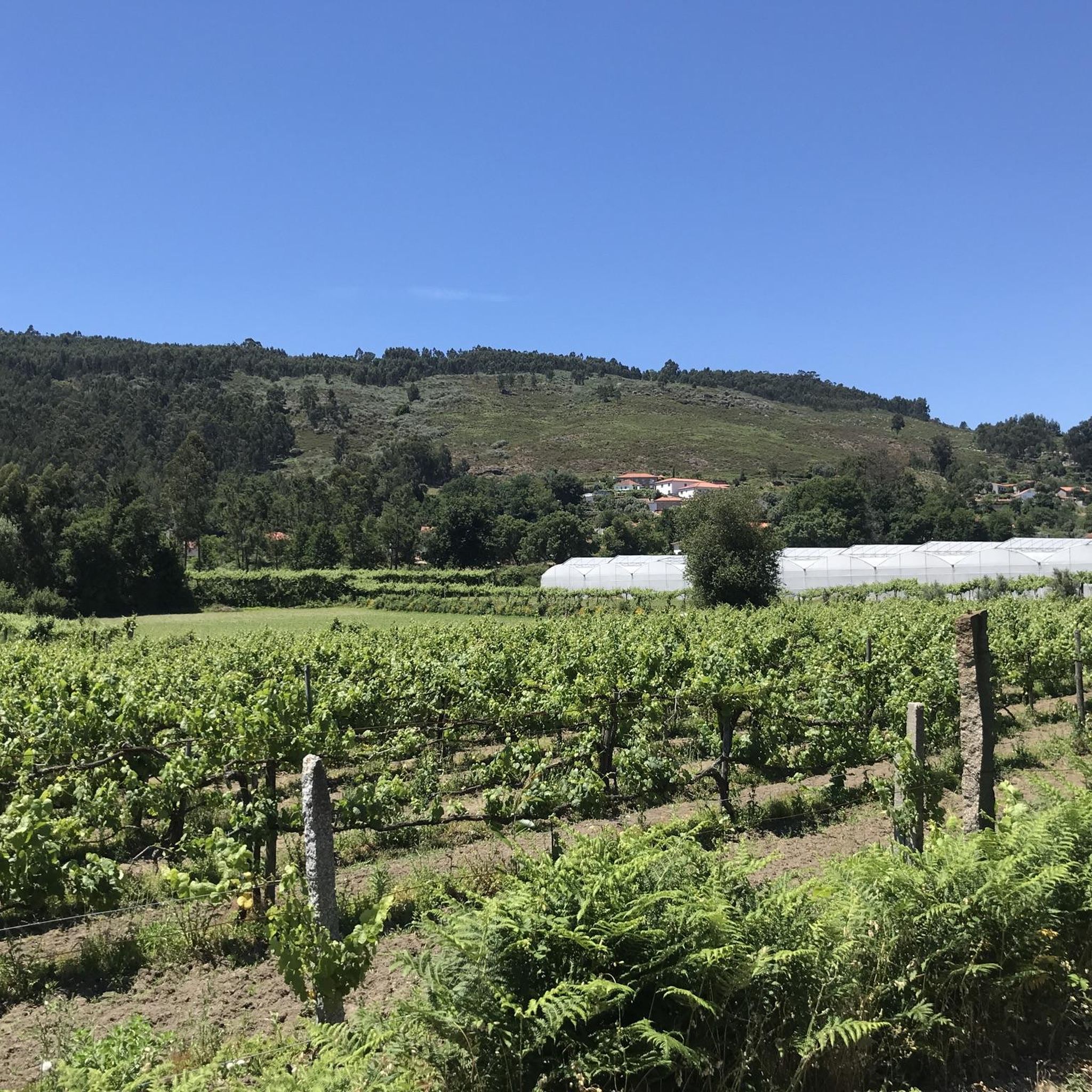
Tips from the Community


Historical Context Origin of the name: The town of Ponte de Lima, the oldest in Portugal, derives its name from the bridge that crosses it. Way of St. James: The bridge is an important crossing point on the Portuguese Way of St. James. Legend: The legend of the Lima River, which runs under the bridge, tells that the Romans believed it to be the river of forgetfulness, which would have given rise to the myth that people who crossed it would forget their past lives.
2
0
The bridge that gives the Lima Bridge its name is actually a combination of two structures: a Roman section, built in the 1st century, and a medieval section, expanded in the 14th century. It crosses the Lima River and is one of the town's most emblematic monuments. Characteristics of the bridge Roman section: The remaining Roman section consists of five arches, and its construction is linked to the military road that connected the cities of Braga and Astorga. Medieval section: The medieval portion of the bridge is larger and was built to connect to the Roman section, extending the structure over the river. Material: The bridge is built of granite, using the Roman technique of "quadratum" and "vittatum" masonry.
2
0

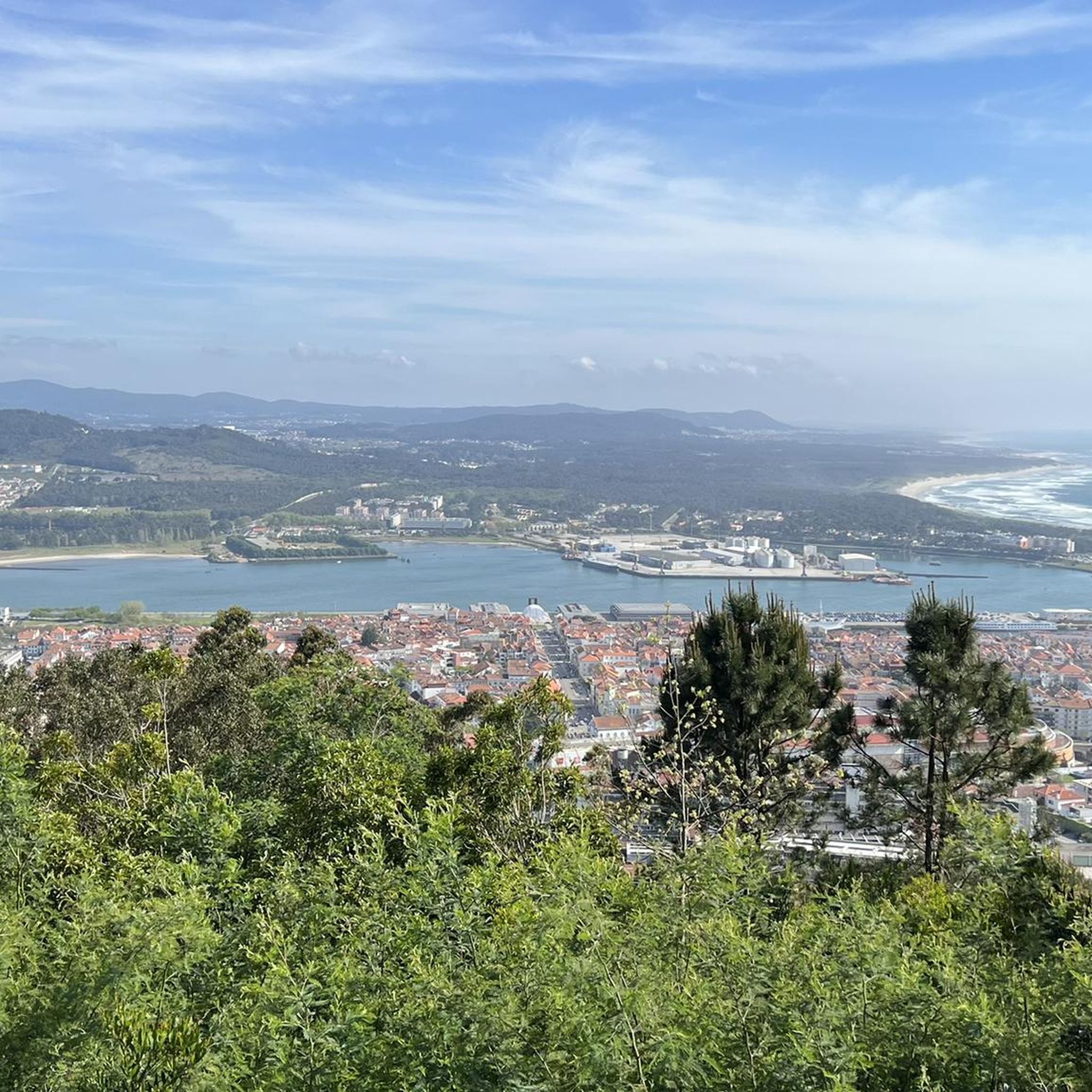
A city bathed by the Lima River, with walking trails in the area and good food.👍🥾🇵🇹
1
0

Just before reaching Ponte de Lima on the Portuguese Way, a small altar leaning against a tree invites you to pause. Surrounding it are messages of all kinds—some funny, some moving, all with the soul of a pilgrim. The generous tree offers shade and shelter. It's the perfect place to take a deep breath, recharge your batteries, and refill your bottle before continuing on your journey.
1
0
This simple wayside niche is one of the most photographed treasures by pilgrims on their way to Santiago. It depicts Saint James the Greater in tiles, an art form as Portuguese as the Way itself. The combination of the apostle's image and the delicacy of the tiles transforms this spot into a powerful symbol of the faith, culture, and identity that accompany those who travel every kilometer toward Santiago.
1
0


Here the pilgrim will find a beautiful depiction of the apostle James the Greater. It is made using a craft that is typical for Portugal: painted tiles, called azulejos. This craft is explained in Wikipedia as follows: "These weatherproof tiles are an integral part of the cityscape in these countries and are often put together to create artistic murals on public monuments and buildings, house facades and churches, but also on interior walls."
0
1
Frequently Asked Questions
How many running routes are available in Poiares?
Komoot features 13 diverse running routes around Poiares, offering a range of experiences from moderate to difficult. These trails weave through the region's varied landscapes, including mountain and river settings, forests, and agricultural land.
What kind of terrain can I expect on jogging routes in Vila Nova de Poiares?
Jogging routes in Vila Nova de Poiares are characterized by diverse natural landscapes, including mountain and river settings, particularly near the Mondego and Alva rivers. You'll find trails winding through forests and agricultural land, with some routes offering proximity to the Serra da Lousã for more varied and challenging terrain.
Are there any easy or moderate running trails suitable for beginners or families in Poiares?
Yes, Poiares offers several moderate running trails. For a scenic river path that's a good option for many, consider the Ponte de Lima – Ecovia do Lima loop from Feitosa. Another moderate option is the Pilgrim Altar loop from Vitorino das Donas.
What do other runners enjoy most about the trails in Poiares?
The running routes in Poiares are highly rated by the komoot community, with an average score of 3.0 stars. Runners often praise the diverse natural landscapes, including the mountain and river settings, and the varied terrain that makes for an engaging outdoor experience.
Are there any circular running routes in the Poiares area?
Yes, many of the running routes in Poiares are circular, allowing you to start and end in the same location. Examples include the Ponte de Lima – Ecovia do Lima loop from Feitosa, the challenging Gonçalo loop from Carapeços, and the extensive Portela de Agudelo loop from Barroselas.
What kind of attractions or landmarks can I see along the running routes in Poiares?
While jogging in Poiares, you can encounter various points of interest. For instance, the region features riverine landscapes and is close to the Serra da Lousã, known for its viewpoints. Specific highlights include the Pilgrim Altar and the Ponte das Tábuas de Balugães. You might also spot religious buildings like the Santa Cruz Chapel or the Chapel of Saint Clement of the Rocks.
Are the running trails in Poiares dog-friendly?
Many outdoor trails in Portugal, including those in Poiares, are generally dog-friendly, especially if your dog is well-behaved and kept on a leash. However, it's always recommended to check local signage or specific route descriptions for any restrictions, particularly in protected natural areas or near private property.
What are the trail conditions like in Poiares during winter, and are there shaded routes for summer?
During winter, some trails in Poiares, especially those in forested or lower-lying areas, might become muddy due to rain. For summer, the region's diverse terrain, including forests, offers shaded sections, providing relief from the sun. Routes like the Portela de Agudelo loop from Barroselas, which leads through mountain and forest landscapes, would likely offer good shade.
Is there parking available near the trailheads in Poiares?
While specific parking details for every trailhead aren't always listed, many routes in Poiares, especially those starting from villages or accessible points, typically have nearby parking options. For example, routes like the São Silvestre loop from Serreleis would likely have parking available in or near the starting village.
Can I access the running trails in Poiares using public transport?
Vila Nova de Poiares is a municipality with some public transport connections, but direct access to all trailheads via bus might be limited. It's advisable to check local bus routes and schedules for connections to the nearest towns or villages where trails begin. For more remote trails, a car might be necessary.
Are there cafes or restaurants near the running routes in Poiares?
Yes, many running routes in Poiares start or pass through villages and towns where you can find cafes and restaurants. For instance, routes like the Ponte de Lima – Ecovia do Lima loop from Feitosa, which follows a scenic river path, are likely to have amenities nearby in the larger settlements.
Are permits required for jogging on trails in Vila Nova de Poiares?
Generally, permits are not required for jogging on public trails in Vila Nova de Poiares. The region is known for its open access to natural landscapes and a network of trails. However, always be mindful of private property and any specific local regulations that might apply to certain areas.
Most popular routes around Poiares
Most popular attractions around Poiares

Get inspired with the komoot mobile app


Explore more
Browse the best Running Trails & Routes in other regions.
