Attractions and Places To See around Labruja - Top 20
Best attractions and places to see around Labruja include historical landmarks, natural features, and cultural sites within the Serra da Labruja mountain range. This region, part of the Portuguese Way to Santiago, offers a blend of historical reverence and natural exploration. Visitors can explore ancient bridges, significant religious sites, and scenic natural areas. The area provides diverse points of interest for those seeking to experience its unique heritage and landscapes.
Best attractions and places to see around Labruja
- The most…
Last updated: August 25, 2026
Roman Bridge of Ponte de Lima
Highlight • Bridge
Translated by Google •
Tip by

Ponte de Lima
Highlight • Settlement
Translated by Google •
Tip by

Sign up now to discover places like this
Get recommendations on the best single tracks, peaks, & plenty of other exciting outdoor places.
Sign up for free
Cruz dos Franceses
Highlight • Monument
Translated by Google •
Tip by

Cycle path to Ponte de Lima
Highlight (Segment) • Cycleway
Translated by Google •
Tip by

Waterfall and Cascades of the Rio Couro
Highlight • Waterfall
Translated by Google •
Tip by
Sign up for free to discover even more attractions around Labruja.
Sign up for free
Already have an account?
Start today with a free account
Your next adventure awaits.
Login or Signup
Tips from the Community

Lovely, quiet path, easy to ride when not impacted by seasonal rains and river flooding. All part of the charm and sense of adventure
0
0

Home and Access The Ecovia has multiple access points, with the connection between the city of Viana do Castelo and the town of Arcos de Valdevez being the main route.
2
0
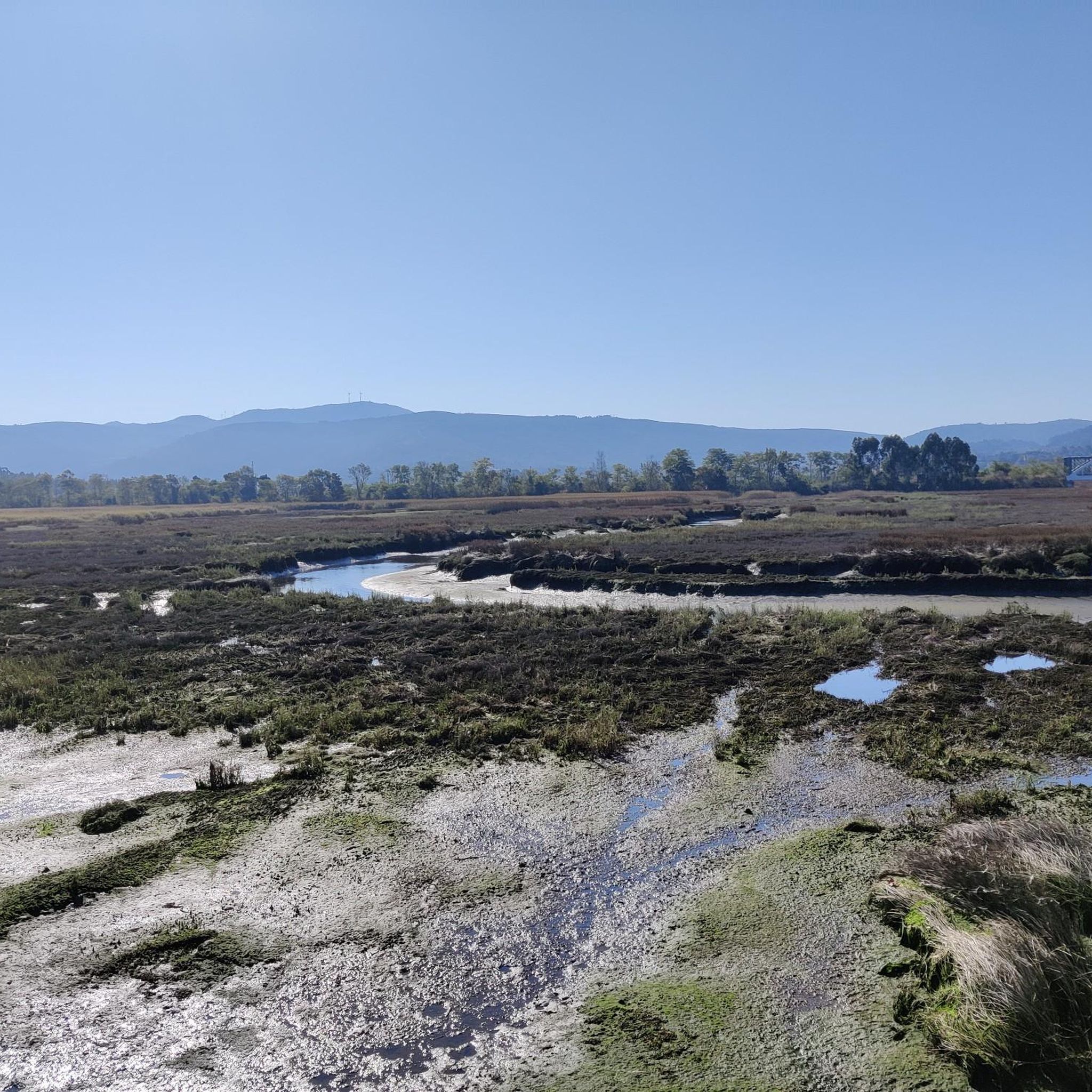
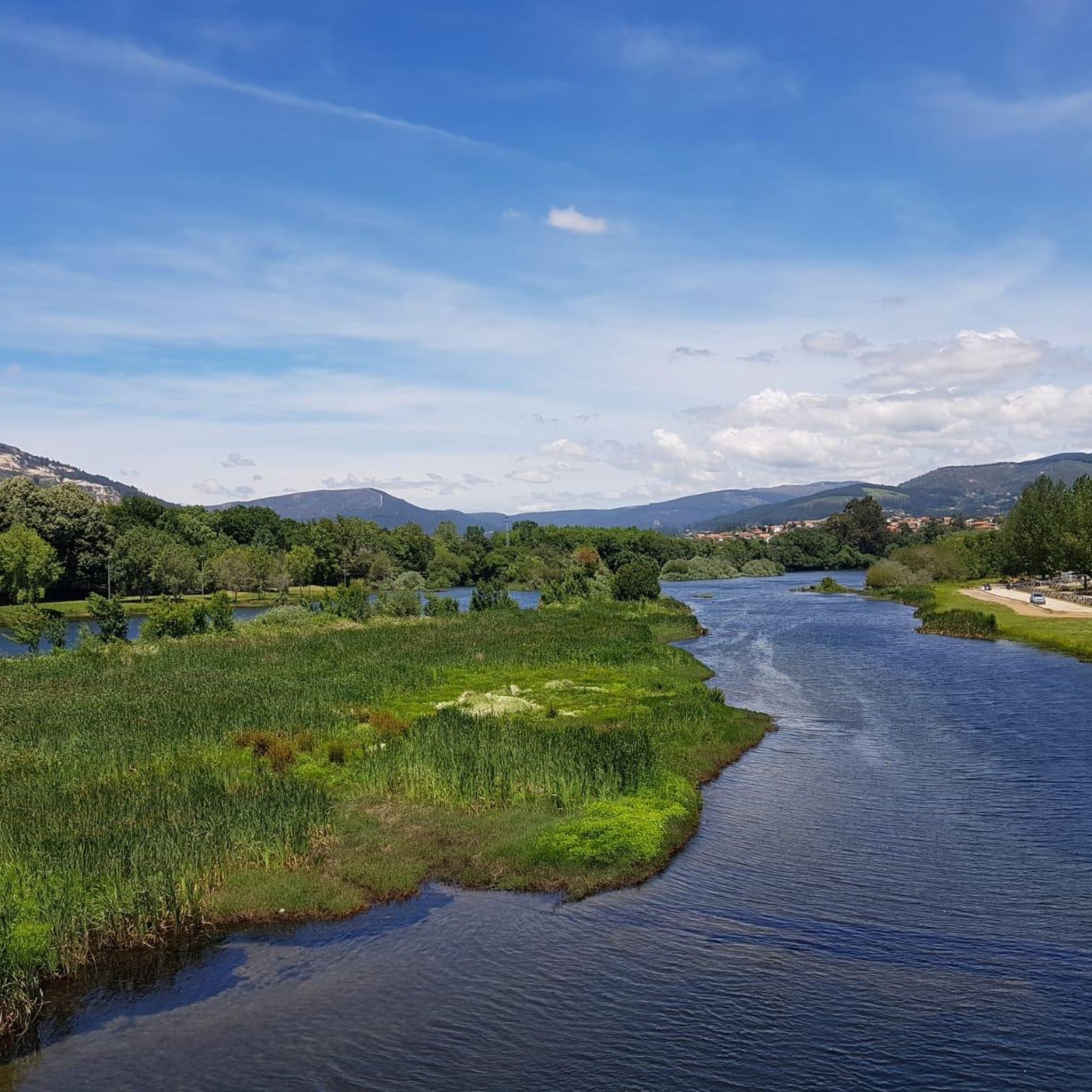
Points of Interest Along the Ecovia Panoramic Views: The route offers breathtaking views of the Lima River, the agricultural fields ("veigas") and the rural landscape of Minho. Cultural Heritage: Along the way, you can find several points of interest, such as the Chapel of São João Baptista, the Monastery of Bravães (National Monument), the Fonte Santa (with sulphurous water) and the seven watermills of Gemieira, powered by a spectacular waterfall. Recreational Areas: There are several recreational areas, picnic parks and river beaches on the banks of the river.
2
0
Route Characteristics Length: Approximately 70 km in total, divided into several sub-routes (such as the Veigas Route, the Açudes Route, and the Laranja/Refóios Route). Usage: Ideal for hiking, running, and cycling (mountain bikes are suitable due to the terrain). Motorized vehicles are prohibited. Road: Mainly packed earth and consolidated gravel, with some wooden walkways in specific areas. Difficulty: Generally easy to medium difficulty, due to the gentle slope. Accessibility: Some parts of the route have wheelchair-accessible entrances and parking.
2
0
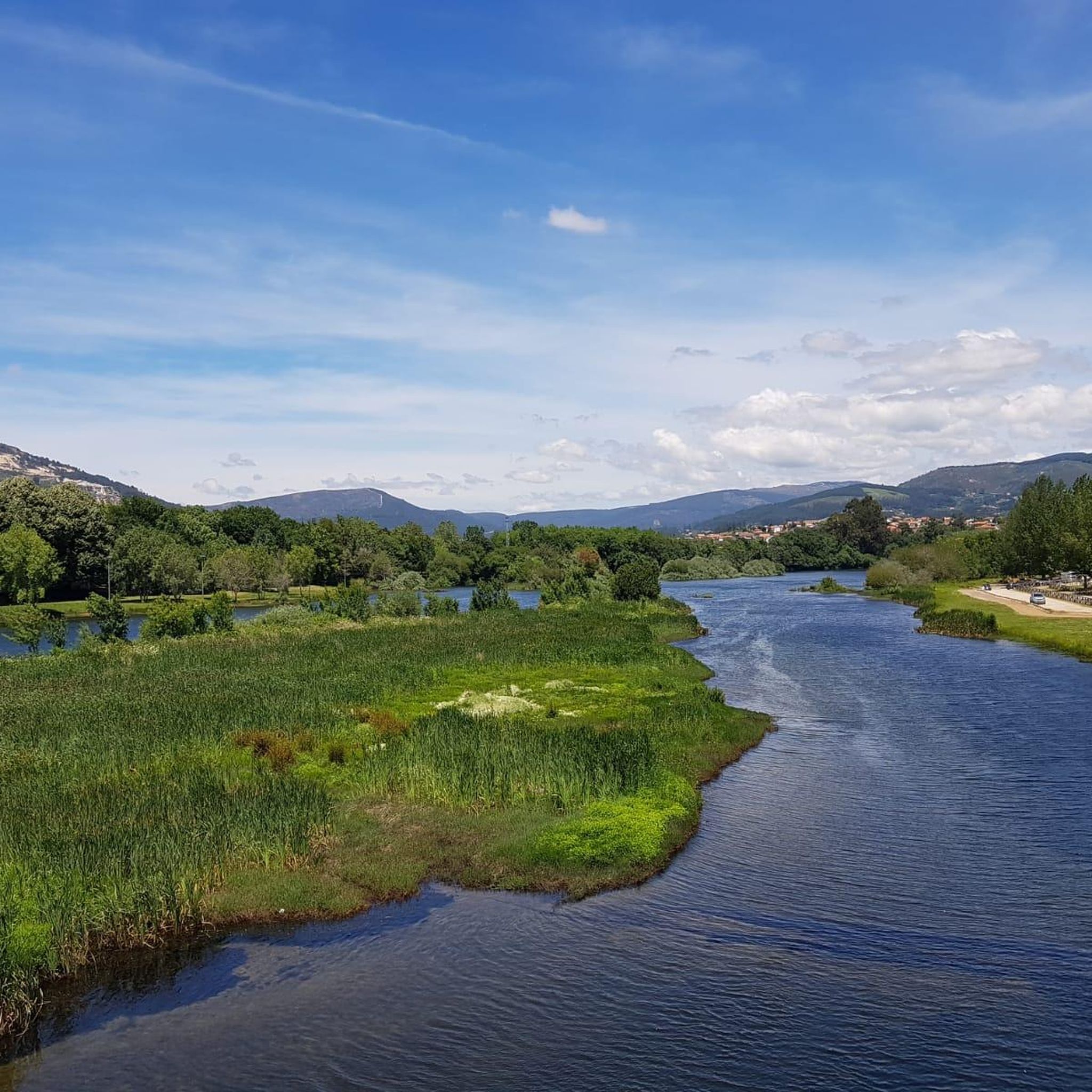
The Lima River Ecovia is an extensive pedestrian and cycling route that follows the banks of the Lima River in Alto Minho, Portugal. Stretching for approximately 70 kilometers, the ecovia crosses the municipalities of Viana do Castelo, Ponte de Lima, Ponte da Barca, and Arcos de Valdevez, offering scenic landscapes and a mostly flat route.
2
0
Historical Context Origin of the name: The town of Ponte de Lima, the oldest in Portugal, derives its name from the bridge that crosses it. Way of St. James: The bridge is an important crossing point on the Portuguese Way of St. James. Legend: The legend of the Lima River, which runs under the bridge, tells that the Romans believed it to be the river of forgetfulness, which would have given rise to the myth that people who crossed it would forget their past lives.
2
0
The bridge that gives the Lima Bridge its name is actually a combination of two structures: a Roman section, built in the 1st century, and a medieval section, expanded in the 14th century. It crosses the Lima River and is one of the town's most emblematic monuments. Characteristics of the bridge Roman section: The remaining Roman section consists of five arches, and its construction is linked to the military road that connected the cities of Braga and Astorga. Medieval section: The medieval portion of the bridge is larger and was built to connect to the Roman section, extending the structure over the river. Material: The bridge is built of granite, using the Roman technique of "quadratum" and "vittatum" masonry.
2
0
Frequently Asked Questions
What historical landmarks can I explore in Labruja?
Labruja is rich in history. You can visit the impressive Santuário do Senhor do Socorro, an 18th-century Baroque sanctuary and a significant pilgrimage site. Another notable landmark is the Cruz dos Franceses, a 19th-century Latin cross commemorating a battle during the 1809 Napoleonic invasion, located in the Serra da Labruja. The region also features ancient bridges like the Ponte do Arco with Roman vestiges, and the Parish Church of São Cristóvão da Labruja, which may date back to the 9th century.
Are there any natural attractions or viewpoints in the Labruja area?
Yes, Labruja offers beautiful natural features. The Serra da Labruja mountain range itself provides scenic landscapes. You can also discover the Waterfall and Cascades of the Rio Couro, where the Coura River creates impressive natural displays. For panoramic views, head to the Miradouro do Alto da Portela. The Poço do Pé do Negro is another natural area with clear waters and lush vegetation.
What is the Ecomuseu Natural e Cultural da Serra da Labruja?
The Ecomuseu Natural e Cultural da Serra da Labruja is a unique open-air museum featuring a cluster of ten historic water mills along the Ribeiro de São João, with three of them fully restored. It's a beautiful area with small suspension bridges and footbridges, perfect for exploring the traditional agricultural practices and the natural environment of the region.
What kind of outdoor activities can I do near Labruja?
The Labruja area is excellent for outdoor activities, especially hiking and cycling. You can explore various trails, including those that are part of the Portuguese Way to Santiago. For specific hiking routes, consider checking out the Hiking around Labruja guide, which includes moderate trails like the 'Toca River Beach – Rock Cairn Trail Marker loop'. If you prefer easier walks, the Easy hikes around Labruja guide offers options like the 'Pathway Along the Rio Lima – Roman Bridge of Ponte de Lima loop'. Cyclists can find routes in the Road Cycling Routes around Labruja guide.
Are there family-friendly attractions in Labruja?
Yes, several attractions in and around Labruja are suitable for families. The Ecomuseu Natural e Cultural da Serra da Labruja with its restored watermills and footbridges offers an engaging outdoor experience. The Roman Bridge of Ponte de Lima and the Old Jail Tower are historical sites that can be interesting for all ages. Additionally, the Waterfall and Cascades of the Rio Couro provide a scenic spot for a family break.
What is the significance of Labruja for pilgrims?
Labruja is an important stop on the Caminho Português de Santiago (Portuguese Way to Santiago). The path through Labruja, particularly the ascent to the Alto da Portela Grande de Labruja, is considered one of the more challenging but naturally rewarding sections of this millennial pilgrimage route. The Santuário do Senhor do Socorro has been a center of pilgrimages since the 13th century, and traditional ovens for pilgrims, known as "Forno do Povo," can be found there.
Where can I see traditional watermills in Labruja?
You can see traditional watermills at the Ecomuseu Natural e Cultural da Serra da Labruja. This open-air museum features a cluster of ten historic water mills along the Ribeiro de São João, with three of them, including the Watermills of Carvalho and Fijô, fully restored and operational.
What is the Lima River Ecovia?
The Lima River Ecovia is an extensive pedestrian and cycling route that follows the banks of the Lima River. While not directly in Labruja, it's easily accessible nearby and offers scenic views of the river, agricultural fields, and rural landscapes of Minho. The Cycle path to Ponte de Lima is part of this ecovia, providing a mostly flat route ideal for hiking, running, and cycling.
Can I find viewpoints with scenic vistas in the Labruja region?
Yes, the mountainous terrain of Labruja offers several scenic viewpoints. The Miradouro do Alto da Portela provides panoramic views of the surrounding landscapes. Additionally, the Cruz dos Franceses, located in the heart of the Serra da Labruja, also offers a vantage point over the area.
Are there any unique natural features or wildlife to look out for?
Beyond the waterfalls and rivers, the Serra da Labruja is known for its terraced landscapes along the Labruja River, reflecting historical agricultural practices. Keep an eye out for Garrano horses, which can often be seen grazing freely in the mountain areas around Labruja, adding a unique wildlife element to your visit.
What is the best time to visit Labruja for outdoor activities?
The best time to visit Labruja for outdoor activities like hiking and cycling is generally during the spring (April to June) and early autumn (September to October). During these periods, the weather is typically mild and pleasant, making it ideal for exploring the mountain ranges and trails without the intense heat of summer or the heavier rains of winter.
Most popular attractions around Labruja

Get inspired with the komoot mobile app


Explore more
Still not found the Highlight you’re looking for? See guides of the top attractions in other regions:
