The best road cycling routes around Arcozelo
3.8
(24)
1,034
riders
29
rides
Road cycling routes around Arcozelo, situated in Portugal's Porto District, offer a diverse landscape for cyclists. The region features a mix of Atlantic coastal paths and accessible inland routes, providing varied terrain. Cyclists can find mostly paved surfaces along the coast, which includes picturesque beaches, and routes that extend into greener inland areas with some elevation.
Best road cycling routes around Arcozelo
- The most popular road cycling route is Museum Ship Gil Eannes – Eiffel Bridge loop from Ponte de…
Last updated: July 17, 2026
4.0
(3)
186
riders
75.0km
03:25
580m
590m
Moderate road ride. Good fitness required. Mostly well-paved surfaces and easy to ride.
4.2
(5)
139
riders
52.0km
02:13
330m
330m
Moderate road ride. Good fitness required. Mostly well-paved surfaces and easy to ride.

Sign up for free
44
riders
63.8km
02:53
540m
540m
Moderate road ride. Good fitness required. Mostly well-paved surfaces and easy to ride.
4.0
(3)
30
riders
43.9km
02:15
530m
530m
Moderate road ride. Good fitness required. Mostly well-paved surfaces and easy to ride.
24
riders
85.5km
03:54
730m
730m
Moderate road ride. Good fitness required. Mostly well-paved surfaces and easy to ride.
Get access to more routes and recommendations from other explorers.
Sign up for free
Already have an account?
Our route recommendations are based on thousands of hikes, rides, and runs completed by other people on komoot.
Start today with a free account
Your next adventure awaits.
Login or Signup


Tips from the Community

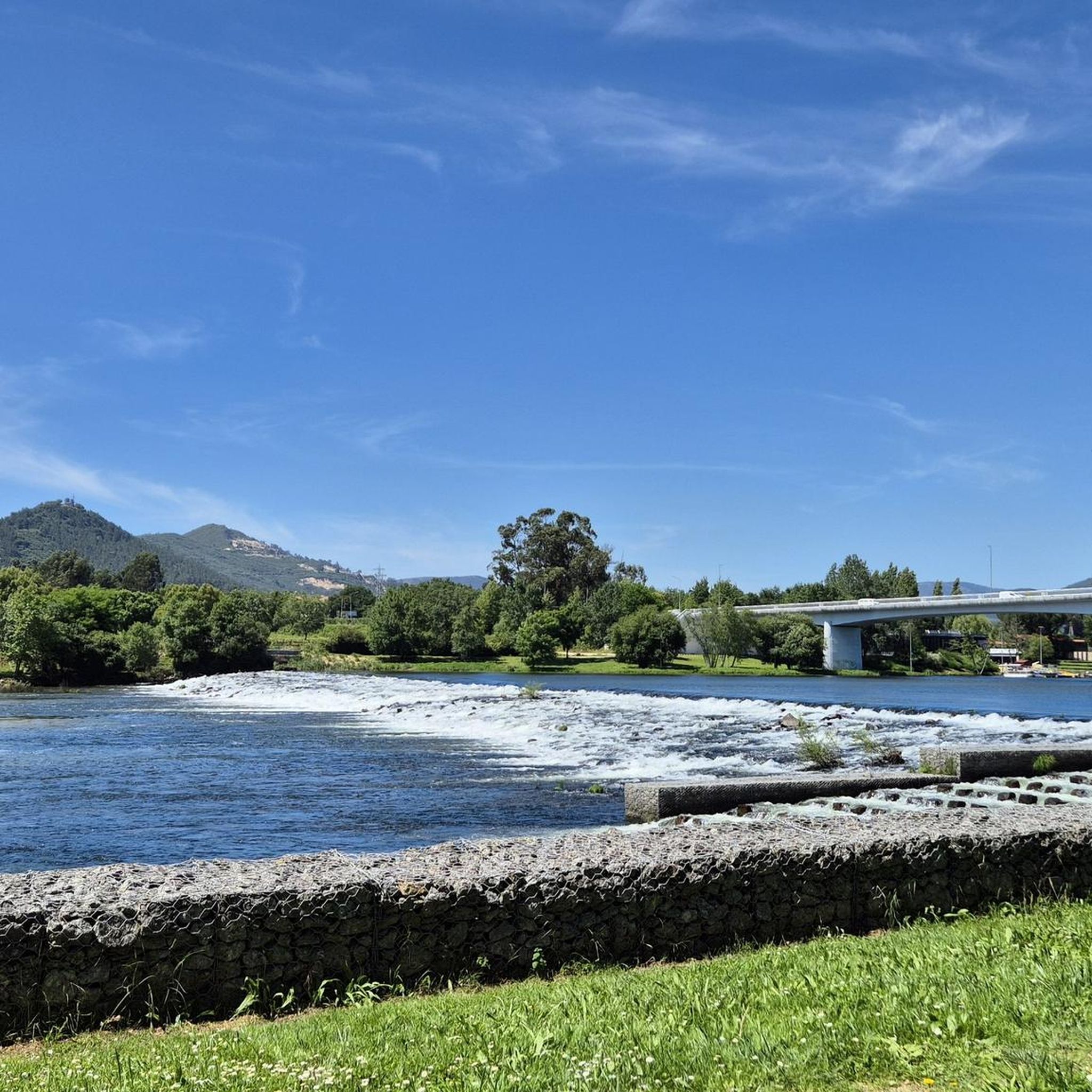
Ponte de Lima is a beautiful town with interesting streets and a very lively riverfront, you can also go canoeing.
0
0

unfortunately confusing photos of different towers again and usual photo chaos (also and especially from so-called experts!)
1
0


Location Address: N13, Viana do Castelo, Portugal. Views: Offers great photo opportunities, both from Darque and Viana do Castelo.
2
0
Access and Current Use Mixed Use: The bridge remains fully operational, serving both road and rail transport. Hours: As an essential public thoroughfare for the city, the bridge is open 24 hours a day for traffic. Works: Attention: In November and December 2025, the bridge has been undergoing maintenance work, resulting in the closure of vehicular traffic during the night (generally from 11:00 PM to 6:00 AM). It is recommended to check the exact times during your visit.
2
0
Main Features Design and Engineering: Inaugurated on June 30, 1878, it was the first road-rail bridge (with two superimposed decks) built in Portugal. Structure: It is 645 meters long, with the upper deck for car and pedestrian traffic, and the lower deck for the railway line (Minho Line). Heritage: The bridge is a beautiful example of 19th-century iron architecture and is considered a landmark of the city, being a candidate for classification as a National Monument.
2
0
The Eiffel Bridge of Viana do Castelo, also known as the Metal Bridge over the Lima River, is an iconic landmark of the city, designed in the office of the renowned engineer Gustave Eiffel. The bridge, made of iron, connects the banks of the Lima River between Viana do Castelo and the village of Darque.
2
0
Historical Context Origin of the name: The town of Ponte de Lima, the oldest in Portugal, derives its name from the bridge that crosses it. Way of St. James: The bridge is an important crossing point on the Portuguese Way of St. James. Legend: The legend of the Lima River, which runs under the bridge, tells that the Romans believed it to be the river of forgetfulness, which would have given rise to the myth that people who crossed it would forget their past lives.
2
0
Frequently Asked Questions
How many road cycling routes are available around Arcozelo?
Arcozelo offers a diverse selection of nearly 30 road cycling routes. These routes cater to various skill levels, with 19 classified as moderate and 10 as difficult, ensuring options for experienced cyclists looking for a challenge.
What kind of terrain can I expect on road cycling routes in Arcozelo?
Road cycling around Arcozelo features a mix of stunning coastal paths and accessible green inland routes. You'll find mostly paved surfaces, especially along the Atlantic coast, which includes picturesque beaches like Miramar and Granja. Inland routes may offer some elevation and wind through lush valleys.
What are some of the most scenic road cycling routes near Arcozelo?
For breathtaking views, consider routes that hug the Atlantic coast, offering extensive ocean vistas. The region is also known for routes that follow river valleys and pass through historical landscapes. One popular option is the View of the Neiva River – View of Esposende loop from Ponte de Lima, which provides scenic river views.
Are there any challenging road cycling routes with significant elevation around Arcozelo?
Yes, for cyclists seeking more challenging climbs, the Porto District offers routes with notable elevation. The Ponte de Lima – Roman Bridge of Ponte de Lima loop from Ponte de Lima is a difficult route with over 900 meters of elevation gain, perfect for those looking to test their endurance.
What is the best time of year for road cycling in Arcozelo?
The mild temperatures of spring and fall make these seasons ideal for road cycling in Arcozelo. The weather during these periods is generally pleasant, offering comfortable conditions for exploring both coastal and inland routes.
What historical landmarks or attractions can I see along road cycling routes?
Cyclists can combine their rides with visits to several cultural and natural landmarks. The unique Waterfall and Cascades of the Rio Couro and the impressive Cascata de Vilarinho are notable natural monuments. Within the broader Porto District, you might encounter historic towns and bridges, such as the ancient Ponte das Tábuas de Balugães.
Are there any circular road cycling routes available?
Yes, many routes around Arcozelo are designed as loops, allowing you to start and end at the same point. Examples include the Museum Ship Gil Eannes – Eiffel Bridge loop from Ponte de Lima and the Eiffel Bridge (Ponte Eiffel) – Eiffel Bridge loop from Ponte de Lima, both offering scenic circular journeys.
What do other road cyclists enjoy most about the routes in Arcozelo?
The road cycling routes in Arcozelo are highly rated by the komoot community, with an average score of 4.5 stars from over 17 reviews. Cyclists often praise the diverse landscapes, from stunning coastal views to lush green inland scenery, and the well-maintained, mostly paved surfaces.
Can I find long-distance road cycling opportunities in the Arcozelo area?
Absolutely. Arcozelo's proximity to the Atlantic coast means you can access parts of the EuroVelo 1 - Atlantic Coast Route, which offers extensive long-distance cycling opportunities along the Portuguese coastline. Additionally, routes like the Museum Ship Gil Eannes – Eiffel Bridge loop from Ponte de Lima span nearly 75 km, providing a substantial ride.
Are there any routes that pass by significant natural features?
Yes, the region boasts several natural features that can be incorporated into your ride. Beyond the coastal beauty, you can explore routes that lead to natural monuments such as the Protected Landscape of the Bertiandos and São Pedro de Arcos Lagoons or the Source of the Âncora River (Fonte da Urze), offering serene natural stops.
Are there any road cycling routes that are particularly good for families?
While there are no routes specifically marked as 'easy' in the guide data, the extensive coastal bike paths with mostly paved surfaces offer a smoother and potentially more family-friendly experience, especially for those with older children or who are comfortable with moderate distances. These paths often provide flat sections and beautiful views without significant climbs.
Most popular attractions around Arcozelo

Get inspired with the komoot mobile app


Explore more
Browse the best Road cycling routes in other regions.
