The best MTB trails around Chaviães
4.8
(6)
89
riders
6
rides
Mountain biking around Chaviães offers a diverse landscape characterized by river valleys, elevated terrain, and areas with thermal springs. The region provides a challenging environment for mountain bikers, with routes often featuring significant elevation gains. Trails frequently lead through varied natural settings, providing a dynamic riding experience. The area's geography supports a range of mountain biking activities, from moderate climbs to more demanding ascents.
Best mountain bike trails around Chaviães
- The most popular mountain bike trail is Ponte do Mouro…
Last updated: July 4, 2026
5.0
(1)
7
riders
41.5km
04:16
1,170m
1,170m
Hard mountain bike ride. Very good fitness required. Advanced riding skills necessary.
7
riders
38.5km
02:27
440m
440m
Moderate mountain bike ride. Good fitness required. Suitable for all skill levels.

Sign up for free
6
riders
48.4km
05:02
1,430m
1,430m
Hard mountain bike ride. Very good fitness required. Advanced riding skills necessary.
3
riders
55.9km
05:23
1,650m
1,650m
Hard mountain bike ride. Very good fitness required. Suitable for all skill levels.
4
riders
65.2km
06:05
1,720m
1,720m
Hard mountain bike ride. Very good fitness required. Suitable for all skill levels.
Our route recommendations are based on thousands of hikes, rides, and runs completed by other people on komoot.
Start today with a free account
Your next adventure awaits.
Login or Signup
Tips from the Community

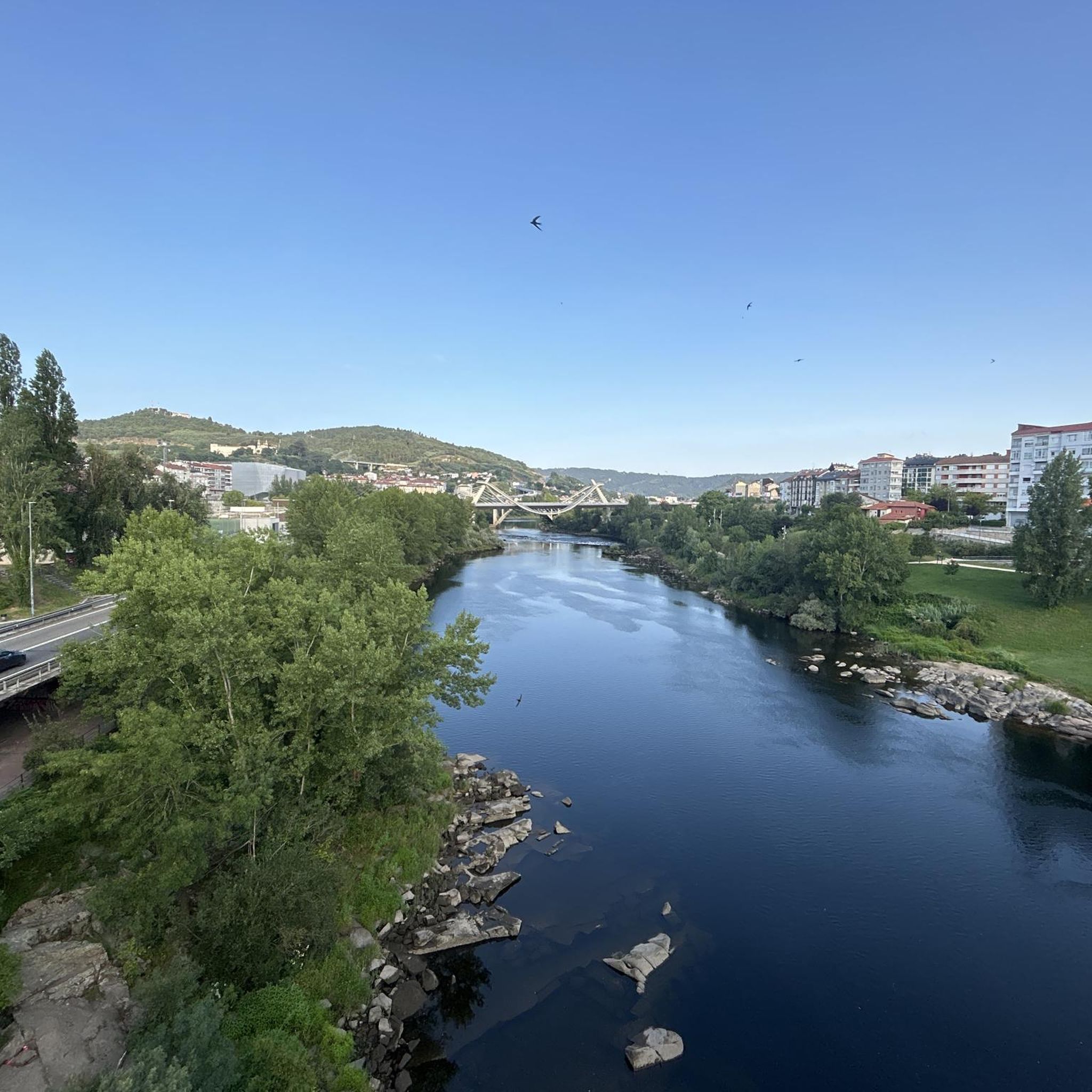
Barbeita Bridge - Mouro River - Monção - Portugal The bridge over the Mouro River is located in Ponte de Mouro, connecting Barbeita to Ceivães over the Mouro River, in Monção. It is known that a bridge existed at this location at least as early as 1386. It was here that, in that year, the historic meeting between King John I and the Duke of Lancaster, pretender to the throne of Castile, took place. The marriage of the Portuguese king to Philippa of Lancaster, the duke's daughter, was also arranged. The old bridge visible today underwent renovations in 1627.
0
0

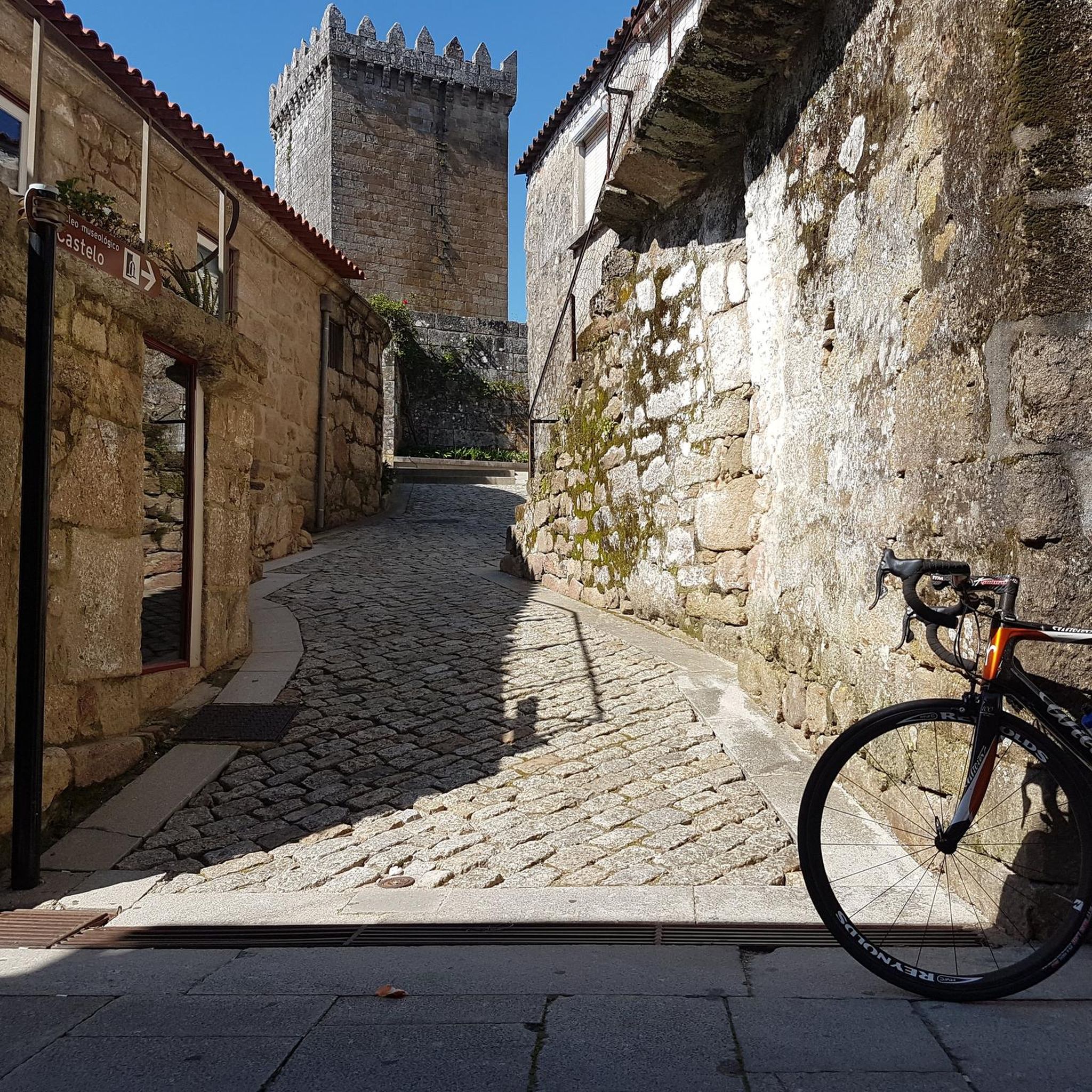
This impressive complex, now reduced mainly to its church, has medieval roots and was originally a Benedictine or Cistercian monastery (its exact origin is debated among historians). Built mainly in Romanesque style in the 12th century, it has undergone significant modifications and additions over the centuries, particularly in the 17th and 18th centuries, which have given it Mannerist and Baroque elements. Despite the transformations, it still retains many of its original Romanesque features, such as the four-archivolt portal on the façade and the structure of the choir divided into quadrangular chapels. Classified as a National Monument, the Mosteiro de Fiães is an important example of Portuguese religious architecture and a testimony to its rich monastic history.
0
0

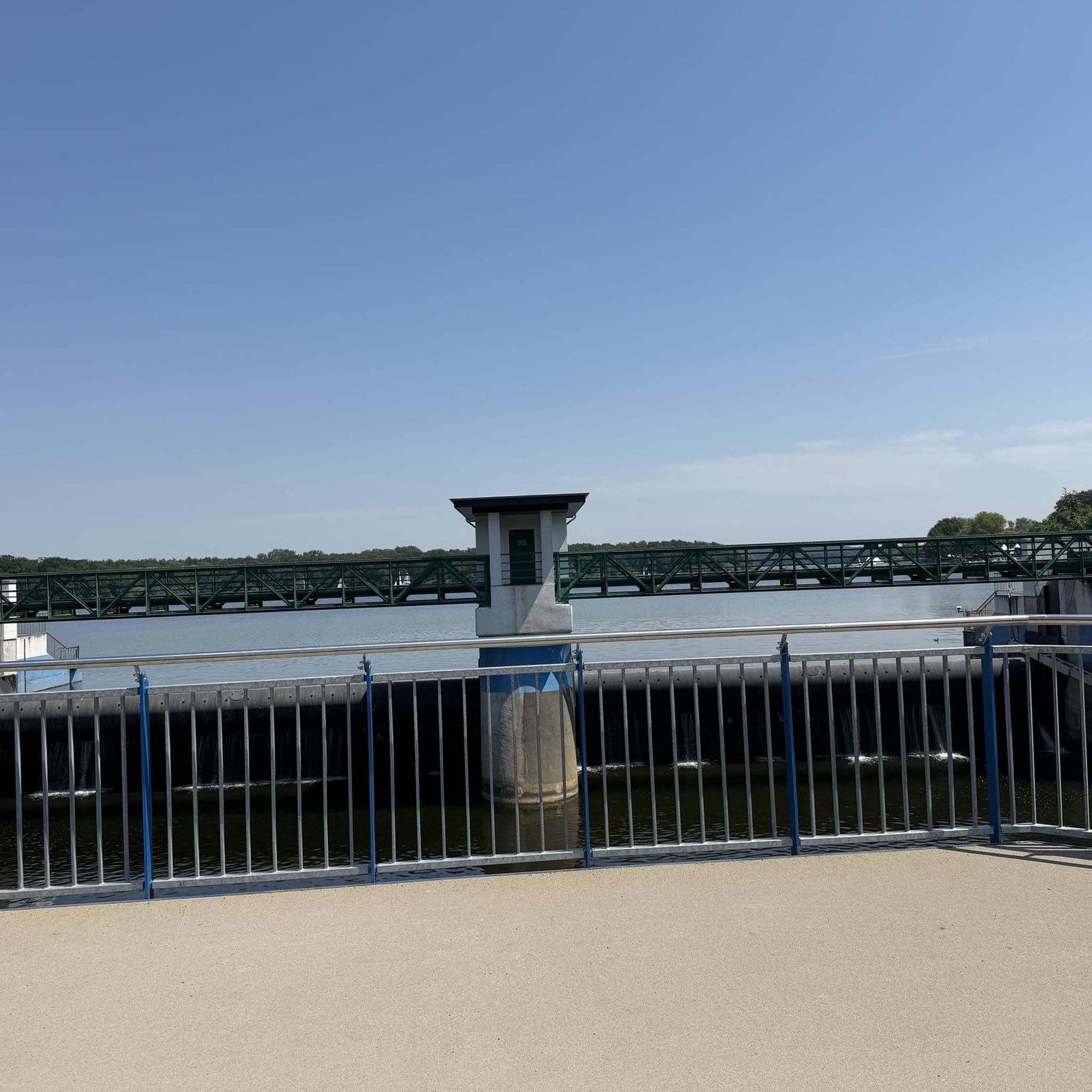
river beach in miño, dangerous place, be careful if we get into the river
1
0
end of the ecotrail that comes from MonÇao. wooden structure to save a valley.
1
0

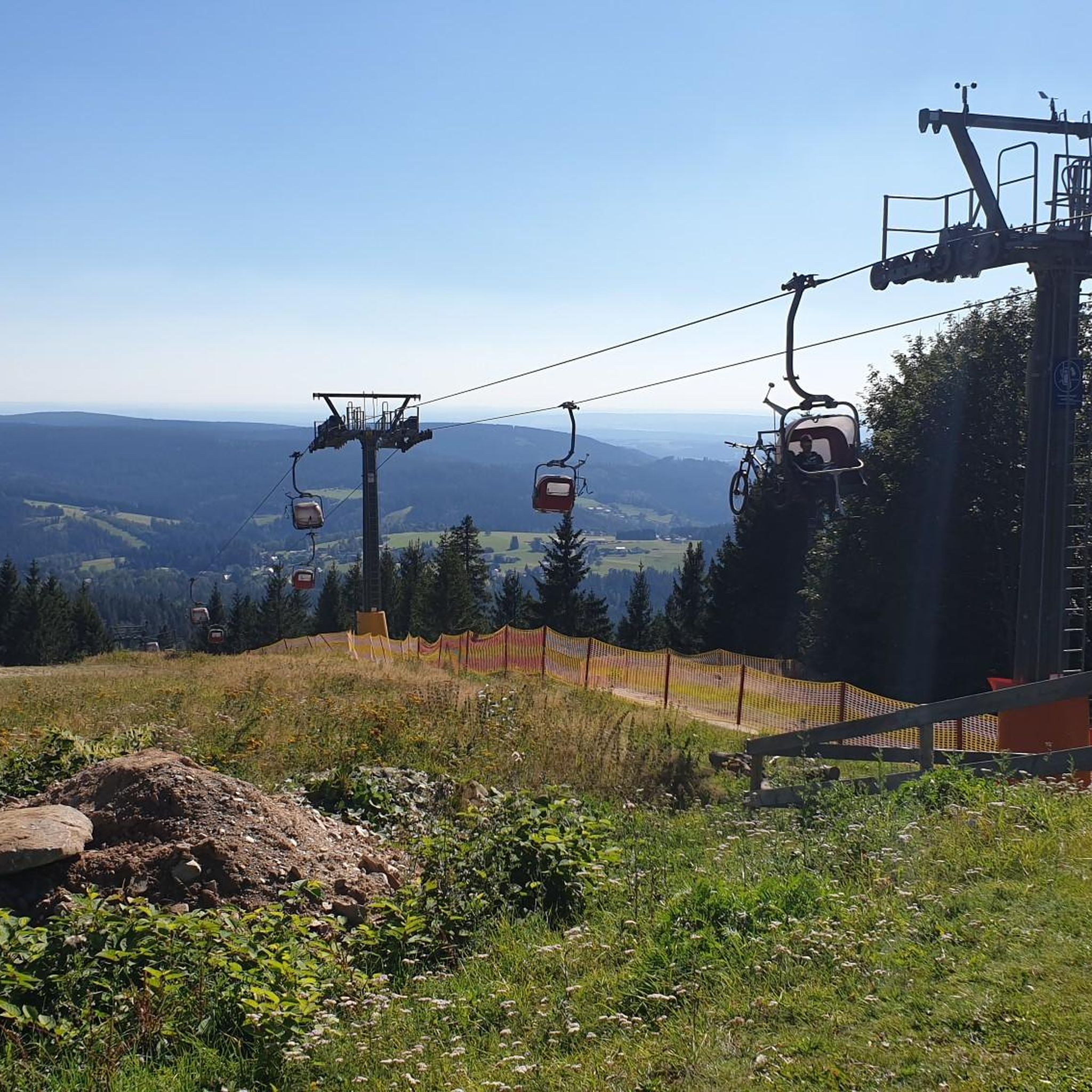
The Alto de San Fins is almost 700m above sea level. In its upper part we can find the Hermitage of San Fins. From the top you can enjoy magnificent views of the Miño river valley
2
0

Demanding climb of about 7 Km. The views at the top are spectacular.
1
0

Frequently Asked Questions
What is the general difficulty level of mountain bike trails in Chaviães?
Mountain biking around Chaviães offers a challenging environment, with routes often featuring significant elevation gains. The trails range from moderate to difficult, with 2 moderate and 4 difficult routes available. There are no easy mountain bike trails listed in this guide.
Are there any challenging mountain bike trails for experienced riders in Chaviães?
Yes, Chaviães is well-suited for experienced mountain bikers. Routes like the Coto da Vella Shrine – Chan do Rei Summit loop from Arbo, which is 30.0 miles (48.4 km) with over 1400 meters of ascent, offer a demanding experience through mountainous terrain. Another difficult option is the Melgaço Thermal Baths – Cabeço de Picotinha loop from Arbo, covering 34.9 miles (56.1 km) with over 1600 meters of climbing.
What kind of landscapes can I expect to see while mountain biking in Chaviães?
The region is characterized by diverse landscapes, including river valleys, elevated terrain, and areas with thermal springs. Trails frequently lead through varied natural settings, offering dynamic riding experiences with expansive vistas from higher points.
Are there any circular mountain bike routes in Chaviães?
Yes, many of the mountain bike trails in Chaviães are designed as loops. For example, the popular Ponte do Mouro – Ancient Lamprey Fishing Spot loop from Arbo is a 22.7 miles (36.5 km) moderate route that explores riverine landscapes. Another challenging loop is the Alto de San Fins loop from Arbo, which features substantial climbs to elevated viewpoints.
What are the typical lengths and durations of mountain bike trails in Chaviães?
The mountain bike trails in Chaviães vary in length and duration. You can find routes like the moderate Ponte do Mouro – Ancient Lamprey Fishing Spot loop from Arbo, which is 22.7 miles (36.5 km) and takes around 2 hours 17 minutes. Longer, more difficult trails, such as the Cabeço de Picotinha – Melgaço Thermal Baths loop from Arbo, can extend up to 40.4 miles (65.0 km) and take over 6 hours to complete.
What attractions or landmarks can I see near the mountain bike trails in Chaviães?
While exploring the mountain bike trails, you can discover several interesting landmarks. Notable attractions include the historic Castle of Melgaço and the Grande Hotel do Pezo Ruins. For those interested in religious heritage, the Mosteiro de Fiães and the Church of São Salvador de Paderne are also nearby.
Are there mountain bike trails in Chaviães that offer great viewpoints?
Yes, the elevated terrain in Chaviães means many trails offer expansive vistas. Routes like the Alto de San Fins loop from Arbo specifically feature substantial climbs to elevated viewpoints, providing panoramic views of the surrounding landscape. The Alto de San Fins itself is a prominent summit in the area.
What do other mountain bikers say about the trails in Chaviães?
The mountain bike routes in Chaviães are highly rated by the komoot community, with an average score of 4.8 stars from more than 5 reviews. Over 90 mountain bikers have used komoot to explore the varied terrain, often praising the challenging climbs and diverse natural settings.
Is Chaviães a good destination for mountain biking year-round?
Chaviães is located in a region that can experience varied weather. While specific trail conditions depend on recent rainfall and seasonal changes, the area's geography supports mountain biking for much of the year. It's always advisable to check local weather forecasts and trail reports before heading out, especially during winter months or periods of heavy rain.
Are there any family-friendly mountain bike routes in Chaviães?
The mountain bike trails in Chaviães are generally categorized as moderate to difficult, often involving significant elevation gains. This suggests that most routes might be more suitable for riders with some experience. There are no easy trails specifically listed in this guide that would typically be recommended for families with young children or beginners.
Can I bring my dog on the mountain bike trails in Chaviães?
While many outdoor areas in Portugal are dog-friendly, specific regulations can vary for mountain bike trails, especially those passing through protected natural areas or private land. It's best to check local signage at trailheads or consult with local tourism offices to confirm if dogs are permitted on specific routes and if they need to be kept on a leash.
Most popular routes around Chaviães
Most popular attractions around Chaviães

Get inspired with the komoot mobile app


Explore more
Browse the best MTB trails in other regions.
