The best running trails around Castro Laboreiro
5.0
(2)
69
runners
11
runs
Jogging around Castro Laboreiro offers routes through a dramatic mountainous environment within Portugal's Peneda-Gerês National Park. The region features granite boulders, glacier-carved valleys, and deep river valleys with waterfalls. Runners can explore oak forests, high-altitude vegetation, and expansive plateaus, often encountering historical landmarks. The terrain provides varied options for different running preferences.
Best jogging routes around Castro Laboreiro
- The most popular jogging route is GR 1 Peneda and Soajo Mountains Crossing, a difficult 49.4 miles (79.5 km) trail that…
Last updated: July 12, 2026
79.5km
11:18
3,050m
3,050m
Hard run. Very good fitness required. Sure-footedness, sturdy shoes and alpine experience required.
5.0
(1)
10
runners
6.10km
00:46
200m
200m
Moderate run. Good fitness required. Mostly accessible paths. Some sure footedness required.

Sign up for free
13
runners
Hard run. Very good fitness required. Mostly accessible paths. Some sure footedness required.
8
runners
10.3km
01:37
560m
560m
Hard run. Very good fitness required. Mostly paved surfaces. Suitable for all skill levels.
9
runners
12.6km
01:52
620m
620m
Hard run. Very good fitness required. Mostly paved surfaces. Suitable for all skill levels.
Get access to more routes and recommendations from other explorers.
Sign up for free
Already have an account?
Our route recommendations are based on thousands of hikes, rides, and runs completed by other people on komoot.
Start today with a free account
Your next adventure awaits.
Login or Signup
Tips from the Community

A very interesting location with all the traditional granaries ("esquigueiros") clustered together on a large rock. The view from here is also very beautiful.
1
1

The Ponte Velha de Castro Laboreiro is one of the most emblematic historical bridges in Peneda-Gerês National Park, located in the municipality of Melgaço. Of medieval origin, it was probably built between the 13th and 14th centuries. Style: Romanesque architecture, with a semicircular arch and granite stonework. Function: It formed part of the ancient road that connected Galicia with northern Portugal, facilitating the crossing of the Laboreiro River.
1
0
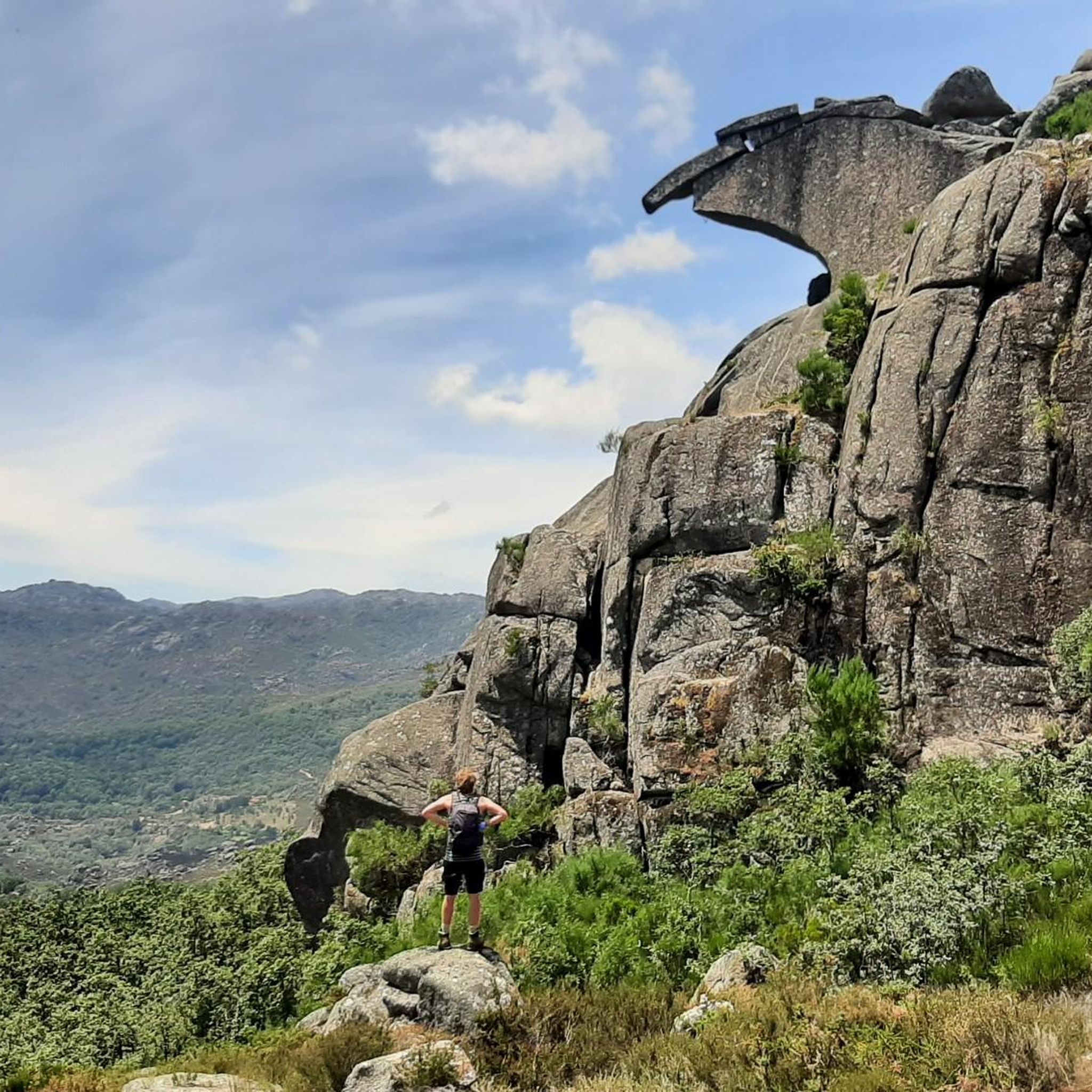
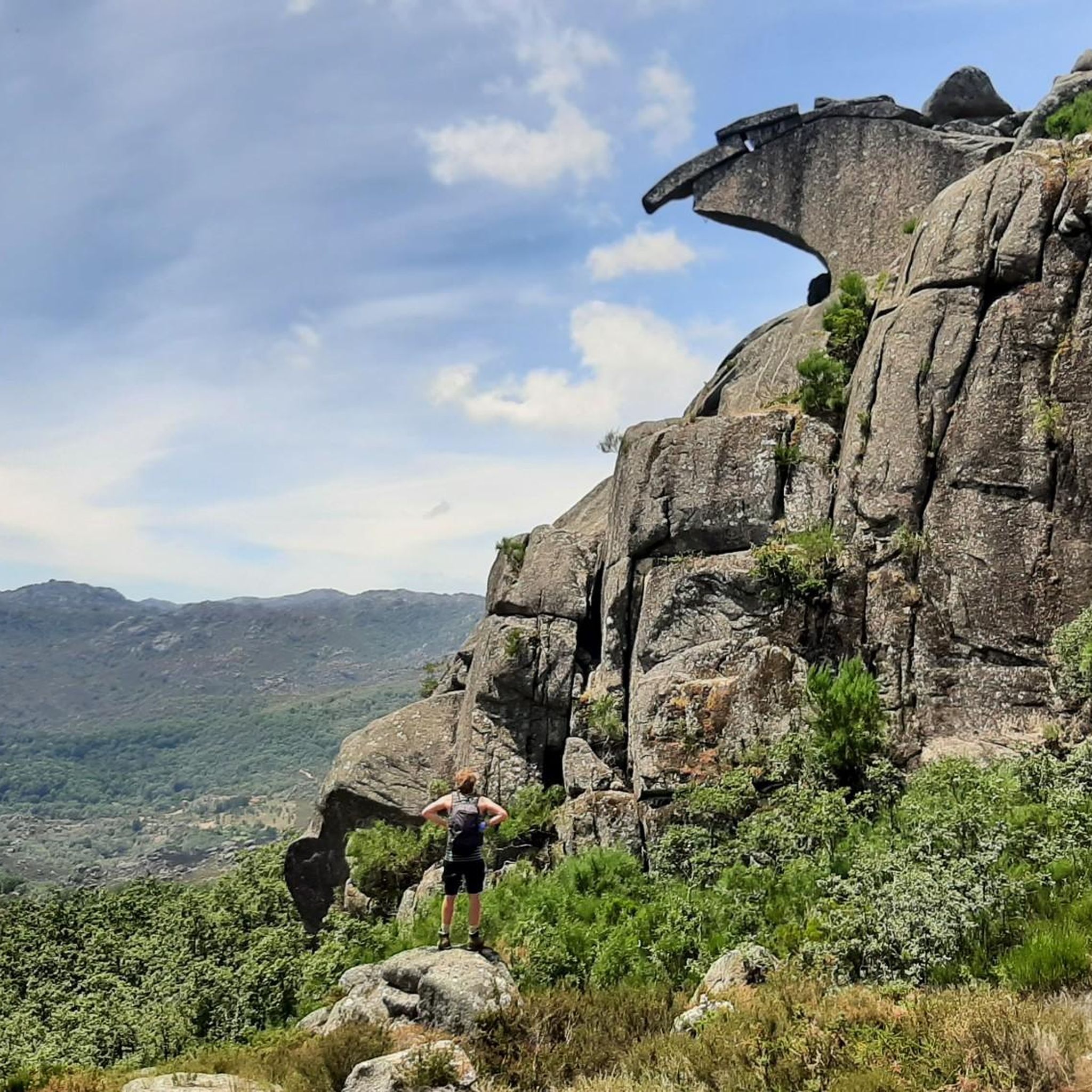
Lagoa da Meadinha is a small lagoon located in Peneda-Gerês National Park, in the Meadinha area, very close to the famous granite wall that attracts climbers. It is a natural lagoon with calm waters, formed by the accumulation of water in granite depressions. The landscape is spectacular: large granite boulders, meadows, and views of the Gerês mountain range. It is ideal for photography, wildlife observation, and relaxing on hiking trails.
1
0
The Espigueiros of Soajo are one of the most iconic symbols of northern Portugal and the Peneda-Gerês National Park. They are traditional granaries built of stone and wood, designed to store corn and other grains. They are raised on pillars with "mouse stones" (circular slabs) to prevent rodents from entering. They are covered with gabled roofs and topped with crosses, reflecting the religious influence on rural life.
1
0
Sanctuary of Our Lady of Peneda, located in northern Portugal: It is located in the parish of Gavieira, municipality of Arcos de Valdevez, within the Peneda-Gerês National Park, about 150 km from Porto. [pt.wikipedia.org], [danielasan...araujo.com] It is built over a cave beneath a granite massif known as Penedo da Meadinha, in a spectacular location bordering a deep valley.
3
0
Locally known as socalcos, these are platforms built on granite walls to utilize steep slopes and transform them into farmland. This ancient method allowed for the production of grain and pasture in an extremely mountainous environment. The Sistelo cultural landscape, comprised of these terraces, is recognized as a National Monument.
4
0

This ancient stone bridge crosses the Ribeira da Varziela near the village of Varziela. Built with large granite blocks and a simple arch, it is a fine example of traditional mountain architecture.
0
0

The Ponte Velha de Castro Laboreiro is a medieval-style bridge over the Laboreiro River, bordering the Peneda-Geres National Park. The exact date of construction of the Old Bridge is unknown, but it is likely to have been between the 15th and 16th centuries. Also known as the Ponte dos Mouros (Old Bridge), the bridge served as a crossing over the deep waterfalls of the Laboreiro River, across to the mills located on the left bank, as well as an old access road to Castro Laboreiro Castle. The bridge is approximately 5 meters long and rises approximately 5 meters above the river without any side walls.
1
0
Frequently Asked Questions
How many running routes are available in Castro Laboreiro?
There are 10 dedicated running routes around Castro Laboreiro listed on komoot. These trails offer a variety of experiences, from moderate loops to challenging long-distance runs through the mountainous landscape.
Are there any easy or beginner-friendly running routes in Castro Laboreiro?
While there are no routes specifically classified as 'easy' in our guide, there are 2 moderate running routes available. The Soajo Granaries loop from Soajo is a moderate 3.8 miles (6.1 km) path that offers a less strenuous option compared to the more challenging trails in the region. The 'Trilho Interpretativo de Castro Laboreiro (PR5 MLG)' is also a shorter, moderate circular route of approximately 3 km, providing a good introduction to the area.
What are some challenging long-distance running options in the area?
For those seeking a challenge, Castro Laboreiro offers 8 difficult running routes. The most extensive is the GR 1 Peneda and Soajo Mountains Crossing, a demanding 49.4 miles (79.5 km) trail that traverses rugged mountain ranges. Another difficult option is the Ponte da Cava da Velha – Laboreiro River Waterfalls loop from Castro Laboreiro, covering 12.0 miles (19.2 km) with significant elevation changes.
Can I find circular running routes around Castro Laboreiro?
Yes, several running routes in Castro Laboreiro are circular. For example, the Soajo Granaries loop from Soajo is a popular moderate circular path. The 'Trilho Interpretativo de Castro Laboreiro (PR5 MLG)' is also a shorter circular route. These loops allow you to start and finish in the same location, making logistics easier.
Are there running trails that pass by waterfalls?
Absolutely! The region is known for its picturesque waterfalls. The Ponte da Cava da Velha – Laboreiro River Waterfalls loop from Castro Laboreiro is a difficult 12.0 miles (19.2 km) trail specifically designed to lead you through river valleys and past beautiful waterfalls, such as the Cascata do Laboreiro.
What historical landmarks or attractions can I see while jogging?
Castro Laboreiro's trails are rich in history. You can encounter numerous historical sites, including megalithic monuments, medieval bridges, and traditional village architecture. The ruins of Castro Laboreiro Castle, a national monument, offer magnificent panoramic views. The 'Megalithism Trail of Castro Laboreiro Plateau' specifically highlights one of the largest megalithic necropolises in the Iberian Peninsula.
Is Castro Laboreiro suitable for family jogging outings?
While many routes are challenging, some shorter, moderate trails like the 'Trilho Interpretativo de Castro Laboreiro (PR5 MLG)' could be suitable for families looking for a less strenuous jogging experience. The diverse landscapes and historical elements can make for an engaging outing, but always check the route's difficulty and length to ensure it matches your family's fitness level.
Are dogs allowed on the running trails in Castro Laboreiro?
Castro Laboreiro is part of the Peneda-Gerês National Park, which generally welcomes dogs on trails, provided they are kept on a leash to protect wildlife and ensure the safety of other visitors. Always practice responsible pet ownership by cleaning up after your dog and respecting local regulations.
What is the best time of year to go jogging in Castro Laboreiro?
The scenery in Castro Laboreiro changes dramatically with the seasons. Spring offers vibrant wildflowers, while autumn showcases chestnut and oak forests in rich colors. The high altitude means cooler temperatures, which can be pleasant for jogging, especially during warmer months. However, be prepared for varied weather conditions, as the mountainous environment can be unpredictable.
Are there good viewpoints or scenic spots along the running trails?
Yes, the region is renowned for its expansive views. The village itself is on a mountainous plateau, and elevated points like the Castro Laboreiro Castle offer panoramic vistas of the Galician plateaus. Many trails traverse glacier-carved valleys and wind-swept moors, providing stunning natural scenery throughout your run.
How do other runners rate the trails in Castro Laboreiro?
The running routes in Castro Laboreiro are highly rated by the komoot community, with an impressive average score of 5.0 stars from 1 review. Over 60 runners have used komoot to explore the varied terrain, often praising the dramatic mountainous environment and the rich historical heritage found along the trails.
Is there parking available near the trailheads?
While specific parking information for each trailhead isn't detailed in the guide, Castro Laboreiro is a village within a national park, and it's common for trailheads to have designated parking areas. It's advisable to check local signage or use navigation apps for specific parking locations when planning your run.
What kind of terrain can I expect on the running routes?
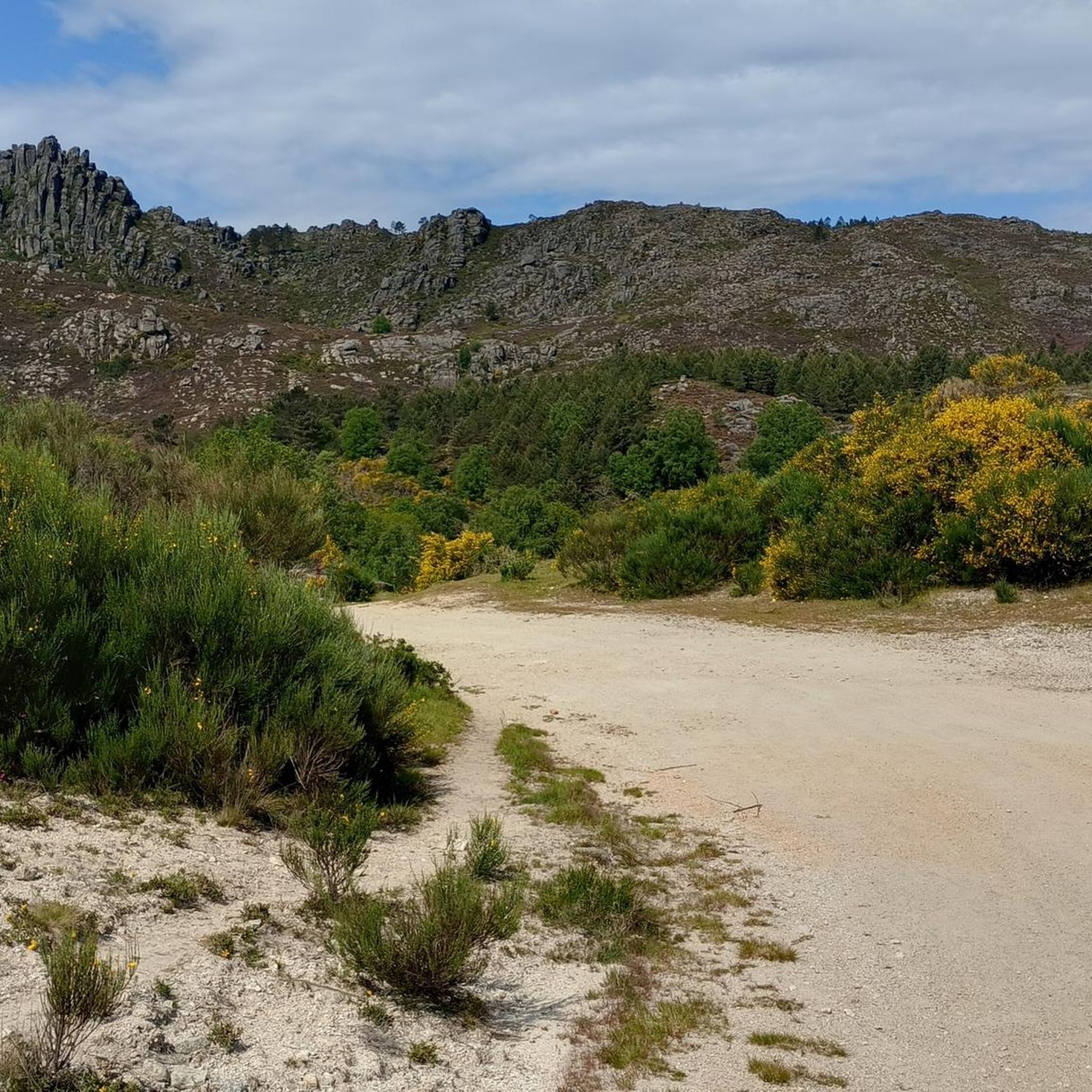
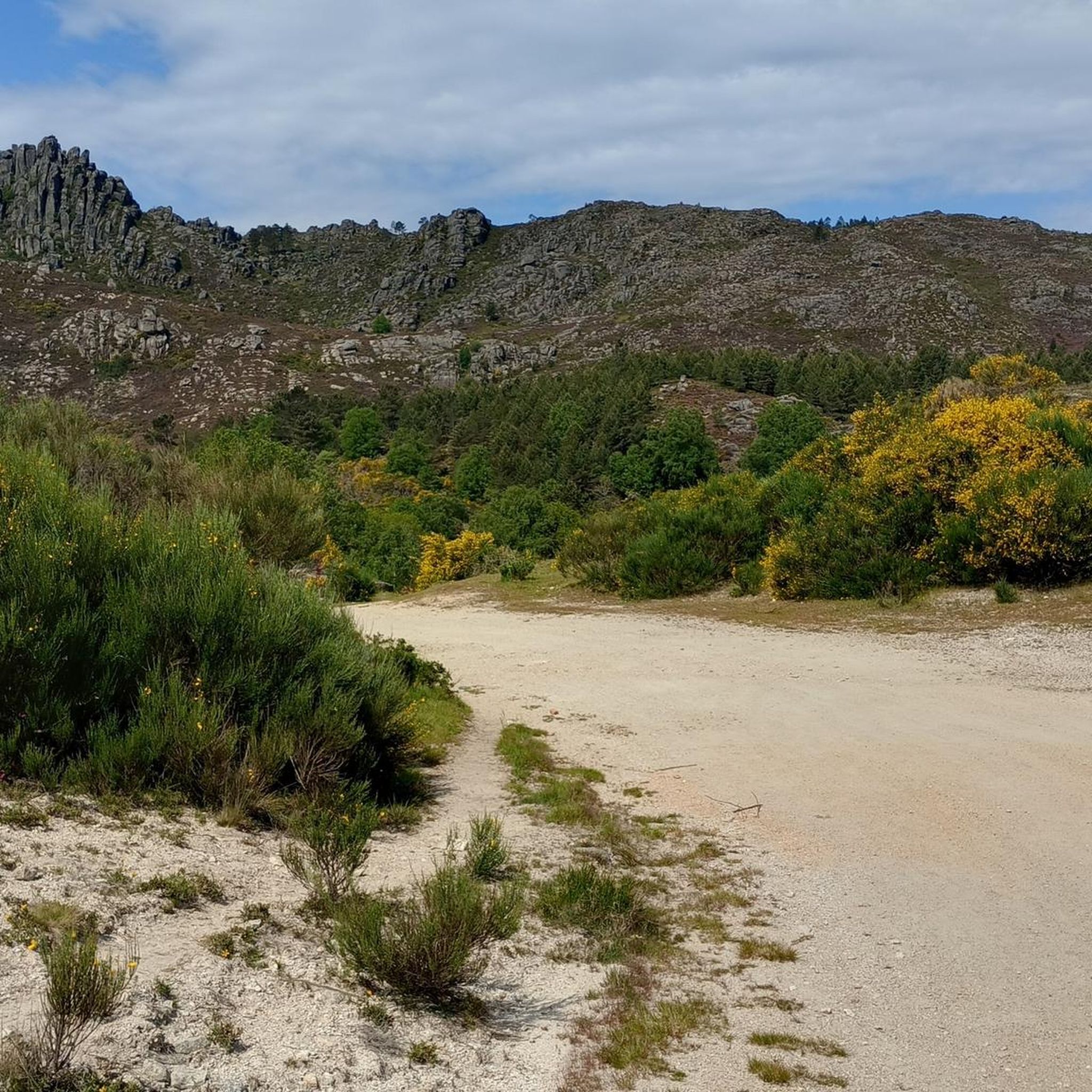
The terrain in Castro Laboreiro is diverse and rugged. You can expect a mix of granite boulders, windswept moors, and glacier-carved valleys. Trails often traverse oak woods, flowering bushes, and crystal-clear streams, with occasional cobblestone sections and arch bridges. The routes feature gradual ascents and descents, reflecting the mountainous nature of the region.
Most popular attractions around Castro Laboreiro

Get inspired with the komoot mobile app


Explore more
Browse the best Running Trails & Routes in other regions.
