The best walks and hikes around Azeitão (Azeitão (Azeitão (São Lourenço e São Simão) e São Simão) e São Simão)
4.4
(695)
3,136
hikers
45
hikes
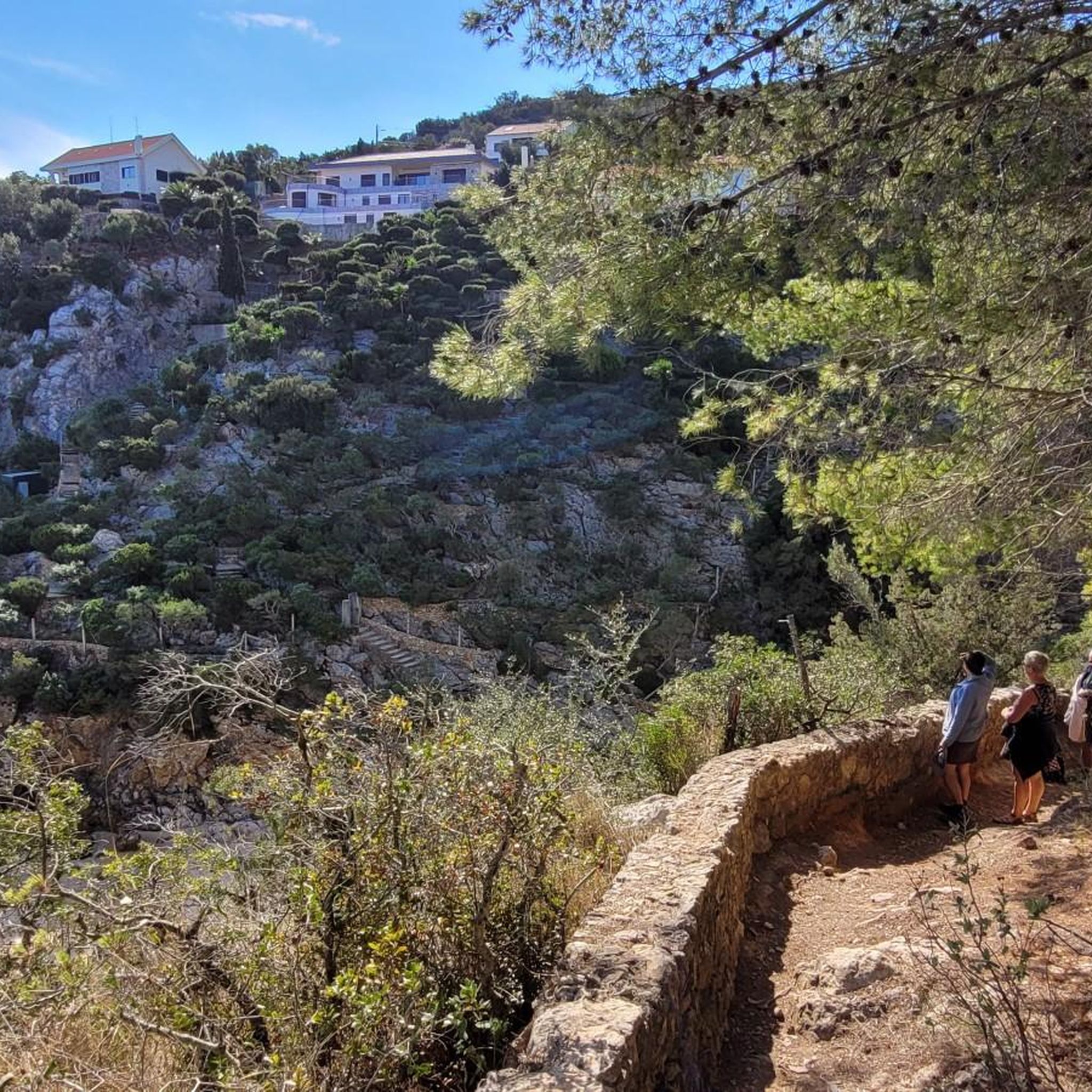
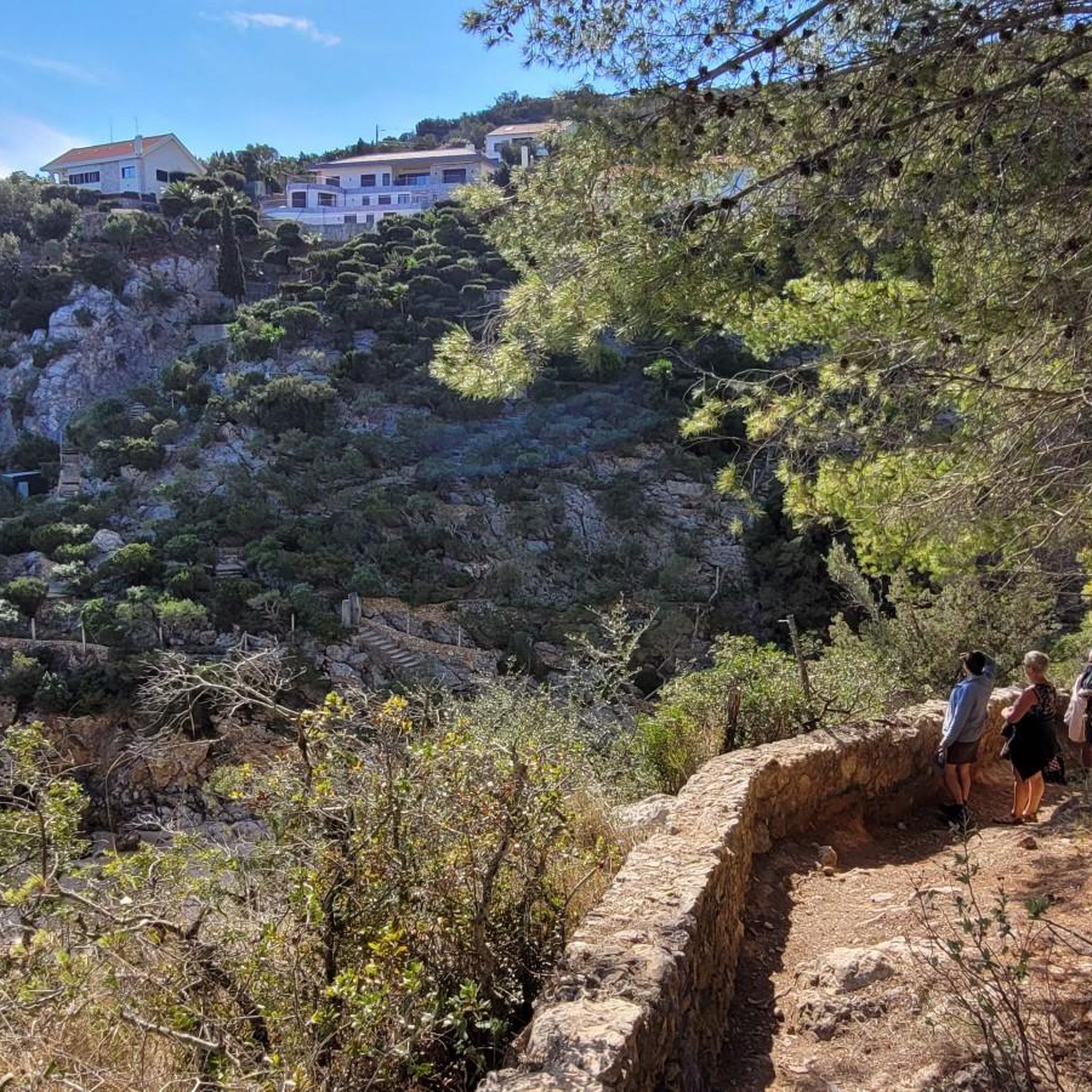
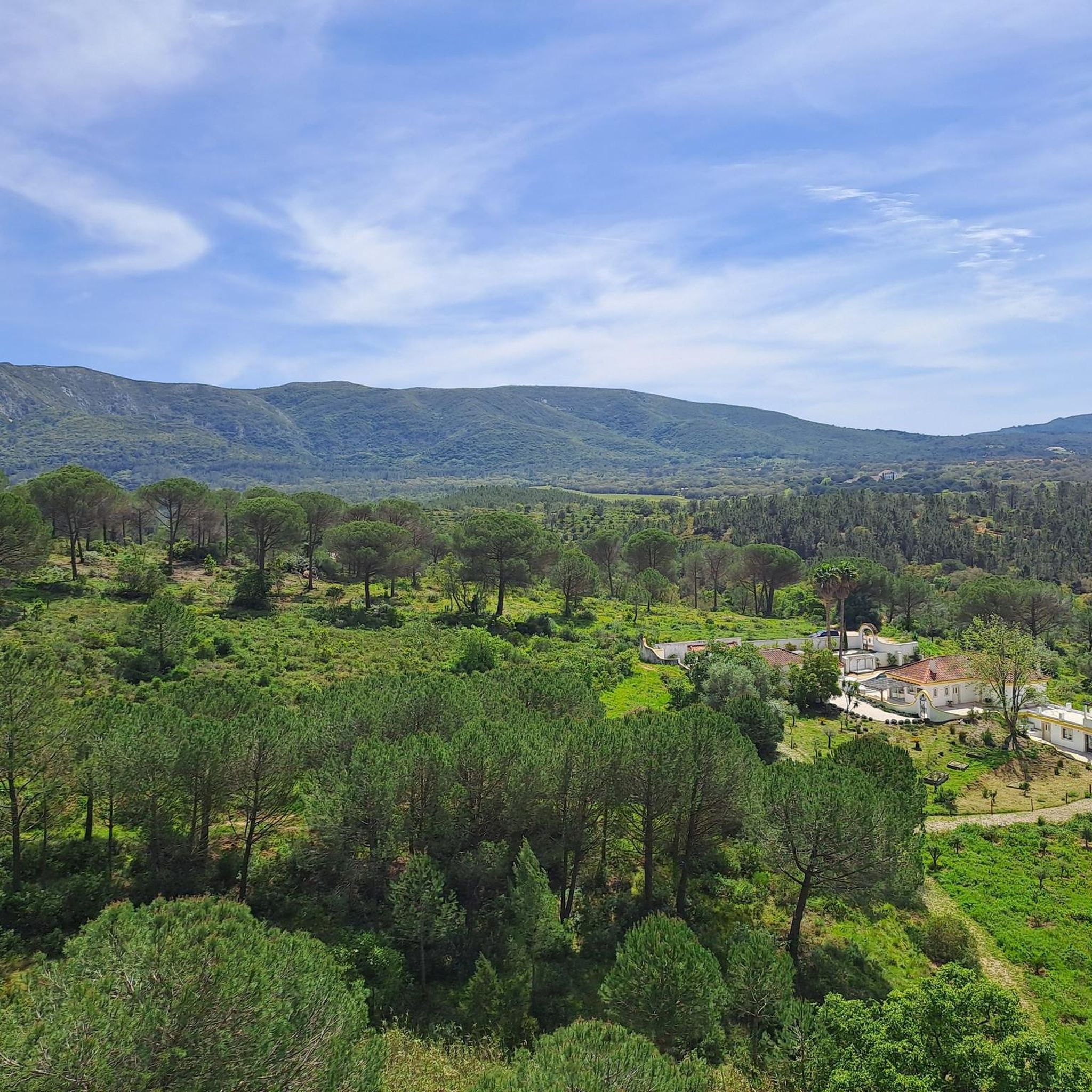
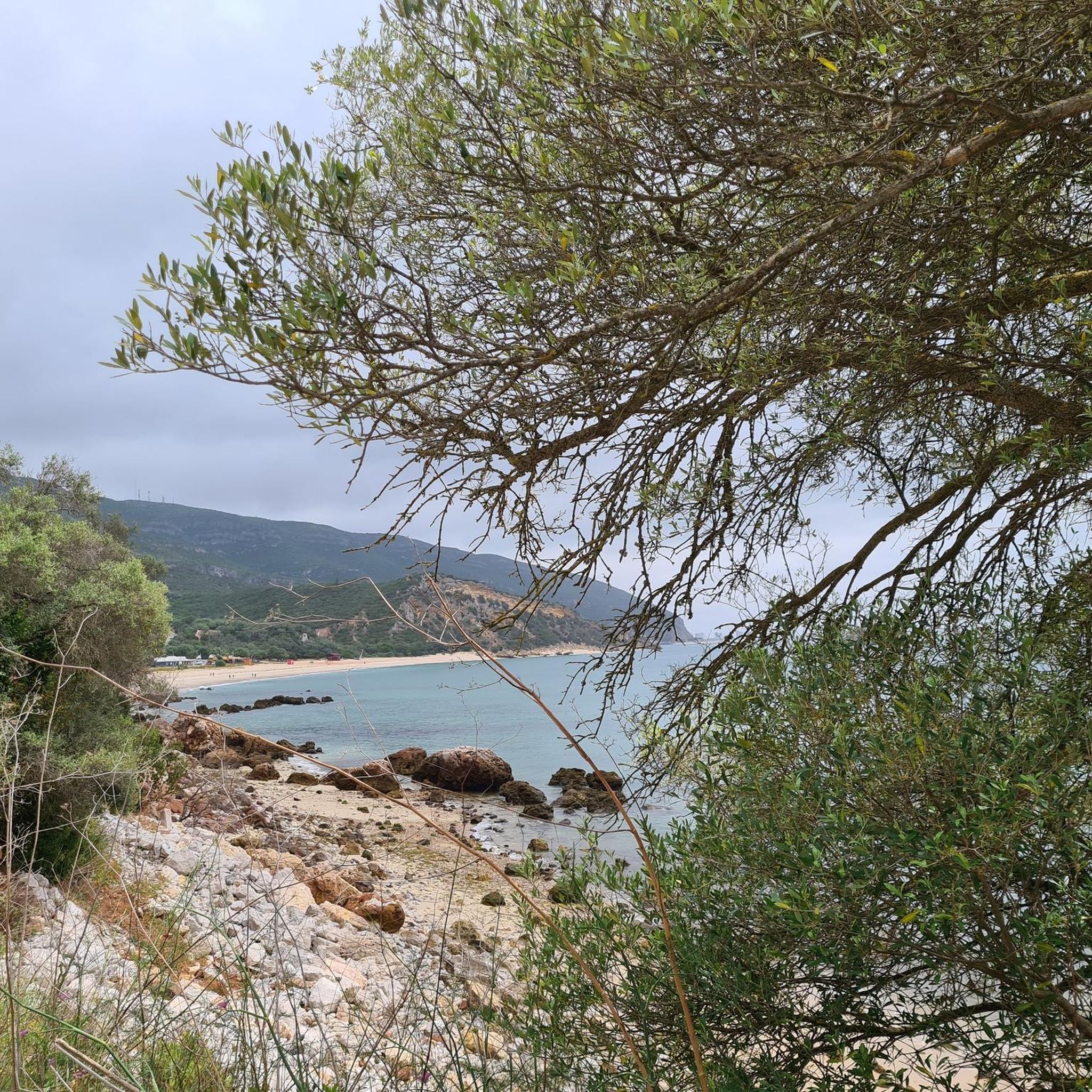
Hiking trails around Azeitão (Azeitão (Azeitão (São Lourenço e São Simão) e São Simão) e São Simão) are situated at the foothills of the Serra da Arrábida, within the Arrábida Natural Park. This region features a coastal mountain range where forested hills meet the Atlantic Ocean. The landscape is characterized by rugged limestone cliffs, Mediterranean vegetation, and diverse geological formations. Elevations reach up to 501 meters, with prominent features like the Píncaro cliffs.
Best hiking trails around Azeitão (Azeitão (Azeitão…
Last updated: May 12, 2026
4.4
(19)
84
hikers
Moderate hike. Good fitness required. Easily-accessible paths. Suitable for all skill levels.
4.2
(12)
81
hikers
Moderate hike. Good fitness required. Easily-accessible paths. Suitable for all skill levels.

Sign up for free
3.6
(9)
33
hikers
10.0km
03:17
380m
380m
Moderate hike. Good fitness required. Mostly accessible paths. Sure-footedness required.
5.0
(2)
17
hikers
16.7km
06:36
1,050m
1,050m
Hard hike. Very good fitness required. Mostly accessible paths. Sure-footedness required.
5.0
(5)
16
hikers
Moderate hike. Good fitness required. Mostly accessible paths. Sure-footedness required.
Get access to more routes and recommendations from other explorers.
Sign up for free
Already have an account?
Our route recommendations are based on thousands of hikes, rides, and runs completed by other people on komoot.
Start today with a free account
Your next adventure awaits.
Login or Signup
Popular around Azeitão (Azeitão (Azeitão (São Lourenço e São Simão) e São Simão) e São Simão)
Road Cycling Routes around Azeitão (Azeitão (Azeitão (São Lourenço e São Simão) e São Simão) e São Simão)
MTB Trails around Azeitão (Azeitão (Azeitão (São Lourenço e São Simão) e São Simão) e São Simão)
Cycling around Azeitão (Azeitão (Azeitão (São Lourenço e São Simão) e São Simão) e São Simão)
Running Trails around Azeitão (Azeitão (Azeitão (São Lourenço e São Simão) e São Simão) e São Simão)
Gravel biking around Azeitão (Azeitão (Azeitão (São Lourenço e São Simão) e São Simão) e São Simão)
Tips from the Community

Don't miss the opportunity to sign the summit book. The summit book is located in the small plastic container with the green lid, covered with a stone.
2
0

The archaeological site consists of a Roman industrial complex for the production of fish salting. It included a factory, a bathhouse, and warehouses. The factory building was built in the third quarter of the 1st century and underwent renovations at the end of the same century, increasing the number of tanks. It remained in operation until the 4th and 5th centuries. The salting tanks, where the fish (sardines and mackerel) were marinated in salt, have opus signinum-coated bottoms and walls. For hygiene reasons, sharp edges were avoided during their construction, opting instead for "half-round" edges. The bathhouse had hot baths (caldarium) and cold baths (frigidarium), contemporary with the operation of the fish salting factory.
4
0
The chapel was probably built in the 17th or perhaps 18th century, as a place of Christian worship that, most likely, succeeded other previous cults, namely those related to water or even initiation rites linked to the idea of the rebirth of the soul.
4
0
Lapa de Santa Margarida is a natural grout at the base of Arrábida Mountain, where a small altar was erected. The access is done by a narrow path, with over 200 steps, until the sea level. Inside there is a Christian altar with some images and candles. The image of Saint Margaret was initially in this chapel, thus having given her name to this place.
4
0
This spring, located at the top of Pico Formosinho, had a huge drinking trough for animals and was buried for many years. A few years ago, it was rediscovered and the debris that covered it was cleaned. However, the spring is still blocked and no water flows...
4
0
This linear route runs along the northern and southern slopes of the Serra da Arrábida up to Portinho da Arrábida, passing through the highest point of the mountain range, Alto do Formosinho, marked with a geodesic marker at 501 metres. This route, which is of the highest level of difficulty, is the closest to mountaineering conditions, due to the steep incline and the characteristics of the terrain. It is one of the most charismatic routes in the region, due to its connection to the first settlements of Arrábida (Castelo dos Mouros rock formation) and the ancient pilgrimage candles of devotion to Our Lady of Arrábida, which are still maintained, due to the challenge of reaching the peak, through dense vegetation, areas of gravel and rock climbing, and also through the endless landscapes that connect the Sado estuary to the Tagus and the border between Finisterra and the ocean.
3
0
It is the highest point of the Serra da Arrábida and it is not easy to get up there!...
3
0
Pico Formosinho, at 501 meters above sea level, is the highest point in the Serra da Arrábida... A very tough climb, an even tougher descent... Not accessible to everyone...
3
0
Frequently Asked Questions
How many hiking trails are available in Azeitão?
Azeitão offers a diverse network of over 40 hiking trails within the Arrábida Natural Park. These routes cater to various skill levels, from moderate ascents to more challenging mountain trails, all set amidst coastal paths, forested hills, and unique limestone terrain.
When is the best time of year to go hiking in Azeitão?
The most pleasant times for hiking in Azeitão are generally spring (April-June) and autumn (September-November). During these seasons, the weather is mild, making for comfortable conditions to explore the Serra da Arrábida's landscapes and enjoy the diverse flora.
Are there any easy hiking trails suitable for beginners in Azeitão?
Yes, Azeitão has several easier options. While many trails involve moderate ascents, routes like the Archaeological Site of Creiro – Lapa de Santa Margarida Cave and Chapel loop from Forte de Santa Maria da Arrábida offer a less strenuous experience. The region's coastal paths, such as the Portinho da Arrábida Coastal Walk mentioned in the region research, are also generally more accessible.
What kind of views can I expect on the hiking trails in Azeitão?
Hikers in Azeitão are treated to breathtaking views. The trails often provide panoramic vistas of the Serra da Arrábida, where lush, forested hills dramatically meet the Atlantic Ocean. You can expect to see rugged limestone cliffs, pristine turquoise-water beaches like Portinho da Arrábida and Praia dos Coelhos, and sweeping coastal panoramas, especially from higher points like Formosinho Peak.
Are there any circular hiking routes in Azeitão?
Yes, Azeitão features several circular routes. For example, the Archaeological Site of Creiro – Rabbits Beach loop from Nature Park of Arrábida is a popular circular trail offering views of the coastline. Another option is the Zambujo Spring – Formosinho Peak loop from Casais da Serra, which ascends towards Formosinho Peak for panoramic vistas.
What are some notable landmarks or attractions to see near the hiking trails?
The region is rich in natural and historical landmarks. Along the trails, you might encounter sites like the Lapa de Santa Margarida Cave and Chapel, or the dramatic Marmitas dos Gigantes. The 16th-century Convento da Arrábida is also nestled within the Serra, offering a historical point of interest. Additionally, the nearby Fort of São Filipe, Setúbal and Castle of Palmela provide cultural exploration opportunities.
Are there any challenging hikes for experienced trekkers?
Absolutely. The Serra da Arrábida offers challenging routes for experienced hikers. Trails leading to higher elevations, such as the Arrábida Convent – Formosinho Peak loop from Área de Protecção Total do Parque Natural da Arrábida, involve significant elevation gain and provide rewarding panoramic views from points like Alto do Formosinho, the highest peak in the Serra.
What do other hikers enjoy most about hiking in Azeitão?
The hiking experience in Azeitão is highly rated by the komoot community, with an average score of 4.4 stars from over 240 reviews. Hikers frequently praise the stunning coastal views, the diverse Mediterranean vegetation, and the dramatic limestone cliffs that characterize the Arrábida Natural Park. The variety of trails, from coastal walks to mountain ascents, is also a popular highlight.
Can I find trails that lead to beaches or coastal areas?
Yes, many trails in Azeitão offer access to the stunning coastline. The region is known for its idyllic beaches like Portinho da Arrábida, Praia dos Coelhos, and Praia de Galápos, all with clear, turquoise waters. Some routes, like the Portinho da Arrábida Coastal Walk, specifically connect villages to these beautiful seaside spots, often passing by historical sites along the way.
Are there opportunities to explore local culture and gastronomy while hiking?
Azeitão's rich cultural heritage can be integrated into your hiking experience. The region is famous for its wine, particularly Moscatel de Setúbal, and its unique Azeitão cheese and traditional Tortas de Azeitão sweets. Many local wineries, such as José Maria da Fonseca and Bacalhôa, offer tours and tastings, providing a perfect way to experience the local gastronomy after a hike.
Are there any trails that offer views of the Píncaro cliffs?
Yes, the Serra do Risco features the dramatic Píncaro cliffs, which plunge 380 meters into the ocean and are the highest sea cliffs on mainland Portugal. While not a specific komoot route listed, trails in the Serra do Risco area, such as the Serra do Risco Trail mentioned in the region research, will lead to breathtaking views of these impressive geological formations.
Most popular routes around Azeitão (Azeitão (Azeitão (São Lourenço e São Simão) e São Simão) e São Simão)
Most popular attractions around Azeitão (Azeitão (Azeitão (São Lourenço e São Simão) e São Simão) e São Simão)

Get inspired with the komoot mobile app


Explore more
Browse the best Hikes in other regions.
