Attractions and Places To See around Sesimbra (Castelo) - Top 20
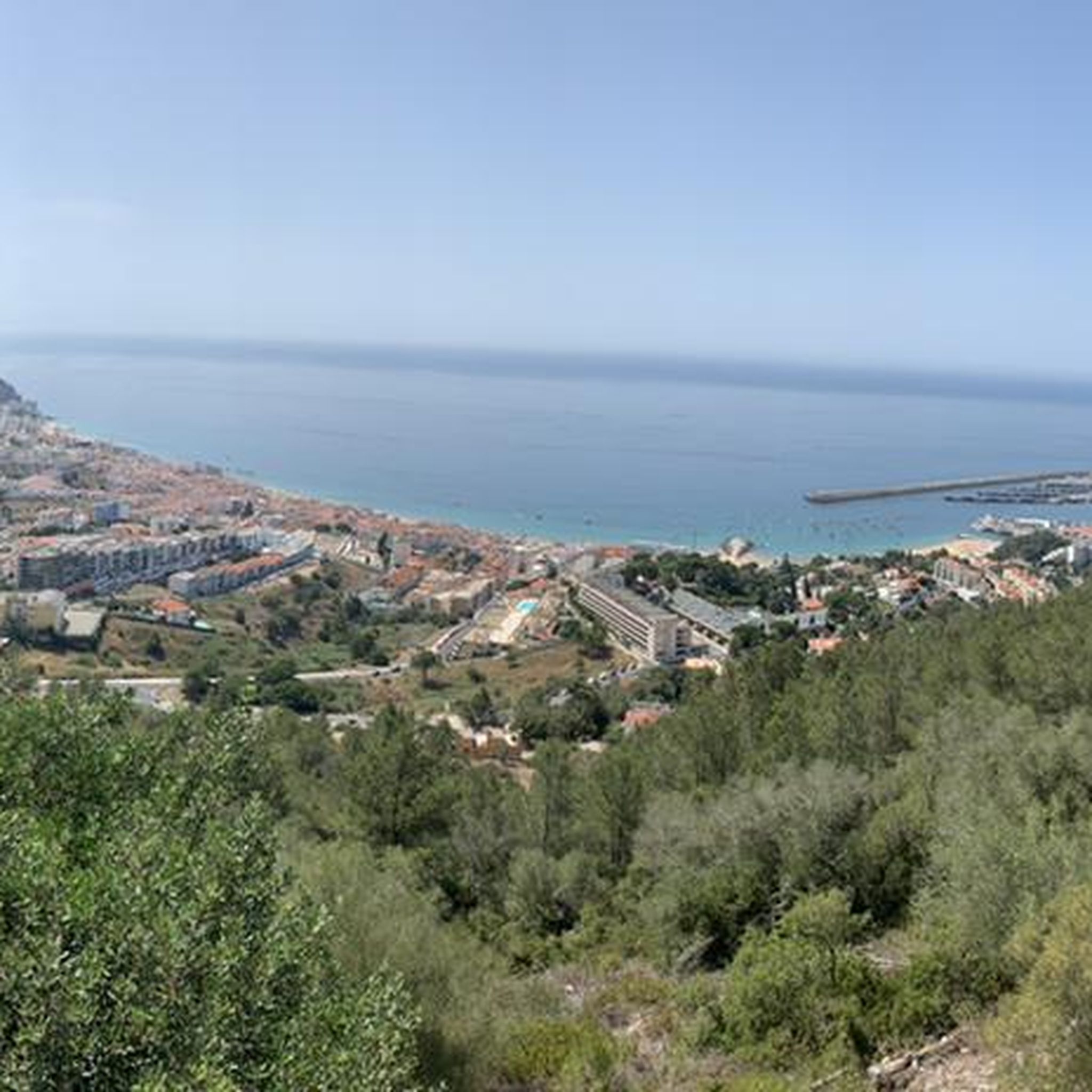
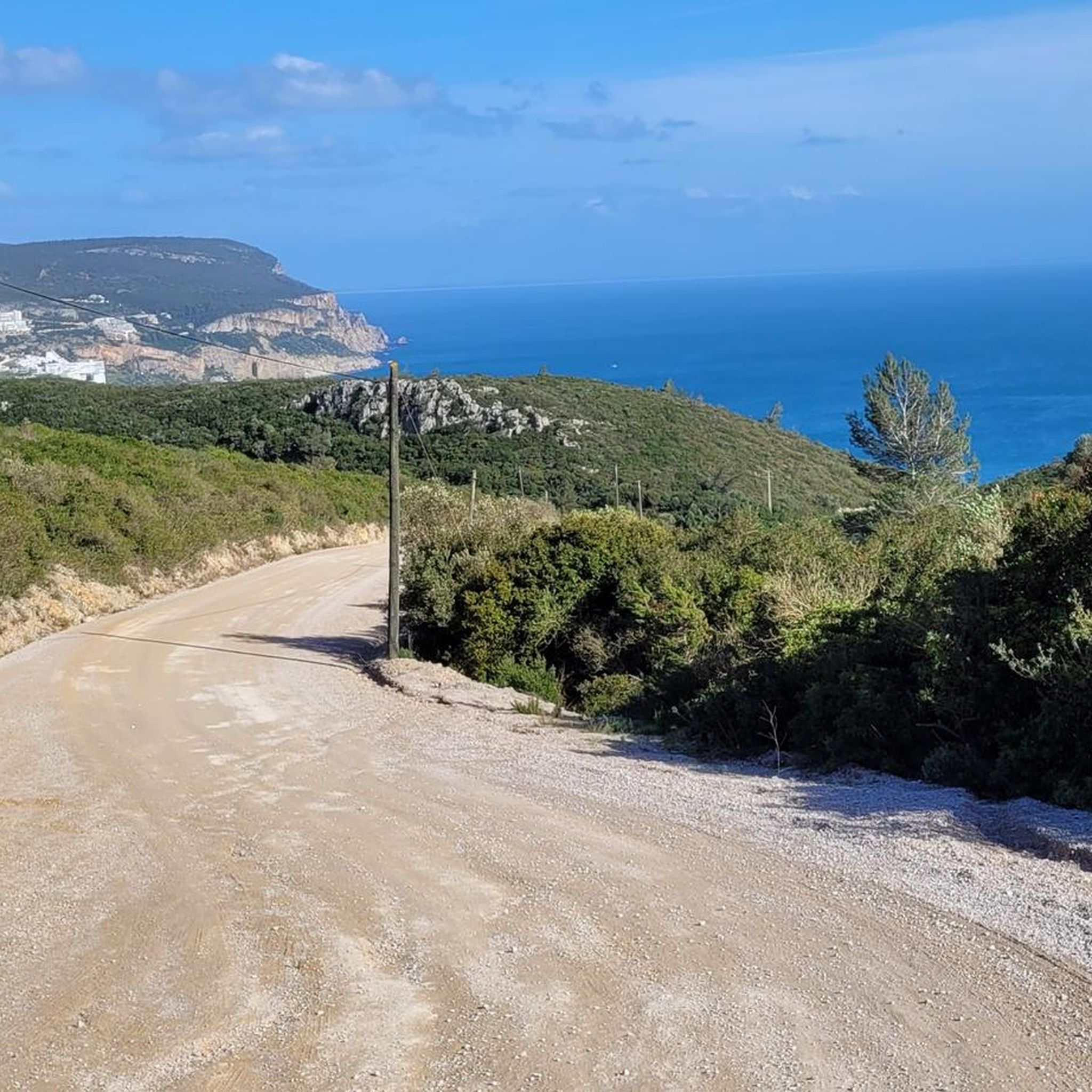
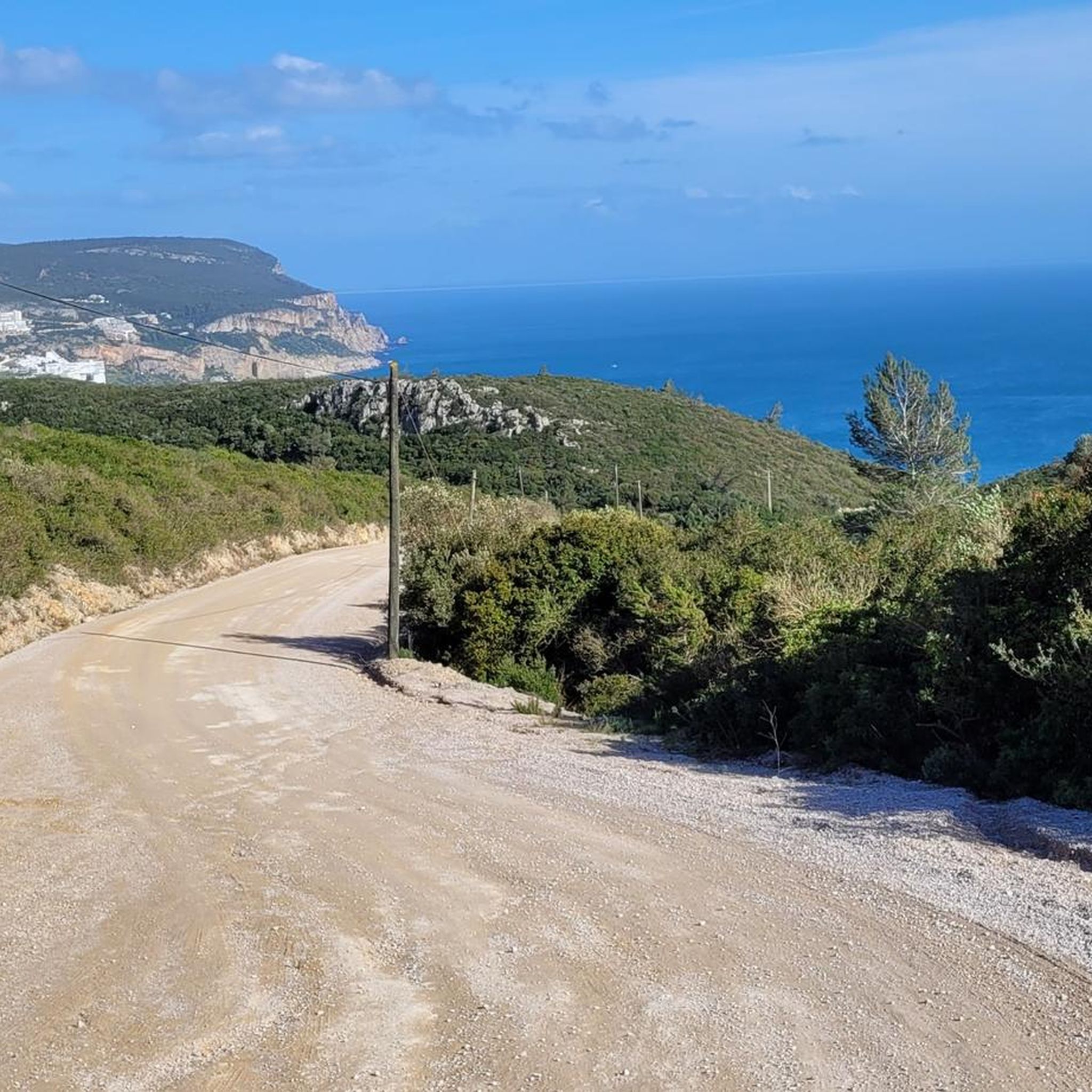
Best attractions and places to see around Sesimbra (Castelo) include a mix of historical landmarks, natural features, and cultural sites. This region, a charming fishing village in Portugal, is characterized by its dramatic coastline, medieval history, and diverse natural landscapes. Visitors can explore ancient castles, dramatic headlands, and serene beaches, all within a compact area. The area offers a variety of experiences, from historical exploration to natural beauty.
Best attractions and places to see around Sesimbra (Castelo)
- The most popular attractions is Cape Espichel Lighthouse, a man-made monument that was inaugurated in 1790. This lighthouse is one of the oldest in Portugal and once emitted light in groups of four white flashes.
- Another must-see spot is Windmills of Serra do Louro, a man-made monument. Here, visitors can find several windmills, some older and some newer, which were historically important for processing cereals.
- Visitors also love Hermitage of Memory, a religious building built on the spot where, according to legend, the Virgin appeared. The 18th-century tile panels inside tell the story, and it offers views over Praia dos Lagosteiros and the coast to Lisbon.
- Sesimbra (Castelo) is known for its historical landmarks, natural features, and cultural sites. The region offers a variety of attractions to see and explore, from medieval castles to stunning beaches and ancient geological formations.
- The attractions around Sesimbra (Castelo) are appreciated by the komoot community, with more than 100 upvotes and 40 photos shared.
Last updated: August 25, 2026
Cape Espichel Lighthouse
Highlight • Monument
The current tower was inaugurated in 1790, in 1865 it was fueled by oil, changing fuel in 1886, when its light began to be powered by incandescent petroleum vapour and, much later in 1926, by electricity.
In 1983 this lighthouse had a lighting device installed, called a first order, which emitted light in groups of four white flashes, instead of the old fixed light system. With this new system it now had a luminous range of twenty-eight nautical miles (forty-five kilometres).
The support structure for the lighthouse was extended to the sides around 1900.
In 1947 a new era in terms of lighting was entered. An aero-maritime optical device was installed, which had previously been in service with the Cabo da Roca Lighthouse. This new dioptic - catadioptic optic called fourth order, a large model, has a focal length of thirty centimeters, producing single flashes, now with a luminous range of forty-two nautical miles (about sixty-seven kilometers).
Translated by Google •
Tip by

Sanctuary of Our Lady of Cape Espichel
Highlight • Religious Site
The church is incredibly beautiful inside. Unfortunately, photography is not allowed.
Translated by Google •
Tip by

Sign up now to discover places like this
Get recommendations on the best single tracks, peaks, & plenty of other exciting outdoor places.
Sign up for free
Windmills of Serra do Louro
Highlight (Segment) • Monument
Tip by

Hermitage of Memory
Highlight • Religious Site
Translated by Google •
Tip by
Ribeiro do Cavalo Beach
Highlight • Beach
Tip by
Sign up for free to discover even more attractions around Sesimbra (Castelo).
Sign up for free
Already have an account?
Start today with a free account
Your next adventure awaits.
Login or Signup
Tips from the Community

These were the "mills" of old, moved by the wind, heavy granite millstones, transformed wheat seeds into flour from which delicious bread was made, which "satisfied" the hunger of those who had little to eat.
1
0

Built in the 18th century, it is an eye-catcher with its baroque architecture and the typical blue and white tiles in which some icons were also kept.
2
0
An excellent beach, although lacking in infrastructure and difficult to access, it's a super pleasant place, ideal for relaxing and recharging. Nearby, I also visited Mijona Beach and Hell Beach, which offer more challenging access but always boast immense natural beauty. I recommend it for those who don't have mobility issues and appreciate nature. 👍🥾🦯
1
0


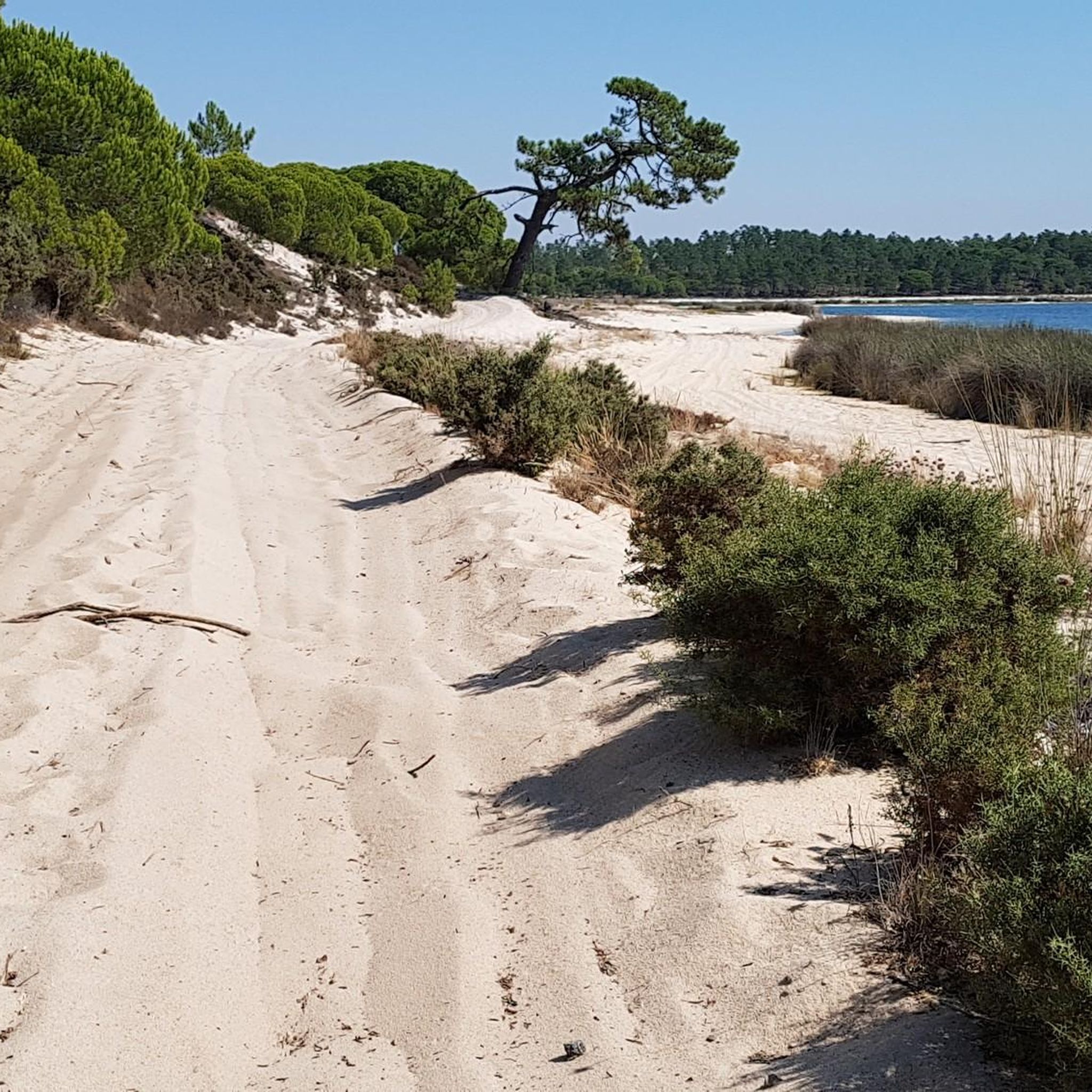
As it is a wild beach and difficult to access, there is no support equipment of any kind or lifeguards. Don't forget to bring water and food, and on the way back make sure to take all your rubbish with you (there are bins near the car park, at the start of the trail)! If you prefer to stay in the shade, you will need to bring a parasol. Also note that the name of the beach is Praia do Ribeiro do Cavalo and not Praia da Ribeira do Cavalo, as it is often called.
4
0
At the top of the Serra do Louro stand the windmills which, in the not so distant past, were an important industry for processing cereals. The force of the wind hits the open sails, turning an axle, which in turn transmits the rotation to a limestone stone that rotates on another fixed one. These stones, called "millstones", receive the cereal grains between them, transforming them into flour.
6
0

For many centuries, the Portuguese coast was known to foreign ships, especially English ones, as the “black coast”, as there was no lighting system to aid navigation. At the end of the 18th century, the Marquis of Pombal ordered the construction of a network of lighthouses to make it safer, including the one at Cabo Espichel, one of the oldest in Portugal, built in 1790.
6
0
No one had ever heard of this wild beach until recently, when social media, bloggers, and travel websites began showing photos of its stunning scenery. It wasn’t even marked on any map, and only a few locals knew that there was a trail leading down to one of Portugal’s most beautiful beaches. They kept it a well-guarded secret, but it’s now quite popular, including with tourists.
4
0
Frequently Asked Questions
What historical landmarks can I explore around Sesimbra (Castelo)?
The region is rich in history. You can visit the medieval Castelo de Sesimbra, offering panoramic views and housing the Church of Santa Maria do Castelo. Another significant site is the Sanctuary of Our Lady of Cape Espichel, a historic pilgrimage site with an 18th-century church and hermitages. Don't miss the Hermitage of Memory, known for its tile panels depicting a legendary apparition.
Are there any lighthouses or viewpoints with great scenery?
Absolutely. The Cape Espichel Lighthouse, one of Portugal's oldest, offers stunning views from its 32-meter-high tower. The Castelo de Sesimbra also provides panoramic vistas of the village, harbor, and coastline. For a different perspective, the Windmills of Serra do Louro offer interesting views and a glimpse into historical cereal processing.
What natural attractions are there for nature lovers?
The Arrábida Natural Park is a must-see, covering over 100 square kilometers with diverse flora and fauna, ideal for hiking, diving, kayaking, and dolphin watching. The dramatic cliffs of Cabo Espichel offer raw natural beauty and spectacular sunsets. You can also discover ancient dinosaur footprints at the Monumento Natural da Pedreira do Avelino.
What beaches are recommended for sunbathing and swimming?
Praia da Califórnia and Praia do Ouro are popular choices, known for their soft sands and clear waters. Praia do Ouro is particularly spacious and accessible. For a more secluded experience, the wild Ribeiro do Cavalo Beach is renowned for its stunning scenery, though it requires a hike to access.
Are there family-friendly activities or attractions in the area?
Many attractions are suitable for families. The Castelo de Sesimbra is a great historical site for all ages, and the beaches like Praia da Califórnia and Praia do Ouro are perfect for a day out. The Cape Espichel Lighthouse and Sanctuary of Our Lady of Cape Espichel are also listed as family-friendly, offering historical interest and scenic views.
What kind of outdoor activities can I do near these attractions?
The region is excellent for outdoor enthusiasts. You can find numerous hiking trails, such as the 'View of the Arrábida coast – Chã dos Navegantes Trail loop' or the 'Cabo de Ares Cliffs loop'. Cycling and gravel biking routes are also available, including challenging options like the 'Ouro Beach – Hermitage of Memory loop'. For more details on routes, check out the hiking guide, cycling guide, and gravel biking guide for Sesimbra (Castelo).
Where can I find cultural insights into Sesimbra's heritage?
The Maritime Museum, located in the Fortress of Saint James, offers deep insights into the town's connection to the sea and fishing, with artifacts spanning 5,000 years. The Museu de Arte Sacra, housed in the historic Church of Mercy, showcases religious art and maritime heritage. Strolling through Sesimbra's town center and fishing port also provides a vibrant cultural experience.
What is the best time to visit Sesimbra (Castelo) for outdoor activities?
While specific data on the best time for outdoor activities isn't provided, generally, spring (March-May) and autumn (September-November) offer pleasant temperatures for hiking and exploring without the intense summer heat. These seasons also tend to be less crowded.
Are there any unique natural phenomena or geological sites to see?
Yes, the Serra do Risco features the highest carbonate escarpment in continental Europe, offering a dramatic landscape. Additionally, the Monumento Natural da Pedreira do Avelino allows you to see ancient dinosaur footprints, providing a fascinating glimpse into prehistoric times. Sesimbra also boasts stunning Grutas e Lapas (caves) of speleological and archaeological interest.
What do visitors enjoy most about the attractions around Sesimbra (Castelo)?
Visitors frequently praise the stunning views from places like the Cape Espichel Lighthouse and the Hermitage of Memory, often describing the colors of the sky, sea, and vegetation as picturesque. The historical significance of sites like the Sanctuary of Our Lady of Cape Espichel and the unique experience of the Windmills of Serra do Louro are also highly appreciated.
Can I find places for wild swimming near Sesimbra (Castelo)?
Yes, the Ribeiro do Cavalo Beach is a popular spot for wild swimming, known for its pristine waters and natural setting. It's a wild beach, so remember to bring your own supplies and take all rubbish with you. Other hidden gems like Rio da Prata and Tramagueira near Praia da Califórnia also offer secluded swimming opportunities.
Where can I experience local cuisine, especially seafood?
Sesimbra is famous for its fresh seafood. The town center and vibrant fishing port are home to numerous local restaurants specializing in grilled fish and shellfish. Many of these establishments offer ocean views, providing a delightful dining experience.
Most popular routes around Sesimbra (Castelo)
Most popular attractions around Sesimbra (Castelo)

Get inspired with the komoot mobile app


Explore more
Still not found the Highlight you’re looking for? See guides of the top attractions in other regions:
