Attractions and Places To See around Coina - Top 20
Best attractions and places to see around Coina include historical sites, natural viewpoints, and cultural landmarks. This region, located near the Arrábida Natural Park, offers diverse landscapes from rolling hills to scenic vistas. Visitors can explore traditional architecture, learn about local industries like wine production, and enjoy scenic trails. The area provides a variety of experiences for those interested in history and nature.
Best attractions and places to see around Coina
- The most popular attractions is Windmills of Serra do…
Last updated: August 25, 2026
Windmills of Serra do Louro
Highlight (Segment) • Monument
Tip by

Fountain of the Stunned
Highlight • Monument
Tip by

Sign up now to discover places like this
Get recommendations on the best single tracks, peaks, & plenty of other exciting outdoor places.
Sign up for free
Casa Museu José Maria da Fonseca
Highlight • Historical Site
Translated by Google •
Tip by
Bunch of Grapes
Highlight • Monument
Azeitão, in the district of Setúbal, is only about 40 kilometres from the capital, following the national road 10. Made up …
Translated by Google •
Tip by
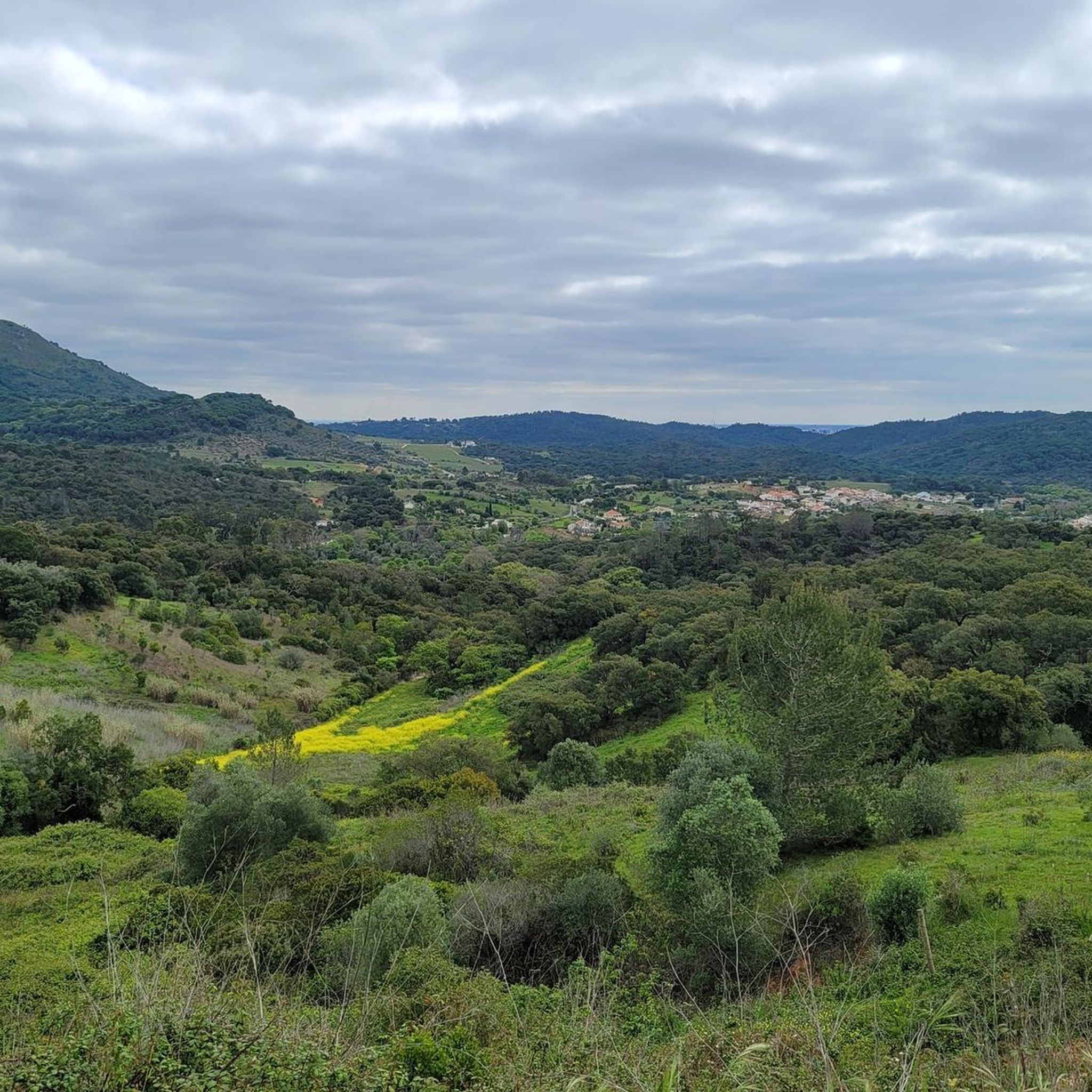
Panoramic View over the Arrábida
Highlight • Viewpoint
Translated by Google •
Tip by
Sign up for free to discover even more attractions around Coina.
Sign up for free
Already have an account?
Start today with a free account
Your next adventure awaits.
Login or Signup

Tips from the Community

These were the "mills" of old, moved by the wind, heavy granite millstones, transformed wheat seeds into flour from which delicious bread was made, which "satisfied" the hunger of those who had little to eat.
1
0

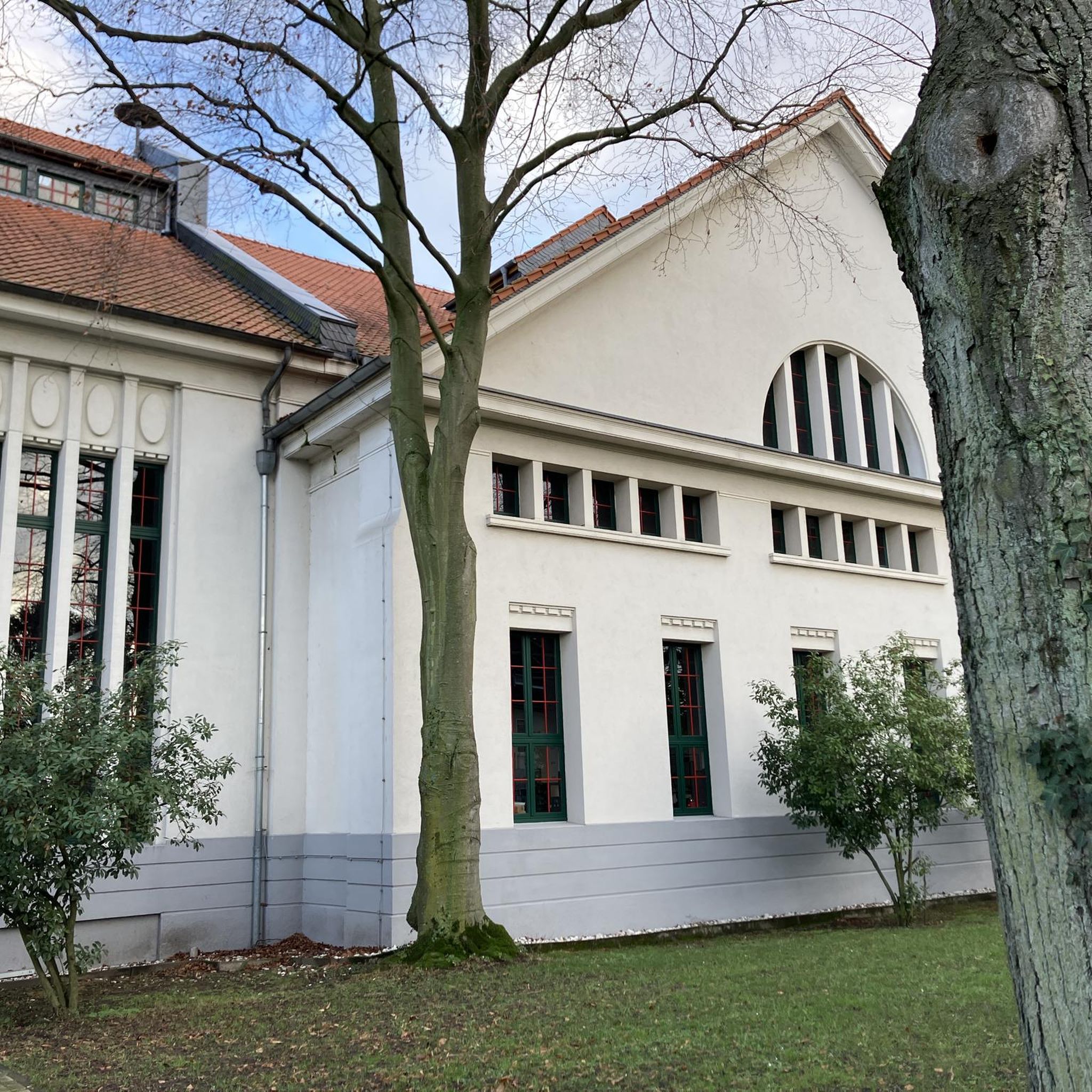
Built in the 19th century, the house was restored in 1923 by the Swiss architect Ernesto Korrodi. The visit to the museum begins with a brief explanation of the company's history, followed by a guided tour of the old wine cellars – and, of course, you can also participate in a tasting at the end.
3
1


At the top of the Serra do Louro stand the windmills which, in the not so distant past, were an important industry for processing cereals. The force of the wind hits the open sails, turning an axle, which in turn transmits the rotation to a limestone stone that rotates on another fixed one. These stones, called "millstones", receive the cereal grains between them, transforming them into flour.
6
0
The Bunch of Grapes is a work of art... Azeitão, in the district of Setúbal, is only about 40 kilometres from the capital, following the national road 10. Made up of small, beautiful villages, it is a perfect place to choose as a weekend itinerary. In fact, I recommend that you visit Azeitão on the second weekend of the month, when on Sundays, the crafts fair takes place in the central square of Vila Nogueira. And my suggestion is to start your itinerary on a Saturday morning. Start in Vila Nogueira de Azeitão at Praça da República, known here as Rossio, where you can admire the statue in the shape of a huge bunch of grapes that acts as a fountain and reminds us that we are in a land of wines, the Palace of the Dukes of Aveiro, and the statue of the poet and teacher Sebastião da Gama.
7
0
During the tour, you will have the opportunity to discover the origins of Azeitão, a town located in the heart of the Arrábida Natural Park. The name Azeitão, of Arabic origin (azzeittum), refers to the vast olive groves that once covered the region. Its origins date back to the Middle Ages and, over the centuries, agriculture, especially viticulture and olive cultivation, shaped the landscape that still characterises the region today, with farms and small settlements that maintain these traditions. Azeitão gained renown from the 15th century onwards, when it became one of the favourite places of the Portuguese nobility, being shaded by the majestic Serra da Arrábida. The route begins and ends in Vila Nogueira de Azeitão and passes through several historic villages, including Aldeia Rica, Oleiros, Aldeia de Irmãos, Piedade, Portela, São Pedro, Casais da Serra and Picheleiros, always under the imposing presence of the Serra and its traditional paths.
5
0
José Maria da Fonseca is a family-owned Portuguese wine producer that was established in 1834. The estate takes its name from its founder, José Maria da Fonseca, and is known for its broad portfolio of table and fortified wines from around the country, in regions such as Setúbal Peninsula, Alentejo, Douro, Dão and the Vinho Verde zone.
10
0
It was designed according to the rules of the late Baroque period, between 1764 and 1777. Legend has it that whoever drinks from this water will be forever linked to Azeitão. The Fountain in Vila Nogueira de Azeitão has been classified as a Property of Municipal Interest since 1977. It was built between 1764 and 1777 and bears the Coat of Arms of King José I. It is called Chafariz dos Amazados because, according to legend, when it was finished, visitors were astonished by its grandeur...
9
0
Frequently Asked Questions
What are some popular attractions to visit around Coina?
Visitors to Coina often enjoy the historical and scenic sites. The Windmills of Serra do Louro offer insights into past industries and beautiful views. For breathtaking natural vistas, the Panoramic View over the Arrábida is a must-see. Additionally, the Casa Museu José Maria da Fonseca provides a glimpse into the region's rich wine-making history.
Are there any historical sites or cultural experiences in Coina?
Yes, Coina is rich in history and culture. You can explore the Windmills of Serra do Louro, which are historical monuments. The Casa Museu José Maria da Fonseca offers guided tours of old wine cellars, showcasing the history of a family-owned Portuguese wine producer. Another historical landmark is the Fountain of the Stunned, a beautiful Baroque-era fountain.
Where can I find the best views of the surrounding landscape near Coina?
For spectacular views, head to the Panoramic View over the Arrábida. This viewpoint within a forest offers an imposing presence of the Serra da Arrábida. The Windmills of Serra do Louro also provide interesting views of the area.
What kind of outdoor activities can I do around Coina?
Coina offers a variety of outdoor activities. You can enjoy road cycling on routes like the 'Rua dos Picheleiros – Millenary Olive Trees of Azeitao loop' or the 'Arrábida Scenic Road – Coast View Deluxe loop'. For gravel biking, explore trails such as 'Steep Climb in the Forest – Peru Trail loop'. There are also running trails, including loops from Palhais and Barreiro. You can find more details on these activities in the Road Cycling Routes around Coina, Gravel biking around Coina, and Running Trails around Coina guides.
Are there any family-friendly attractions in the Coina area?
Yes, the Casa Museu José Maria da Fonseca is considered family-friendly. It offers guided tours of its historic wine cellars, which can be an engaging experience for all ages, providing a glimpse into the region's viticulture heritage.
Are there any wheelchair-accessible attractions in Coina?
Yes, the Fountain of the Stunned and the Bunch of Grapes statue are both noted as wheelchair-accessible, allowing more visitors to enjoy these charming local landmarks.
What can I learn about the local industry or traditions in Coina?
You can learn about the region's wine industry at the Casa Museu José Maria da Fonseca, a historic family-owned wine producer. The Windmills of Serra do Louro also highlight the past cereal processing industries that were important to the area.
What do visitors enjoy most about the attractions around Coina?
Visitors particularly appreciate the blend of history and natural beauty. The Windmills of Serra do Louro are praised for their interesting views and historical significance, despite past forest fires. The Casa Museu José Maria da Fonseca is enjoyed for its guided tours and wine tastings, offering a deep dive into local traditions.
Are there any unique or lesser-known spots worth visiting in Coina?
Beyond the main highlights, consider visiting the Fountain of the Stunned in Vila Nogueira de Azeitão, known for its Baroque design and the legend that whoever drinks from its water will be forever linked to Azeitão. Also, the Bunch of Grapes statue in Praça da República is a unique artistic fountain celebrating the region's wine heritage.
Can I go hiking or walking near Coina's attractions?
While specific hiking trails directly linked to the attractions aren't detailed, the region around Coina is suitable for various outdoor activities. You can find numerous running trails, which are also great for walking, in the Running Trails around Coina guide. These routes often pass through scenic areas, allowing you to explore the natural beauty of the region.
What is the significance of the Arrábida Natural Park in relation to Coina?
Coina is located near the Arrábida Natural Park, and its influence is evident in the stunning landscapes. The Panoramic View over the Arrábida offers direct views of this majestic natural area, highlighting its imposing presence and the beauty of the surrounding region.
Most popular attractions around Coina

Get inspired with the komoot mobile app


Explore more
Still not found the Highlight you’re looking for? See guides of the top attractions in other regions:
