Attractions and Places To See around Costa Da Caparica - Top 20
Best attractions and places to see around Costa Da Caparica include extensive sandy beaches and significant natural features. The region, located just south of Lisbon, offers a diverse landscape ranging from coastal areas to protected fossil cliffs and pine forests. Visitors can explore historical landmarks, cultural centers, and vibrant markets. This area provides a variety of points of interest for those seeking outdoor activities and cultural experiences.
Best attractions and places to see around Costa Da Caparica
- The most popular attractions is Belém Tower, a man-made monument that is a 16th-century military construction designed to guard the Tagus Estuary. Along with the Jerónimos Monastery, it was declared a UNESCO World Heritage Site in 1983.
- Another must-see spot is Monument to the Discoveries, a man-made monument built in 1960 on the banks of the Tagus River. It commemorates the 500th anniversary of the death of Henry the Navigator.
- Visitors also love Bica Lift, a charming elevator that connects the Cais de Sodre neighborhood to Bairro Alto. Its 200-meter route is considered one of the most picturesque in Lisbon.
- Costa Da Caparica is known for historical monuments, natural landscapes, and vibrant markets. The region offers a mix of coastal features, cultural sites, and urban points of interest.
- The attractions around Costa Da Caparica are appreciated by the komoot community, with more than 800 upvotes and over 700 photos shared.
Last updated: August 25, 2026
Monument to the Discoveries
Highlight • Monument
Translated by Google •
Tip by

Belém Tower
Highlight • Monument
Throughout its history, it has served as a prison, lighthouse, and tax collection center.
Along with the Jerónimos Monastery, it was declared a UNESCO World Heritage Site in 1983.
I hope this information is useful to you! 😊
Translated by Google •
Tip by
Sign up now to discover places like this
Get recommendations on the best single tracks, peaks, & plenty of other exciting outdoor places.
Sign up for free
Bica Lift
Highlight • Monument
Translated by Google •
Tip by
Mercado da Ribeira / Time Out Market Lisbon
Highlight • Structure
Translated by Google •
Tip by
Monument to the Overseas Combatants 🏛️ Belém
Highlight • Monument
Translated by Google •
Tip by
Sign up for free to discover even more attractions around Costa Da Caparica.
Sign up for free
Already have an account?
Start today with a free account
Your next adventure awaits.
Login or Signup
Popular around Costa Da Caparica
Other adventures around Costa Da Caparica

Tips from the Community

Since the crash of the funicular (with several deaths) in autumn 2025, the lift has been completely shut down. At the same time, for safety reasons, (almost) all funiculars in Lisbon and the Santa Justa lift were shut down to carry out safety checks!
1
0

Located in the Belem district, it was inaugurated in 1994 to honor the Portuguese soldiers (10,000) who fought and died in the colonial wars.
2
0

The Monument to the Discoveries in Lisbon pays homage to Portuguese navigators. It represents the Age of Discovery, with statues of historical figures such as Henry the Navigator and Vasco da Gama. It is shaped like a caravel, symbolizing sea voyages.
5
0

The Monument to Overseas Combatants is a solemn tribute to the Portuguese soldiers who lost their lives during the Portuguese Colonial War (also known as the Overseas War), which took place between 1961 and 1974 in Africa.
21
0
The original market dates back to the 19th century and opened in 1882 as Lisbon's main wholesale market. In 2014, it was transformed by the Time Out Portugal team into a modern food hall, maintaining its historic structure but renewing its purpose.
14
0
The Mercado da Ribeira, also known as Time Out Market Lisbon, is one of the most vibrant gastronomic and cultural spaces in the city, located in the Cais do Sodré neighborhood, at Avenida 24 de Julho, nº 49
15
0

there is so much to discover here
3
0
The Belém Tower is one of the most iconic monuments in Lisbon, Portugal. Built between 1515 and 1519 by architect Francisco de Arruda, this Manueline-style tower was originally a fortress intended to protect the entrance to the port of Lisbon across the Tagus River. Over time, the tower also served as a tax collection center, a lighthouse, and a prison. In 1983, it was declared a UNESCO World Heritage Site along with the nearby Jerónimos Monastery.
17
3
Frequently Asked Questions
What natural features can I explore around Costa da Caparica?
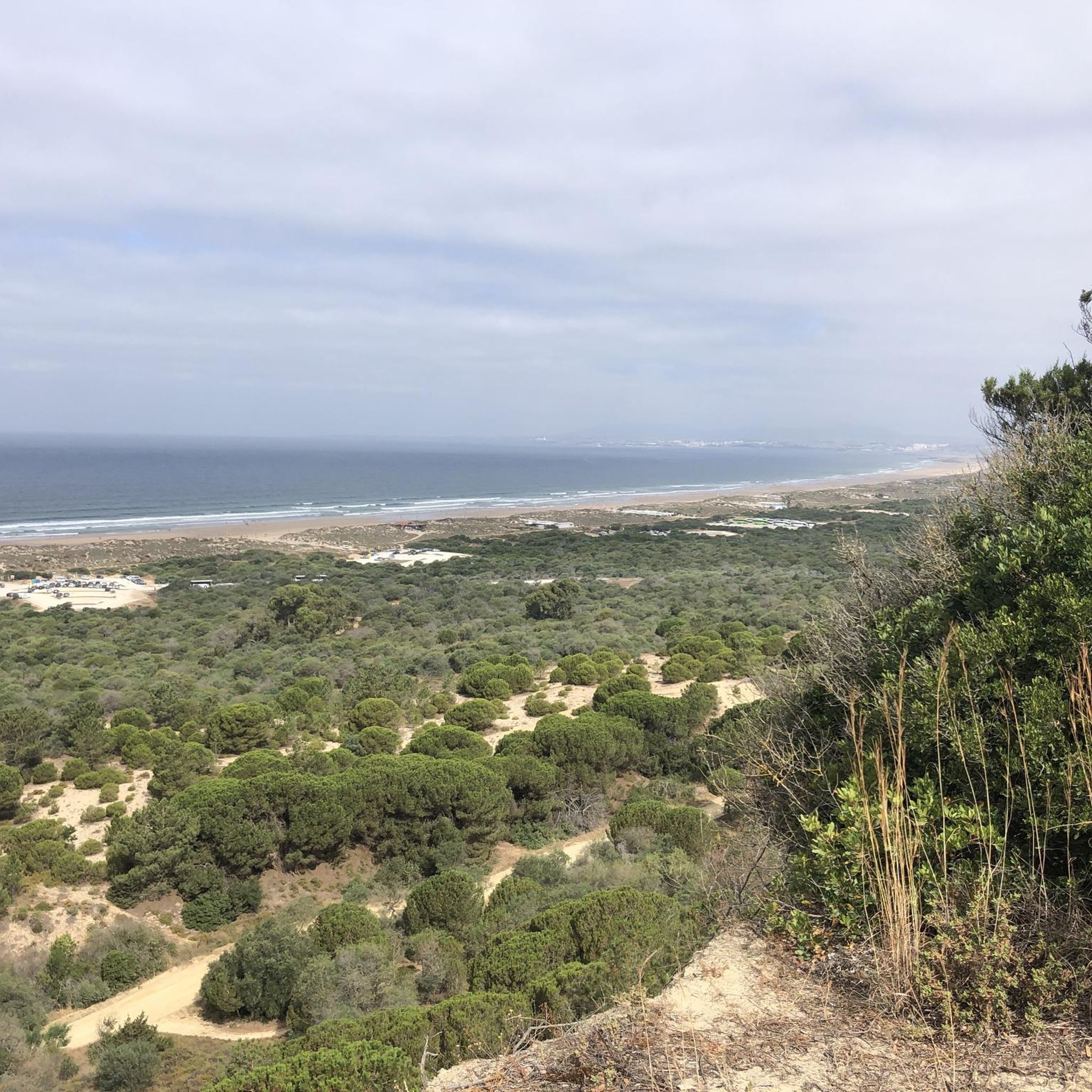
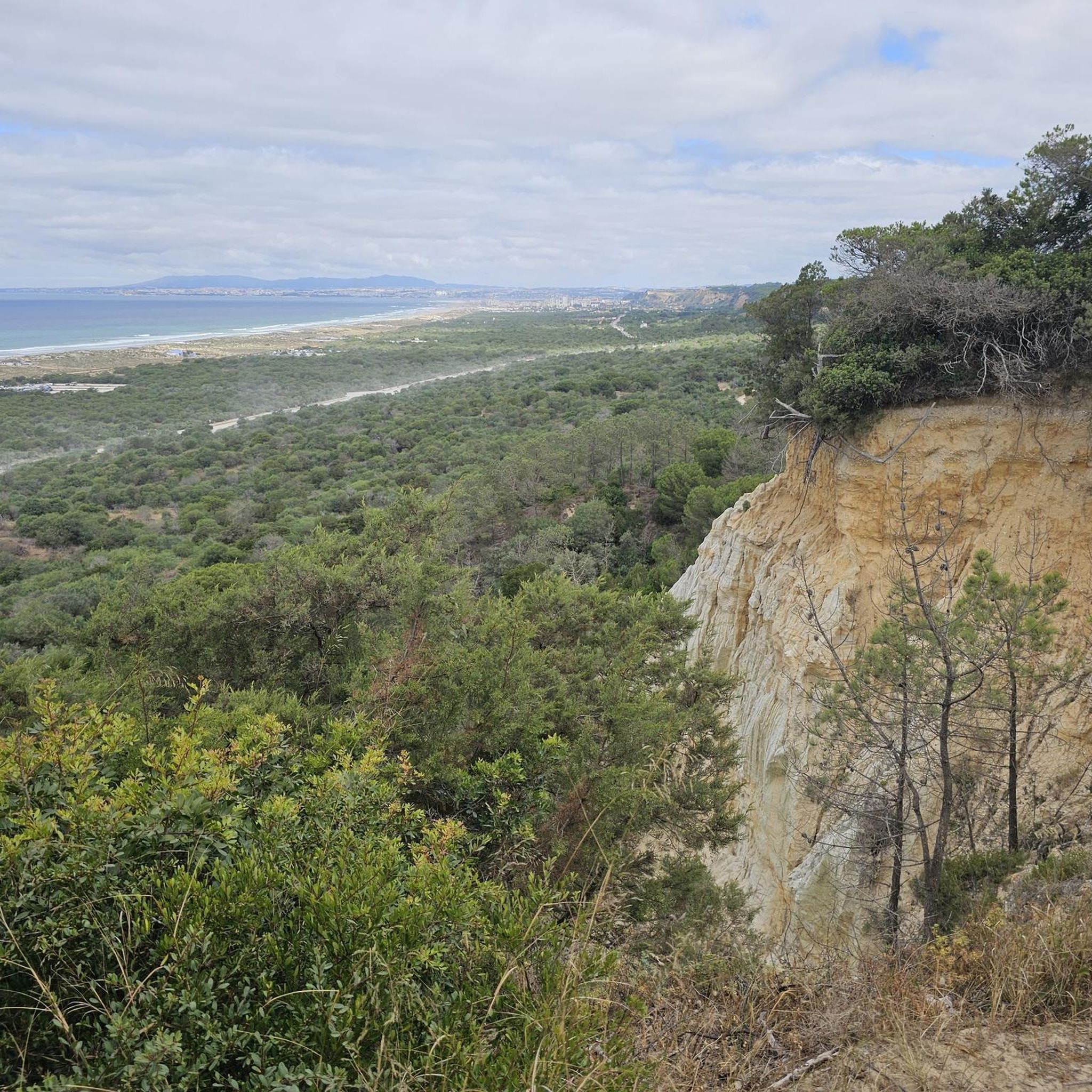
The region boasts an extensive coastline with numerous beaches, including Praia do Tarquínio-Paraíso and Praia do Dragão Vermelho. You can also discover the dramatic cliffs of the Paisagem Protegida da Arriba Fóssil da Costa de Caparica, which offer scenic hiking. Further inland, the Mata das Dunas da Costa da Caparica e Trafaria (Mata dos Medos) provides pine forests and sandy dunes for tranquil strolls. The picturesque Lagoa de Albufeira is ideal for windsurfing, kitesurfing, and birdwatching, while Cabo Espichel offers stunning cliffside views.
Are there any historical or cultural sites worth visiting near Costa da Caparica?
Yes, you can visit the 16th-century Convento dos Capuchos, perched on cliffs with panoramic views. The Solar dos Zagallos in Sobreda functions as a cultural center and museum with a hidden garden. While not directly in Costa da Caparica, the nearby National Sanctuary of Christ the King (Cristo Rei) in Almada offers prominent views over the Tagus River and Lisbon. Additionally, the Casa da Cerca is a cultural center hosting contemporary art exhibitions.
What are the most popular attractions around Costa da Caparica?
Visitors frequently enjoy the iconic Belém Tower, a 16th-century military construction and UNESCO World Heritage Site. Another must-see is the Monument to the Discoveries, commemorating Henry the Navigator. For a unique experience, the charming Bica Lift offers a picturesque ride through Lisbon's streets. The Mercado da Ribeira / Time Out Market Lisbon is also a vibrant spot for gastronomy and culture.
What outdoor activities can I do near these attractions?
The region is excellent for outdoor enthusiasts. You can enjoy hiking through the Paisagem Protegida da Arriba Fóssil da Costa de Caparica or the pine forests of Mata dos Medos. The extensive coastline is perfect for surfing and kitesurfing, with many schools available. For more structured activities, explore the various hiking and running routes. You can find detailed guides for these activities, such as Hiking around Costa Da Caparica and Running Trails around Costa Da Caparica.
Are there family-friendly activities around Costa da Caparica?
Yes, many attractions cater to families. The extensive sandy beaches are perfect for a day out. The Belém Tower and Monument to the Discoveries are historical sites that can engage children. The Transpraia tramway offers a fun way to explore different beaches. The Lagoa de Albufeira provides sheltered waters suitable for families, and the Mata dos Medos is great for easy walks and exploring nature.
What is the best time to visit Costa da Caparica for outdoor activities and beaches?
The best time to visit for outdoor activities and enjoying the beaches is typically during the warmer months, from late spring to early autumn (May to October). During this period, the weather is generally sunny and warm, ideal for swimming, surfing, hiking, and exploring the natural landscapes. The strong sea breezes also make it a prime spot for wind and kitesurfing.
Are there easy walking trails near Costa da Caparica?
Yes, there are several easy walking trails, particularly along the coastline and within the natural protected areas. The Mata dos Medos offers tranquil paths through pine forests and dunes. Many of the beaches, like Praia da Mata, have boardwalks or flat sandy stretches suitable for easy strolls. You can find specific easy routes in guides like Easy hikes around Costa Da Caparica, such as the 'Costa da Caparica Beach – Passadiço da Costa da Caparica loop'.
What are some hidden gem beaches in the area?
While many beaches are popular, if you head further south along the coastline, you'll find quieter and more picturesque spots. Beaches like Fonte da Telha, Praia do Castelo, and Praia da Rainha offer a more tranquil experience away from the main resort areas. Some sections, such as Praia 19 and Praia do Meco, are known for their serene, dune-backed settings and are popular for nudism.
How can I get around to the various beaches in Costa da Caparica?
A convenient way to explore the various beaches is by using the Transpraia tramway. This tram makes 19 stops over several kilometers, allowing easy access to different sections of the coastline. Alternatively, many beaches have parking facilities, though these can fill up quickly during peak season.
What do visitors enjoy most about Costa da Caparica?
Visitors particularly appreciate the region's diverse offerings. The extensive sandy beaches are a major draw, perfect for relaxation and water sports. The dramatic natural landscapes, such as the Paisagem Protegida da Arriba Fóssil da Costa de Caparica, are highly valued for their beauty and hiking opportunities. The blend of coastal charm, historical sites, and vibrant local atmosphere, especially along the Rua dos Pescadores with its cafes and restaurants, makes it a popular destination.
Are there any viewpoints offering panoramic vistas?
Absolutely. The Convento dos Capuchos offers breathtaking views of the coastline, Lisbon's skyline, and the Serra de Sintra. The National Sanctuary of Christ the King (Cristo Rei) in Almada provides panoramic views over the Tagus River and Lisbon. For a wilder, mystical atmosphere and spectacular sunsets, head to Cabo Espichel, with its towering cliffs.
Can I find places for wild swimming near Costa da Caparica?
While the main beaches are popular for swimming, the Lagoa de Albufeira offers a unique wild swimming experience. It features a dual-aspect beach with both sheltered lagoon sides and sea-facing sides, providing varied conditions for swimming away from the more crowded coastal areas. The further south you go along the main coastline, the quieter the beaches become, offering more secluded spots.
Most popular routes around Costa Da Caparica
Most popular attractions around Costa Da Caparica

Get inspired with the komoot mobile app


Explore more
Still not found the Highlight you’re looking for? See guides of the top attractions in other regions:
