Attractions and Places To See around Alcácer Do Sal (Santiago) - Top 20
Best attractions and places to see around Alcácer Do Sal (Santiago) encompass a rich history, diverse natural features, and cultural sites along the Sado River. This historic city in Portugal's Alentejo region features ancient landmarks and serene landscapes. The area is characterized by its riverine setting, extensive rice fields, and the nearby Sado Estuary. Visitors can explore a blend of historical architecture and natural beauty.
Best attractions and places to see around Alcácer Do Sal (Santiago)
- The most popular attractions is Pedestrian Bridge over the Sado in Alcácer do Sal, a bridge that connects the two banks of the River Sado. This allows for pleasant walks along both sides of the river and provides access to a children's playground and boat embarkation point.
- Another must-see spot is Eifel bridge, a historical bridge. This metal bridge, inaugurated in 1945, was an important route for accessing southern beaches and now features a pedestrian zone for safe circulation.
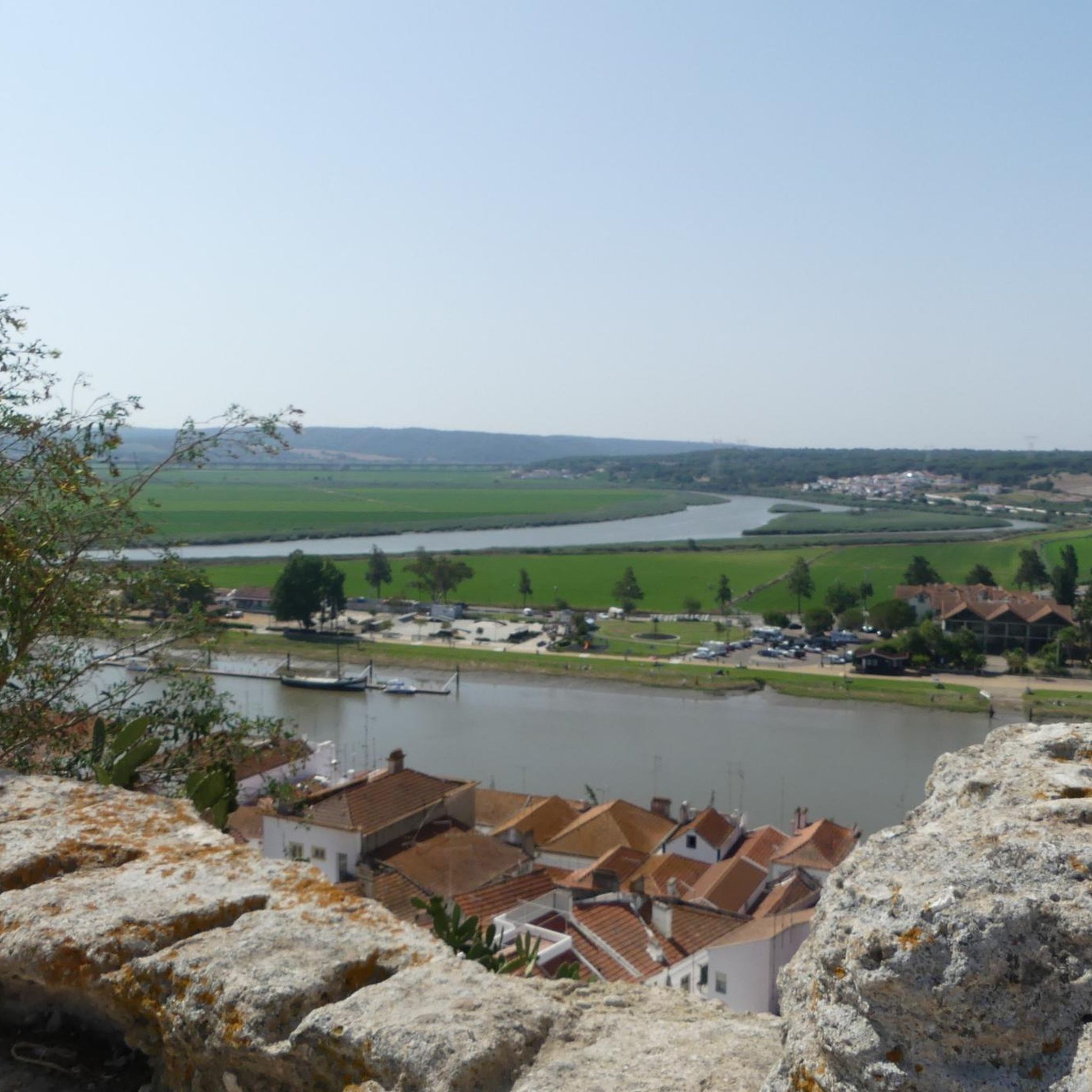
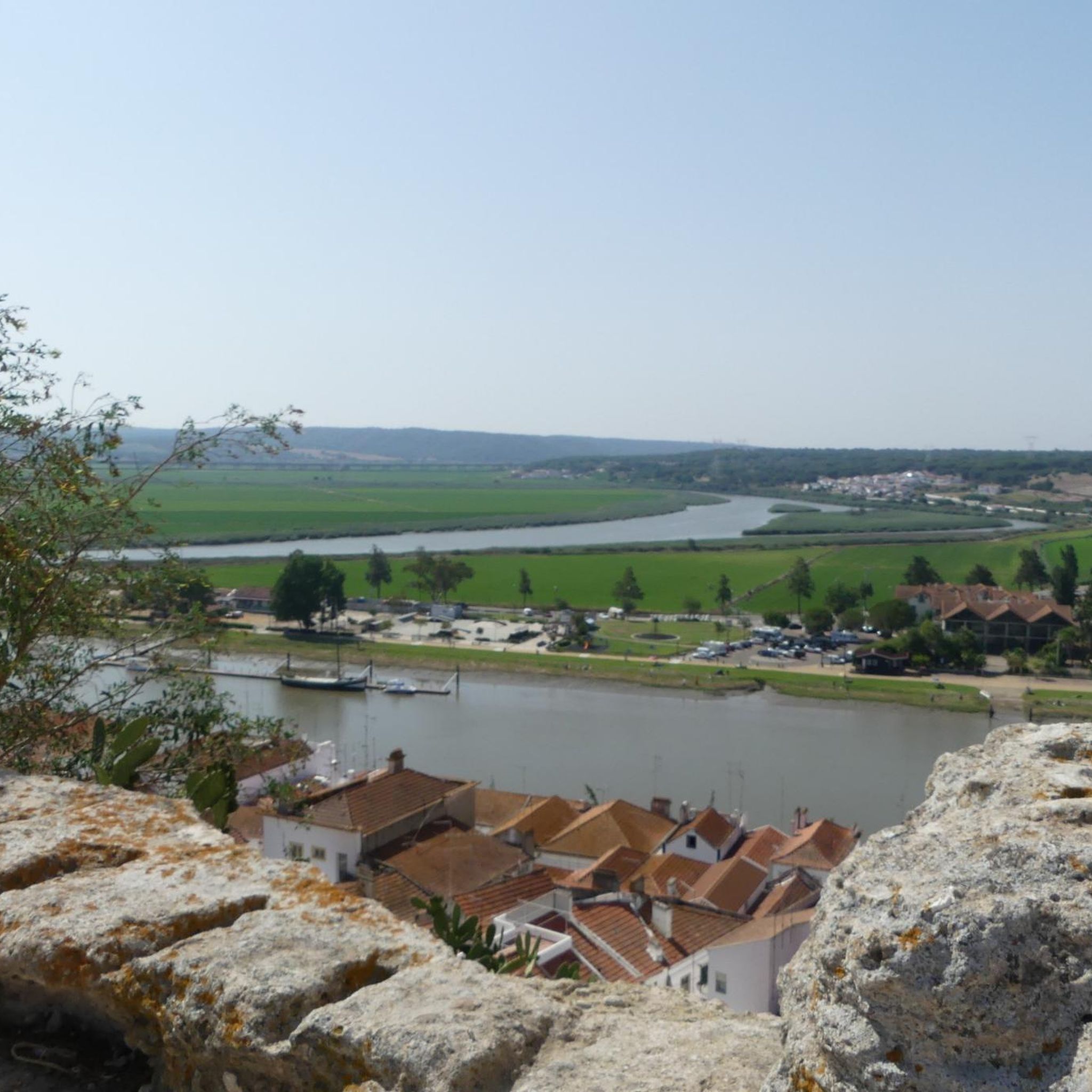
- Visitors also love View of Alcácer do Sal, a viewpoint offering views of the town and river. Alcácer do Sal is one of Europe's oldest cities, with a history spanning over 3000 years, and features a lively center with restaurants.
- Alcácer Do Sal (Santiago) is known for its historical bridges, significant viewpoints, and religious buildings. The region offers a variety of attractions to see and explore, from ancient sites to riverine landscapes.
- The attractions around Alcácer Do Sal (Santiago) are appreciated by the komoot community, with 46 upvotes and 70 photos shared by visitors.
Last updated: July 15, 2026
Pedestrian Bridge over the Sado in Alcácer do Sal
Highlight • Bridge
Translated by Google •
Tip by

View of Alcácer do Sal
Highlight • Viewpoint
Translated by Google •
Tip by

Sign up now to discover places like this
Get recommendations on the best single tracks, peaks, & plenty of other exciting outdoor places.
Sign up for free
Eifel bridge
Highlight • Bridge
Translated by Google •
Tip by
Church of Santa Maria and Cross of the Sanctuary of Senhor dos Mártires
Highlight • Religious Site
Translated by Google •
Tip by
Statue of Pedro Nunes
Highlight • Monument
Translated by Google •
Tip by

Sign up for free to discover even more attractions around Alcácer Do Sal (Santiago).
Sign up for free
Already have an account?
Start today with a free account
Your next adventure awaits.
Login or Signup
Tips from the Community

Recently, a pedestrian zone was added to one side of the original bridge, allowing for the safe circulation of people and creating a very pleasant circular riverside path. 👍🥾
8
0
A pedestrian bridge connecting the city to the other side of the Sado River, where there is a children's playground and the embarkation/disembarkation port for boats offering river tours. This pedestrian bridge also allows for very pleasant walks along both sides of the river. 👍🥾
6
0
The name Alcácer do Sal comes from the combination of "Alcácer", from the Arabic al-Qasr (meaning castle or palace), and "do Sal", referring to the importance of salt mining in the region since Roman times, when the city was known as Salacia.
1
0
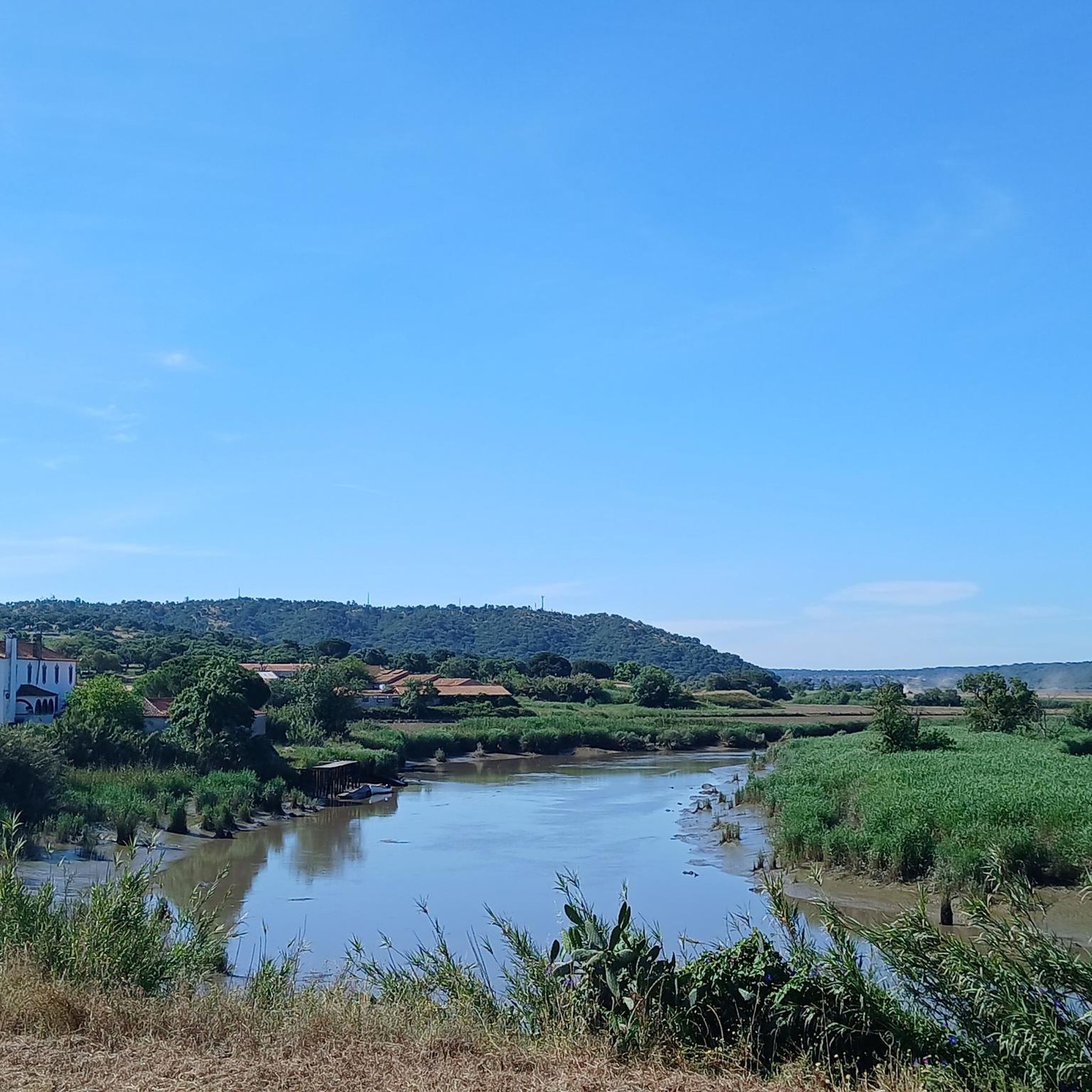
Alcácer do Sal is the seat of the municipality of Alcácer do Sal, the second largest municipality in Portugal, with an area of 1,499.87 km² but only 11,112 inhabitants (2021), and is subdivided into four parishes. The municipality is bordered to the north by the municipalities of Palmela, Vendas Novas, and Montemor-o-Novo, to the east by Viana do Alentejo and Alvito, to the southeast by Ferreira do Alentejo, to the south and west by Grândola, and to the northwest, across the Sado Estuary, by Setúbal. The Sado riverside area is a very pleasant place for a walk or bike ride. Here you can also see the immense rice fields.👍🥾
13
0

The Igreja de Santa Maria do Castelo ou Matriz, located within the castle walls, is in Romanesque style and was founded by the Order of Santiago after the reconquest in 1217.
4
3

Pedro Nunes (Alcácer do Sal, 1502 — Coimbra, 11 August 1578), with the Latinized name Petrus Nonius, was a Portuguese mathematician who held the position of chief cosmographer for the Kingdom of Portugal. He was one of the greatest scientific figures of his time. He contributed decisively to the development of theoretical navigation, having dedicated himself, among others, to the mathematical problems of cartography. He was also the inventor of several measuring instruments, including the "nautical ring", the "shadow instrument" and the nonius (nonius, his surname in Latin).
10
0

The author of this highlight probably means EIFFEL and is referring to Gustave Eiffel, who constructed numerous half-timbered bridges in many countries, but achieved world fame primarily as the builder of the Parisian landmark, the Eiffel Tower. The family name is spelled with a double F, in contrast to the low mountain range "Eifel" located in the far west of Germany (where his ancestors came from, however, before the family emigrated to France). If the 1945 date given in @Javier_DD's post is correct as the year of the inauguration of this bridge, it could NOT have been built by Gustave Eiffel, as he died in 1923.
7
1

nice free parking lot just opposite from bridge. Cross the bridge and you are in town
5
2
Frequently Asked Questions
What historical landmarks can I explore in Alcácer do Sal?
Alcácer do Sal is rich in history. You can visit the impressive Alcácer do Sal Castle, which houses an Archaeological Crypt showcasing 27 centuries of history. Also within the castle walls is the Igreja de Santa Maria do Castelo, built on the site of a former Roman temple and mosque. Don't miss the Eifel bridge, a historical metal bridge inaugurated in 1945, which now includes a pedestrian zone.
Are there any family-friendly attractions in Alcácer do Sal?
Yes, Alcácer do Sal offers several family-friendly options. The Pedestrian Bridge over the Sado in Alcácer do Sal connects to a children's playground and is perfect for pleasant walks along the riverbanks. Boat trips on the Sado River are also a great family activity, offering opportunities for dolphin and bird watching in the Sado Estuary Nature Reserve.
What natural features define the landscape around Alcácer do Sal?
The region is characterized by the serene Sado River, which is central to the town's identity. The vast Sado Estuary Nature Reserve is home to a resident pod of dolphins and numerous bird species. You'll also find extensive rice fields and historic salt pans that contribute to the picturesque landscape and agricultural importance of the area.
Where can I find the best views of Alcácer do Sal and its surroundings?
For breathtaking panoramic views, head to the Alcácer do Sal Castle, which offers expansive vistas of the town, the Sado River, and the surrounding rice fields. Another excellent spot is the View of Alcácer do Sal, a popular viewpoint offering scenic perspectives of the town and river.
What cultural sites should I visit in Alcácer do Sal?
Beyond the castle, explore the Municipal Museum Pedro Nunes, housed in a 17th-century church, which displays archaeological objects from various civilizations. The Cripta Arqueológica do Castelo de Alcácer do Sal within the castle walls provides a deep dive into 2,700 years of local history. You can also wander through the charming Old Town with its narrow, cobbled streets and whitewashed houses.
Are there opportunities for outdoor activities like hiking or cycling near Alcácer do Sal?
Absolutely. The region offers various outdoor activities. For hiking, you can explore easy routes like the "View of Alcácer do Sal – Alcácer do Sal Waterfront loop" or the "Eifel bridge – View of Alcácer do Sal loop." Cyclists can find routes for touring bicycles and mountain bikes, such as the "View of Alcácer do Sal – Canal do Pego do Altar loop" or the "Comporta Road Mural loop."
What is the best time of year to visit Alcácer do Sal?
Alcácer do Sal can be enjoyed year-round, but spring (April to June) and early autumn (September to October) offer pleasant temperatures ideal for exploring historical sites and enjoying outdoor activities without the intense summer heat. These periods are also excellent for birdwatching in the Sado Estuary.
What unique experiences can I have on the Sado River?
The Sado River offers unique experiences, including boat trips to spot the resident pod of dolphins in the Sado Estuary Nature Reserve. You can also enjoy leisurely strolls along the Riverside Promenade, which offers views of the river and vintage wooden sailboats, or cross the modern Pedestrian Bridge over the Sado.
Are there any famous personalities associated with Alcácer do Sal?
Yes, Alcácer do Sal is the birthplace of Pedro Nunes (1502–1578), a renowned Portuguese mathematician and cosmographer. You can find a Statue of Pedro Nunes in the town, commemorating his significant contributions to navigation and cartography.
What is the significance of the rice fields and salt pans in the region?
The vast rice fields surrounding Alcácer do Sal are a defining feature of the landscape and contribute significantly to the area's agricultural importance. The region also has a long history of salt production, with salt marshes dating back before the Roman period, producing salt known for its large crystal formations. You can learn more about the rice industry at the Museu do Arroz.
What religious buildings are notable in Alcácer do Sal?
Alcácer do Sal features several significant religious buildings. The Igreja de Santa Maria do Castelo, located within the castle walls, reflects the town's diverse history. The Santuário do Senhor dos Mártires is one of Portugal's oldest Christian temples, with origins tracing back to the Iron Age. Additionally, the Igreja de Santiago boasts an elegant Manueline façade.
What is the Tróia Peninsula and how can I visit it from Alcácer do Sal?
The Tróia Peninsula is located down the Sado River towards the coast and is famous for its pristine white-sand beaches, considered among the longest in Portugal. While not directly in Alcácer do Sal, it's a popular day trip destination accessible by car or ferry from Setúbal, which is a short drive from Alcácer do Sal.
Most popular routes around Alcácer Do Sal (Santiago)
Most popular attractions around Alcácer Do Sal (Santiago)

Get inspired with the komoot mobile app


Explore more
Still not found the Highlight you’re looking for? See guides of the top attractions in other regions:
