The best MTB trails around Salvaterra De Magos
4.0
(7)
77
riders
29
rides
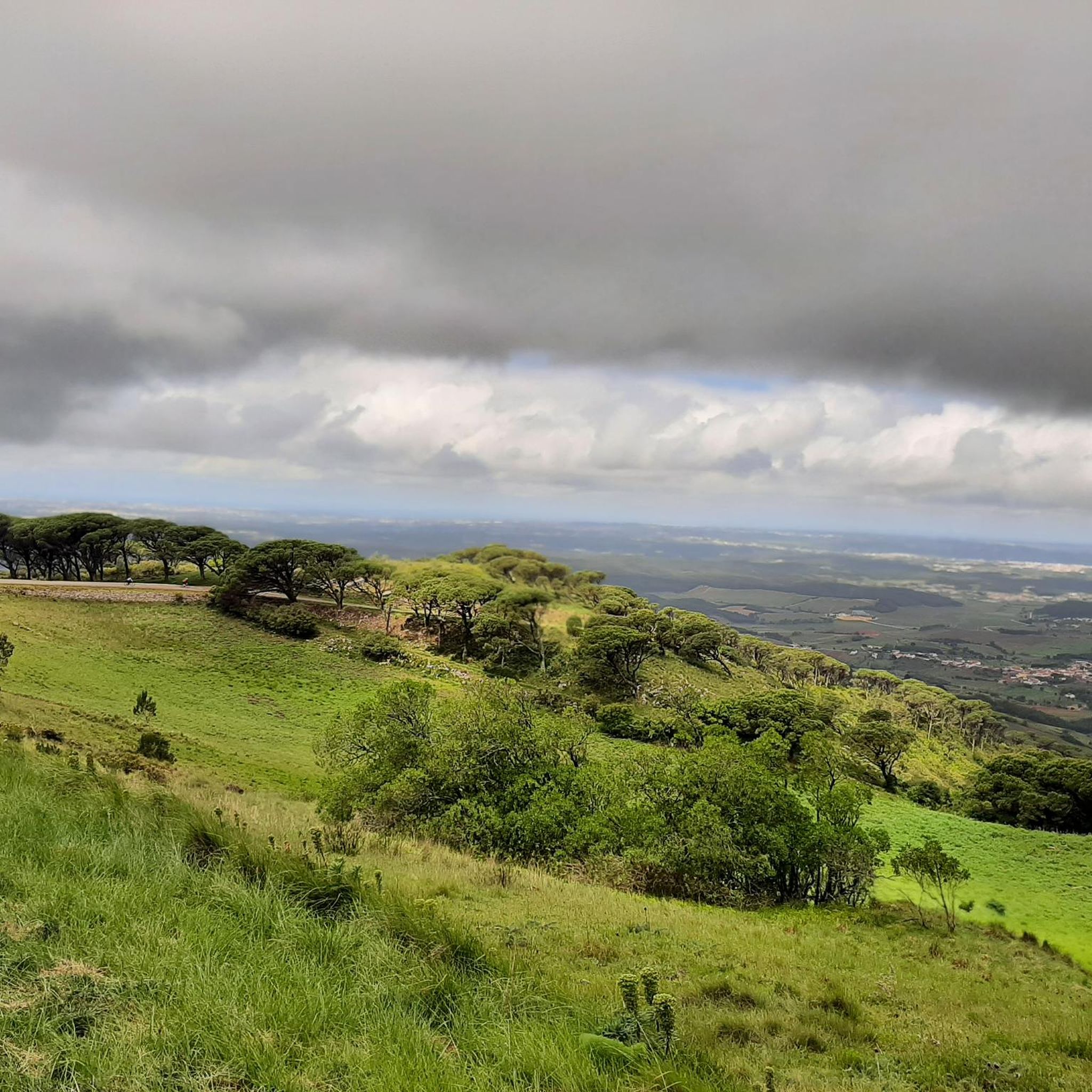
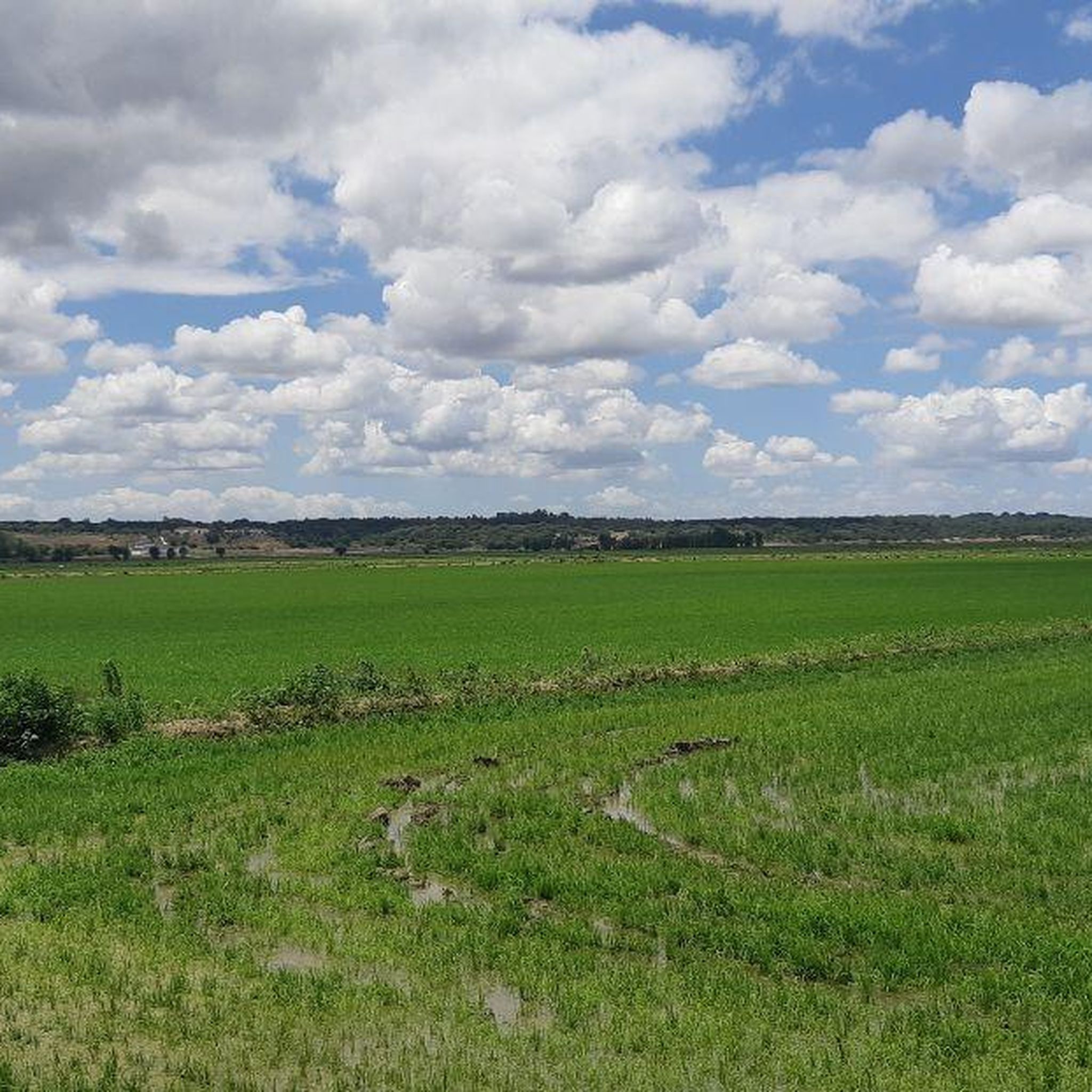
Mountain biking around Salvaterra De Magos offers routes through the flat, agricultural landscapes of the Ribatejo region. The terrain is characterized by open fields, riverside paths along the Tejo, and small, scattered woodlands. Elevation changes are generally gentle, making it suitable for various skill levels. The area provides a network of trails that explore the rural environment and riverine ecosystems.
Best mountain bike trails around Salvaterra De Magos
- The most popular mountain bike trail is Mountainbike loop from Reguengo -…
Last updated: July 8, 2026
19
riders
77.9km
04:39
190m
190m
Moderate mountain bike ride. Good fitness required. Suitable for all skill levels.
7
riders
Moderate mountain bike ride. Good fitness required. Suitable for all skill levels.

Sign up for free
3.0
(1)
3
riders
23.1km
01:39
80m
80m
Moderate mountain bike ride. Great for any fitness level. Advanced riding skills necessary.
7
riders
Easy mountain bike ride. Great for any fitness level. Suitable for all skill levels.
5.0
(1)
2
riders
30.8km
02:29
230m
230m
Moderate mountain bike ride. Good fitness required. Advanced riding skills necessary.
Get access to more routes and recommendations from other explorers.
Sign up for free
Already have an account?
Our route recommendations are based on thousands of hikes, rides, and runs completed by other people on komoot.
Start today with a free account
Your next adventure awaits.
Login or Signup
Popular around Salvaterra De Magos

Tips from the Community

Built during the Roman period, it is an important vestige of that people's presence in the municipality. The Roman presence in the parish of Muge is clearly evident in the area of Porto de Sabugueiro. The most striking vestiges of this historical period are found here. Porto de Sabugueiro, due to its proximity to the Tagus River, was an important river port during the Roman period. Excavations and published studies define this location as an important Roman village, with ceramic production, due to the existence of a ceramic kiln found here in the 1960s. Approximately 400 meters from this location is the Roman Bridge, which crosses the Muge stream. The construction techniques used, especially in the larger arch, undoubtedly indicate a Roman origin; however, the two smaller arches, due to their typology, are attributable to the Middle Ages. This bridge was one of the main crossing points connecting Muge to the interior of the country (Alentejo) and to the city of Santarém. It possesses undeniable historical value, forming part of the memory and heritage identity of the municipality of Salvaterra de Magos. (Source: www.salvaterrademagos.pt)
16
0

Constantino Palha Municipal Park is one of the main tourist attractions in Vila Franca de Xira, located next to the train station and the Tagus River. It occupies an area of 400 meters in front of the river and is considered the most charismatic garden in the city. Highlights: - Bandstand: a 19th-century bandstand is one of the park's main attractions, where cultural events frequently take place. - Lakes: the lakes are a characteristic element of the garden, adding a touch of serenity to the environment. - Playground: a fun area for children, making it a popular destination for families. - Cafeteria: offers a cozy place to relax and enjoy the river view. - Paths: the winding paths allow visitors to take pleasant walks through the garden, enjoying nature and the view of the Tagus River.
1
0


Delicious bifana to recharge your batteries :)
1
0

Easy to miss, did this route a few times and only saw it this time.
0
0
Frequently Asked Questions
How many mountain bike trails are available in Salvaterra De Magos?
There are nearly 30 mountain bike trails around Salvaterra De Magos, offering a variety of routes through the flat agricultural landscapes and along the Tejo river.
Are there easy mountain bike trails suitable for beginners in Salvaterra De Magos?
Yes, Salvaterra De Magos offers several easy mountain bike trails, perfect for beginners or those looking for a relaxed ride. One such route is the Beira Tejo Boat in Valada – Valada and the river loop from Azambuja, which covers 29.8 km with minimal elevation changes.
What kind of terrain can I expect on mountain bike trails in Salvaterra De Magos?
The terrain in Salvaterra De Magos is predominantly flat, characterized by open agricultural fields, riverside paths along the Tejo, and quiet country roads. You'll find gentle elevation changes, making it suitable for various skill levels and offering a smooth riding experience.
Are there any circular mountain bike routes in Salvaterra De Magos?
Yes, many of the mountain bike trails in Salvaterra De Magos are circular, allowing you to start and end at the same point. An example is the Weir loop from Granho, a moderate 30.8 km route.
What is the best time of year for mountain biking in Salvaterra De Magos?
Spring and autumn are generally the best times for mountain biking in Salvaterra De Magos. The weather is milder, and the landscapes are vibrant. Summers can be very hot, while winters might bring more rain, making some riverside paths muddy.
What can I see along the mountain bike trails in Salvaterra De Magos?
Along the trails, you can explore rural environments, riverine ecosystems, and historical points of interest. Notable attractions include the Ponte Rainha D. Amélia, the charming Valada Village, and the ancient Roman Bridge of Muge. Many routes also follow the Caminho do Tejo.
Are there mountain bike trails suitable for families in Salvaterra De Magos?
Given the generally flat and gentle terrain, many of the easier mountain bike trails in Salvaterra De Magos are suitable for families. Routes that stick to quiet country roads or well-maintained riverside paths are ideal for a family outing.
What is the typical length of mountain bike trails in Salvaterra De Magos?
Mountain bike trails in Salvaterra De Magos vary in length. You can find shorter routes, such as the Silas Original Bifanas – Roman Bridge of Muge loop from Marinhais at 23.1 km, as well as longer excursions like the Mountainbike loop from Reguengo - Vale da Pedra - Pontével, which is 72.8 km.
What do other mountain bikers enjoy most about mountain biking in Salvaterra De Magos?
The komoot community highly rates the mountain biking experience in Salvaterra De Magos, with an average score of 4.1 stars. Reviewers often praise the peaceful rural environment, the scenic riverside paths along the Tejo, and the accessibility of routes for various skill levels.
Are there any advanced or challenging mountain bike trails in Salvaterra De Magos?
While the region is known for its gentle terrain, there are a few routes that offer a bit more challenge, often due to their length rather than significant elevation. There are 3 difficult-rated routes available, though the majority are moderate or easy. For a longer, moderate ride, consider the Queen Dona Amélia Bridge – Beira Tejo Boat in Valada loop from Santana-Cartaxo, spanning 52.3 km.
Can I expect to see any wildlife while mountain biking in Salvaterra De Magos?
Given the agricultural and riverine landscapes, you may encounter various bird species, especially along the Tejo river. The quiet rural paths also offer opportunities to spot local fauna typical of the Ribatejo region.
Are there places to stop for refreshments or food along the mountain bike routes?
Many routes pass through or near small villages like Valada or Marinhais. These villages often have local cafes or restaurants where you can stop for refreshments or a meal, offering a taste of local Portuguese cuisine.
Most popular routes around Salvaterra De Magos
Most popular attractions around Salvaterra De Magos

Get inspired with the komoot mobile app


Explore more
Browse the best MTB trails in other regions.
