Attractions and Places To See around Granho - Top 12
Best attractions and places to see around Granho, a former civil parish in Salvaterra de Magos, Portugal, offer a blend of historical sites and natural river landscapes. While Granho itself is a small locality, the surrounding region provides various points of interest for exploration. The area is characterized by its connection to the Tagus River and historical small towns. Visitors can discover regional attractions focusing on natural beauty and local heritage.
Best attractions and places to see around Granho
- The…
Last updated: July 1, 2026
Valada Village
Highlight • Settlement
Translated by Google •
Tip by

Roman Bridge of Muge
Highlight • Bridge
The Roman presence in the parish of Muge is clearly evident in the …
Translated by Google •
Tip by

Sign up now to discover places like this
Get recommendations on the best single tracks, peaks, & plenty of other exciting outdoor places.
Sign up for free
Beira Tejo Boat in Valada
Highlight • Monument
Translated by Google •
Tip by
Ponte Rainha D. Amélia
Highlight • Bridge
Translated by Google •
Tip by
Pilgrims' Swing
Highlight • Structure
Translated by Google •
Tip by
Sign up for free to discover even more attractions around Granho.
Sign up for free
Already have an account?
Start today with a free account
Your next adventure awaits.
Login or Signup
Popular around Granho

Tips from the Community

Built during the Roman period, it is an important vestige of that people's presence in the municipality. The Roman presence in the parish of Muge is clearly evident in the area of Porto de Sabugueiro. The most striking vestiges of this historical period are found here. Porto de Sabugueiro, due to its proximity to the Tagus River, was an important river port during the Roman period. Excavations and published studies define this location as an important Roman village, with ceramic production, due to the existence of a ceramic kiln found here in the 1960s. Approximately 400 meters from this location is the Roman Bridge, which crosses the Muge stream. The construction techniques used, especially in the larger arch, undoubtedly indicate a Roman origin; however, the two smaller arches, due to their typology, are attributable to the Middle Ages. This bridge was one of the main crossing points connecting Muge to the interior of the country (Alentejo) and to the city of Santarém. It possesses undeniable historical value, forming part of the memory and heritage identity of the municipality of Salvaterra de Magos. (Source: www.salvaterrademagos.pt)
16
0

Ride on the path dedicated for bikes. The road isn’t suitable for bikes, rough and slippery.
1
0

Watch out it can be slippery
1
0

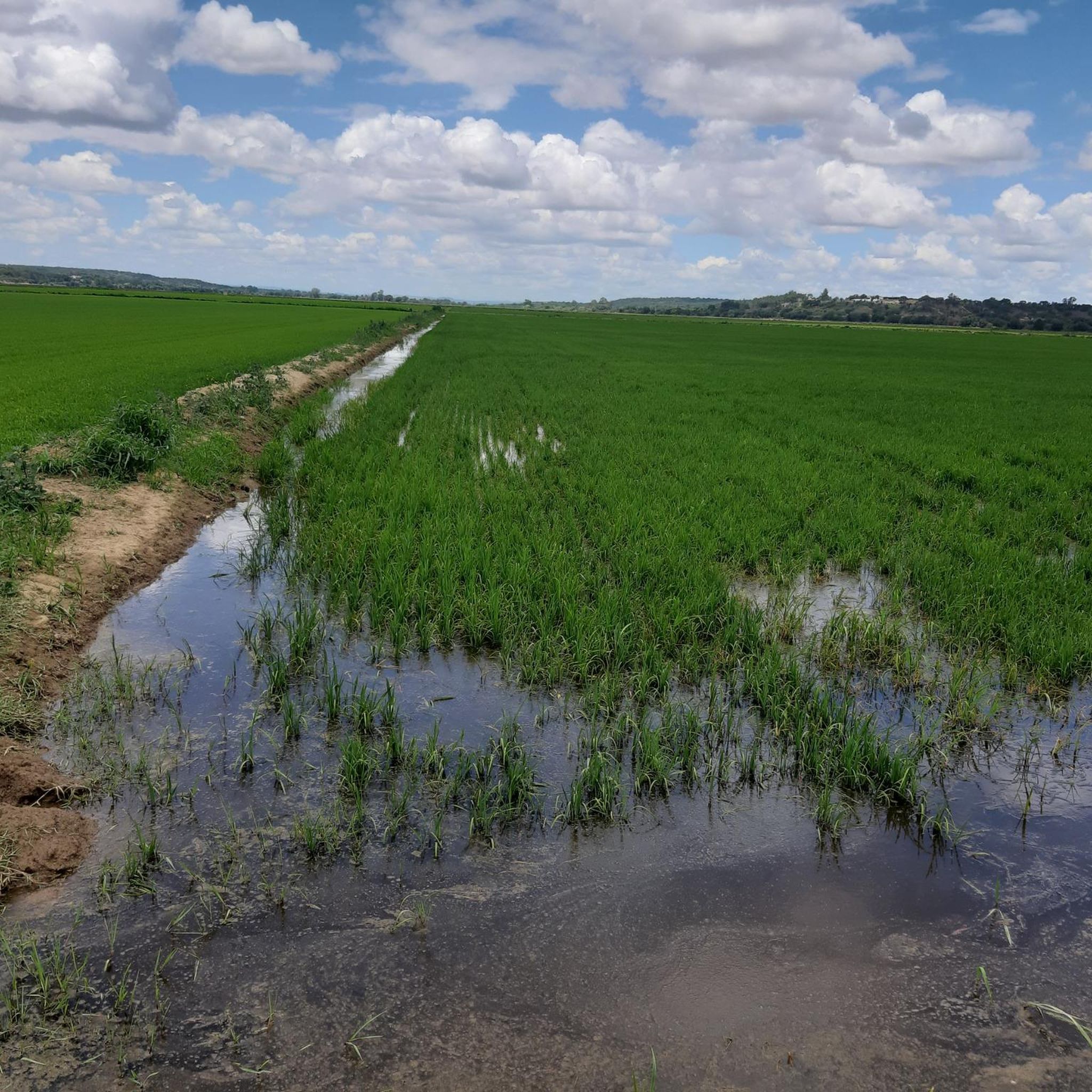
The village of Valada is a small Portuguese town, located in the municipality of Cartaxo, district of Santarém, in the Ribatejo region. Here is some information: Characteristics 1. Population: Around 1,500 inhabitants. 2. Area: 11.2 km². 3. Population density: 134 inhabitants/km². 4. Altitude: 20-30 meters above sea level. History 1. Origins: Possibly founded by the Romans. 2. 12th century: Part of the municipality of Cartaxo. 3. 15th century: Agricultural and livestock development. Points of interest 1. Igreja Matriz de Nossa Senhora da Conceição (18th century). 2. Capela de São Sebastião. 3. Fonte do Castelo (historical monument). 4. Praia Fluvial de Valada (river Tagus). 5. Walking and cycling trails. Activities 1. Agriculture (cereals, fruit and vegetables). 2. Livestock farming (cattle, pigs and poultry). 3. River fishing. 4. Rural tourism. 5. Cultural and religious events. Accessibility 1. Located 10 km from Cartaxo. 2. Access via the EN365 national road. 3. Public transport: buses. 4. Nearest train station: Cartaxo.
4
0

Valada is one of the eight parishes in the Municipality of Cartaxo, and is also one of the oldest. According to historians, the Romans were the first farmers in the Valada field, however it was during Arab rule that the first documents appeared making reference to their uber rich land. The ex-libris of the parish is the Tagus River, with its surrounding space of great beauty, its river beach, picnic area and camping site. A meeting place, par excellence, for outsiders who visit the parish. As a heritage site, Valada is proud of its church dating back to 1211, during the reign of Dom Afonso II. Losing part of its beauty, after the restoration of 1962, its patron saint is Our Lady of the Spectation of Ó
3
0
The Rainha D. Amélia Bridge, also known as Ponte D. Amélia, is an old railway bridge inaugurated on January 14, 1904. It was later converted to road use, with alternating circulation in both directions. The bridge allows pedestrians or bicycles to cross it via two narrow side roads. Crossing it is always a strong emotion.
6
0
The name of this swing comes from the fact that it is located next to a path frequently used by pilgrims heading to the Sanctuary of Fátima, or who are walking the paths to Santiago.
3
0
Valada is one of the eight parishes in the Municipality of Cartaxo, and is also one of the oldest. According to historians, the Romans were the first farmers in the Valada field, however it was during Arab rule that the first documents appeared making reference to their uber rich land. The ex-libris of the parish is the Tagus River, with its surrounding space of great beauty, its river beach, picnic area and camping site. A meeting place, par excellence, for outsiders who visit the parish. As a heritage, Valada is proud of its church dating back to 1211, during the reign of Dom Afonso II. Losing part of its beauty, after the restoration in 1962, its patron saint is Nossa Senhora da Espectação do Ó.
6
0
Frequently Asked Questions
What natural features and river-related activities can I enjoy near Granho?
The region around Granho is closely connected to the Tagus River. You can visit Valada Village, which offers a river beach, picnic area, and camping site. The area also features SóRio Valada and Praia Fluvial de Valada, providing opportunities for various river activities and enjoying the natural beauty of the Tagus.
Are there any historical sites or landmarks to explore near Granho?
Yes, the area boasts several historical sites. Valada Village is one of the oldest parishes in the area, with a church dating back to 1211. Additionally, the Roman Bridge of Muge, originally built during the Roman period and renovated in medieval times, is an important historical vestige in the municipality.
Where can I find scenic views of the Tagus River near Granho?
For superb views of the Tagus River, visit Ponte Rainha D. Amélia. It's recommended to ride or walk on the sidewalk for safety and to fully appreciate the scenery.
Are there family-friendly attractions or activities around Granho?
Absolutely. Valada Village is very family-friendly, offering a river beach, picnic area, and camping site. The Beira Tejo Boat in Valada and the Pilgrims' Swing are also noted as family-friendly spots, providing enjoyable experiences for all ages.
What outdoor activities, like cycling or mountain biking, are available near Granho?
The area around Granho is excellent for cycling and mountain biking. You can find various routes, such as the 'River Beach of Valada – Valada and the river loop' for touring bicycles, or the 'Silas Original Bifanas – Roman Bridge of Muge loop' for mountain biking. For more options, explore the dedicated guides for Cycling around Granho, Road Cycling Routes around Granho, and MTB Trails around Granho.
What makes Valada Village a notable place to visit?
Valada Village is significant for its deep connection to the Tagus River, offering a beautiful river beach, picnic area, and camping site. It's also historically rich, home to a church dating back to 1211, making it a popular meeting place for visitors seeking both natural beauty and heritage.
Are there any unique or lesser-known spots worth discovering around Granho?
While Granho itself is a smaller locality, the surrounding area offers unique points. The Pilgrims' Swing is a charming spot, named for its location along a path frequently used by pilgrims. It offers a pleasant viewpoint and a unique experience.
What do visitors particularly enjoy about the attractions near Granho?
Visitors appreciate the blend of historical sites, river villages, and natural landscapes. The superb views from Ponte Rainha D. Amélia and the amenities at Valada Village, such as the river beach and picnic area, are frequently highlighted. The historical significance of sites like the Roman Bridge of Muge also draws interest.
When is the best time of year to visit the attractions around Granho?
Given the focus on outdoor activities like cycling and enjoying river beaches, the spring and autumn months typically offer pleasant weather for exploration. Summers can be warm, ideal for river activities, while winters are generally mild but might be less suitable for extensive outdoor pursuits.
What kind of historical bridges can I find in the Granho area?
The area is known for its historical bridges. Besides the prominent Ponte Rainha D. Amélia with its Tagus views, you can also visit the Roman Bridge of Muge. This ancient bridge, crossing the Muge stream, showcases construction techniques from both Roman and medieval periods.
Are there walking or hiking opportunities near Granho's attractions?
While specific hiking trails are not detailed, Valada Village is noted for having walking and cycling trails. The general area, with its river landscapes and historical sites, provides pleasant opportunities for leisurely walks and exploration on foot.
Most popular routes around Granho

Get inspired with the komoot mobile app


Explore more
Still not found the Highlight you’re looking for? See guides of the top attractions in other regions:
