Attractions and Places To See around São Sebastião - Top 14
Attractions and places to see around São Sebastião, located on the northern coast of São Paulo state, Brazil, offers a diverse range of natural and cultural sites. The region is characterized by its extensive coastline with over 30 beaches, the lush Atlantic Forest, and historical landmarks. Visitors can explore colonial architecture, significant archaeological sites, and numerous natural features including waterfalls and state parks. São Sebastião provides a variety of experiences, from surfing to historical exploration.
Best attractions and places to…
Last updated: October 18, 2026
Rio Maior Salt Pans
Highlight • Monument
Translated by Google •
Tip by

Ribeira das Antas Trail
Highlight (Segment) • Trail
As mentioned before, in winter it can be quite muddy.
Translated by Google •
Tip by

Sign up now to discover places like this
Get recommendations on the best single tracks, peaks, & plenty of other exciting outdoor places.
Assentiz Roman Bridge
Highlight • Bridge
Translated by Google •
Tip by
Bocas Gorge
Highlight (Segment) • Gorge
Translated by Google •
Tip by
Serra dos Candeeiros Wind Farm
Highlight (Segment) • Structure
Translated by Google •
Tip by
Sign up for free to discover even more attractions around São Sebastião.
Already have an account?
Start today with a free account
Your next adventure awaits.
Tips from the Community

Salt is extracted from compartments – pits – made of cement or stone, of varying sizes and shallow depths, to which salt water is taken from a well through irrigation channels. Currently, the water is raised by means of a motor and distributed according to a system that is jointly accepted and respected (not always) by all the owners. The sewers, threshing floors and wooden houses for storing salt complete the set of what is called the Salt Mines of Rio Maior. According to technicians, a large and deep rock salt mine, crossed by an underground current that feeds a well, makes the water extracted from it salty, seven times saltier than that of the sea. The salt is obtained from its exposure to the sun and wind and the consequent evaporation of the water, deposited at the bottom of the pits, which is then placed in pyramid-shaped piles to dry until it is collected. The process is rudimentary and similar to that used in the salt mines on the seashore. The only difference is the picturesque valley that surrounds them, the well, the unique style of the sailors (as the men who work in the salt mines are known), the wooden houses and the country air that can be breathed.
3
0
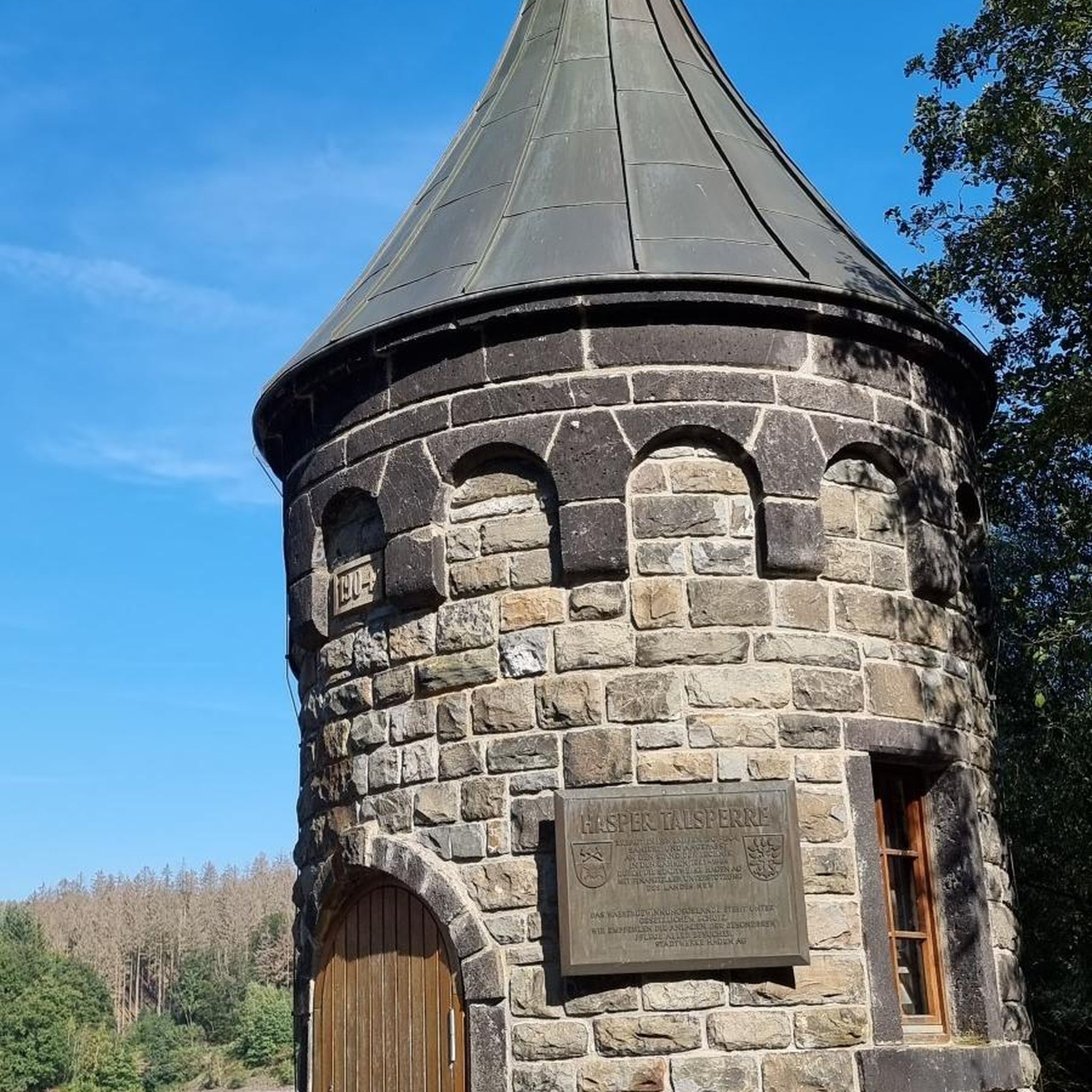
The Roman bridge of Assentiz originally had two arches, but after a major flood in the 18th century, one of the sides gave way, leaving the bridge with only one arch. Analysing the way the stones in the arch area are placed, it is possible to conclude that this bridge is not in fact Roman, especially since it is now known that the Roman road did not pass through here. The bridge was part of the royal road built by order of Queen Maria I at the beginning of the 18th century, which followed the route of the old Roman road for most of its route. This royal road facilitated access to the region, allowing the flow of its products and also the passage of the mail carrier (transport of mail and people) that had a change point in Alto da Serra. The bridge is in urgent need of refurbishment and consolidation works. There is currently a bridge adjacent to it to connect Assentiz and Arrouquelas.
4
0
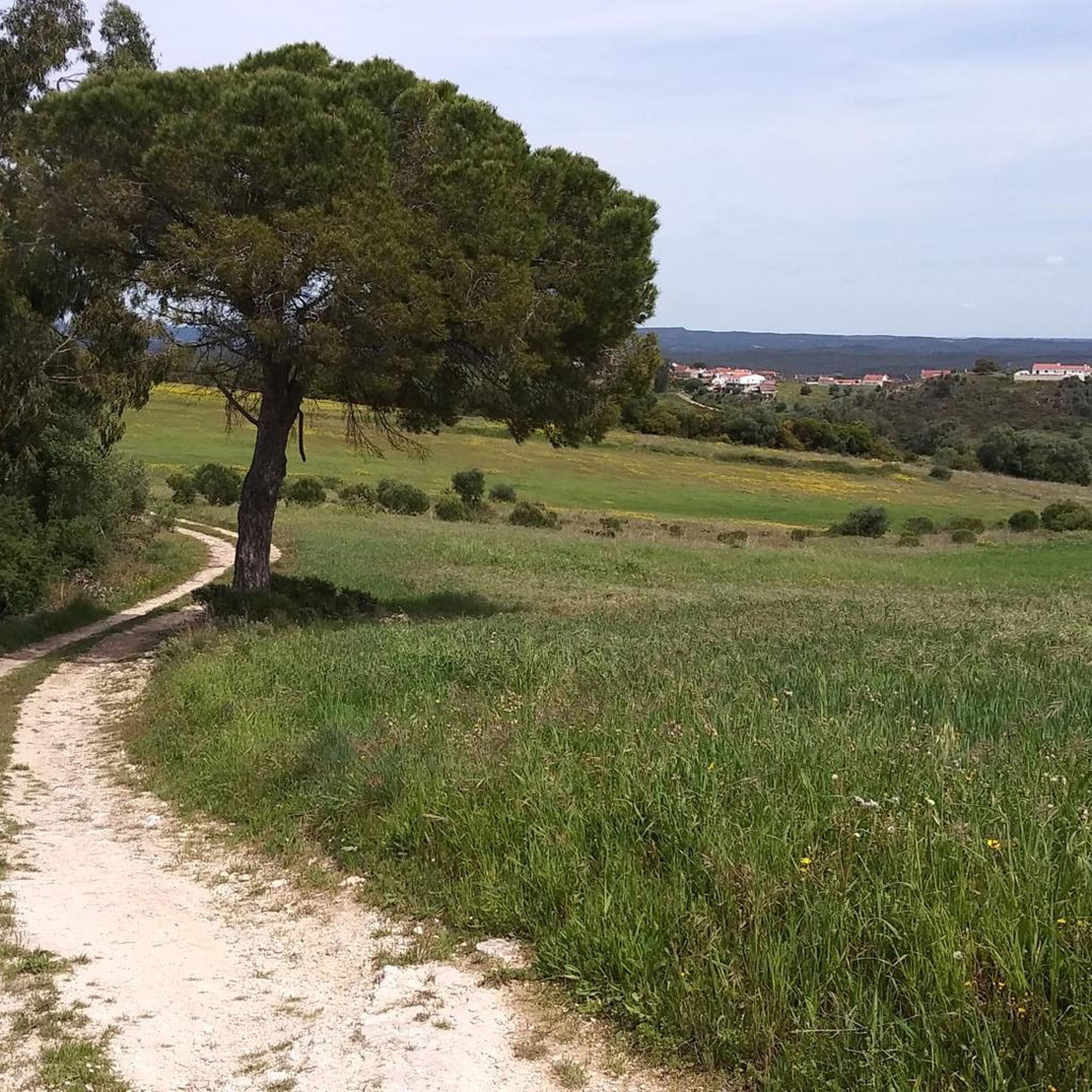
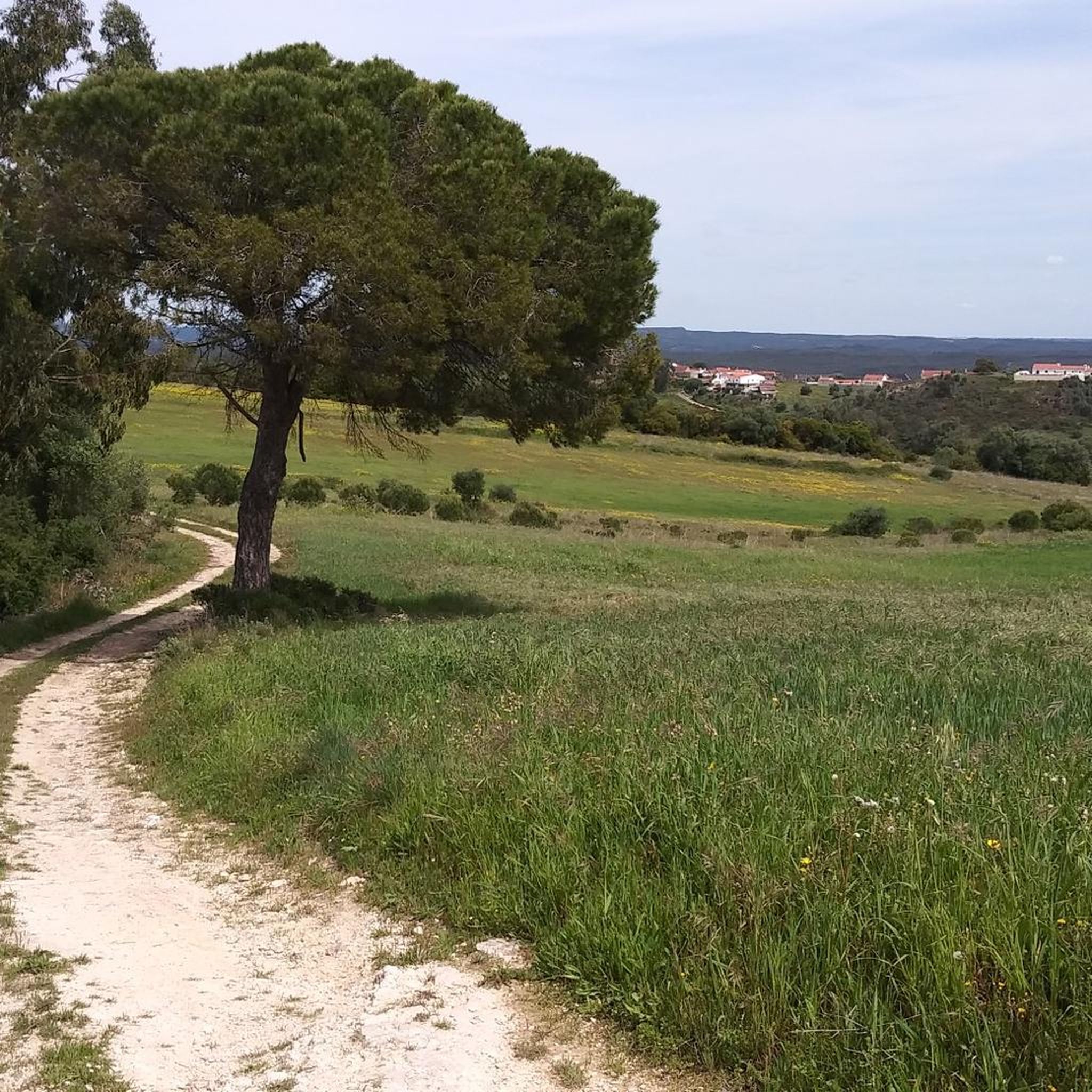
I agree, it's a very beautiful section indeed. The water from the Ribeira das Antas that runs alongside this path gives it an even more special touch. As mentioned before, in winter it can be quite muddy.
4
0
Located at an altitude of approximately 487 meters, the Serra dos Candeeiros Wind Farm has 37 wind turbines dispersed along a corridor that covers the parishes of Rio Maior and Alcobertas. Each generating machine has a capacity of 3MW which gives a total capacity of 111MW. The wind farm is crossed by a dirt road, which can be traveled along its entire length by any type of bicycle. Usually a windy place (as you would expect) it is worth a visit for the surrounding landscapes.
4
0
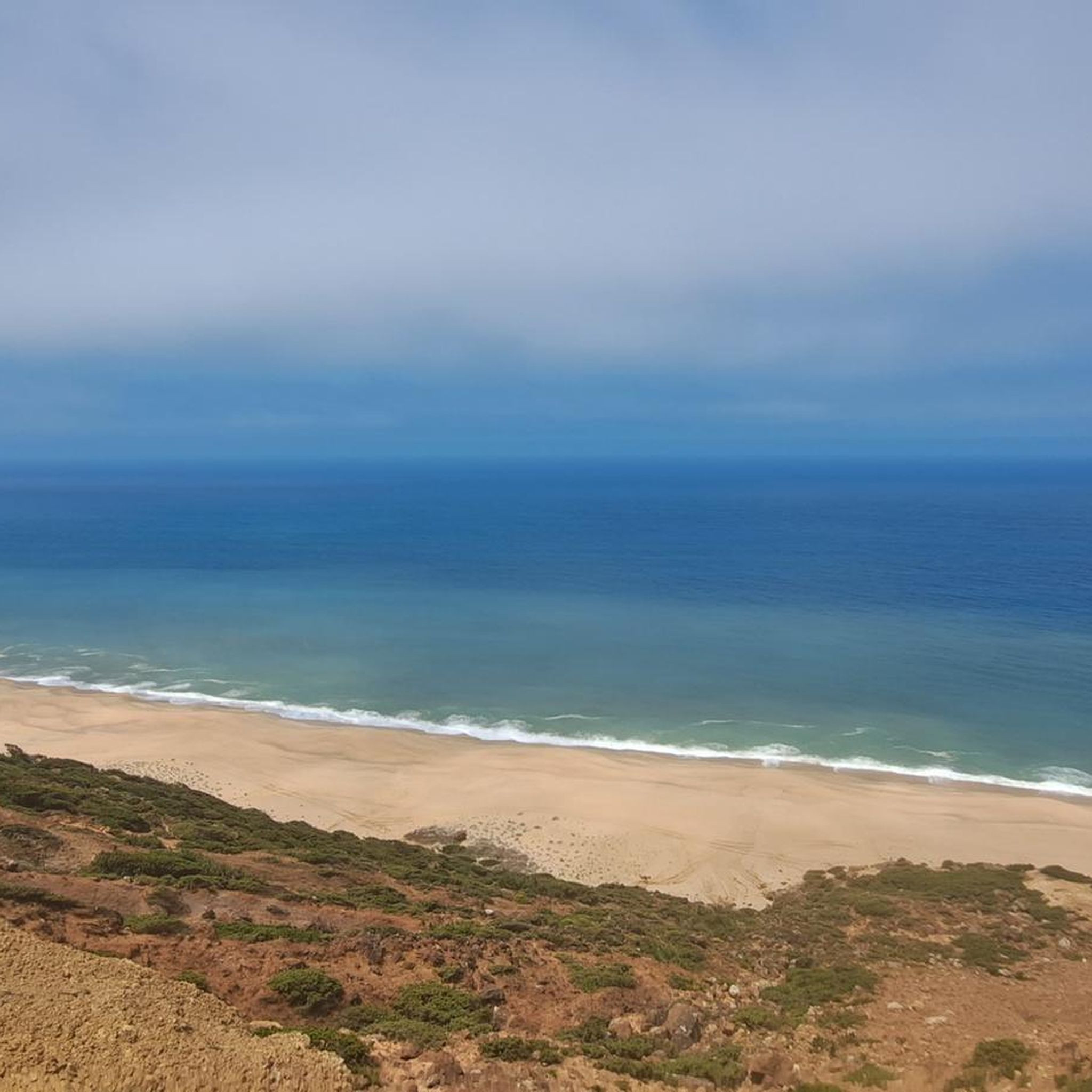
At the end of this segment, towards Rio Maior, on the right side of the road there is a small park where it is possible to stop and walk a little to observe the magnificent natural caves on the banks of the Rio Maior, a practically forgotten river that gave its name to the current city from Rio Maior. Currently, the flow of the river is very low, drying up completely in the summer months. A little of history: "The Rio Maior rises in a picturesque place called «Bocas», a large gorge that cuts the mountain range, through which the Santarém-Peniche road also passes, located west of the city of Rio Maior. the picnic on Good Summer Day. It is said that in the mid-19th century, still on the Maior river, in winter or in times of plenty of water, boats sailed, almost all sailing or rowing, approaching the Tagus to change the loads to other larger boats." Source: Memories of Rio Maior - https://memoriasderiomaior.blogs.sapo.pt/2023.html
3
0

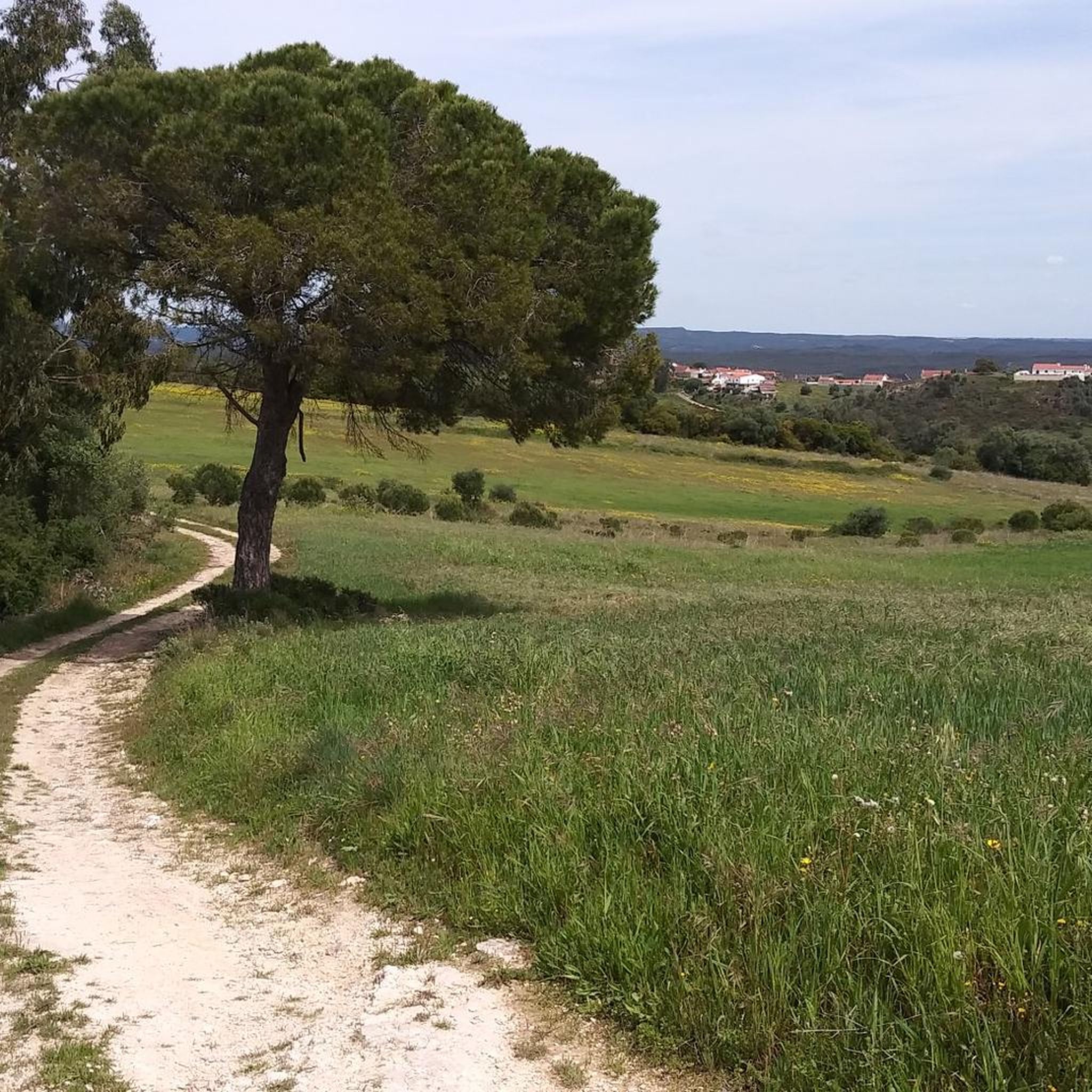
Wide paths with a lot of shade and vegetation, be careful in winter there is a lot of mud.
3
0

The Salinas de Rio Maior are located about 3 km from the city center and are located in a valley at the foot of the Serra dos Candeeiros, in the heart of the Serras de Aire e Candeeiros Natural Park. Classified as a Property of Public Interest since December 1997, these are the only inland salt pans in Portugal, and the only ones that are fully operational in Europe. The first reference to its existence dates from 1177, but it is thought that the use of rock salt would have been made since prehistoric times.
5
0
Frequently Asked Questions
What historical sites can I explore in São Sebastião?
São Sebastião offers a rich historical experience. You can visit the Alcanede Castle, believed to have prehistoric origins and offering superb views. The Assentiz Roman Bridge, though not truly Roman, is part of an 18th-century royal road. Additionally, the São Sebastião Historical Center features colonial architecture and the significant Igreja Matriz de São Sebastião, dating back to the late 17th century.
Are there any unique natural or man-made attractions to see?
Yes, São Sebastião has several unique attractions. The Rio Maior Salt Pans are Portugal's only inland salt pans, operational since at least 1177, where salt is extracted using a traditional process. You can also visit the Serra dos Candeeiros Wind Farm, located at 487 meters altitude, featuring 37 wind turbines and offering impressive surrounding landscapes.
What outdoor activities are available near São Sebastião's attractions?
The region around São Sebastião is excellent for outdoor activities. You can find numerous routes for road cycling, mountain biking, and running. For detailed routes and trails, explore the Road Cycling Routes around São Sebastião, MTB Trails around São Sebastião, and Running Trails around São Sebastião guides.
Are there any family-friendly attractions in São Sebastião?
Absolutely! The Rio Maior Salt Pans are considered family-friendly, offering an educational and unique experience. Alcanede Castle is also a great option for families, combining history with scenic views. Additionally, beaches like Juquehy are popular with families due to their calm, clear waters.
Where can I find scenic viewpoints in the area?
For stunning views, head to the Serra dos Candeeiros Wind Farm, which offers expansive landscapes from its 487-meter altitude. The Alcanede Castle also provides superb views towards the south. For coastal vistas, Mirante do Boiçucanga is known for its panoramic views, especially at sunset.
What are the best beaches in São Sebastião?
São Sebastião boasts over 30 beaches, each with unique charm. Maresias Beach is famous for surfing and beautiful sunsets. Juquehy Beach is ideal for families with its calm, clear waters. Toque-Toque Grande Beach offers stunning views of the ocean and nearby islands, while Jureia Beach provides a serene, laid-back atmosphere surrounded by lush forests.
Are there any hiking trails or nature walks available?
Yes, the region is rich in natural trails. The Ribeira das Antas Trail is a beautiful section with a river running alongside, though it can be muddy in winter. Serra do Mar State Park, covering 70% of São Sebastião's territory, offers numerous hiking trails through the Atlantic Rainforest. You can also find trails leading to various waterfalls like Juquehy Waterfall and Ribeirão de Itu Waterfalls.
What is the best time of year to visit São Sebastião?
São Sebastião is a year-round destination, but the best time to visit generally depends on your preferred activities. The warmer months are ideal for beach activities and water sports. For hiking and exploring the Atlantic Forest, the slightly cooler, drier seasons might be more comfortable. Always check local weather forecasts for current conditions.
Can I find any archaeological sites in São Sebastião?
Yes, São Sebastião is home to the significant São Francisco Archaeological Site. Recognized by UNESCO as a World Heritage site of the African Diaspora, it is located within the Serra do Mar State Park and offers a privileged view of the Canal de São Sebastião. This site, discovered in 1991, reveals a vast historical area.
What cultural experiences can I have in São Sebastião?
Beyond historical landmarks, São Sebastião offers cultural immersion through its vibrant Historical Center, where you can explore colonial architecture, local shops, and restaurants. The Casa Esperança Cultural Center is another notable point of interest, often hosting events and exhibitions that showcase the region's heritage.
Are there any waterfalls to visit in São Sebastião?
São Sebastião is dotted with picturesque waterfalls. Notable ones include Juquehy Waterfall, a beautiful natural attraction surrounded by greenery. In Boiçucanga, you can find the Ribeirão de Itu Waterfalls trail, featuring three distinct waterfalls. Other options include Cachoeira do Sertão do Cacau in Cambury, Paquetá Waterfall, and Samambaiaçu Waterfall.
What are some popular activities for surfers?
Maresias Beach is renowned as a world-class surfing spot, known for its pristine sands and excellent wave conditions. It frequently hosts surfing tournaments and is a must-visit for any surf enthusiast. The 5-kilometer stretch of soft, yellowish sand provides ample space for both experienced surfers and those looking to learn.

Get inspired with the komoot mobile app


Explore more
Still not found the Highlight you’re looking for? See guides of the top attractions in other regions:
