Top 10 Most Beautiful MTB Trails around Atouguia
4.5
(25)
160
riders
36
rides
Mountain biking around Atouguia offers diverse terrain, characterized by rolling hills, forested areas, and river valleys. The region features a mix of natural trails and dedicated mountain bike centers, providing varied riding experiences. Riders can expect routes that traverse through rural landscapes and offer views of the surrounding countryside. The area's topography supports both challenging climbs and flowing descents.
Best mountain bike trails around Atouguia
- The most popular mountain bike trail is Javali Singletrack – Pia do Urso MTB Center…
Last updated: July 8, 2026
5
riders
62.0km
05:03
970m
970m
Hard mountain bike ride. Very good fitness required. Advanced riding skills necessary. Some portions of the route may require you to push your bike.
7
riders
47.1km
04:07
760m
760m
Hard mountain bike ride. Good fitness required. Advanced riding skills necessary. Some portions of the route may require you to push your bike.

Sign up for free
3
riders
29.4km
02:32
530m
530m
Moderate mountain bike ride. Good fitness required. Suitable for all skill levels.
4
riders
34.4km
02:27
380m
380m
Moderate mountain bike ride. Good fitness required. Suitable for all skill levels.
5.0
(1)
5
riders
61.7km
05:35
1,070m
1,070m
Hard mountain bike ride. Very good fitness required. Suitable for all skill levels.
Get access to more routes and recommendations from other explorers.
Sign up for free
Already have an account?
Our route recommendations are based on thousands of hikes, rides, and runs completed by other people on komoot.
Start today with a free account
Your next adventure awaits.
Login or Signup

Tips from the Community

After the revolution of 1383, Portugal found itself in a difficult conflict with the neighboring Kingdom of Castile. The battle was decided in 1385 when the Castilian and Portuguese armies clashed at the Battle of Aljubarrota. The Castilians outnumbered and were better armed. As a military leader, Nuno Álvares Pereira loyally stood by his patron, John of Avis. The Portuguese achieved a resounding victory, which is attributed in particular to the strategic genius of Nuno Álvares Pereira. With this victory, the Castilian claims to Portugal were permanently repelled. John of Avis was proclaimed king by the Cortes, as John I of Portugal, thus establishing the second Portuguese dynasty, the House of Avis. Nuno Álvares Pereira became a national hero, and the grateful king showered him with honors and material possessions.
2
0

for those who have legs and lungs but a spectacular climb.
0
1

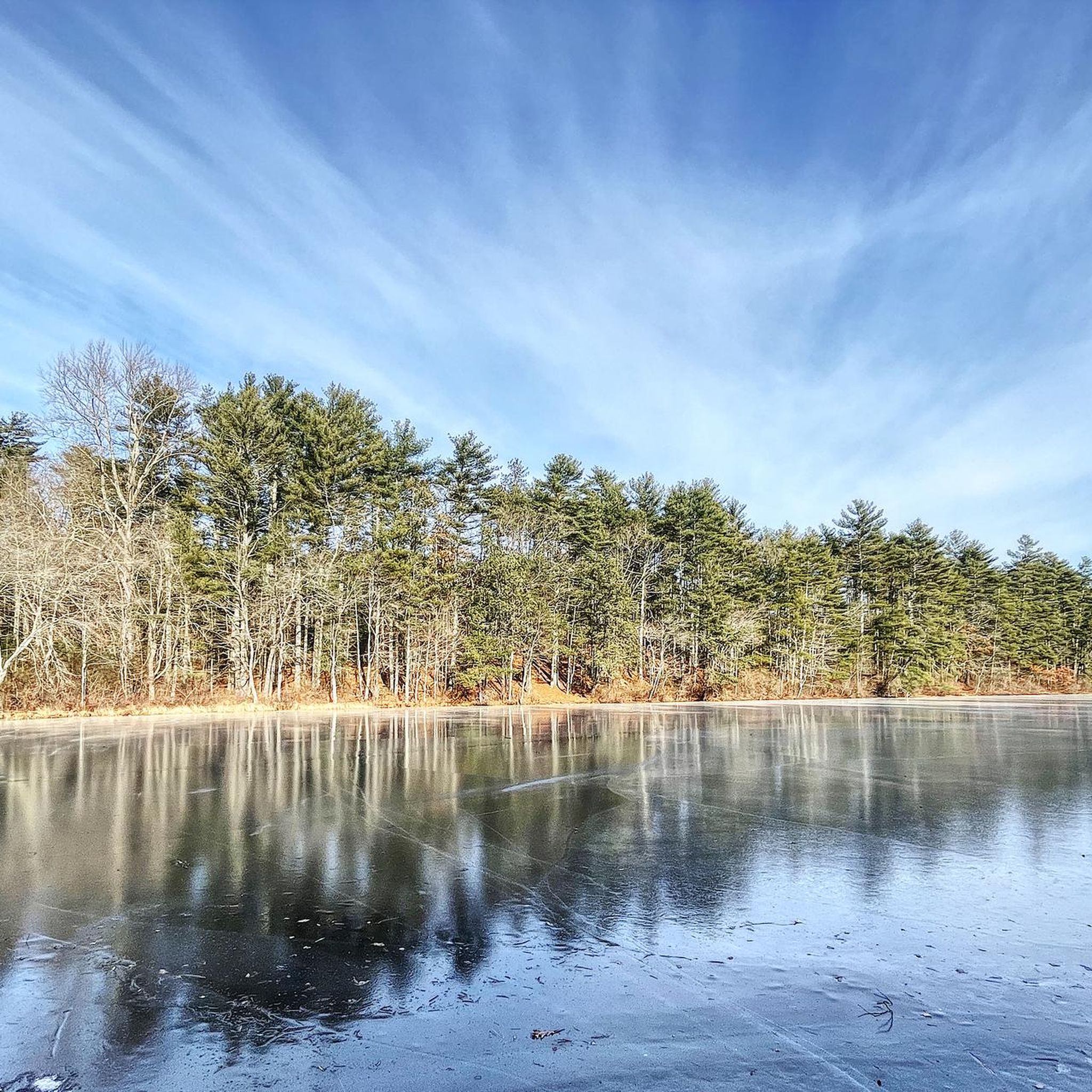
From the top of the lake, amidst the lush greenery, you can see what was once the scene of giants: the Dinosaur Footprints Natural Monument stretches out nearby, revealing the grandeur of times gone by. This is the highest point in the area, ideal for contemplating the vastness of the site. For those who enjoy running, the trails here are pure pleasure — to the north, dirt roads invite you to run at a smooth pace; to the south, the rocky terrain brings a touch of challenge. And the landscape, wide and serene, is the perfect bonus for every step.
2
1

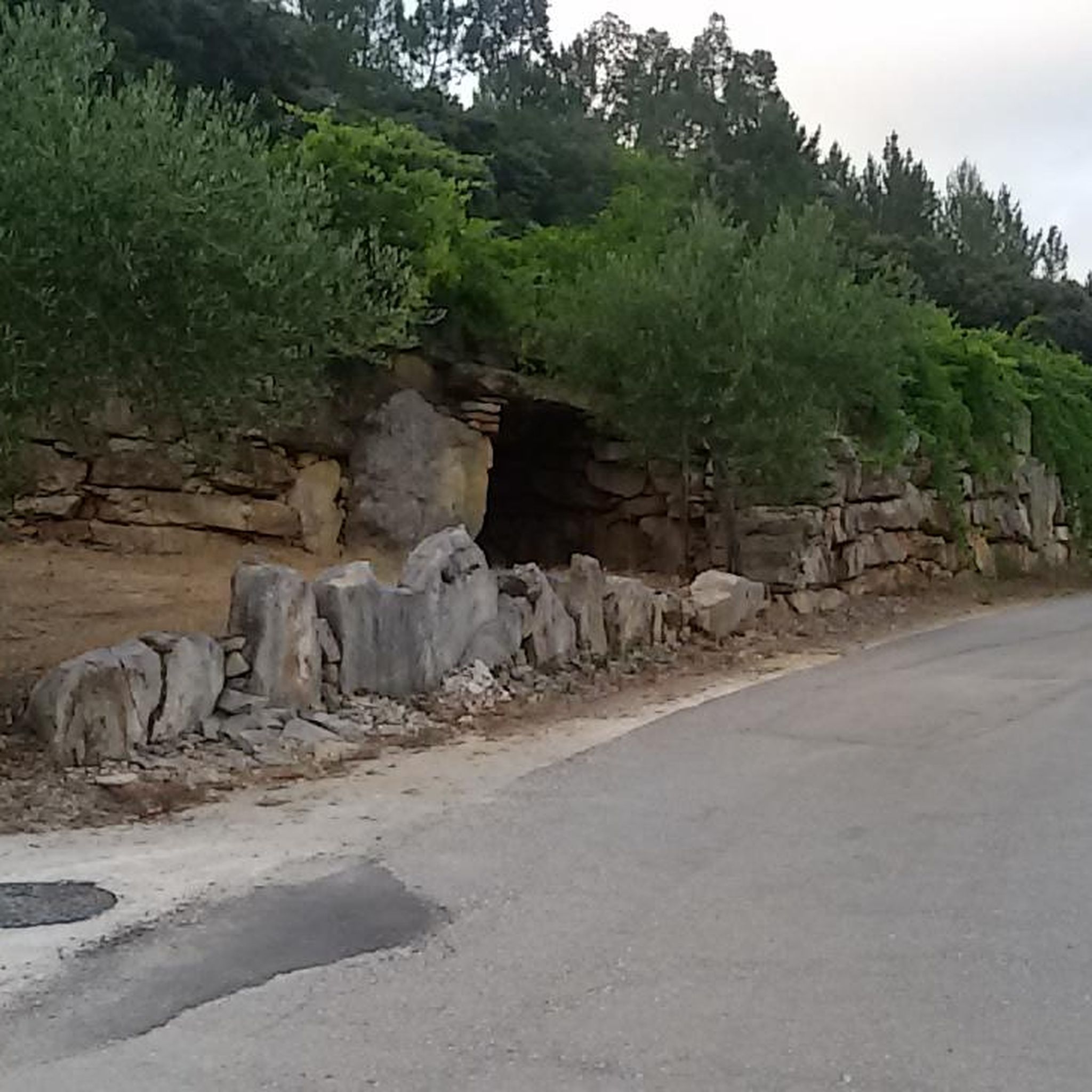
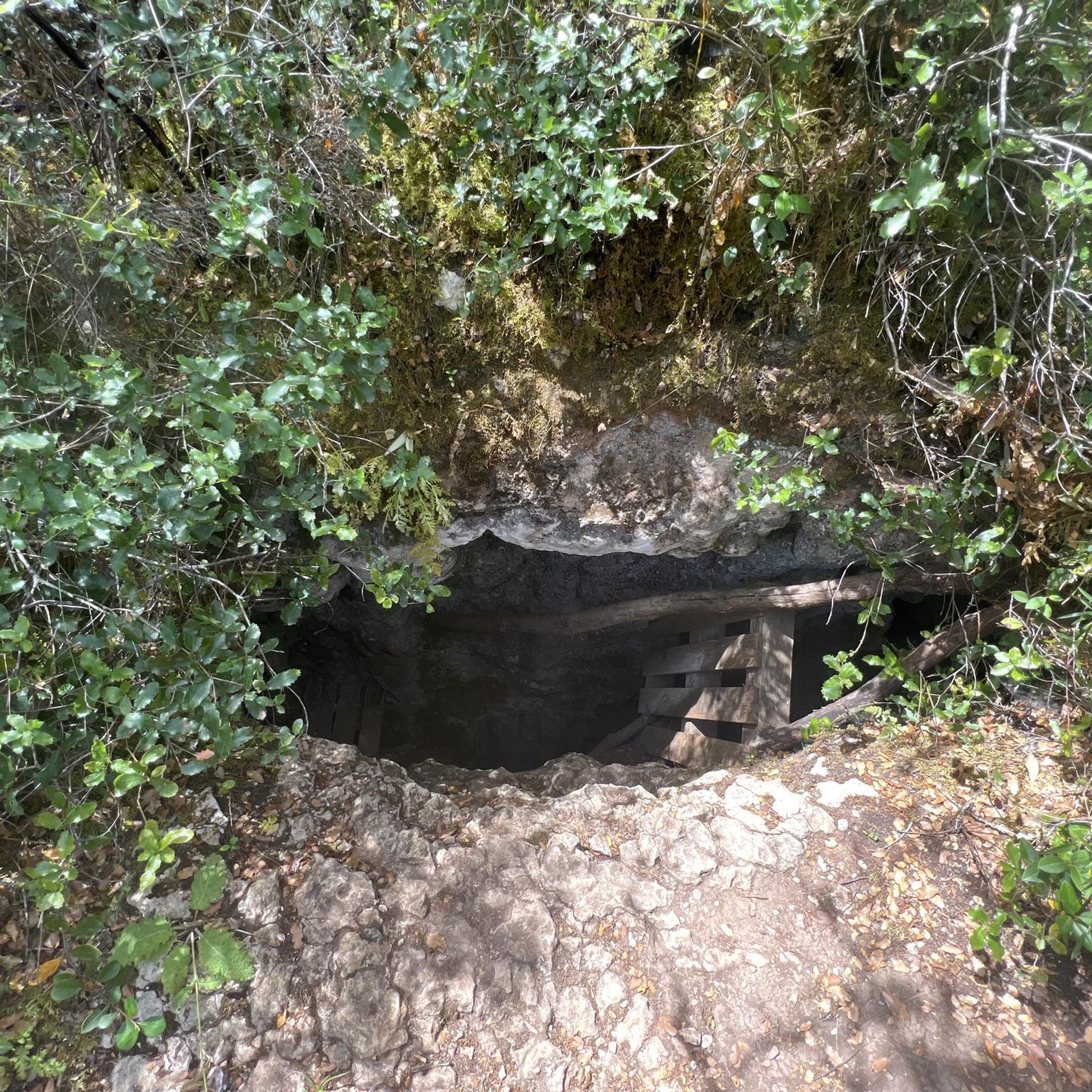
Legend has it that the bears that once inhabited the Iberian Peninsula would drink water from the sinks that were naturally formed from the rock, which are still visible today. Today, the village of Pia do Urso, in the municipality of Batalha, is a popular spot for nature lovers and outdoor hikers. In this Sensory Ecopark, which is adapted for the visually impaired, you can have picnics, hike and discover some of the region's stories.
2
0

The High Cross is a monument erected on 29 August 2007 at the Sanctuary of Fátima, designed by the artist Robert Schad and measuring 34 metres in height. It was built to replace the old High Cross, which was 27 metres high and erected to mark the end of the Holy Year of 1950/1951, and which was located at the back of the prayer area, where the Basilica of the Holy Trinity is now located. It was donated to the National Sanctuary of Christ the King, in Almada.[1] It was built by the Portuguese company 'Mecanidraulica (Maia) and transported in 4 parts to Fátima. The oxidation of the corten steel, the material in which it was built, gives it an appearance that changes colour, becoming redder in dry weather and darker in the rain. A living Cross, with its own personality, just like Fátima
4
0

The Basilica of the Trinity is the 4th largest Catholic church in the world and the largest new church built in the 21st century. Completed in 2007 according to plans by the Greek architect A. Tombasis. It has a diameter of 125 m (the above-ground part) and a volume of 130,000 m3. It has 8,633 seats and from every seat you have an unobstructed view, as the basilica could be built without supporting pillars. It has 12 side entrances, one for each of Jesus' disciples and a main entrance dedicated to Jesus himself. The main portal alone is 64 square meters in size. All just superlatives!! Unbelievable. You have to see it to be believed.
4
0

The angel of Fatima invites us to associate ourselves with this paschal mystery, following in the footsteps of our Redeemer, to be authentic disciples of Jesus. Offering sacrifices and making reparation for offenses is part of this path of love and conversion.
2
0

Church of the Baptism of St. Francisco and Jacinta
0
1
Frequently Asked Questions
How many mountain bike trails are available around Atouguia?
There are over 35 mountain bike trails around Atouguia, offering a variety of experiences for different skill levels. The region features a mix of natural trails and dedicated mountain bike centers.
Are there mountain bike trails suitable for beginners in Atouguia?
Yes, Atouguia offers several trails suitable for beginners. While many routes are moderate to difficult, there are 3 easy trails available, providing a good starting point for those new to mountain biking.
What are the typical distances and durations for mountain bike trails in Atouguia?
Trail distances vary significantly, from shorter loops to longer, more challenging rides. For example, the Cimo da Lagoa – Cabeço da Lomba loop from Atouguia is about 18.9 miles (30.3 km) and takes around 2 hours 36 minutes, while longer routes can extend over 37 miles (60 km) and take nearly 5 hours.
Are there challenging mountain bike trails for experienced riders?
Absolutely. Atouguia is well-suited for experienced riders, with 10 difficult trails available. Routes like the Javali Singletrack – Pia do Urso MTB Center loop from Fátima offer technical singletrack sections and significant elevation changes, providing a demanding ride.
What kind of terrain can I expect on mountain bike trails in Atouguia?
The terrain around Atouguia is diverse, characterized by rolling hills, forested areas, and river valleys. Riders will encounter a mix of natural surfaces, singletracks, and hilly sections, supporting both challenging climbs and flowing descents.
What do other mountain bikers enjoy most about the trails in Atouguia?
The mountain bike trails in Atouguia are highly rated by the komoot community, with an average score of 4.4 stars. Riders often praise the varied terrain, the scenic views, and the network of options available for different ability levels.
Are there any family-friendly mountain bike options in Atouguia?
While many trails are moderate to difficult, the region does offer some easier routes that could be suitable for families with older children or those looking for a less strenuous ride. It's always recommended to check the specific trail details for difficulty and length.
What are some notable natural attractions near the mountain bike trails?
The region boasts several natural attractions. You can explore the Serras de Aire e Candeeiros Natural Park, visit the Source of the Lis River, or discover caves like Pia da Ovelha Cave and Buraco Roto Cave-Necropolis.
Are there any historical or cultural landmarks to see while mountain biking in Atouguia?
Yes, the area is rich in cultural landmarks. Nearby Fátima offers significant religious sites such as the Basilica of the Most Holy Trinity, the Sanctuary of Fátima, and the Chapel of the Apparitions. These can be visited before or after your ride.
Which mountain bike trails offer the best scenic views in Atouguia?
Many trails provide scenic vistas, particularly those traversing hilly terrain. The Cimo da Lagoa – Cabeço da Lomba loop from Atouguia is known for leading through hilly landscapes and offering picturesque views of the surrounding countryside.
Where do the mountain bike trails typically start from in the Atouguia region?
Trails often start from various points within or near Atouguia, including towns like Fátima and Ourém. Specific routes, such as the Serra de Aire – Cimo da Lagoa loop, begin from Ourém, while others are accessible directly from Atouguia itself.
Most popular routes around Atouguia
Most popular attractions around Atouguia

Get inspired with the komoot mobile app


Explore more
Browse the best MTB trails in other regions.
