Attractions and Places To See around Golegã - Top 20
Best attractions and places to see around Golegã include a blend of historical sites, cultural points of interest, and significant natural landscapes. Located in the Santarém District, Golegã is situated in a fertile region influenced by the Tagus and Almonda rivers. The area is particularly recognized for its strong connection to equestrian culture and its UNESCO Biosphere Reserve, Paúl do Boquilobo. Visitors can explore riverside trails and historical landmarks.
Best attractions and places to see around Golegã
- The most popular…
Last updated: July 1, 2026
Tagus Panoramic Trail
Highlight (Segment) • Trail
Translated by Google •
Tip by

Constância Trail
Highlight (Segment) • Trail
Translated by Google •
Tip by
Sign up now to discover places like this
Get recommendations on the best single tracks, peaks, & plenty of other exciting outdoor places.
Sign up for free
Ponte João Joaquim Isidro dos Reis
Highlight • Bridge
Translated by Google •
Tip by

Constância Iron Bridge
Highlight • Bridge
It is the last bridge over the Zêzere River before it flows into the Tagus.
Translated by Google •
Tip by
Almourol Castle
Highlight • Castle
Translated by Google •
Tip by

Sign up for free to discover even more attractions around Golegã.
Sign up for free
Already have an account?
Start today with a free account
Your next adventure awaits.
Login or Signup
Tips from the Community

Hydration and protection
0
0
Hydration, helmet and gloves
1
0


There is a cafe in front of the castle with snacks. Below are the timetables for the boats to visit the castle.
1
0
The Castle is only accessible to visit by boat
1
0

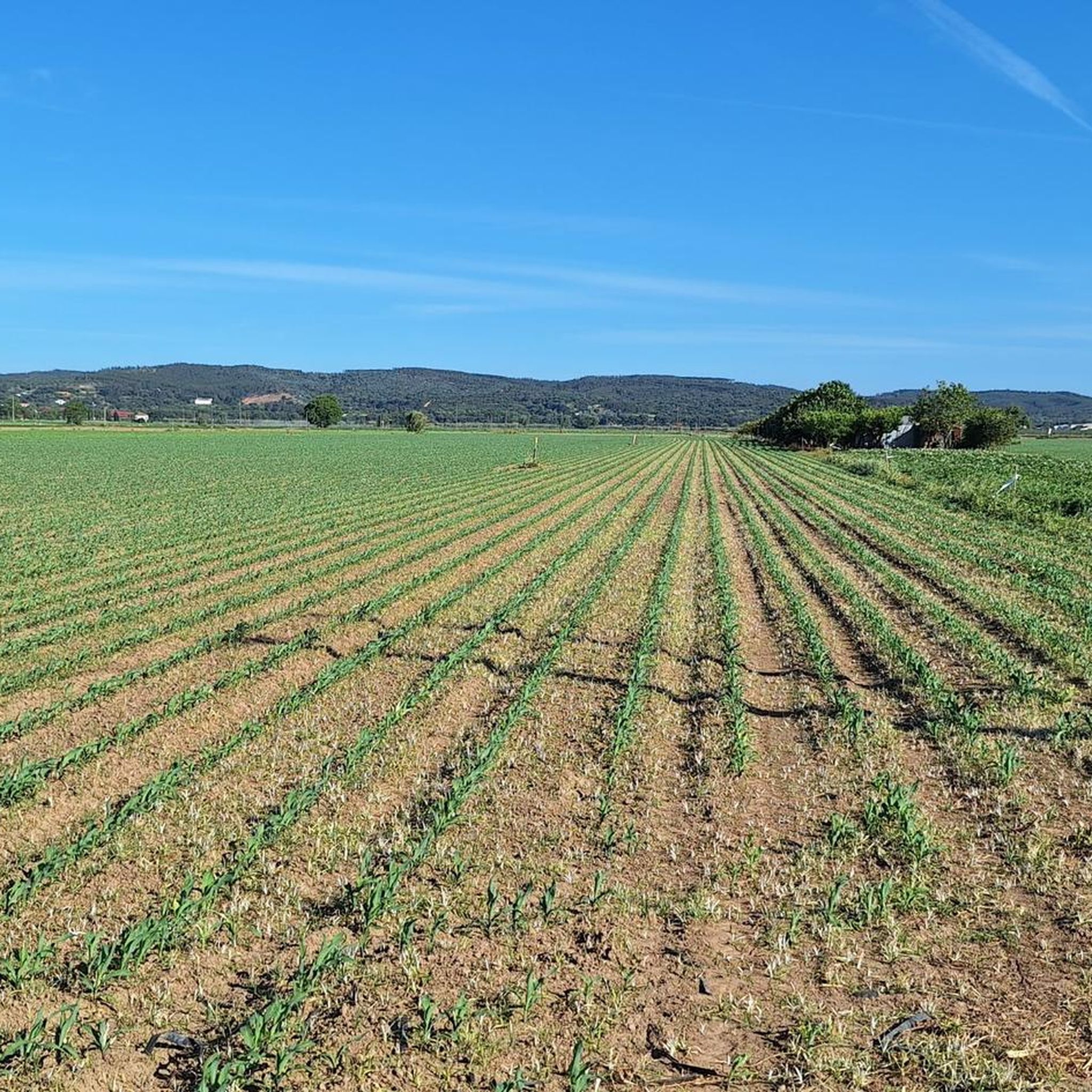
The Tagus Panoramic Trail practically always runs along the right bank of the Tagus, between Vila Nova da Barquinha and Foz do Zêzere, in Constância. It includes the Almorol Trail and the Constância Trail. This riverside route, much used by mountain bike lovers in the region, has been considerably improved with the construction of walkways, bridges and viewpoints that allow you to enjoy magnificent panoramic views over the Tagus River. This route is part of the Great Route of the Tagus (GR12), which in turn is part of the great European Route E7, an ambitious pedestrian route still under construction, which aims to connect Lisbon to the Black Sea, in Romania.
4
0
Frequently Asked Questions
What are the main natural attractions and viewpoints around Golegã?
Golegã is rich in natural beauty, particularly along its rivers. You can explore the Tagus Panoramic Trail, which offers magnificent views over the Tagus River with its walkways and bridges. The Constância Trail, part of the Tagus Panoramic Trail, is a shady path along the mouth of the Zêzere River. The Ponte João Joaquim Isidro dos Reis also provides excellent river views. Additionally, the Paúl do Boquilobo Nature Reserve, a UNESCO Biosphere Reserve, is a significant ecological site known for its avifauna.
Are there any historical or cultural sites to visit in Golegã?
Yes, Golegã has a rich history and vibrant culture. You can visit the Mother Church (Igreja Matriz da Golegã), a prominent early 16th-century Manueline landmark. The Quinta da Cardiga, originally a Knights Templar castle, is now a Renaissance rural palace. For cultural insights, explore the Carlos Relvas House-Studio, dedicated to the famous photographer, or the Martins Correia Museum. The village of Azinhaga, within Golegã, is also home to The house of Jose Saramago, birthplace of the Nobel laureate writer.
What outdoor activities can I do near Golegã's attractions?
The area around Golegã is excellent for various outdoor activities. You can enjoy cycling on the Road Cycling Routes around Golegã or mountain biking on the MTB Trails around Golegã, which include routes like the Constância Trail – Tagus Panoramic Trail loop. For runners, there are several Running Trails around Golegã, such as the Rio Tejo – Praia Fluvial de Constância loop.
Are there family-friendly attractions in Golegã?
Absolutely. Families can enjoy walking across the Constância Iron Bridge, an impressive structure inaugurated in 1892. The birthplace of Nobel laureate José Saramago, The house of Jose Saramago in Azinhaga, is also a family-friendly historical site. Additionally, many of the trails, like sections of the Tagus Panoramic Trail, are suitable for family walks, offering scenic views and fresh air.
What is Golegã's connection to horses?
Golegã is famously known as the 'Capital do Cavalo' (Horse Capital) of Portugal. This deep connection is celebrated annually with the Feira Nacional do Cavalo (National Horse Fair) in November, an internationally recognized event for horse breeders and enthusiasts. You can also visit the Museu do Cavalo (Horse Museum), which is dedicated to equestrian culture and designed in the silhouette of two prancing horses.
What is the best time to visit Golegã?
The best time to visit Golegã largely depends on your interests. If you're keen on equestrian culture, November is ideal for experiencing the Feira Nacional do Cavalo. For outdoor activities like hiking and cycling, spring (April-May) and autumn (September-October) offer pleasant temperatures. Summer can be warm, but riverside trails like the Constância Trail offer shady sections.
Where can I find unique viewpoints around Golegã?
For unique viewpoints, head to the Tagus Panoramic Trail, which features several spots with magnificent views over the Tagus River. The Ponte João Joaquim Isidro dos Reis also provides expansive views of the river and surrounding landscape. The Constância Trail offers picturesque views where the Zêzere River meets the Tagus.
Are there any museums in Golegã?
Yes, Golegã offers several specialized museums. The Carlos Relvas House-Studio provides insight into 19th-century photography. The Martins Correia Museum showcases contemporary sculpture. Reflecting the region's equestrian heritage, the Museu do Cavalo is dedicated to horses. Additionally, the Museu Manuel dos Santos celebrates a legendary figure in Portuguese bullfighting.
What is the Paúl do Boquilobo Nature Reserve?
The Paúl do Boquilobo Nature Reserve is a significant ecological site located at the confluence of the Tagus and Almonda rivers. It was designated a UNESCO Biosphere Reserve in 1981, making it the first Portuguese area in the World Network of Biosphere Reserves. It's also recognized as a Wetland of International Importance and a Special Protection Area, particularly vital for its diverse birdlife (avifauna).
What are some easy walking trails near Golegã?
For easy walks, consider sections of the Tagus Panoramic Trail, which has improved walkways and bridges. The Constância Trail is also a pleasant, shady pedestrian path. While some parts may be intermediate, many sections are suitable for a relaxed stroll, allowing you to enjoy the riverside scenery.
What kind of wildlife can be spotted near Golegã?
The Paúl do Boquilobo Nature Reserve is an excellent spot for wildlife observation, especially birdwatching. As a UNESCO Biosphere Reserve and Special Protection Area, it's home to a rich diversity of avifauna. Along the Tagus and Almonda rivers, you might also encounter various aquatic species and other local wildlife in their natural habitats.

Get inspired with the komoot mobile app


Explore more
Still not found the Highlight you’re looking for? See guides of the top attractions in other regions:
