Attractions and Places To See around Campo e Campo e Campo e Sobrado - Top 20
Best attractions and places to see around Campo e Campo e Campo e Sobrado are located within the municipality of Valongo, Portugal, encompassing the distinct areas of Campo and Sobrado. This region offers a blend of natural landscapes, historical sites, and local culture. Visitors can explore local churches, historical buildings, and natural areas suitable for walks and hikes, providing a glimpse into traditional Portuguese life. The area is characterized by its river valleys, forested hills, and viewpoints.
Best attractions and…
Last updated: July 1, 2026
Suspended Bridge at Parque das Serras do Porto
Highlight • Bridge
Translated by Google •
Tip by

Monument to the Triumph of the People of Maia
Highlight • Monument
Translated by Google •
Tip by

Sign up now to discover places like this
Get recommendations on the best single tracks, peaks, & plenty of other exciting outdoor places.
Sign up for free
Leça River Waterfalls
Highlight • Waterfall
Translated by Google •
Tip by

Pico da Serra de Santa Justa
Highlight • Summit
Translated by Google •
Tip by
Ferreira River in the Couce Valley
Highlight • River
Here you can cycle in complete tranquility immersed in nature.
Translated by Google •
Tip by

Sign up for free to discover even more attractions around Campo e Campo e Campo e Sobrado.
Sign up for free
Already have an account?
Start today with a free account
Your next adventure awaits.
Login or Signup


Tips from the Community

The Leça River waterfalls in Refojos de Riba de Ave are a popular destination for nature lovers and hikers. The Leça Valley Trail (Percurso Vale do Leça) runs through the parishes bordering the valley, enjoying the Leça River from Quedas de Fervença to Água Longa.
5
0

The Ferreira River is a tributary of the Tâmega River in northern Portugal. Its course runs through valleys and rural landscapes, also powering some small hydroelectric power plants. Here you can cycle in complete tranquility immersed in nature.
0
0

Beautiful suspension bridge over mountain river
0
1

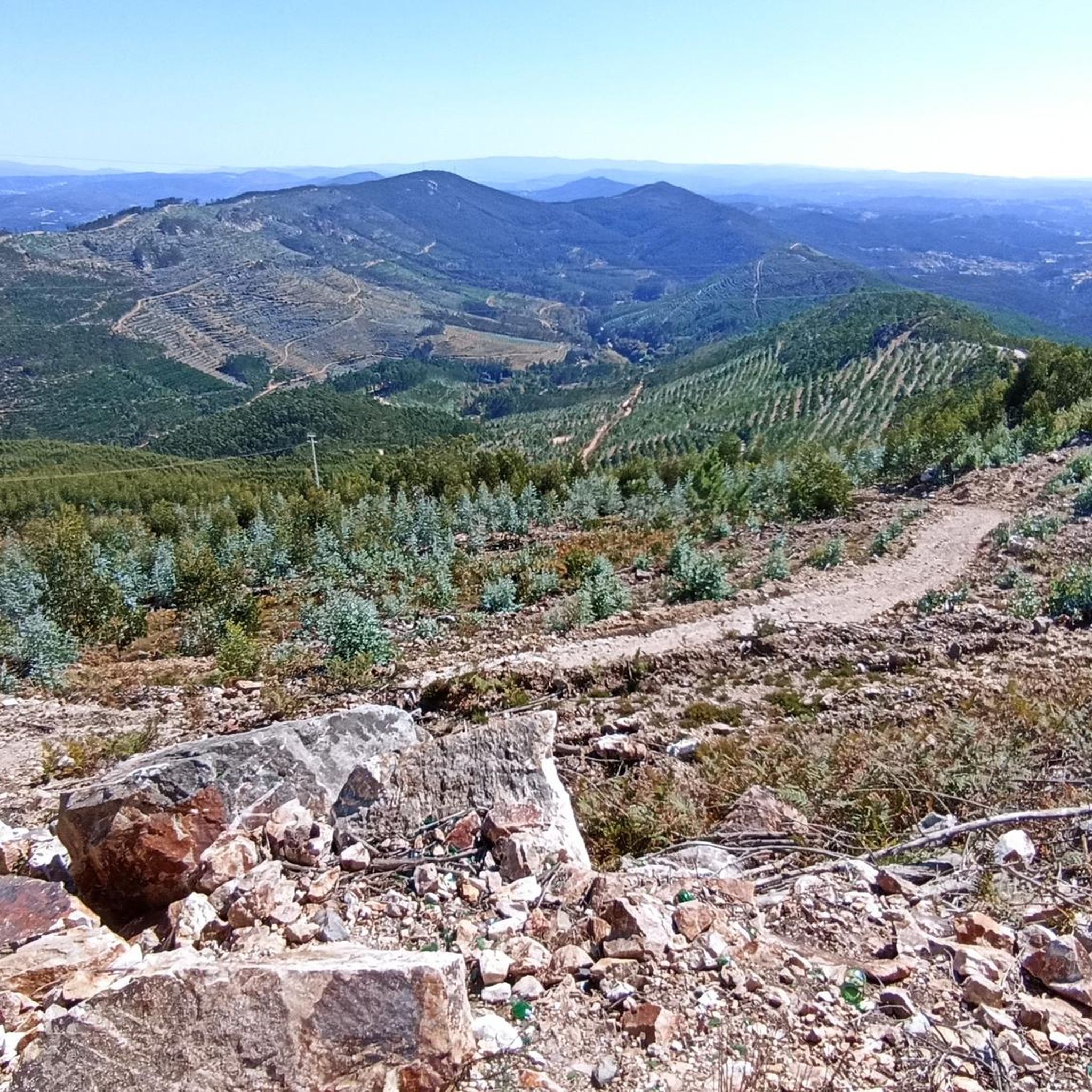
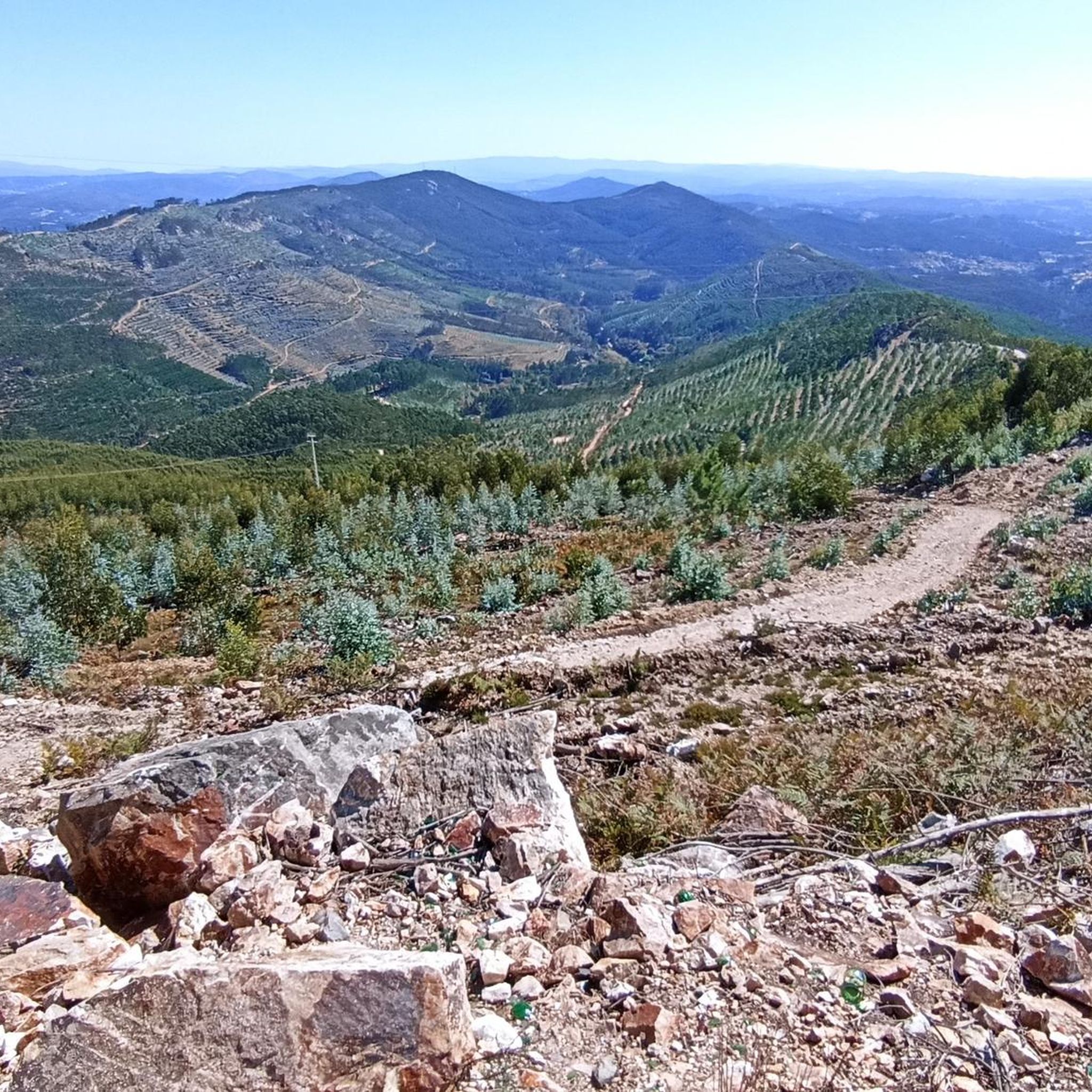
This is the highest point on the ridge of the Serra de Santa Justa. Along the quartzite ridges, the view opens up into an impressive panorama, revealing the grandeur of the landscape in all directions.
2
1
This suspension bridge over the Ferreira River emerges from the forest like a magical portal, offering a stunning view of the small valley.
2
2

Based on the classic concept of the Arc de Triomphe in three volumes, it nevertheless reflects the simplicity and rectitude of the people of Maia when it uses smooth planes and rectilinear shapes. The side volumes, contrary to what is normal, have openings in a different direction from the central volume, which evokes a pluralism of visions and perspectives that has always been the prerogative of the Maiatos, as well as a unified vision of development, regardless of the cardinal point of the Maia territory. The raw materials also evoke two of its basic characteristics: bronze, which recalls religiosity, but also strength, tenacity and resistance, the paradigm of which is that of church bells; gold recalls the nobility of the Maiatos, but also the dominant colour of the corn cobs, a source of food and the wealth of this fertile land. The three volumes correspond to three fundamental pillars of the Maiata idiosyncrasy: religiosity, work and rural popular culture. The insertion of volumes with rectilinear shapes in a circular space such as the roundabout evokes the foreseen and planned rupture that Maia has experienced since the 1970s, which led to the municipality, from a very modest plan, becoming one of the five most important municipalities in the country, ceasing to be a rural municipality to become truly urban, without however losing the positive aspects of rurality: work, honesty, spirit of sacrifice, volunteerism, love for the land. These characteristics were the reason for the triumph of the people of Maia. A triumph that is embodied and embodied in some immortal winners, such as Lidador, Viscount Barreiros and Doctor José Vieira de Carvalho, as will be in the future all those who are capable, today, of learning from these examples and of building the future based on the foundations of the work and example of these builders of Maia. It celebrates the selfless effort of our People in the construction of our Land, and expresses the triumph of their work, which is clearly evident in the development that the municipality is experiencing.
1
0
This unique equestrian statue was created by the sculptor Lima de Carvalho and was inaugurated on July 9, 1984, as a tribute to the knight Gonçalo Mendes da Maia, one of the glorious soldiers who fought alongside D. Afonso Henriques for the independence and territorial expansion of Portugal. A hero of the Foundation of the Nationality, the first King of Portugal named him his Adeantado (leader of the troops). The nickname “O Lidador” is due to the many victories he achieved in battles against the Moors. Born in 1079, in his youth he was a turbulent and passionate nobleman, and died at the age of 90, fighting the Moors in the Battle of Ourique.
0
0
Frequently Asked Questions
What natural attractions can I explore around Campo e Sobrado?
The region offers several beautiful natural features. You can visit the Leça River Waterfalls, a popular spot for nature lovers and hikers, where the Leça Valley Trail runs. Another highlight is the Pico da Serra de Santa Justa, a summit offering impressive panoramic views from its quartzite ridges. The Ferreira River in the Couce Valley also provides tranquil natural landscapes perfect for cycling.
Are there any unique viewpoints in the area?
Yes, for stunning views, head to the Suspended Bridge at Parque das Serras do Porto, which offers a magical perspective of the small valley over the Ferreira River. The Pico da Serra de Santa Justa also provides a grand panoramic vista of the surrounding landscape.
What historical or cultural sites are there to see?
While the specific areas of Campo and Sobrado offer local churches and historical buildings, a notable monument in the broader region is the Monument to the Triumph of the People of Maia. This unique equestrian statue pays tribute to the knight Gonçalo Mendes da Maia and celebrates the resilience and development of the Maiatos people.
What outdoor activities can I do near these attractions?
The area is excellent for various outdoor activities. You can find numerous routes for running, cycling, and road cycling. For example, explore the running trails around the region, or discover the diverse cycling routes that take you through natural landscapes and rural areas.
Are there hiking trails suitable for different skill levels?
Yes, the region offers a variety of trails. The Leça River Waterfalls are popular with hikers, and the Leça Valley Trail runs through the area. You can find routes ranging from moderate to difficult, such as the 'Salamandra Downhill Track – Pico da Serra de Santa Justa loop' for running, or the 'Around the Regional Protected Landscape Park of the Serra do Porto' for cycling, which are more challenging. For easier options, look for routes like the 'Running loop from Gandra'.
Are there any family-friendly attractions?
The Ferreira River in the Couce Valley is considered family-friendly, offering a tranquil natural setting where you can cycle immersed in nature. Exploring the local natural landscapes and easier trails can also be enjoyable for families.
What do visitors enjoy most about the attractions in this area?
Visitors particularly appreciate the stunning views from the Suspended Bridge at Parque das Serras do Porto and the impressive panoramas from Pico da Serra de Santa Justa. The natural beauty of the Leça River Waterfalls is also a favorite among nature lovers and hikers.
Is there anything unique about the bridges in the region?
The region is known for its bridges, with the Suspended Bridge at Parque das Serras do Porto being a standout. It's described as emerging from the forest like a magical portal, offering a unique and stunning view of the Ferreira River valley.
Can I find wheelchair-accessible attractions?
Yes, the Monument to the Triumph of the People of Maia is noted as being wheelchair accessible, allowing more visitors to experience this significant historical site.
What kind of natural landscapes characterize Campo e Sobrado?
The area is characterized by its river valleys, such as the Ferreira River in the Couce Valley, forested hills, and prominent viewpoints like the Pico da Serra de Santa Justa. These features provide a blend of serene natural beauty and opportunities for outdoor exploration.
Are there opportunities for cycling in nature?
Absolutely. The Ferreira River in the Couce Valley offers a tranquil setting where you can cycle immersed in nature. Additionally, there are numerous cycling routes throughout the broader Valongo municipality that allow you to explore rural landscapes and natural areas.
Most popular routes around Campo e Campo e Campo e Sobrado

Get inspired with the komoot mobile app


Explore more
Still not found the Highlight you’re looking for? See guides of the top attractions in other regions:
