Attractions and Places To See around Bougado (Santiago) - Top 18
Best attractions and places to see around Bougado (Santiago) include a blend of historical sites, religious architecture, and natural features. Situated on the left bank of the Ave River, this area offers a rich cultural heritage dating back to ancient times. Visitors can explore medieval bridges, significant monasteries, and scenic riverside paths. The region provides diverse opportunities for outdoor activities and historical discovery.
Best attractions and places to see around Bougado (Santiago)
- The most popular attractions is Dom Zameiro Bridge, a bridge that crosses the Ave River in a bucolic setting of vineyards and fields, connecting the parishes of Bagunte and Macieira da Maia. Its origins date back to the 12th or 13th centuries, and it was part of the old Roman road, Via Veteriz.
- Another must-see spot is Monastery of Saint Benedict, Santo Tirso, a religious building located on the left bank of the Ave River in the city of Santo Tirso. Founded in 978, it is classified as a National Monument and features serene cloisters and Baroque and Neoclassical architectural elements.
- Visitors also love Famalicão–Póvoa de Varzim Cycle Path, a flat and accessible cycle way built on an old railway line. Approximately 28 to 30 kilometers long, it connects the rural interior to the Atlantic coast and is suitable for cycling, walking, and running.
- Bougado (Santiago) is known for its historical bridges, religious buildings, and cycle paths. The area offers a variety of attractions to see and explore, from ancient Roman roads to modern recreational routes.
- The attractions around Bougado (Santiago) are appreciated by the komoot community, with 48 upvotes and 4 photos shared by visitors.
Last updated: May 4, 2026
Famalicão–Póvoa de Varzim Cycle Path
Highlight (Segment) • Cycleway
Translated by Google •
Tip by

Monastery of Saint Benedict, Santo Tirso
Highlight • Religious Site
Translated by Google •
Tip by

Sign up now to discover places like this
Get recommendations on the best single tracks, peaks, & plenty of other exciting outdoor places.
Sign up for free
Dom Zameiro Bridge
Highlight • Bridge
Translated by Google •
Tip by

Saint Michael of Arcos Bridge
Highlight • Bridge
Translated by Google •
Tip by
Monument to the Triumph of the People of Maia
Highlight • Monument
The side volumes, contrary to what is normal, have openings in a different direction from the central volume, which evokes a pluralism of visions and perspectives that has always been the prerogative of the Maiatos, as well as a unified vision of development, regardless of the cardinal point of the Maia territory. The raw materials also evoke two of its basic characteristics: bronze, which recalls religiosity, but also strength, tenacity and resistance, the paradigm of which is that of church bells; gold recalls the nobility of the Maiatos, but also the dominant colour of the corn cobs, a source of food and the wealth of this fertile land.
The three volumes correspond to three fundamental pillars of the Maiata idiosyncrasy: religiosity, work and rural popular culture. The insertion of volumes with rectilinear shapes in a circular space such as the roundabout evokes the foreseen and planned rupture that Maia has experienced since the 1970s, which led to the municipality, from a very modest plan, becoming one of the five most important municipalities in the country, ceasing to be a rural municipality to become truly urban, without however losing the positive aspects of rurality: work, honesty, spirit of sacrifice, volunteerism, love for the land. These characteristics were the reason for the triumph of the people of Maia. A triumph that is embodied and embodied in some immortal winners, such as Lidador, Viscount Barreiros and Doctor José Vieira de Carvalho, as will be in the future all those who are capable, today, of learning from these examples and of building the future based on the foundations of the work and example of these builders of Maia. It celebrates the selfless effort of our People in the construction of our Land, and expresses the triumph of their work, which is clearly evident in the development that the municipality is experiencing.
Translated by Google •
Tip by

Sign up for free to discover even more attractions around Bougado (Santiago).
Sign up for free
Already have an account?
Start today with a free account
Your next adventure awaits.
Login or Signup
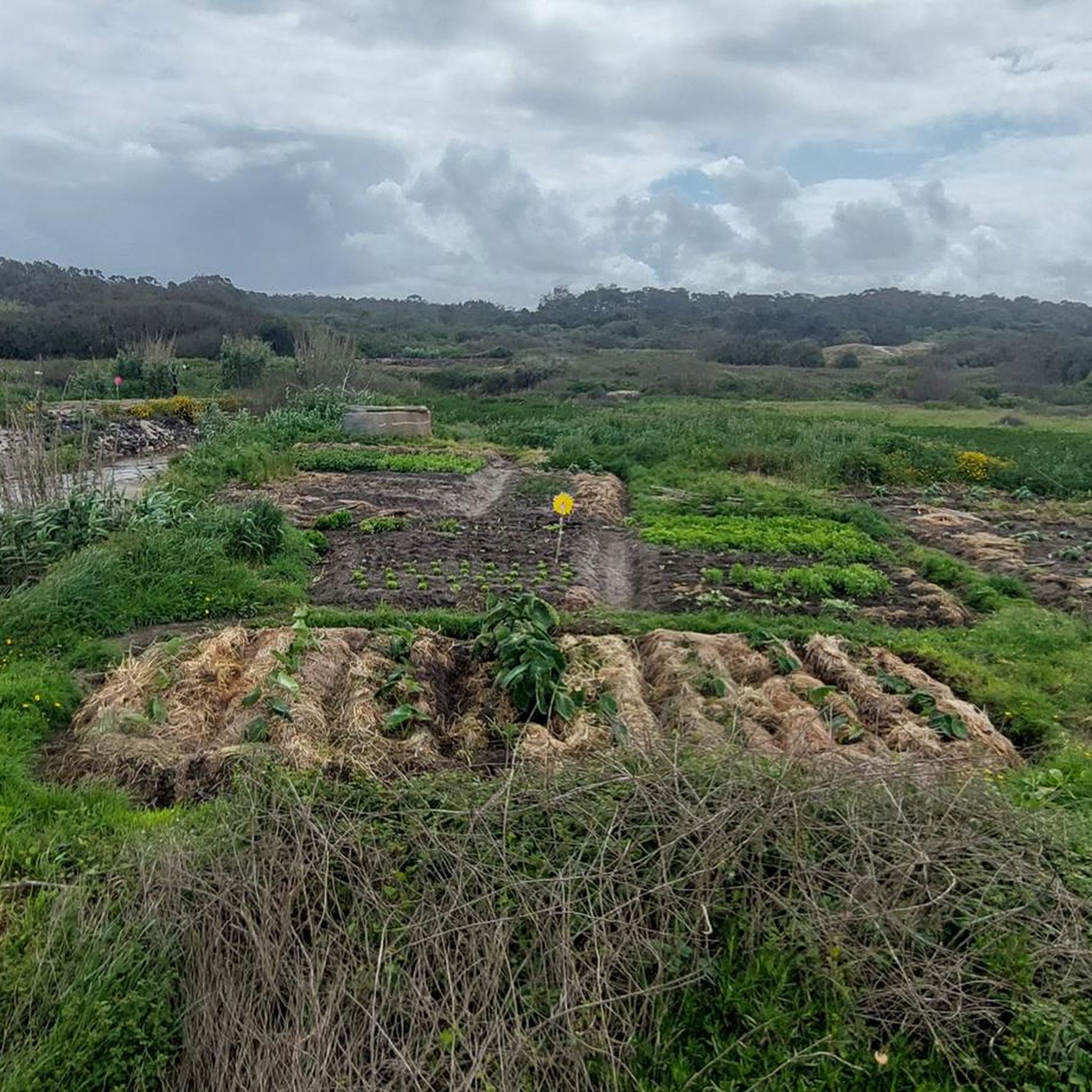
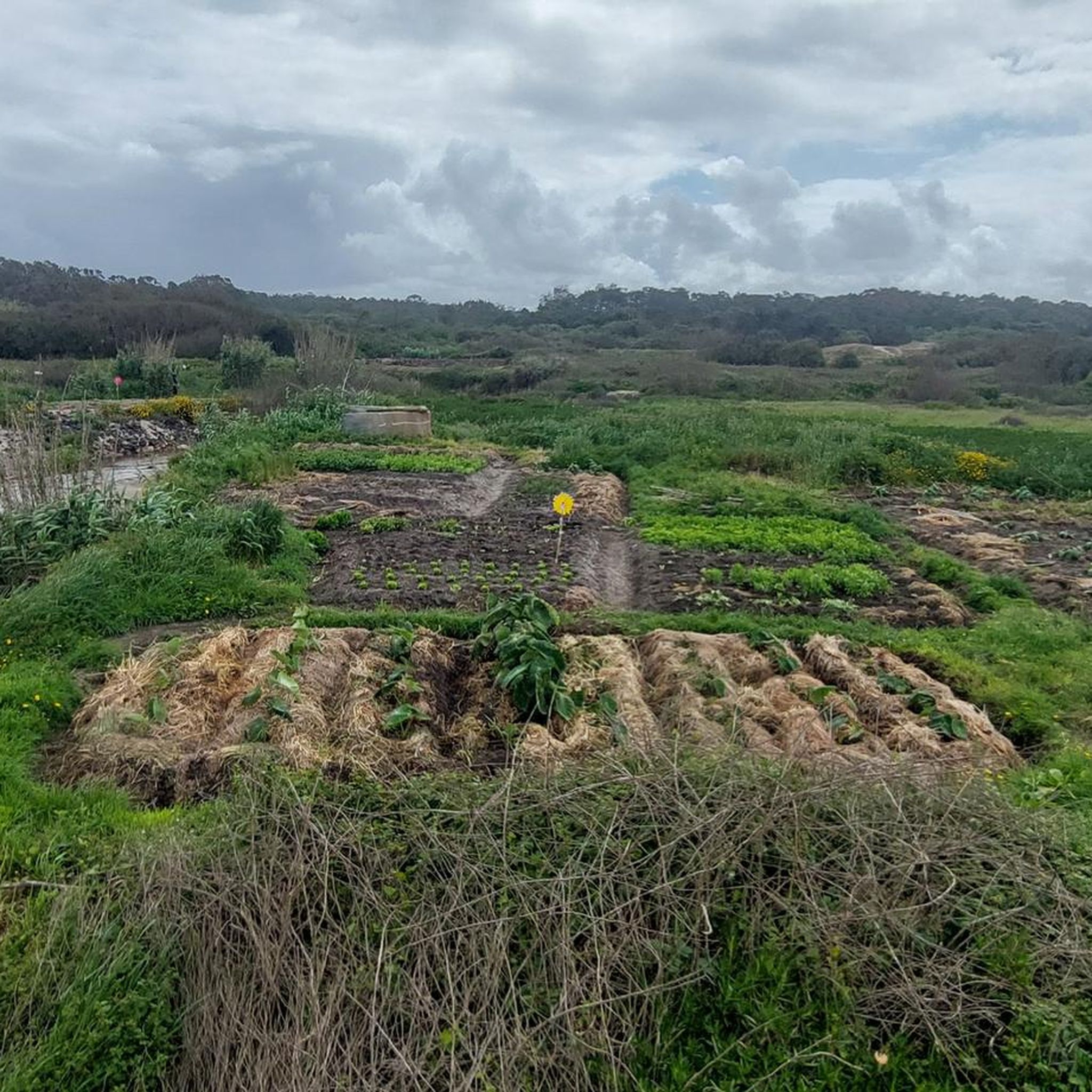
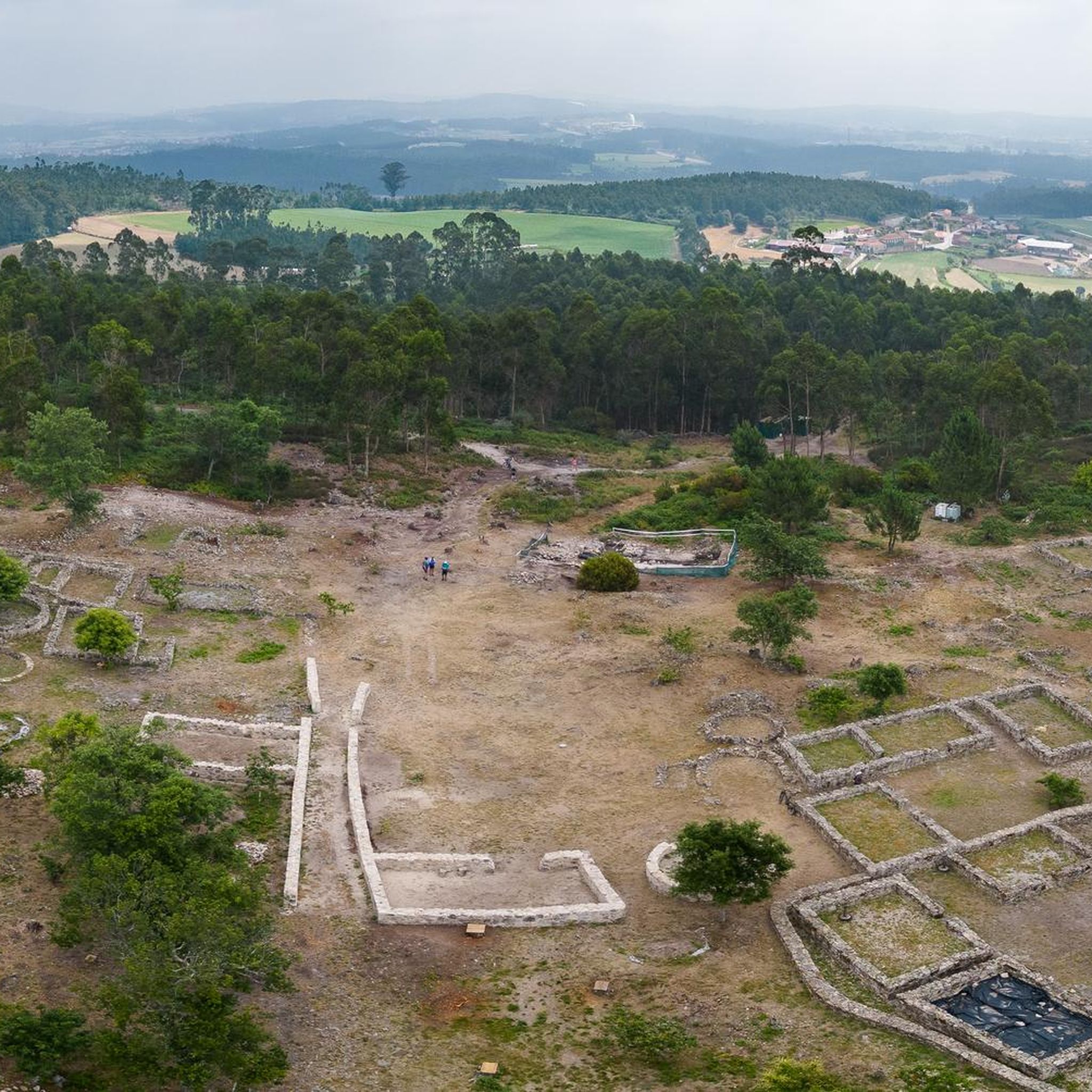
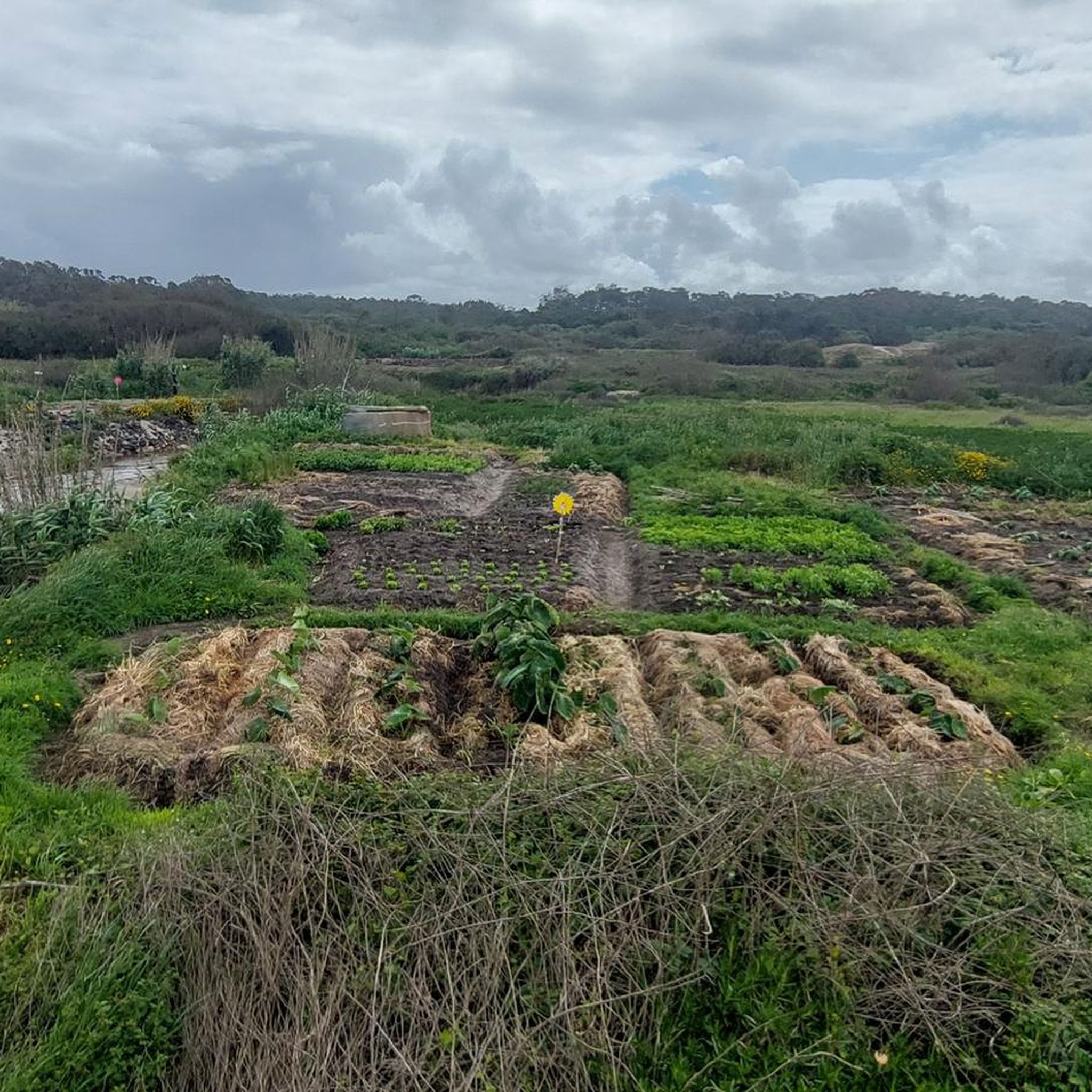

Tips from the Community

Nearby Tourist Attractions Ave Riverbank Promenade: A riverside walkway, ideal for relaxing strolls. Monte Padrão Hillfort: Ancient ruins for those interested in history and archaeology.
1
0
Highlights and Architecture Main Church: Built between 1659 and 1679, the monastery church is an imposing example of local religious architecture. Cloisters: The monastery has serene cloisters, one of which still displays a Gothic sculpture of the Virgin and Child in one of the corners. Cloister Fountain: In the center of the cloister stands a slender granite fountain with a polylobed basin, dating from 1649. Style: Over the centuries, the monastery has been rebuilt, combining Baroque and Neoclassical elements.
1
0
Opening Hours and Visits The monastery is open for visits, but guided tours of the cloisters and other areas (besides the church) generally require prior booking by telephone with the Santo Tirso City Hall office. General Hours (Church): Daily (Monday to Sunday): 08:00–12:00 and 15:00–19:00. Accessibility: The entrance and parking are wheelchair accessible.
1
0
The Monastery of São Bento, also known as the Monastery of Santo Tirso, is located on the left bank of the Ave River, in the city of Santo Tirso, Portugal. Founded in 978, it belonged to the Benedictine Order and was one of the most powerful monasteries in Portugal. Currently, it is classified as a National Monument.
1
0
Highlights and Route Landscape: The route crosses rural areas, small population centers, agricultural fields, and forest areas, offering a calm and pleasant environment. Localities: The ecotrail passes through several localities, including Amorim, Terroso, Laundos, Rates, Balazar, Gondifelos, Louro, and Brufe. Intermodality: A great advantage is the direct connection to the Vila Nova de Famalicão train station and the Porto Metro station in Póvoa de Varzim, facilitating access to the beginning and end of the route. Interconnection: The cycle path connects to the Formiga Ecotrail, allowing the ride to be extended.
1
0
Route Characteristics Length: The route is approximately 28 to 30 kilometers in total, connecting the rural interior (Famalicão) to the Atlantic coast (Póvoa de Varzim). Difficulty: It is a flat route, without major slopes or sharp curves, making it an easy and accessible route for everyone, including families with children. Surface: The surface is a mixture of macadam and, in some sections, asphalt, suitable for walking, running and cycling. Accessibility: The ecotrail is wheelchair accessible and has approximately 12 rest areas along the route.
1
0
The Famalicão–Póvoa de Varzim cycle path is, in fact, the Famalicão branch line cycle path. This route was built using the canal of the old railway branch line that connected Vila Nova de Famalicão and Póvoa de Varzim, and which ceased train service in 1995.
1
0

In Arcos, the highlight is its charming Romanesque bridge: the Ponte de São Miguel de Arcos, or simply Ponte de Arcos. It's estimated that this medieval bridge's origins date back to the 12th century. After years of supporting road traffic, it was freed from that burden in 2018 and is now pedestrian-only. A peaceful crossing with centuries of history beneath your feet.
1
0
Frequently Asked Questions
What historical sites can I explore in Bougado (Santiago) beyond the main highlights?
Beyond the prominent Dom Zameiro Bridge and the Monastery of Saint Benedict, Bougado (Santiago) offers several other historical gems. You can visit the Main Church of Santiago de Bougado, attributed to Nicolau Nasoni, or the Capela de Nossa Senhora do Desterro, which dates back to 1649 and has a granite slab commemorating the French Invasions of 1809. The Saint Michael of Arcos Bridge, a pedestrian-only Romanesque bridge from the 12th century, also provides a peaceful crossing with centuries of history.
Are there family-friendly attractions or activities in Bougado (Santiago)?
Yes, Bougado (Santiago) offers family-friendly options. The Famalicão–Póvoa de Varzim Cycle Path is an excellent choice, being a flat and accessible route suitable for cycling, walking, and running, including for families with children and wheelchair users. It features around 12 rest areas along its 28-30 kilometer length.
What natural features can I explore in Bougado (Santiago)?
The region is rich in natural beauty. You can enjoy relaxing strolls along the Ave Riverbank Promenade, as the parish is situated on the left bank of the Ave River. For nature lovers and hikers, the Leça River Waterfalls in Refojos de Riba de Ave are a popular destination, with the Leça Valley Trail running through bordering parishes.
Where can I find scenic viewpoints in Bougado (Santiago)?
For scenic views, visit the Miradouro da Nossa Senhora da Alegria. This viewpoint offers picturesque vistas of the surrounding landscape, including the Vale de Bougado, which is recognized as one of the most extensive parishes in the region.
What outdoor activities are available near Bougado (Santiago)?
Bougado (Santiago) is great for outdoor enthusiasts. You can find various hiking and cycling routes. For hiking, explore options like the 'Easy hikes around Bougado (Santiago)' guide, which includes routes such as the 'Fervença Waterfalls – Leça River Waterfalls loop from Refojos de Riba de Ave'. For cycling, the 'Road Cycling Routes around Bougado (Santiago)' guide offers routes like the 'Famalicão Cycle Path – Ponte de São Miguel dos Arcos loop from Trofa'. You can find more details on these activities in the respective guides on komoot.
Are there easy hiking trails suitable for beginners around Bougado (Santiago)?
Yes, there are several easy hiking trails. The 'Easy hikes around Bougado (Santiago)' guide features routes like the 'Fervença Waterfalls – Leça River Waterfalls loop from Refojos de Riba de Ave' (6.2 km) and the 'Parque da Cidade de Famalicão loop from Santo Tirso' (7.5 km), both rated as easy. These are perfect for beginners or those looking for a relaxed walk. You can explore more options in the Easy hikes around Bougado (Santiago) guide.
Where can I find cycling routes in the Bougado (Santiago) area?
The Bougado (Santiago) area offers several cycling routes. The Famalicão–Póvoa de Varzim Cycle Path is a popular, flat, and accessible option. For more varied road cycling, check the Road Cycling Routes around Bougado (Santiago) guide, which includes routes like the 'Tribute to the Firefighters – Chapel of São Brás loop from Trofa' (37.7 km) and the 'Future Sanctuary of Balazar – Famalicão Cycle Path loop from Trofa' (38.7 km).
What is the best time of year to visit Bougado (Santiago) for outdoor activities and sightseeing?
While specific weather data isn't provided, generally, spring (April to June) and early autumn (September to October) offer pleasant temperatures for outdoor activities like hiking and cycling, and for exploring historical sites. The region's natural beauty, including vineyards and fields, would also be vibrant during these seasons.
Is public transport available to reach attractions in Bougado (Santiago)?
The provided information does not detail specific public transport routes or availability for all attractions. However, for major sites like the Monastery of Saint Benedict, it is located in the city of Santo Tirso, which likely has public transport connections. It's advisable to check local transport schedules for specific destinations.
Is parking available at major attractions like the Monastery of Saint Benedict?
Yes, for the Monastery of Saint Benedict, the entrance and parking are wheelchair accessible, indicating that parking facilities are available for visitors.
What are some unique cultural sites in Bougado (Santiago)?
Beyond religious buildings, Bougado (Santiago) is home to the Casa da Cultura da Trofa, located in Santiago de Bougado, which permanently displays two Roman milestones, showcasing the intense Romanization of the area. Additionally, the Azenha de Bairros is notable as the only working watermill in the municipality of Trofa, offering a glimpse into traditional industry.
What do visitors enjoy the most about Bougado (Santiago)?
Visitors appreciate the blend of historical significance, religious heritage, and natural beauty. The Dom Zameiro Bridge is particularly popular for its bucolic setting and historical context, with visitors enjoying the serene picture of vineyards and fields. The Monastery of Saint Benedict is admired for its imposing architecture and serene cloisters. The accessibility and scenic nature of the Famalicão–Póvoa de Varzim Cycle Path also receive high praise.

Get inspired with the komoot mobile app


Explore more
Still not found the Highlight you’re looking for? See guides of the top attractions in other regions:
