Top 7 Castles around Sassenberg
Best castles around Sassenberg are situated in a region known for its historical significance and picturesque landscapes. Sassenberg, located in Germany, features a rich history with notable castle complexes. The area is characterized by its position on the border of Münsterland and Lower Saxony, historically important for the dioceses of Münster and Osnabrück. Visitors can explore a variety of historical sites, including well-preserved manors and remnants of former moated castles.
Best castles around Sassenberg
- The most popular castles is Loburg…
Last updated: June 22, 2026
Harkotten Castle
Highlight • Castle
Translated by Google •
Tip by

Loburg Castle
Highlight • Castle
Translated by Google •
Tip by

Sign up now to discover places like this
Get recommendations on the best single tracks, peaks, & plenty of other exciting outdoor places.
Sign up for free
Vornholz Castle
Highlight • Castle
Showing Translation
Tip by

Palsterkamp Castle
Highlight • Castle
Palsterkamp Castle is a former late medieval moated castle on the northeastern edge of Bad Rothenfelde in the Osnabrück district in …
Translated by Google •
Tip by

Haus Dieck
Highlight • Castle
Translated by Google •
Tip by

Sign up for free to discover even more castles around Sassenberg.
Sign up for free
Already have an account?
Start today with a free account
Your next adventure awaits.
Login or Signup
Popular around Sassenberg
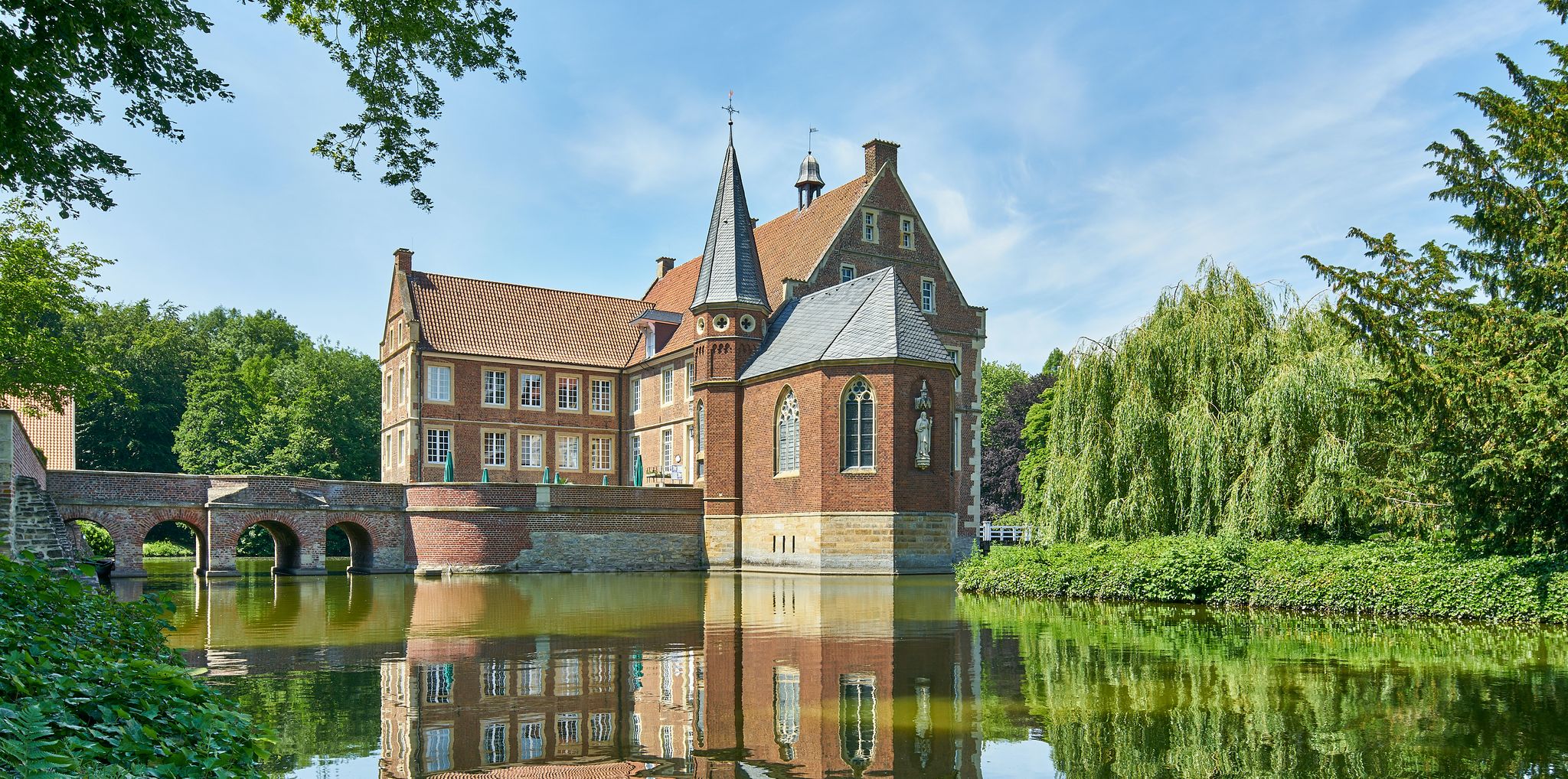
100 Castles Route – Discover the historical treasures of Münsterland by bike
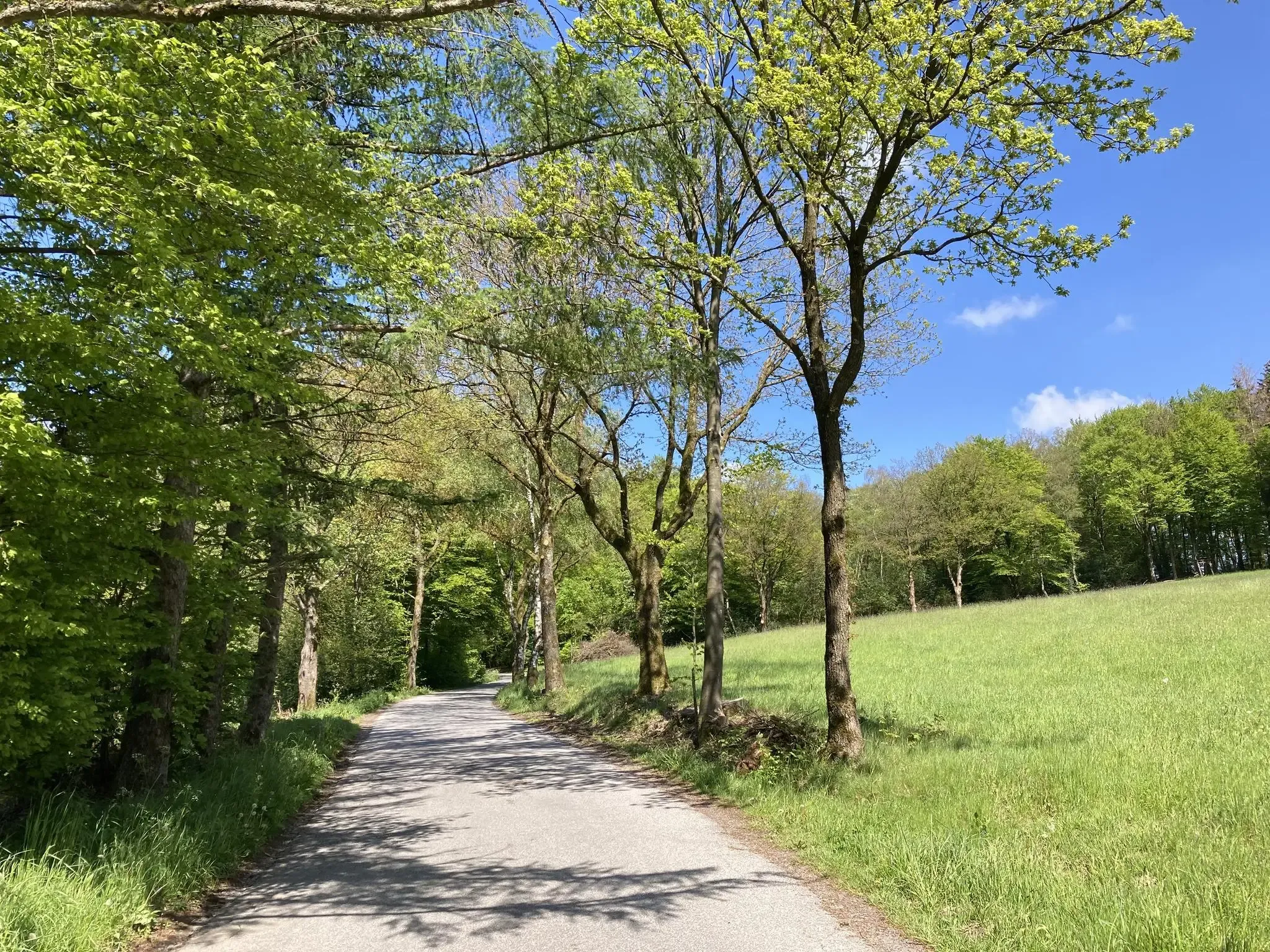
A short trip by bike – Cologne to Osnabrück
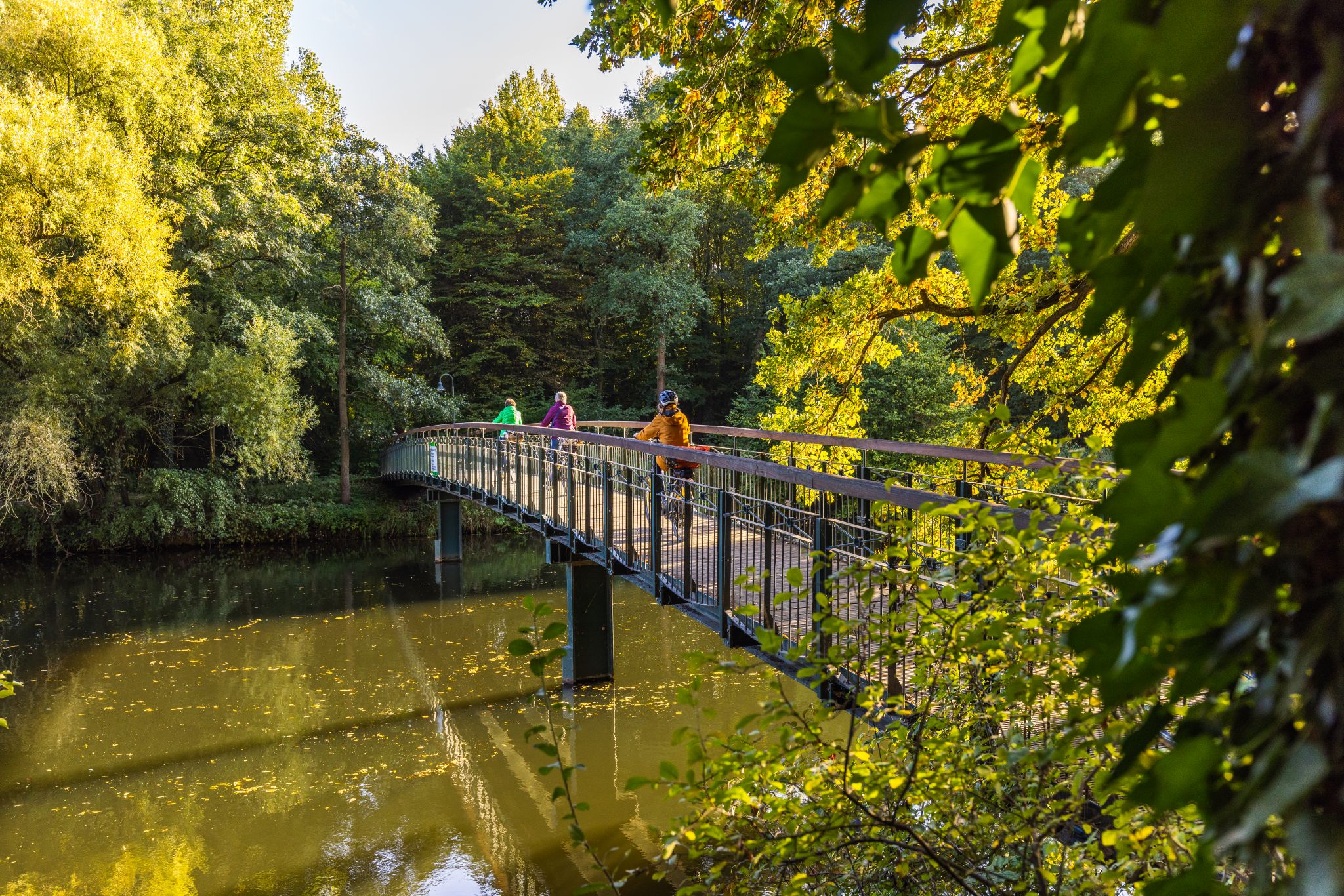
Relaxed cycling in the Münsterland park landscape
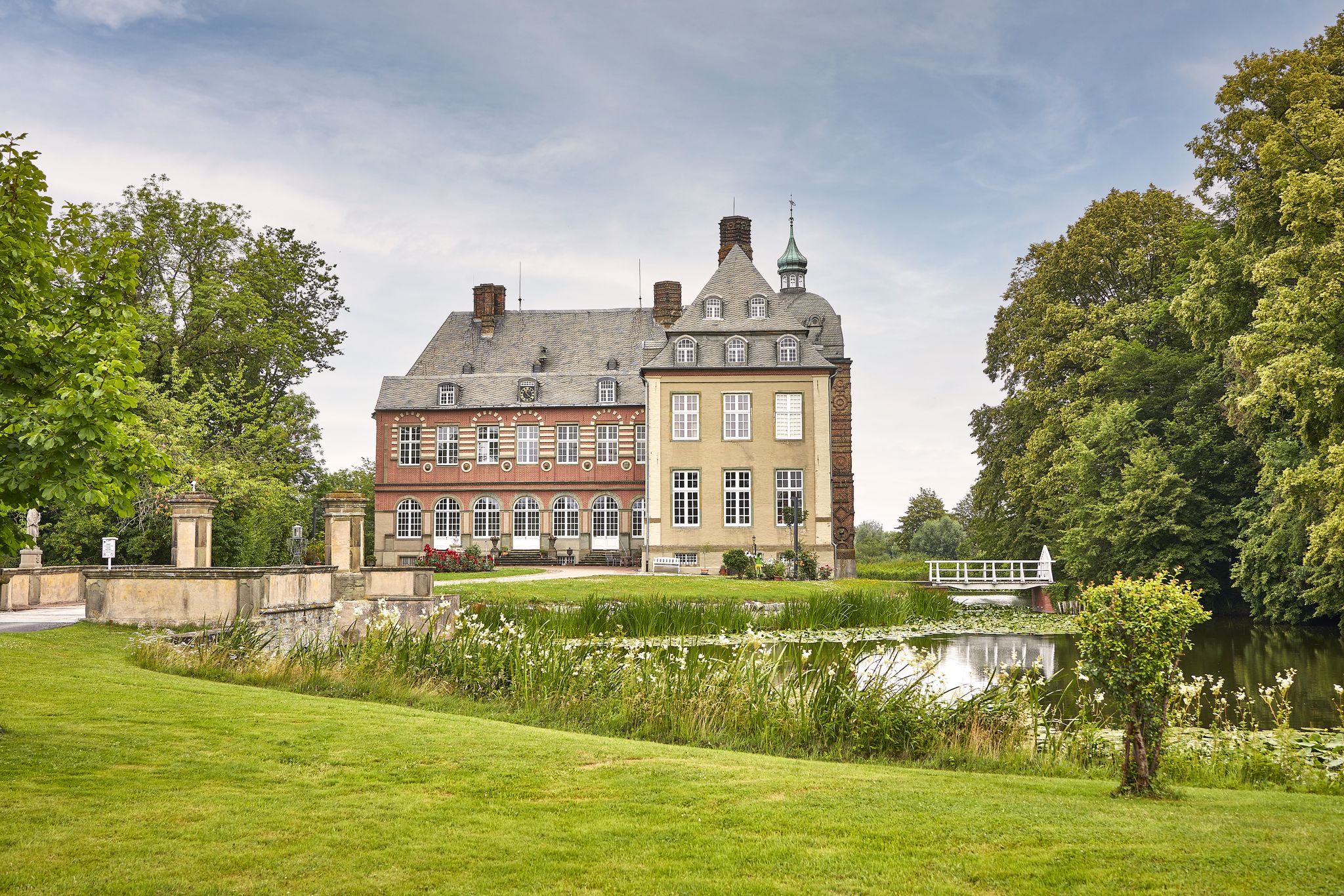
Wonderful cycling Tours in Warendorf’s park landscape
VITAL.NRW - „Erlebbare Gewässer“ in der 8Plus-Region
Cycling around Sassenberg
Hiking around Sassenberg
Road Cycling Routes around Sassenberg
Running Trails around Sassenberg
MTB Trails around Sassenberg
Other adventures around Sassenberg


Tips from the Community

The Vornholz Castle was built around 1300 and served the knights of Ostenfelde as their seat. After the destruction of the moated castle during the Thirty Years' War, the present-day Vornholz Castle was built on the old foundations in 1666.
1
0

Private property. Please respect the privacy.
0
0

You'll encounter a wealth of life, curiosity, and commitment when cycling to Loburg Castle: On the one hand, the imposing moated castle and boarding school building are impressive from the outside, and on the other, you'll notice that young people here are thinking outside the box. On the Loburg Nature Trail, 28 stations spread across the extensive grounds provide information on a wide range of sustainability topics, such as which herbs growing in the park can be used as medicinal plants or how to properly care for fruit trees. The students and staff of the Johanneum Gymnasium were recognized by the Diocese of Münster in 2019 as a "School with an Eco-Fair Orientation" for their diverse commitment. It's worth taking a stroll here and engaging in conversation.
0
0

The small moated castle is privately owned and cannot be visited. It is very idyllic.
1
0

A beautiful little moated castle surrounded by a natural forest area.
2
0

Haus Dieck is privately owned and can only be admired from the outside. Originally built as a medieval moated castle on just one island with a moat, Haus Dieck is one of the oldest properties in the tranquil gold town of Westkirchen. The facility in Ennigerloh is surrounded by meadows and fields and is located away from the roads by a small stream. Visitors have a view of the well-kept half-timbered gatehouse. Haus Dieck was first mentioned in the years 1276 and 1300 as the main farm of the Lords of Dyke, who gave it its name. It was not until 1451 that it was first mentioned as a castle. https://www.muensterland.com/tourismus/themen/erlebnis-region-muensterland/burgen-und-schloesser-im-muensterland/haus-dieck/
0
0

Palsterkamp Castle is a former moated castle from the late Middle Ages on the north-eastern edge of Bad Rothenfelde. Today's manor house was built between 1786 and 1790.
1
0

Beautiful building; the paths around are a bit overgrown here and there
1
0
Frequently Asked Questions
Which castles around Sassenberg are open to the public?
While many castles in the region are privately owned, you can visit the grounds of Loburg Castle, which features an English garden. At Harkotten Castle, you can access the garden café and view the unique double castle complex from the outside. The von Korff manor house at Harkotten also offers guided tours by appointment, with a museum being developed on the ground floor.
Are there family-friendly castles to visit near Sassenberg?
Yes, Loburg Castle is considered family-friendly, with its extensive grounds and nature trail. Harkotten Castle also offers a garden café, which can be a pleasant stop for families to enjoy the surroundings.
Can I bring my dog to the castles around Sassenberg?
The grounds of Loburg Castle, designed as an English garden, are generally open to the public and suitable for walks with dogs. For other privately owned castles like Harkotten Castle or Vornholz Castle, exterior viewing is possible, and dogs are usually welcome on public paths around the properties, but not inside private areas or cafés.
What is unique about Harkotten Castle?
Harkotten Castle is exceptionally unique as a 'double castle complex,' consisting of two distinct structures: Schloss Harkotten von Ketteler and Herrenhaus Harkotten von Korff. This rare architectural and historical phenomenon in Germany makes it a significant stop on the '100 Castles Route'.
Are there hiking or cycling routes near the castles?
Yes, the Sassenberg area offers various outdoor activities. For cycling, you can explore routes like the 'Sassenberg and Westphalian gold – Harkotten Castle and Warendorf loop' which passes by Harkotten Castle. For easy hikes, consider trails like the 'Stiller Teich – Harkotten Hiking Car Park loop' near Harkotten Castle. You can find more options in the Cycling around Sassenberg and Easy hikes around Sassenberg guides.
What is the best time of year to visit the castles around Sassenberg?
The spring and summer months (April to September) are ideal for visiting, as the weather is pleasant for exploring castle grounds and enjoying outdoor cafés. The English garden at Loburg Castle is particularly beautiful when the rhododendron bushes are in bloom.
Can I see the interior of any castles in the Sassenberg area?
Most castles in the Sassenberg area, such as Vornholz Castle, Haus Dieck, and Scheventorf Castle, are privately owned and not open for interior tours. However, the von Korff manor house at Harkotten Castle offers guided tours by appointment, allowing a glimpse into its history and restored wall paintings.
Are there any historical remnants of the original Burg Sassenberg?
The original Burg Sassenberg, a state castle of the Prince-Bishopric of Münster, was largely demolished in the 19th century. Today, only remnants of the former moated castle remain as a 'Burgstall' (castle site) with some industrial buildings, rather than a standing, visitable castle.
What kind of events are held at Harkotten Castle?
While the castle itself is private, Harkotten Castle hosts various events, such as a garden festival. You can also visit the garden café to enjoy the estate from the outside.
Where can I find cafes or accommodation near the castles?
You can find a garden café directly at Harkotten Castle for coffee and cake. For other cafes, pubs, and accommodation, you would typically look in the nearby towns and villages such as Sassenberg itself, Füchtorf, or Ostbevern, depending on which castle you are visiting.
What is the historical significance of the castles in the Sassenberg region?
The castles in the Sassenberg region, such as Harkotten Castle and Vornholz Castle (first mentioned in 1172), highlight the area's strategic importance on the border of Münsterland and Lower Saxony. Many were moated castles, serving as protective fortresses or residences for noble families, reflecting centuries of regional history.
Is there public transport available to reach the castles?
Public transport options to specific castles can be limited as many are in rural settings. It's advisable to check regional public transport schedules for Sassenberg and surrounding areas. Driving or cycling often offers the most direct access to these sites.
Most popular routes around Sassenberg
Most popular attractions around Sassenberg

Get inspired with the komoot mobile app


Explore more
Looking for the best castles somewhere else? Discover other guides around Sassenberg:
