The best road cycling routes around Alagoa
5.0
(8)
421
riders
62
rides
Road cycling routes around Alagoa are characterized by rolling hills and varied terrain, offering a mix of challenging climbs and scenic descents. The region features historic towns and elevated viewpoints, providing diverse landscapes for road cyclists. Routes often traverse through rural areas, connecting cultural landmarks with natural features. The elevation gains indicate a topography suitable for cyclists seeking both endurance and panoramic vistas.
Best road cycling routes around Alagoa
- The most popular road cycling route is Miradouro – Cidade romana…
Last updated: July 25, 2026
25
riders
73.3km
03:32
1,030m
1,030m
Hard road ride. Very good fitness required. Mostly well-paved surfaces and easy to ride.
20
riders
58.0km
02:59
920m
920m
Hard road ride. Very good fitness required. Mostly well-paved surfaces and easy to ride.

Sign up for free
6
riders
8.88km
00:33
240m
240m
Easy road ride. Great for any fitness level. Mostly well-paved surfaces and easy to ride.
10
riders
32.3km
01:28
350m
340m
Moderate road ride. Good fitness required. Mostly well-paved surfaces and easy to ride.
13
riders
58.9km
03:14
1,110m
1,110m
Hard road ride. Very good fitness required. Mostly well-paved surfaces and easy to ride.
Get access to more routes and recommendations from other explorers.
Sign up for free
Already have an account?
Our route recommendations are based on thousands of hikes, rides, and runs completed by other people on komoot.
Start today with a free account
Your next adventure awaits.
Login or Signup
Tips from the Community

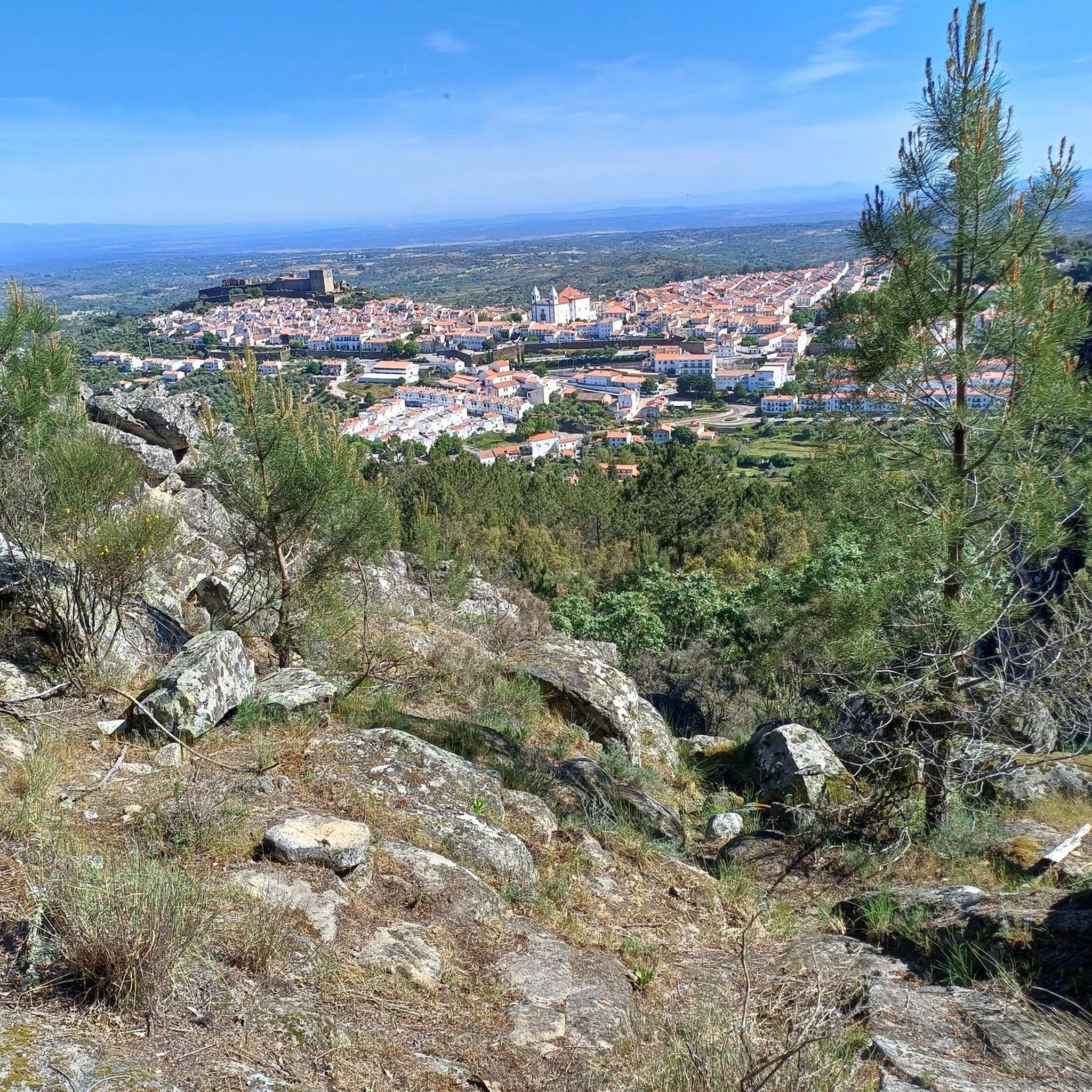
Castelo de Vide is a charming Portuguese medieval village located in the district of Portalegre, in the Alentejo region, perched on the hills of the Serra de São Mamede Natural Park. Nicknamed the "Sintra of Alentejo" for its flowery alleys and lush landscapes, this town is famous for its healing thermal waters, its intact Gothic architecture, and one of the most important historical Jewish communities in the country.
0
0

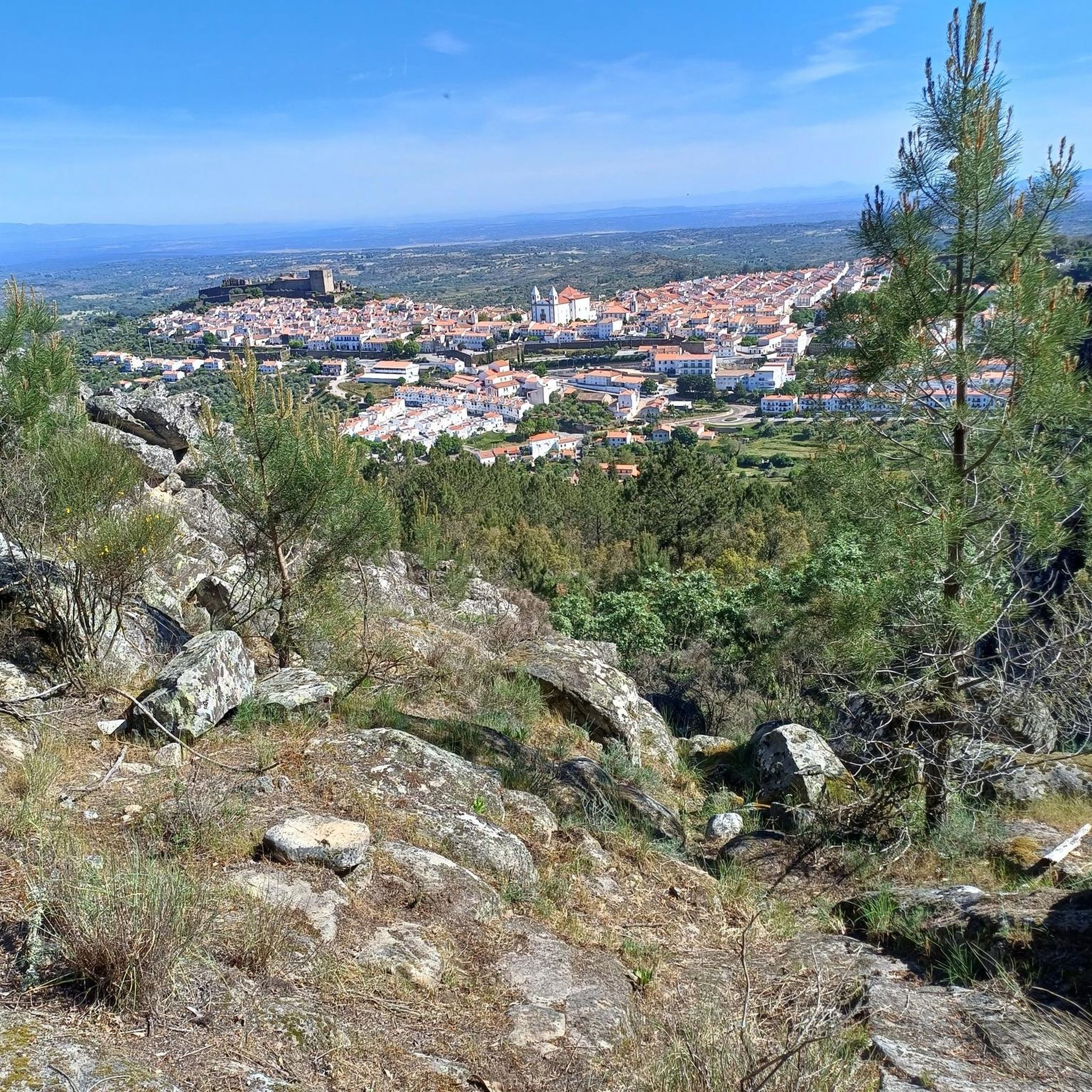
Far in the northeast of Alentejo lies Castelo de Vide, just a few kilometers from the border with Spain. The town is often called Cidade branca (white city), which is primarily due to the pretty whitewashed houses of the town. The highlight of the town (besides its great location in the Parque Natural da Serra de São Mamede) is the 14th-century Castelo de São Roque. From the castle, you have a fantastic view of the old town. Other sights in Castelo de Vide include the old Jewish quarter with the oldest synagogue in Portugal and the numerous churches and chapels of the town.
1
0


The castle was founded by King D. Dinis in 1290, with the aim of defending the Alentejo border. Originally, it had an imposing structure with a double ring of walls, twelve towers and eight gates. Over the centuries, it lost part of its structure to the growth of the city, but it remains a National Monument. The Keep is the best-preserved part of the original complex. Inside, there is a museum that you can visit.
1
0
Imposing building in which the Centro de Dia senior center is located
2
0

The chafurdão is a traditional dry-stone shelter with a false dome, typical of the region’s vernacular heritage. Though most surviving examples are recent (the oldest dated to 1733), they follow ancient construction techniques. Oriented toward sunrise, these structures include ventilation and lighting through wall openings. Built for temporary use by farmers and shepherds, they often have walled pens and a compact earth-covered roof stabilized by stone capping.
0
0
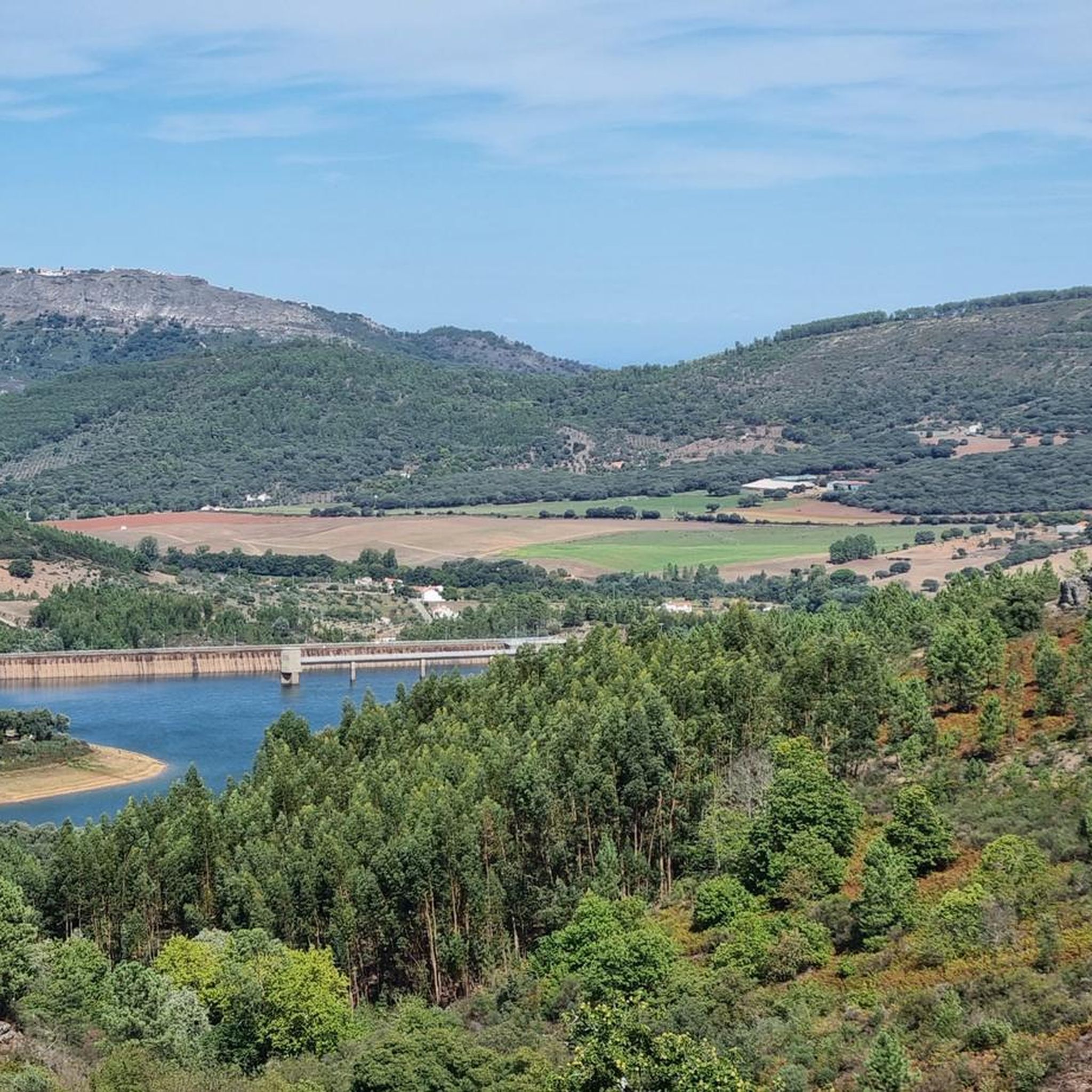
You can cycle on the dam and watch the reservoir from this viewpoint.
0
0
The chafurdão is a traditional dry-stone shelter with a false dome, typical of the region’s vernacular heritage. Though most surviving examples are recent (the oldest dated to 1733), they follow ancient construction techniques. Oriented toward sunrise, these structures include ventilation and lighting through wall openings. Built for temporary use by farmers and shepherds, they often have walled pens and a compact earth-covered roof stabilized by stone capping.
0
0
Frequently Asked Questions
How many road cycling routes are available around Alagoa?
There are over 60 road cycling routes available around Alagoa, offering a wide range of options for different skill levels and preferences.
What kind of terrain can I expect when road cycling around Alagoa?
Road cycling routes around Alagoa are characterized by rolling hills and varied terrain, featuring a mix of challenging climbs and scenic descents. The topography is suitable for cyclists seeking both endurance and panoramic vistas, often traversing rural areas and connecting cultural landmarks with natural features.
Are there any easy road cycling routes for beginners in Alagoa?
Yes, Alagoa offers several easier routes. For instance, the View of Castelo de Vide – Castelo de Vide loop from Castelo de Vide is an easy 5.9-mile (9.4 km) trail that can be completed in about 33 minutes, perfect for a relaxed ride through the surroundings of Castelo de Vide.
What are some challenging road cycling routes in Alagoa?
For experienced cyclists looking for a challenge, routes like the Miradouro – Cidade romana de Ammaia loop from Castelo de Vide offer significant elevation gain over 35.8 miles (57.6 km). Another difficult option is the Marvão Walled Town and Castle – Castelo de Vide loop from Castelo de Vide, a 36.6-mile (58.9 km) path with extensive climbs and views of the historic Marvão Walled Town and Castle.
What interesting landmarks or viewpoints can I see along the road cycling routes in Alagoa?
Many routes in Alagoa pass by historic towns and offer elevated viewpoints. You can explore the historic town of Castelo de Vide, the ancient Roman City of Ammaia, or enjoy panoramic views from the View of Castelo de Vide from Senhora da Penha. The region is rich in cultural landmarks.
Are there any moderate road cycling routes around Alagoa?
Yes, the majority of routes in Alagoa are classified as moderate. An example is the Roadbike loop from Fortios, which covers 36.5 km (22.7 miles) with a moderate elevation gain, offering a balanced challenge for most cyclists.
What do other road cyclists enjoy most about road cycling in Alagoa?
The road cycling experience in Alagoa is highly rated by the komoot community, with an average score of 5.0 stars from over 8 reviews. Cyclists often praise the diverse landscapes, the mix of challenging climbs and scenic descents, and the opportunity to explore historic towns and elevated viewpoints.
Are there any circular road cycling routes in Alagoa?
Yes, many of the road cycling routes around Alagoa are designed as loops. Examples include the Miradouro – Cidade romana de Ammaia loop from Castelo de Vide and the Castelo de Vide – Chafurdão of Vale de Cales loop from Castelo de Vide, allowing you to start and end your ride in the same location.
What is the best time of year for road cycling in Alagoa?
While specific seasonal data for this 'Alagoa' is not available, regions with similar characteristics in Portugal generally offer good cycling conditions for much of the year. Spring and autumn typically provide pleasant temperatures and less extreme weather, making them ideal for road cycling. Summers can be hot, especially inland, while winters are generally mild but may have more rainfall.
Are there family-friendly road cycling routes in Alagoa?
While many routes feature rolling hills and varied terrain, some shorter, easier loops, such as the View of Castelo de Vide – Castelo de Vide loop from Castelo de Vide, might be suitable for families with older children or those comfortable with some elevation. Always check the route's difficulty and elevation profile to ensure it matches your family's capabilities.
Is there parking available near the road cycling routes in Alagoa?
Given the focus on historic towns like Castelo de Vide, it is generally possible to find parking in or near these settlements, which often serve as starting points for many routes. Specific parking information for individual trailheads may vary, so it's advisable to check local signage upon arrival.
Most popular routes around Alagoa
Most popular attractions around Alagoa

Get inspired with the komoot mobile app


Explore more
Browse the best Road cycling routes in other regions.
