The best walks and hikes around Estoril
4.5
(2250)
17,151
hikers
14
hikes
Hiking around Estoril offers access to diverse landscapes within the Sintra-Cascais Natural Park. The region features a blend of dramatic coastlines, sandy coves, and forested mountains. Hikers can explore rugged cliffs along the Atlantic coast and shaded forest paths inland. This area provides varied terrain for different hiking preferences.
Best hiking trails around Estoril
- The most popular hiking route is Parque Marechal Carmona – Duquesa Beach loop from Monte Estoril, a 5.1 miles (8.2 km) trail that takes 2 hours 9 minutes to complete. This moderate route connects urban parks with coastal views.
- Another top favourite among local hikers is Duquesa Beach – Queen's Beach loop from São João do Estoril, an easy 4.5 miles (7.2 km) path. This trail offers scenic coastal walking between popular beaches.
- Local hikers also love the Duquesa Beach – Praia da Conceição loop from Cascais, a 1.3 miles (2.1 km) trail leading through coastal urban areas, often completed in about 31 minutes.
- Hiking around Estoril is defined by diverse coastlines, forested mountains, and sandy beaches. The network offers options for different ability levels, from easy coastal strolls to more challenging mountain paths.
- The routes in Estoril are highly rated by the komoot community with an average score of 4.5 stars from over 1300 reviews. More than 10,000 hikers have used komoot to explore Estoril's varied terrain.
Last updated: August 20, 2026
5.0
(8)
245
hikers
3.91km
01:01
30m
30m
Easy hike. Great for any fitness level. Easily-accessible paths. Suitable for all skill levels.
4.8
(18)
324
hikers
9.18km
02:23
60m
60m
Moderate hike. Good fitness required. Easily-accessible paths. Suitable for all skill levels.

Sign up for free
5.0
(1)
112
hikers
4.07km
01:04
30m
30m
Easy hike. Great for any fitness level. Easily-accessible paths. Suitable for all skill levels.
5.0
(1)
18
hikers
2.52km
00:39
10m
10m
Easy hike. Great for any fitness level. Easily-accessible paths. Suitable for all skill levels.
46
hikers
3.72km
00:59
40m
40m
Easy hike. Great for any fitness level. Easily-accessible paths. Suitable for all skill levels.
Get access to more routes and recommendations from other explorers.
Sign up for free
Already have an account?
Our route recommendations are based on thousands of hikes, rides, and runs completed by other people on komoot.
Start today with a free account
Your next adventure awaits.
Login or Signup
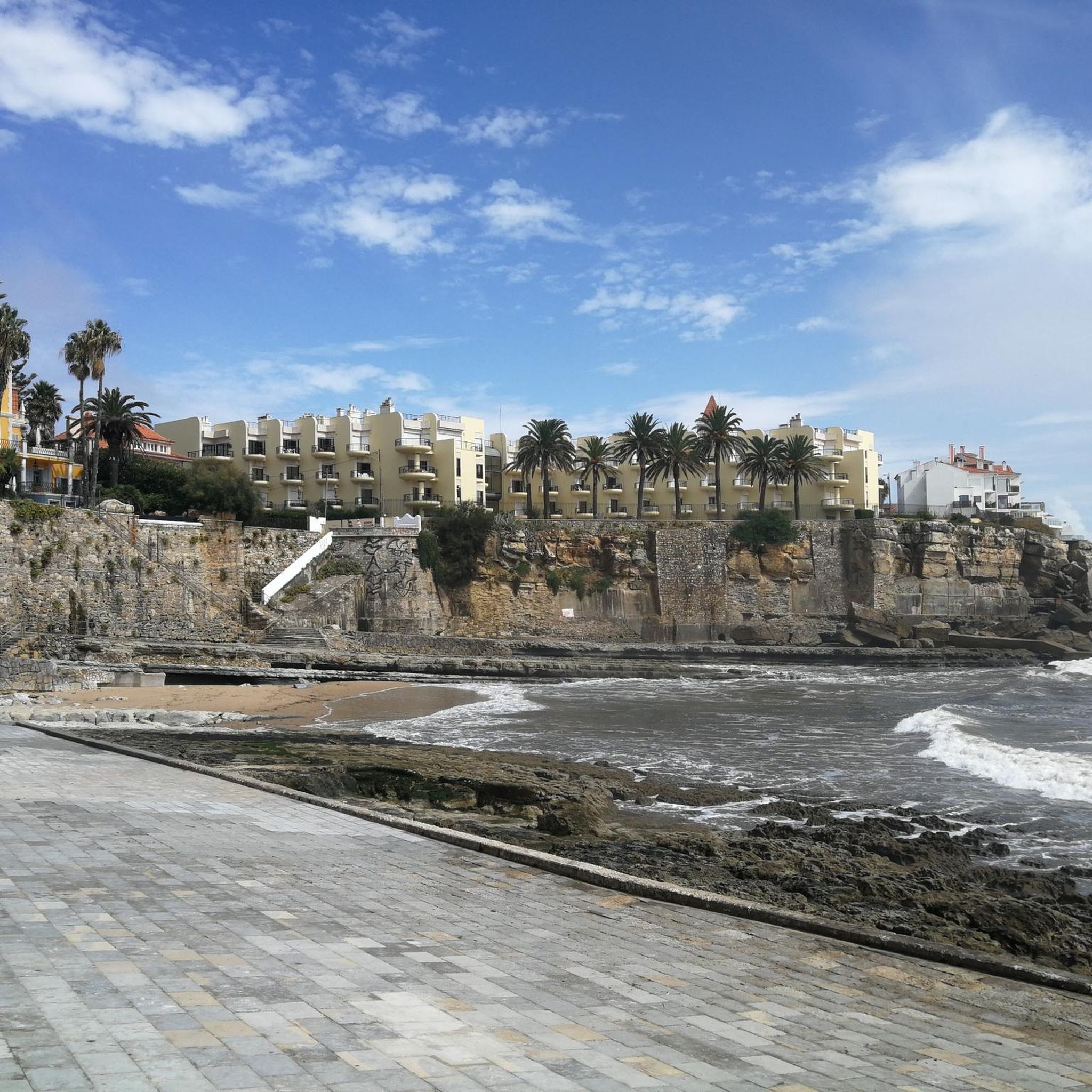
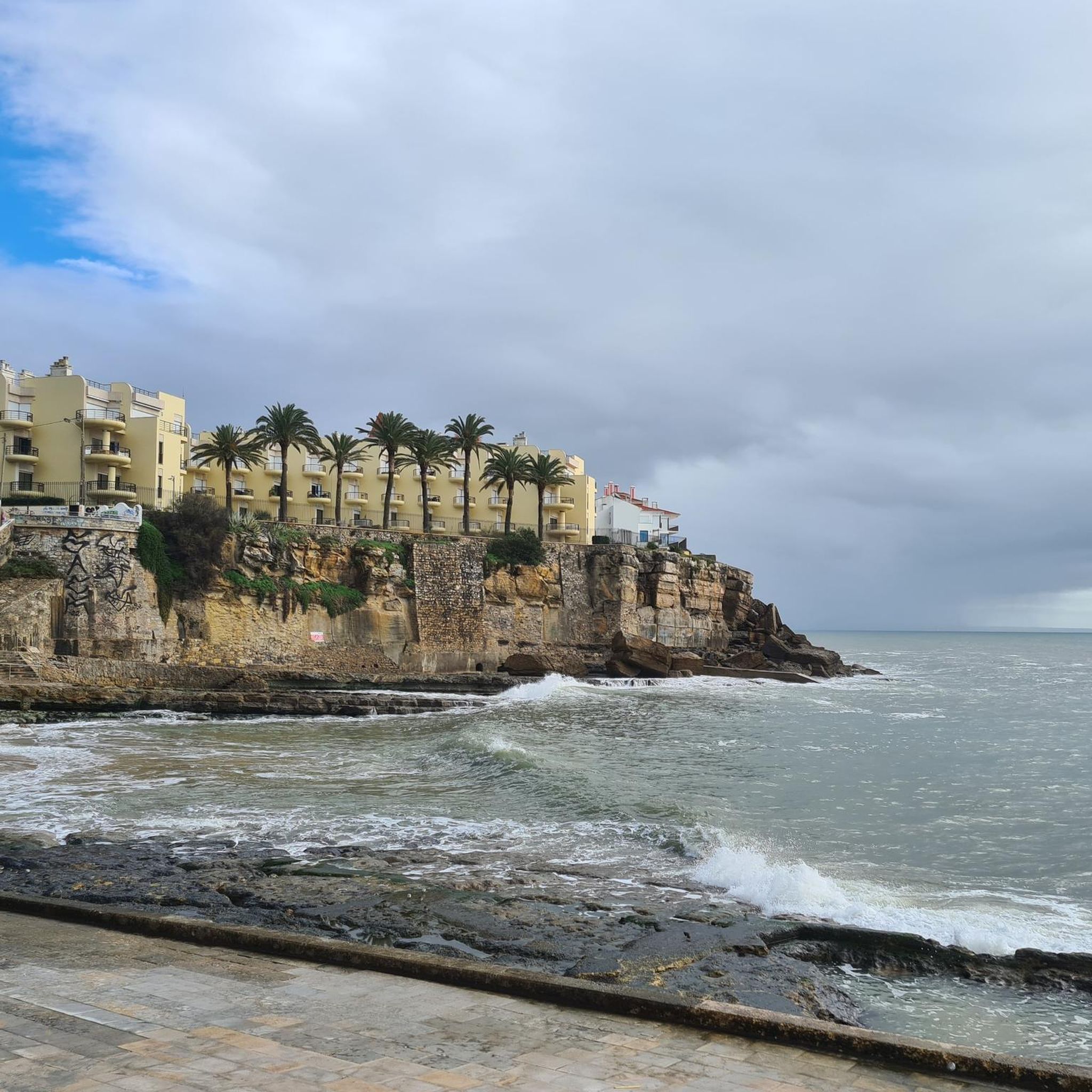
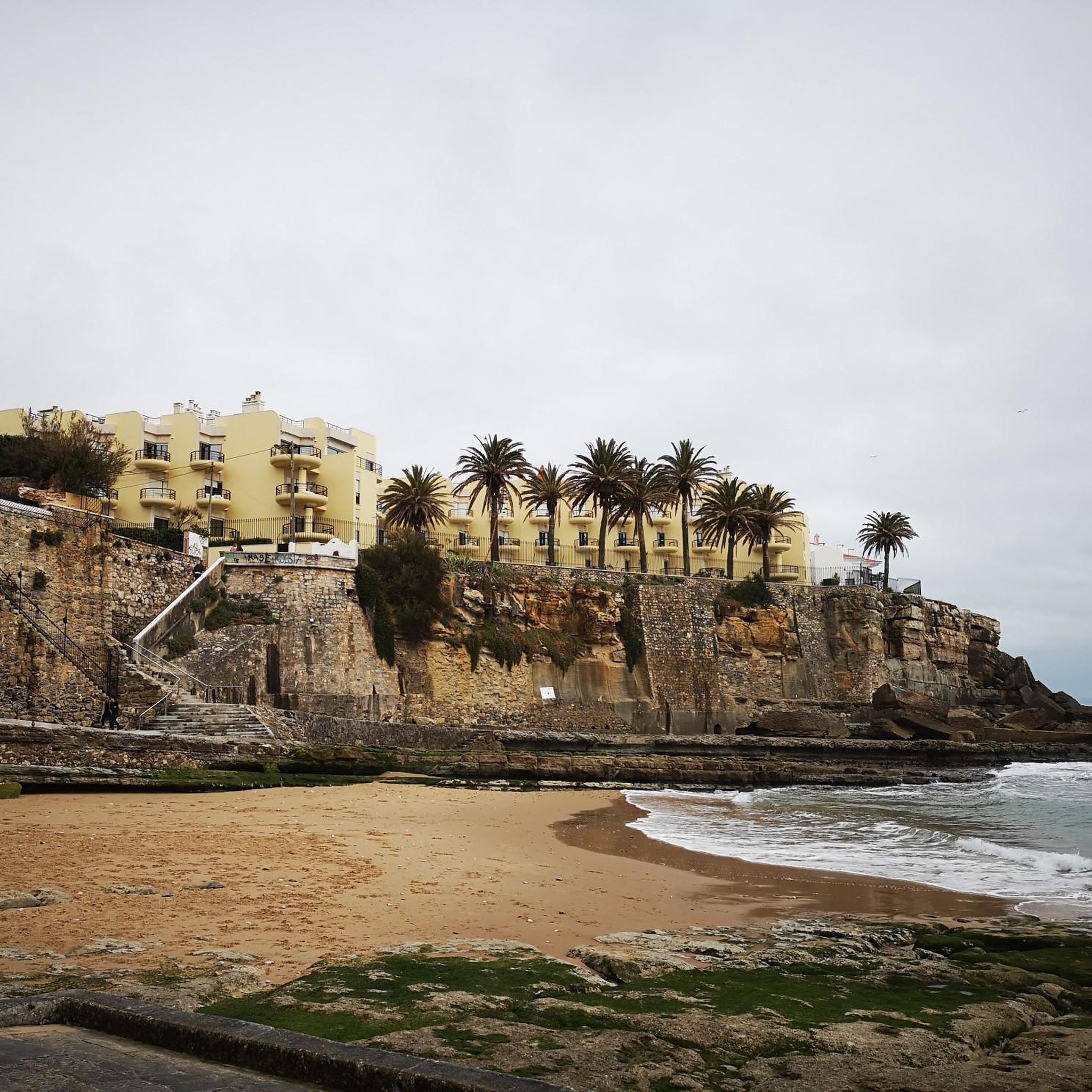
Tips from the Community

Sometimes the promenade is a bit narrow for cycling. But the view of the sea is wonderful.
0
0

The View: A Living Postcard The bay offers an iconic mix of a traditional fishing village and the aristocratic "Portuguese Riviera." You will see colorful fishing boats anchored in calm blue waters, framed by the historic Citadel and elegant palaces rising from the rocks. Best Spots to See It: Hotel Baía Rooftop: The most famous spot for a panoramic, aerial view of the entire bay and town. Praia da Ribeira (Main Square): The best ground-level view to get close to the fishing boats and the beach. The Citadel & Marina: Offers a beautiful "reverse" view, looking back at the town, which is stunning at sunset. Insider Tip: Walk just past the bay to the Santa Marta Lighthouse. The view of the lighthouse and the bridge over the water is arguably the most photogenic spot in Cascais.
0
0


The Cascais Fish Market, known as Mercado da Vila, is one of the city's most iconic locations, combining tradition with modernity.
2
0
Tiago Hacke Portuguese-German, born in Germany but raised in Cascais, began painting murals in 1998. He trained in Fine Arts in Manchester and Paris, and has been a professional muralist since 2015.
4
0
The dolphin mural in Estoril, created by artist Tiago Hacke, is part of his series of works dedicated to Portuguese marine biodiversity, a theme he has intensively explored in recent years.
4
0
Praia da Duquesa is one of Cascais's most central and popular beaches, ideal for those seeking convenience, beauty, and water activities. It's located between two historic mansions—Chalet Faial and Chalet Palmela—and is directly connected to Praia da Conceição, forming a single beach at low tide.
2
0
Praia da Conceição is one of Cascais's most popular and accessible beaches, ideal for both tourists and locals looking to enjoy the sea without leaving the city center. It's located next to the Hotel Albatroz, just a 5-minute walk from Cascais Train Station, making it one of the easiest beaches to reach from Lisbon.
2
1
Frequently Asked Questions
How many hiking trails are available around Estoril?
Estoril offers a variety of hiking opportunities, with over 10 distinct routes recorded on komoot. These trails cater to different preferences, from easy coastal walks to more moderate inland explorations within the Sintra-Cascais Natural Park.
What are the typical difficulty levels for hiking trails in Estoril?
The trails around Estoril primarily feature easy to moderate difficulty levels. There are 9 easy routes and 4 moderate routes, making the area accessible for most hikers. You won't find any difficult or advanced trails here, ensuring a relaxed outdoor experience.
Are there family-friendly hiking options in Estoril?
Yes, Estoril is great for families. Within the Sintra-Cascais Natural Park, the Quinta do Pisão – Nature Park offers accessible trails, some with wooden platforms, and opportunities to see animals like horses and sheep. For a coastal stroll, the easy Duquesa Beach – Queen's Beach loop from São João do Estoril is a popular choice.
Can I bring my dog on the hiking trails around Estoril?
Many trails within the Sintra-Cascais Natural Park are dog-friendly, but it's always best to check specific regulations for each route or protected area. Generally, dogs are welcome on leash, especially on the more open coastal paths and forest trails, allowing you and your canine companion to enjoy the diverse landscapes.
Are there any circular hiking routes in Estoril?
Yes, many of the trails around Estoril are designed as circular routes, offering convenient starting and ending points. For example, the moderate Parque Marechal Carmona – Duquesa Beach loop from Monte Estoril connects urban parks with scenic coastal views, while the easy Duquesa Beach – Praia da Conceição loop from Cascais is a shorter coastal option.
What kind of landscapes can I expect to see while hiking near Estoril?
Hiking near Estoril offers a remarkable diversity of landscapes. You can explore dramatic coastlines with rugged cliffs and sandy coves, such as those found along the Atlantic coast. Inland, the Serra de Sintra mountains provide shaded forest paths, offering a contrasting experience with a unique microclimate. The region is part of the Sintra-Cascais Natural Park, known for its rich biodiversity and geological heritage.
What interesting landmarks or attractions can I find along the hiking routes?
The trails often lead to or pass by significant landmarks. You can explore historical sites like the Castle of the Moors or Quinta da Regaleira near Sintra. Coastal routes might take you past iconic viewpoints like Cabo da Roca, the westernmost point of continental Europe, or beautiful beaches such as Praia da Ursa and Guincho Beach.
Is public transport available to access hiking trails from Estoril?
Estoril is well-connected, and public transport options, including trains and buses, can take you to various starting points for hikes within the Sintra-Cascais Natural Park. For example, you can easily reach Sintra or Cascais, which serve as gateways to many trails. Specific bus routes often serve popular coastal and mountain areas, making it possible to access trails without a car.
Are there good parking facilities near the trailheads?
Parking availability varies depending on the specific trailhead. In urban areas like Estoril, Monte Estoril, or Cascais, you'll find public parking lots, though they can be busy, especially during peak season. For trails deeper within the Sintra-Cascais Natural Park, designated parking areas are often available, but it's advisable to check in advance, especially for popular spots like Cabo da Roca or Guincho Beach.
What is the best time of year to go hiking in Estoril?
The best time for hiking in Estoril is generally during the spring (April to June) and autumn (September to November) when the weather is mild and pleasant. Summers can be hot, especially inland, but coastal trails benefit from sea breezes. Winters are typically mild, making hiking enjoyable year-round, though some days might be rainy or misty, particularly in the Sintra mountains.
What do other hikers enjoy most about the trails around Estoril?
The hiking experience around Estoril is highly rated by the komoot community, with an average score of 4.5 stars from over 1,300 reviews. Hikers often praise the diverse coastlines, the blend of urban and natural settings, and the well-maintained paths that offer stunning sea views and tranquil forest sections. The accessibility of varied terrain for different ability levels is also frequently highlighted.
Are there any historical trails or routes that incorporate cultural sites?
Yes, the Sintra-Cascais Natural Park offers routes that blend nature with cultural exploration. Trails from Sintra, for instance, can lead you to historical monuments like the Moorish Castle and Pena Palace. The 'Quintas Route' on the southern slopes of the Sintra mountains also passes by historical landmarks, providing a rich experience of both natural beauty and heritage.
Can I find trails that combine both coastal and forest environments?
Absolutely. The unique geography of the Sintra-Cascais Natural Park, where mountains meet the sea, allows for trails that seamlessly transition between coastal and forest environments. You can start with invigorating sea breezes along rugged cliffs and then venture inland to shaded forest paths, experiencing a dramatic change in scenery and microclimate within a single hike.
Most popular attractions around Estoril

Get inspired with the komoot mobile app


Explore more
Browse the best Hikes in other regions.
