Attractions and Places To See around Aldeia Gavinha - Top 20
Attractions and places to see around Aldeia Gavinha offer a journey through history and traditional Portuguese charm in the municipality of Alenquer. The village, believed to have been founded in the 15th century, holds traces of Roman occupation and features well-preserved civil architecture. Merged with Aldeia Galega da Merceana, the area provides a combined appeal with notable landmarks and cultural sites. Visitors can explore historical buildings and natural features within this region.
Best attractions and places to see around Aldeia…
Last updated: May 4, 2026
Chapel of Our Lady of the Snows (Ruins)
Highlight • Religious Site
Translated by Google •
Tip by

Montejunto Rural Campsite
Highlight • Rest Area
montejunto.pt/parque-de-campismo-rural-da-serra-de-montejunto
Translated by Google •
Tip by
Sign up now to discover places like this
Get recommendations on the best single tracks, peaks, & plenty of other exciting outdoor places.
Sign up for free
Picnic Area of Serra de Montejunto
Highlight • Rest Area
Translated by Google •
Tip by
Chapel of Saint John the Baptist
Highlight • Religious Site
Translated by Google •
Tip by

Montejunto Monument
Highlight • Monument
Tip by

Sign up for free to discover even more attractions around Aldeia Gavinha.
Sign up for free
Already have an account?
Start today with a free account
Your next adventure awaits.
Login or Signup

Tips from the Community

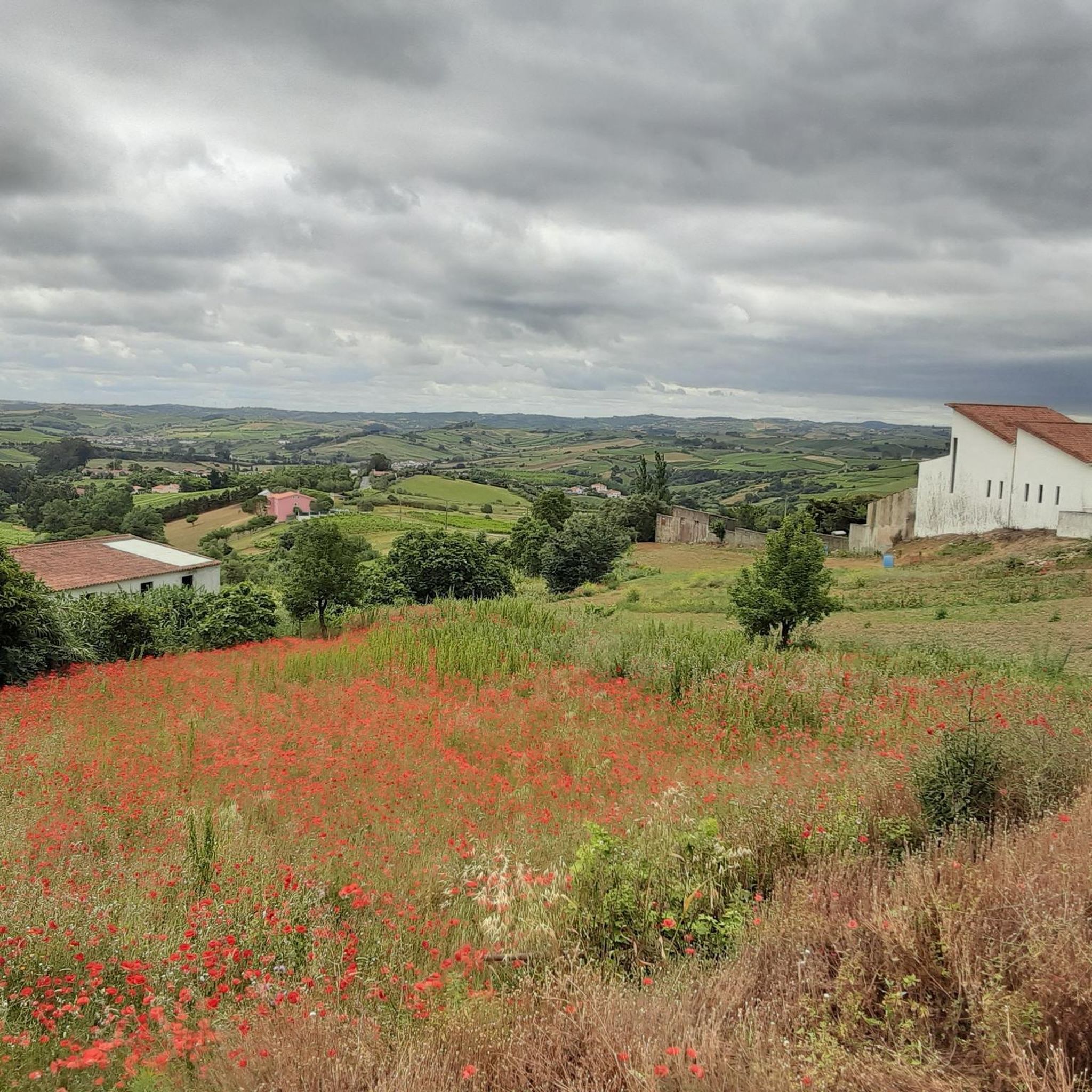
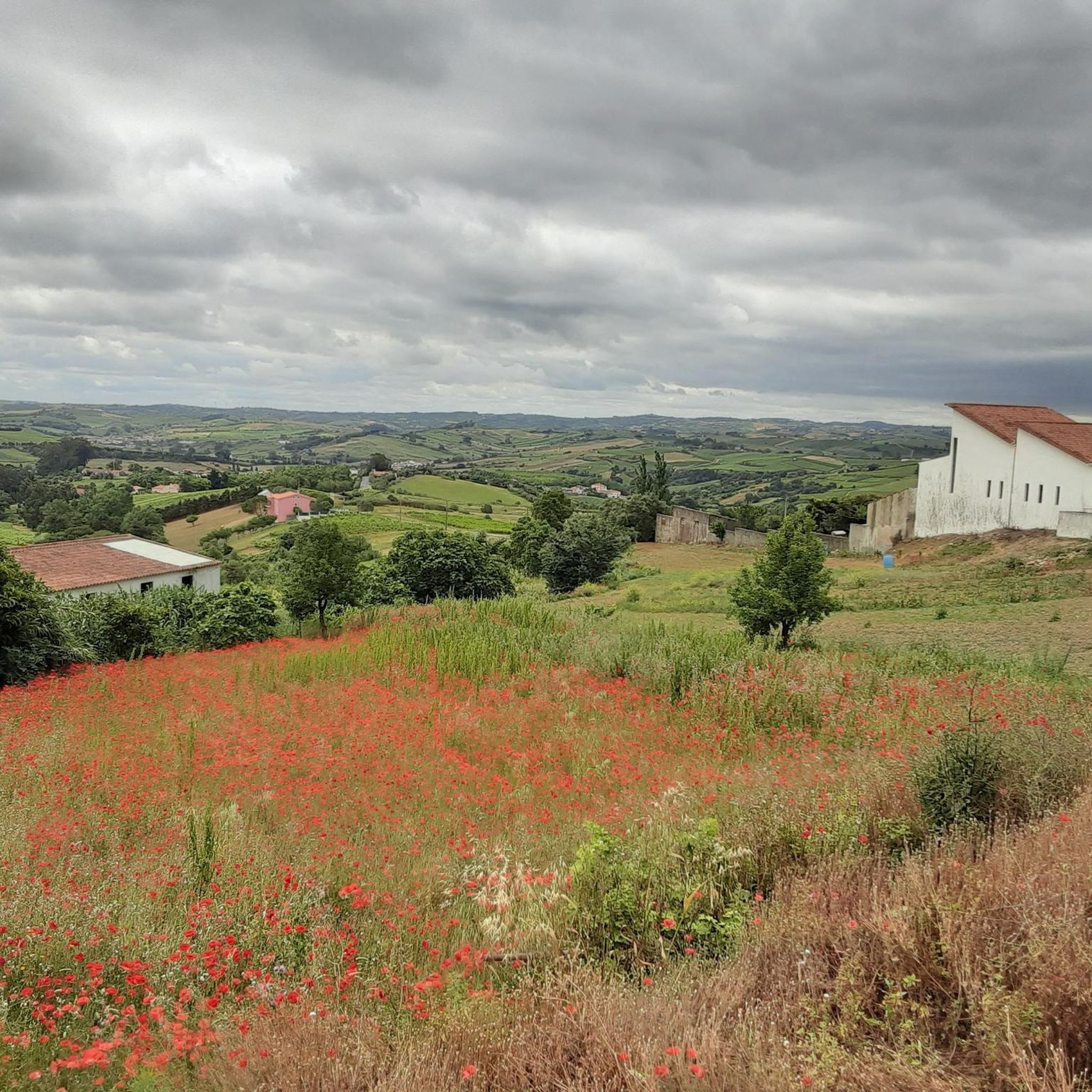
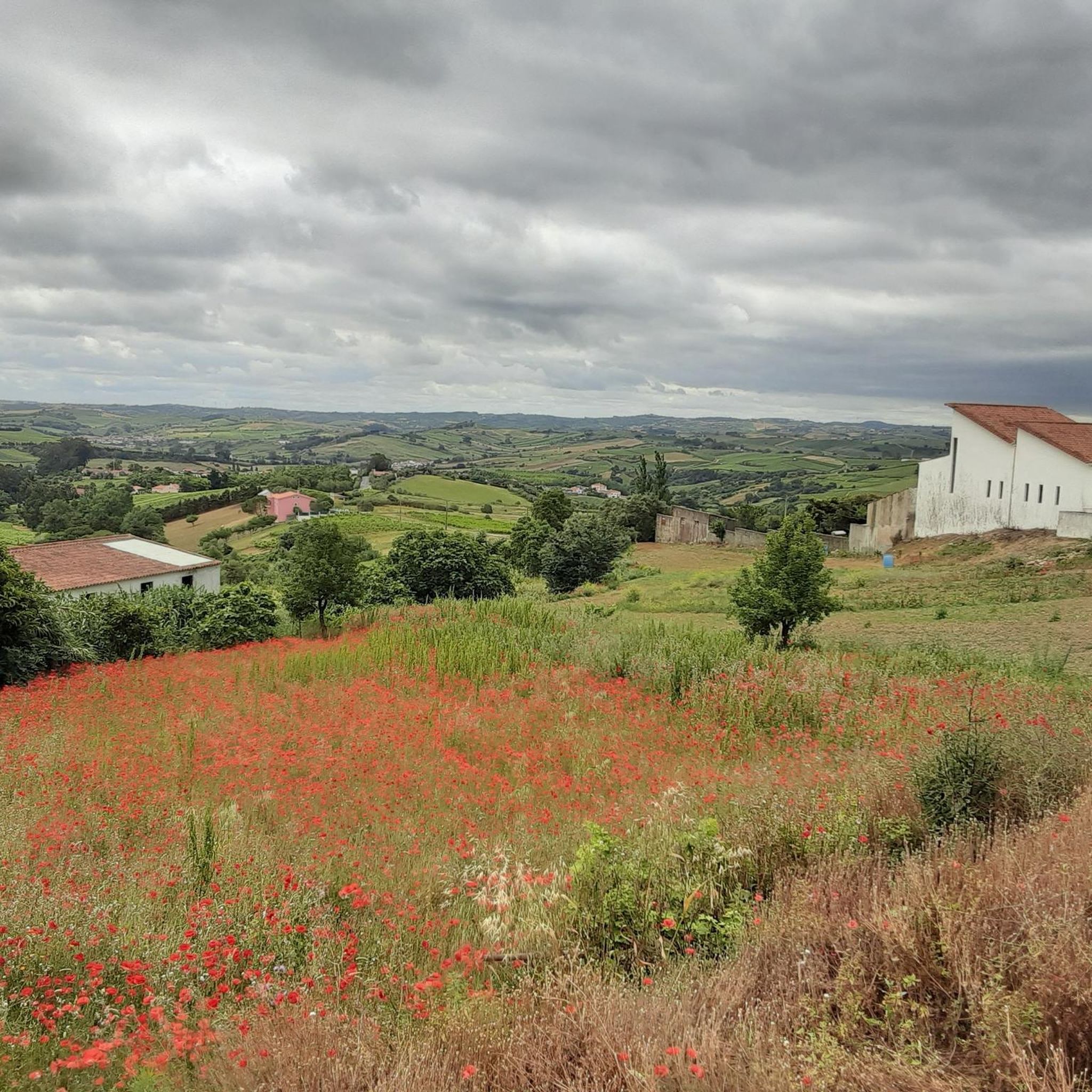
At this location at the top of the Serra de Montejunto, also known as "Torre" due to the various antennas that were installed there, is the Chapel of Our Lady of the Snows, which may have been built in the 13th century and remodelled and expanded during the 16th century and later. Inside, the altars covered with 17th century tiles and the altarpiece of the main altar, from the 18th century, stand out. Next to the Chapel of Our Lady of the Snows, are the ruins of what is considered to be the first Dominican Convent in Portugal, built in the 12th century and abandoned after the extinction of the religious orders, and is currently in ruins. Also nearby are the ruins of the Royal Ice Factory, classified as a National Monument. Here, in the 18th century, the Dominican monks took advantage of the climatic and geological conditions and opened large tanks connected by narrow passages, one part for the production of ice and the other for its preparation, storage and conservation. The ice was later transported to Lisbon, to supply the court and the café at Terreiro do Paço, later known as Martinho da Arcada (Fernando Pessoa's Café)
2
0

The Nossa Senhora das Neves Chapel, located at the top of the Serra de Montejunto, has been a place of pilgrimage since the medieval period, prior to the construction of the first Dominican monastery in the 13th century.
1
0
The Serra de Montejunto picnic area is next to the Interpretation center and a little further from the campsite. Nearby there is a small bar and toilets.
3
0
The Serra do Montejunto Rural Camping Park is located close to the Environmental Interpretation Center and the Real Fábrica do Gelo. With capacity for 90 people, 24 tents and 6 motorhomes, it has sanitary facilities separated by sex, a communal barbecue area and designated areas for washing dishes and drying clothes.
3
1
Located in Serra de Montejunto, Alenquer, the 13th century Chapel of São João Baptista is close to the Chapel of Nossa Senhora das Neves and the ruins of a Dominican monastery. Every year, on the 24th of June, a mass is held in honor of Saint John.
2
0
Located in the chestnut woods, it connects the Real Fábrica do Gelo complex and the Environmental Interpretation Centre. The Park has eight tables, with an average capacity of six to eight people per table. As support structures for its use, it has a small bar, toilets and a small playground.
3
0

Monument of Montejunto is on the Climb so not fully on the top. So maybe make a photo going downhill again when climbing time is important.
0
0
Located in the heart of the Montejunto mountain range, the Montejunto Rural Camping Park has ample shade and capacity for 90 people. Free to use, it has a bar, a tourist reception center and an Environmental Interpretation Centre. https://montejunto.pt/parque-de-campismo-rural-da-serra-de-montejunto/
5
0
Frequently Asked Questions
What historical landmarks can I explore in Aldeia Gavinha?
Aldeia Gavinha is rich in history. You can visit the Igreja de Santa Maria Madalena, known for its 17th-century tiles, and the Fonte Gótica in Largo da Fonte. The village also features the Capelas do Espírito Santo and the ruins of São Sebastião, along with a historic Cruzeiro and a Brasoned House. Don't miss the well-preserved civil architecture that gives the village a timeless feel.
Are there any significant historical ruins or religious sites nearby?
Yes, the area boasts several significant historical and religious sites. High on the Montejunto mountain range, you'll find the ruins of the Chapel of Our Lady of the Snows (Ruins), which includes what is considered the first Dominican Convent in Portugal, dating back to the 12th century. Also nearby is the 13th-century Chapel of Saint John the Baptist.
What cultural events or unique attractions are held in the region?
The region hosts vibrant cultural events. Aldeia Gavinha is known for its Feira do Campo de Aldeia Gavinha, a cultural manifestation featuring food stalls, wine tasting, and music. As Aldeia Gavinha merged with Aldeia Galega da Merceana, you can also experience the Renaissance Fair held in Aldeia Galega da Merceana, offering a journey through traditional Portuguese charm.
What kind of outdoor activities can I do near Aldeia Gavinha?
The area around Aldeia Gavinha offers a variety of outdoor activities, especially in the Serra de Montejunto. You can find numerous routes for cycling, hiking, and mountain biking. For detailed routes and maps, explore the Cycling around Aldeia Gavinha, Hiking around Aldeia Gavinha, and MTB Trails around Aldeia Gavinha guides.
Are there family-friendly attractions or facilities in the area?
Yes, the Picnic Area of Serra de Montejunto is an excellent family-friendly facility. Located in the chestnut woods, it offers tables, a small bar, toilets, and a small playground, connecting the Real Fábrica do Gelo complex and the Environmental Interpretation Centre. The Montejunto Rural Campsite is also family-friendly, providing ample shade and facilities.
Where can I find scenic viewpoints around Aldeia Gavinha?
For panoramic views, head to the Montejunto Monument, which is situated on the Montejunto climb and offers a great viewpoint within the Serra de Montejunto area. The top of the Montejunto mountain range, near the Chapel of Our Lady of the Snows, also provides expansive vistas.
What is the best time to visit Aldeia Gavinha?
The best time to visit Aldeia Gavinha often depends on your interests. Spring and autumn offer pleasant weather for exploring historical sites and enjoying outdoor activities. If you're interested in local culture, consider visiting during the Feira do Campo de Aldeia Gavinha or the Renaissance Fair in Aldeia Galega da Merceana, which typically occur during warmer months.
What are some unique architectural features in Aldeia Gavinha?
Aldeia Gavinha is notable for its well-preserved civil architecture. You'll find houses of prosperous farmers and distinctive heraldic houses adorned with coats of arms, reflecting the village's historical character. The Casa Palmira Bastos, birthplace of the actress, is another point of interest showcasing the village's architectural heritage.
Are there any places to stay overnight near the attractions?
Yes, if you're looking to stay close to the natural attractions of Serra de Montejunto, the Montejunto Rural Campsite offers facilities for tents and motorhomes. It's located in the heart of the Montejunto mountain range, providing a convenient base for exploring the area.
What is the historical significance of Aldeia Gavinha?
Aldeia Gavinha's foundation is believed to date back to the 15th century, with origins tied to survivors seeking refuge from a plague. The area also holds traces of Roman occupation from the 1st century, evidenced by findings like a sepulchral slab, indicating a long and rich history that predates its medieval establishment.
Can I find hiking trails suitable for different difficulty levels?
Yes, the hiking trails around Aldeia Gavinha cater to various skill levels. For example, the 'Ota Karstic Canyon Trail' is rated as easy, while routes like 'Montejunto Peak Loop' and 'Serra de Montejunto Loop' are considered difficult. You can find more options and details in the Hiking around Aldeia Gavinha guide.
Most popular attractions around Aldeia Gavinha

Get inspired with the komoot mobile app


Explore more
Still not found the Highlight you’re looking for? See guides of the top attractions in other regions:
