The best MTB trails around Arrimal e Arrimal e Arrimal e Mendiga
4.5
(19)
252
riders
16
rides
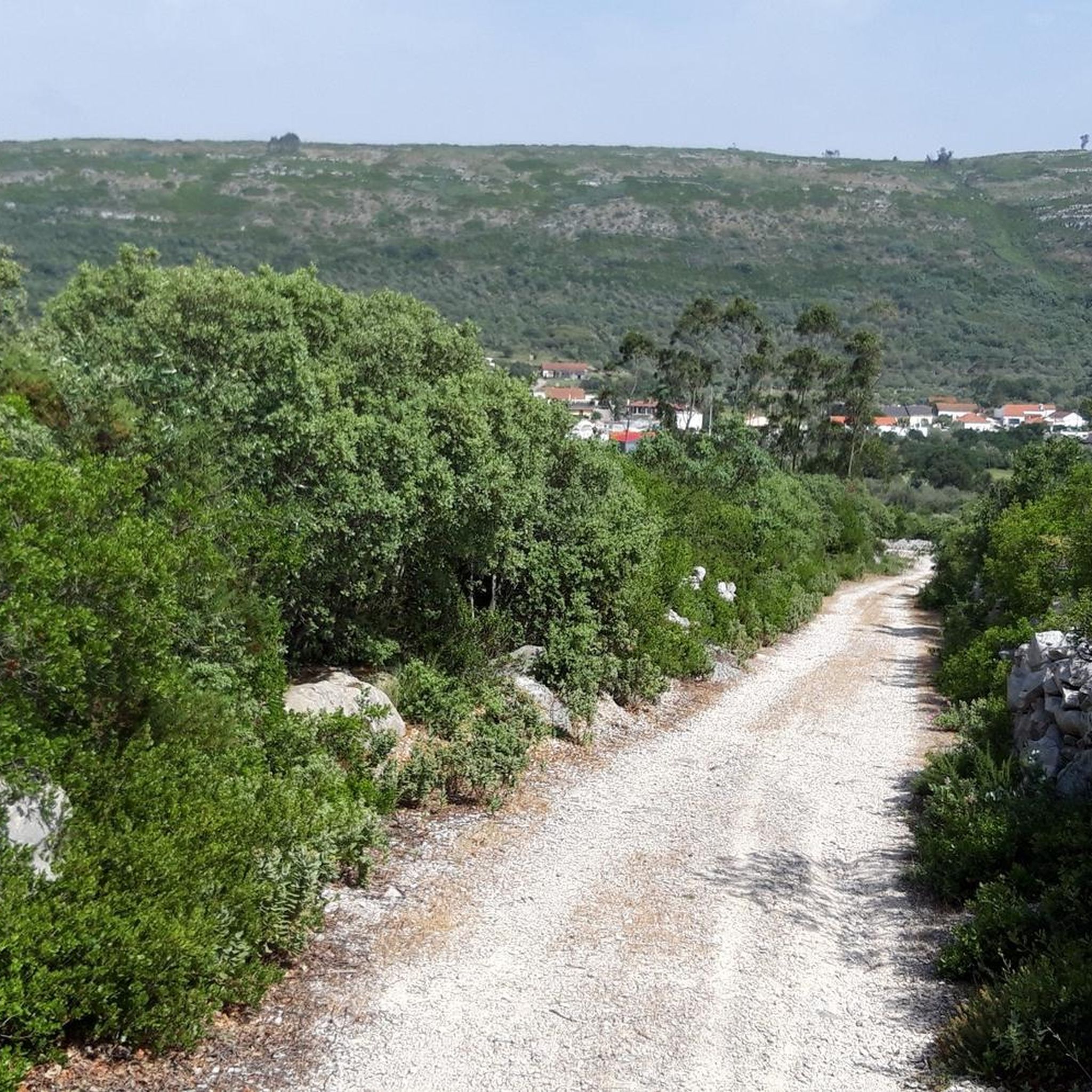
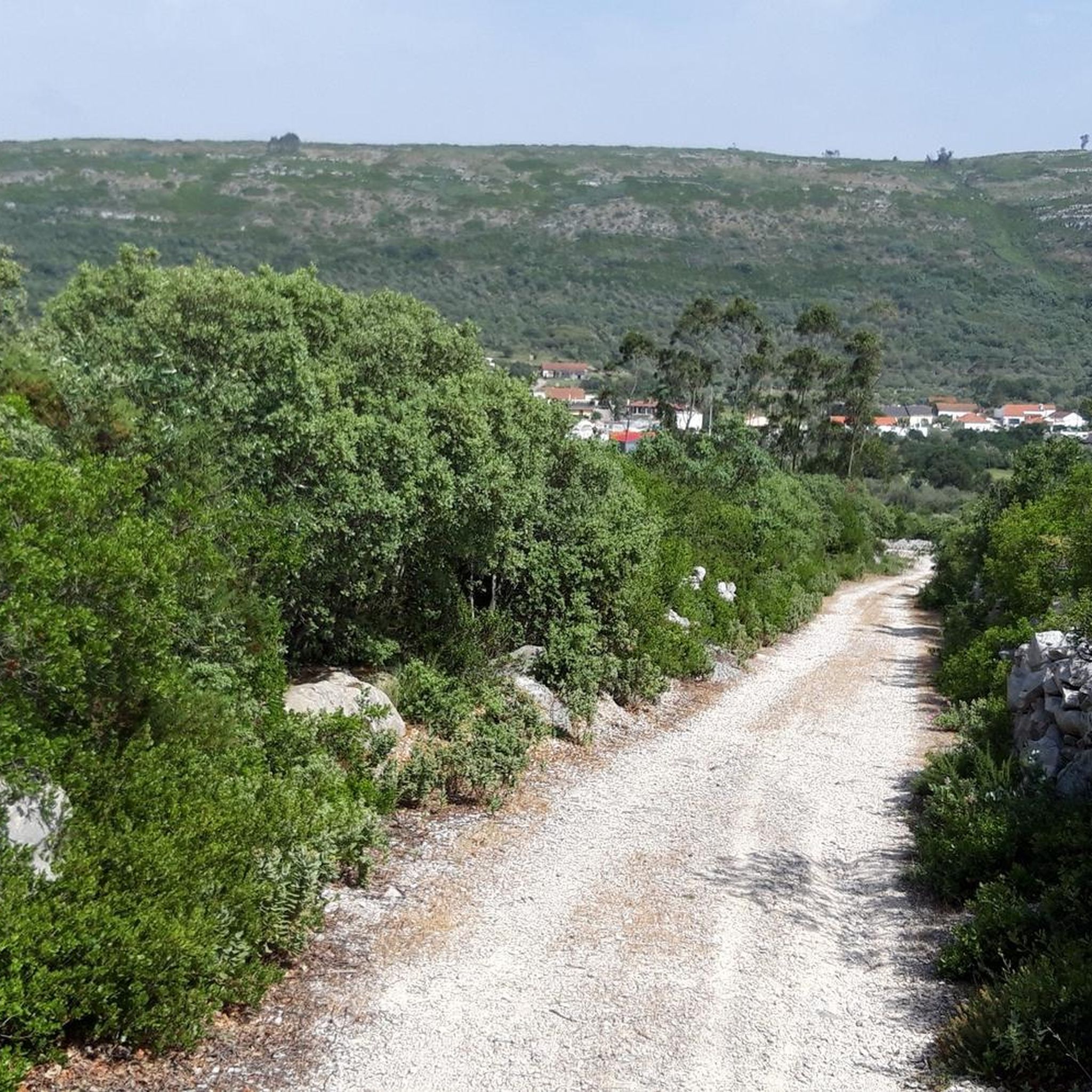
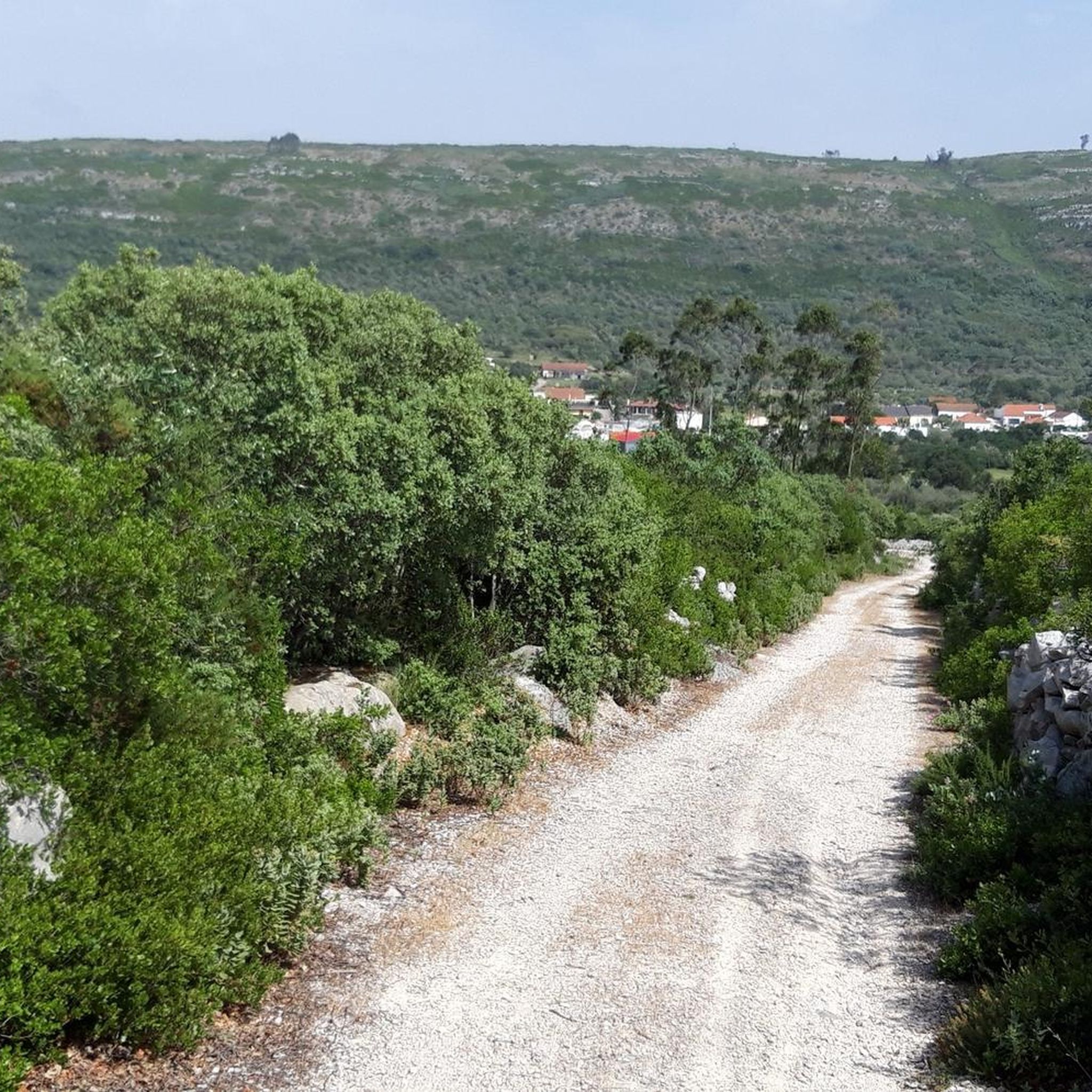
Mountain biking around Arrimal e Arrimal e Arrimal e Mendiga offers a diverse landscape characterized by rolling hills, greenways, and varied terrain. The region features a mix of open paths and more secluded trails, providing opportunities for different skill levels. Elevation changes are common, leading to rewarding views across the countryside.
Best mountain bike trails around Arrimal e Arrimal e Arrimal e Mendiga
- The most popular mountain bike trail is Bezerra Greenway – Elias' Place loop from Serro Ventoso,…
Last updated: May 11, 2026
4.4
(5)
22
riders
12.9km
01:10
210m
210m
Hard mountain bike ride. Great for any fitness level. Advanced riding skills necessary. Some portions of the route may require you to push your bike.
4.0
(2)
12
riders
29.1km
02:14
440m
440m
Moderate mountain bike ride. Good fitness required. Advanced riding skills necessary.

Sign up for free
5.0
(2)
7
riders
34.6km
02:36
380m
380m
Moderate mountain bike ride. Good fitness required. Advanced riding skills necessary.
9
riders
41.4km
03:48
860m
860m
Moderate mountain bike ride. Good fitness required. Suitable for all skill levels.
10
riders
Hard mountain bike ride. Good fitness required. Advanced riding skills necessary. Some portions of the route may require you to push your bike.
Get access to more routes and recommendations from other explorers.
Sign up for free
Already have an account?
Our route recommendations are based on thousands of hikes, rides, and runs completed by other people on komoot.
Start today with a free account
Your next adventure awaits.
Login or Signup

Tips from the Community

Careful: During these months of December and January, it is impossible to pass through because approximately 200 meters of the road is flooded at the beginning, for those coming from the Chiqueda side.
0
0

Gravel is very fun if you go with friends with some experience.
1
0

The tombs of King Pedro I (1320–1367), known as Dom Pedro the Cruel, or the Just, and his lover Inês de Castro (1320–1355), located on both sides of the transept, still give the church significance and splendor today. The tombs are among the most important funerary sculptures of the Middle Ages, commissioned by Dom Pedro immediately after his accession to the throne in 1357 to house his lover Inês de Castro, executed by his father two years earlier, and himself after his death. The scenes on the tombs, some of which are elaborated to the point of being invisible, depict historical events from Portuguese history, but also from the lives of Dom Pedro and Inês de Castro. Some are of biblical origin or refer to mere mythical creatures. The iconography is, on the one hand, quite extensive, and, on the other, highly controversial. https://de.wikipedia.org/wiki/Kloster_Alcoba%C3%A7a
1
0
The medieval sacristy, measuring just over 100 m² and located at the end of the northern side of the transept, was replaced during the reign of King Manuel I (1495–1521) by a sacristy of approximately 250 m², adjacent to an atrium on the southeast side of the ambulatory. This sacristy, along with the chapel of Senhor dos Passos, was built at the same time as the construction of the chapel. Like the chapel itself, it was destroyed in the earthquake of 1755. During the reconstruction, the Manueline portals were preserved, one of the few remaining elements of this style in Alcobaça. At the end of the sacristy is the Chapel of the Relics. https://de.wikipedia.org/wiki/Kloster_Alcoba%C3%A7a
1
0
In the eastern aisle of the church, in an adjoining room, eight additional sarcophagi are located, in which Beatriz, the wife of Afonso III, and three of her children were buried. One sarcophagus housed the first wife of Afonso II, Dona Urraca. The history of the other sarcophagi is unknown. The sarcophagi are now empty and were resealed between 1996 and 2000. The adjoining building in which they are now housed was built as a result of repairs after the great flood of 1772. Previously, the sarcophagi stood in the south transept from the 16th century onwards, and before that, presumably in the nave.
1
0
Consecrated in 1252, the church is an outstanding example of Portuguese Gothic architecture. Construction probably began in 1178, but the exact date of completion is unknown. The church is shaped like a Latin cross (a symbol of Christianity) and consists of a nave and a transept, which contains the tombs of Dom Pedro and Dom Inês de Castro. The nave is divided into three parts: the central nave and the side aisles, which served merely as passageways. Construction began with the transept, which consists of nine radially arranged chapels with a trapezoidal floor plan, connected to each other and to the transept by an ambulatory and covered by barrel vaults. Light enters through the large rose window, the two side bays of the façade, the narrow slits in the side walls, as well as the rose windows and large windows at both ends of the transept and the tall windows in the transept. The northern transept provided direct access to the monks' dormitory of the adjacent monastery. At the opposite end of the transept, beneath a large rose window and two large windows, the door to the monks' cemetery, commonly called the "Gate of the Dead," still stands today. The church contains the tombs of the early Portuguese kings Afonso II (1185–1123; tomb from 1224) and Afonso III (1210–1279). They are located on either side of the Chapel of St. Bernard (containing the depiction of his death) in the south transept. http://www.mosteiroalcobaca.gov.pt/pt/index.php
1
0
From the chapter house on the ground floor, a staircase leads up to the dormitory. This staircase was rediscovered during renovations beginning in 1930. Located on the first floor, the dormitory extends 66.5 meters in length and 21.5 to 17.5 meters in width along the entire east side of the medieval part of the abbey, thus covering an area of almost 1,300 square meters. In its current form, restored through renovation, it presents itself in its original medieval state. At the southern end, the dormitory opens with a large round-arched doorway to the northern transept of the church. A staircase formerly led down from there, as the Cistercian rule required two separate entrances to the communal sleeping quarters. At the northern end of the dormitory were the latrines, which—again according to a general rule of the order—had to be separated from the sleeping quarters by a separate room. The wastewater flowed into the abbey's garden on the north side. The monks slept together in the dormitory, fully clothed, separated from their neighbors only by a movable partition. The abbot alone had his own cell, located on the south side facing the church. This arrangement is typical of most Cistercian monasteries of this period. A narrow door in the center of the western side leads to a narrow spiral staircase, which today provides access to the kitchen, but in the Middle Ages led to the calefactory (warming room, see below). This staircase also provided access to the upper cloister. https://de.wikipedia.org/wiki/Kloster_Alcoba%C3%A7a
2
0
The entrance to the chapter house features a particularly striking facade with staggered columns. The chapter house served as the meeting place for the monks and was, after the church, the most important room in the monastery. It bears this name because the chapters of the Rule of St. Benedict were read aloud there daily. Elections and similar communal ceremonies of the monks also took place there. In the entrance area to the chapter house is the gravestone of an abbot whose identity is no longer known. The floor of the chapter house was formerly completely covered with such gravestones, as a Cistercian rule from 1180 stipulated that abbots had to be buried in the chapter house, meaning that the monks made their decisions on the graves of their deceased abbots. This type of burial was a significant exception to the general Cistercian rule, which forbade the burial of monks within the monastery. That's why you'll find a door leading south in the southern transept called the Porta da Morte (Door of Death), because deceased monks were carried out through it for burial. https://de.wikipedia.org/wiki/Kloster_Alcoba%C3%A7a
1
0
Frequently Asked Questions
What is the overall difficulty level of mountain bike trails in Arrimal e Arrimal e Arrimal e Mendiga?
The mountain bike trails in Arrimal e Arrimal e Arrimal e Mendiga primarily cater to moderate and difficult skill levels. There are 9 moderate routes and 7 difficult routes available, offering challenges for experienced mountain bikers. There are currently no easy routes listed.
Are there any family-friendly mountain bike routes in Arrimal e Arrimal e Arrimal e Mendiga?
Given that the trails in Arrimal e Arrimal e Arrimal e Mendiga are categorized as moderate to difficult, they may not be suitable for young children or beginners. Families looking for easier rides might consider exploring other regions or sticking to paved paths if available locally.
Are there any circular mountain bike trails in the region?
Yes, many of the mountain bike routes in Arrimal e Arrimal e Arrimal e Mendiga are designed as loops, allowing you to start and finish at the same point. Examples include the Eco-Track of Porto de Mós – Elias' Place loop from Arrimal e Mendiga and the Terra Chã Viewpoint loop from Alcobertas.
What kind of scenery can I expect on the mountain bike trails?
The trails in Arrimal e Arrimal e Arrimal e Mendiga offer diverse landscapes, including rolling hills, greenways, and varied terrain. You'll encounter undulating rural paths and often be rewarded with expansive views across the countryside. The region is known for its scenic viewpoints.
Are there any specific attractions or landmarks I can see along the mountain bike trails?
Yes, several routes pass by interesting points. For instance, the Cabeço do Pão de Milho – Memory Arch loop from Jardim de Infância de Arrimal takes you near the Memory Arch. You might also find natural features like the Fórnea Waterfall or viewpoints like the Serro Ventoso Swing nearby.
What is the best time of year to go mountain biking in Arrimal e Arrimal e Arrimal e Mendiga?
The region generally offers good conditions for mountain biking for much of the year. Spring and autumn typically provide pleasant temperatures and lush scenery. Summers can be hot, so early morning or late afternoon rides are advisable, while winters are usually mild but can have more rainfall.
Are there any mountain bike parks or dedicated centers in the area?
Yes, the region features the Alcanena MTB Center – Alviela Spring, which can be a great starting point or a place to explore dedicated mountain biking facilities. There's also the Poço Suão Singletrack (Alcobaça) for more technical riding.
Are dogs allowed on the mountain bike trails?
While many trails in Portugal are dog-friendly, it's always best to check local regulations or signage, especially within protected natural areas. If bringing your dog, ensure they are well-behaved, kept on a leash where required, and that you carry waste bags.
Do I need any special permits to ride the mountain bike trails in Arrimal e Arrimal e Arrimal e Mendiga?
There is no indication that special permits are required for general mountain biking on the trails in Arrimal e Arrimal e Arrimal e Mendiga. However, if you plan to enter private land or specific protected reserves, it's always wise to check for any local access rules.
What do other mountain bikers enjoy most about the trails in Arrimal e Arrimal e Arrimal e Mendiga?
The komoot community highly rates the mountain biking experience here, with an average score of 4.6 stars from over 10 reviews. Riders often praise the varied terrain, rewarding views, and the network of greenways and undulating rural paths that define the region.
Are there options for parking near the trailheads?
While specific parking information for every trailhead isn't always available, most villages and towns in the region, such as Arrimal e Mendiga, Serro Ventoso, and Alcobertas, offer public parking areas that can serve as convenient starting points for your rides.
What should I bring for a mountain bike ride in this region?
For mountain biking in Arrimal e Arrimal e Arrimal e Mendiga, it's essential to bring appropriate safety gear, including a helmet, gloves, and protective eyewear. Carry plenty of water, snacks, a basic repair kit (spare tube, pump, multi-tool), and a fully charged phone with a GPS app like komoot for navigation.
Most popular routes around Arrimal e Arrimal e Arrimal e Mendiga
Most popular attractions around Arrimal e Arrimal e Arrimal e Mendiga

Get inspired with the komoot mobile app


Explore more
Browse the best MTB trails in other regions.
