The best running trails around Pombal
3.8
(7)
167
runners
25
runs
Jogging routes around Pombal offer a diverse range of experiences, from coastal paths to challenging hilly terrains. The region is characterized by varied landscapes, including the limestone formations and oak groves of Serra de Sicó, and the serene forests of Mata Nacional do Urso. Runners can explore natural beaches like Praia do Osso da Baleia and the tranquil Lagoa da Ervedeira, providing a mix of flat and undulating routes. This varied topography ensures a rich environment for outdoor activities, with…
Last updated: July 11, 2026
12
runners
10.0km
01:03
90m
90m
Moderate run. Good fitness required. Mostly paved surfaces. Suitable for all skill levels.
4.0
(1)
8
runners
8.27km
01:00
140m
140m
Moderate run. Good fitness required. Mostly paved surfaces. Suitable for all skill levels.

Sign up for free
5.0
(1)
9
runners
9.69km
01:01
90m
90m
Moderate run. Good fitness required. Mostly paved surfaces. Suitable for all skill levels.
9
runners
10.2km
01:15
140m
140m
Moderate run. Good fitness required. Mostly paved surfaces. Suitable for all skill levels.
6
runners
21.0km
02:45
590m
590m
Hard run. Very good fitness required. Mostly paved surfaces. Suitable for all skill levels.
Get access to more routes and recommendations from other explorers.
Sign up for free
Already have an account?
Our route recommendations are based on thousands of hikes, rides, and runs completed by other people on komoot.
Start today with a free account
Your next adventure awaits.
Login or Signup

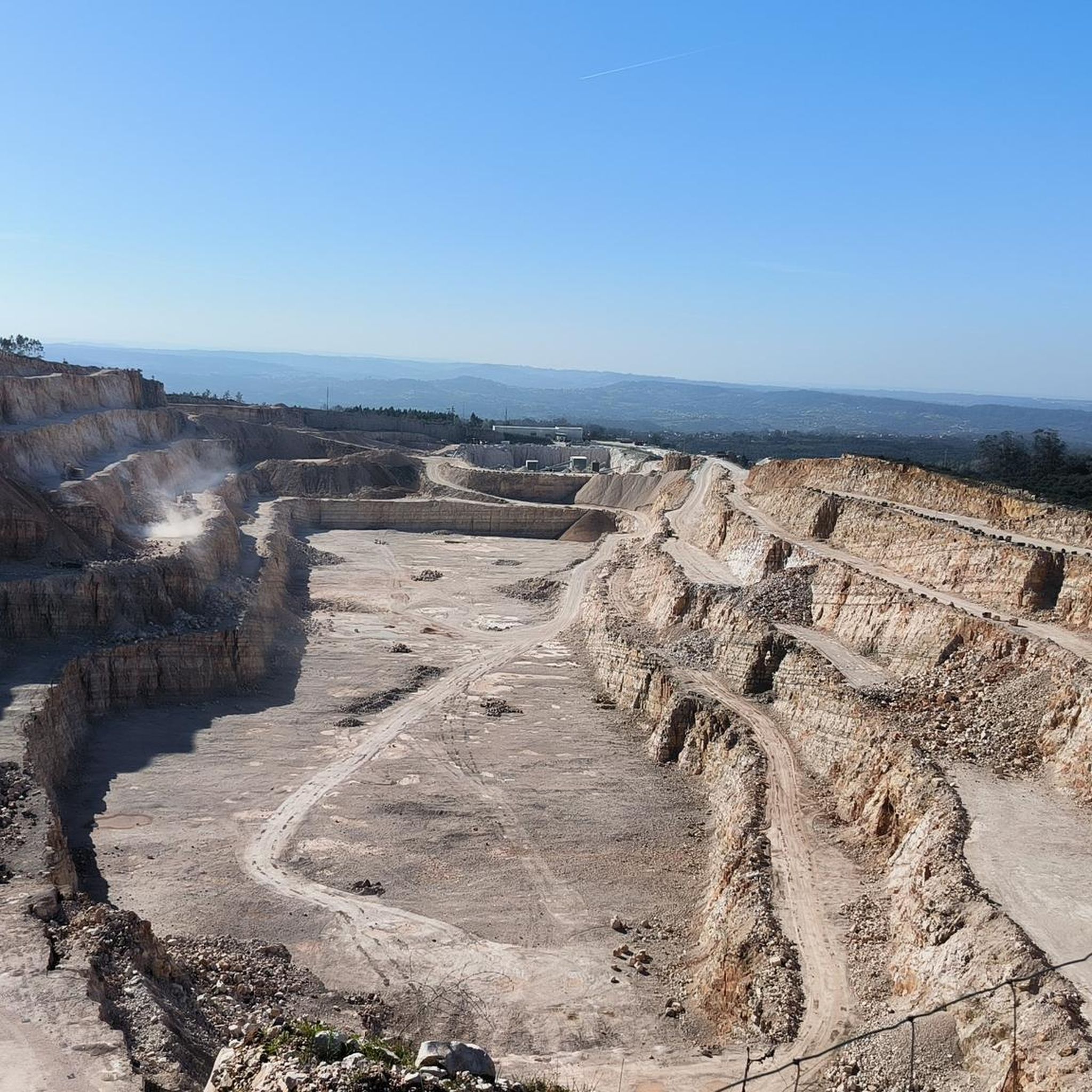
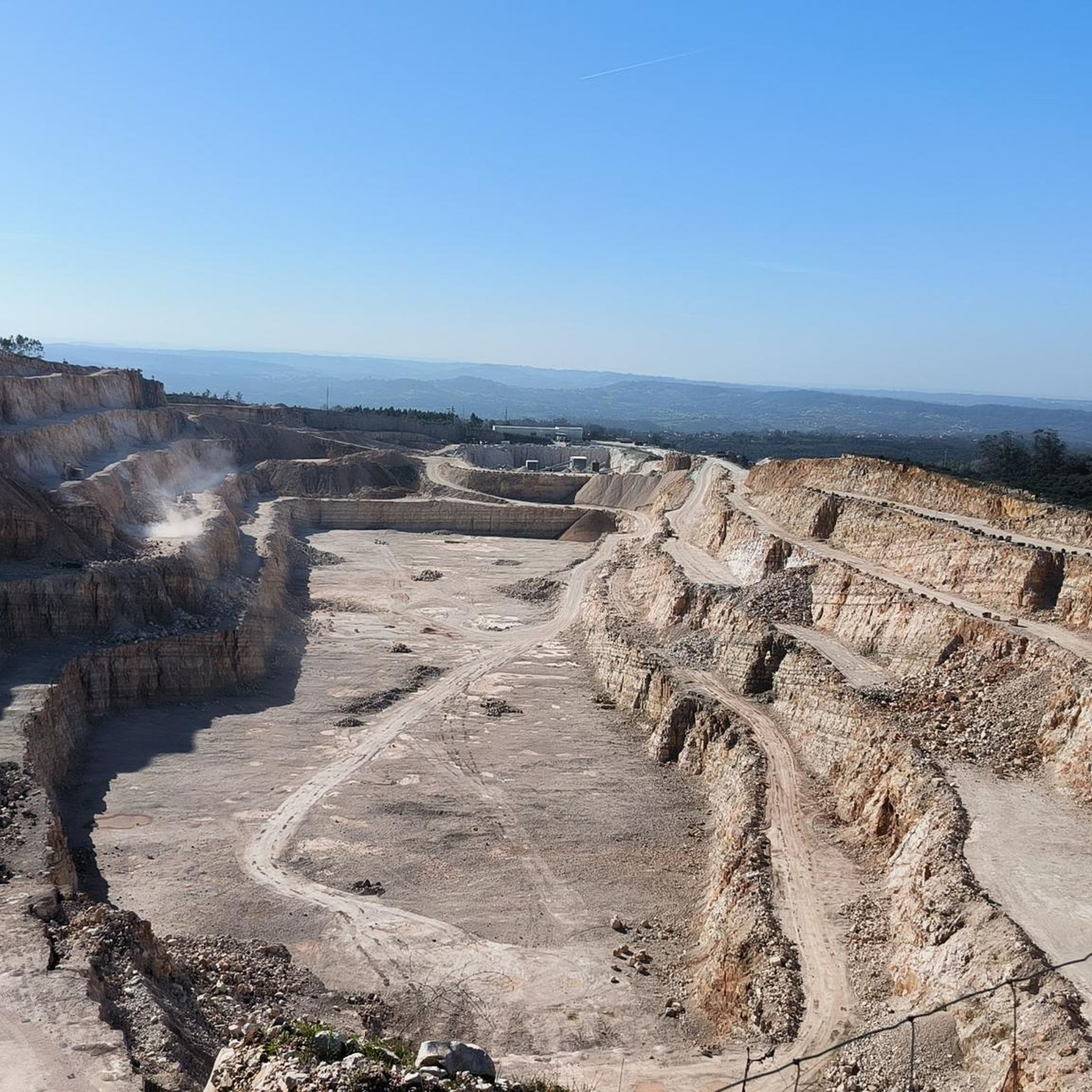
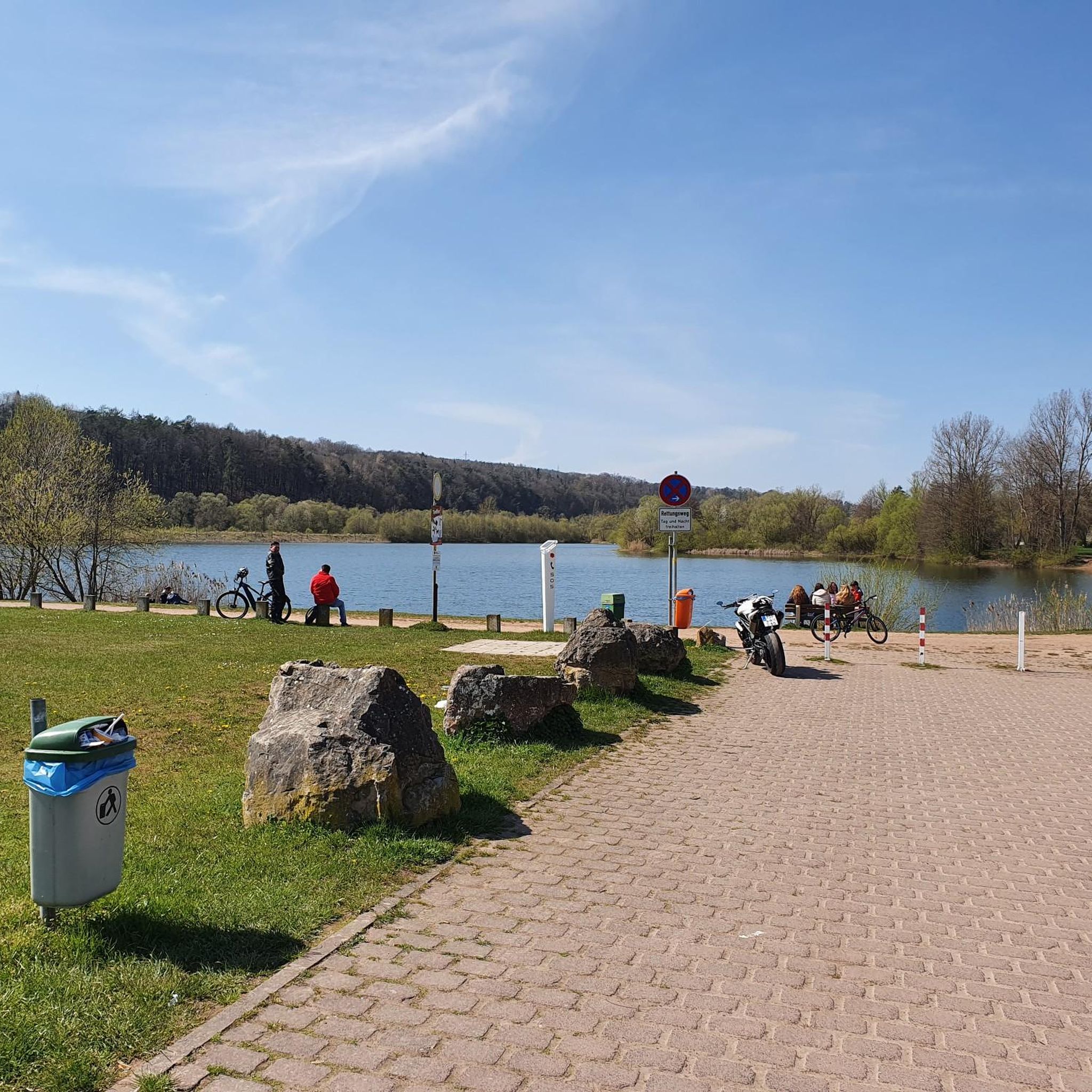
Tips from the Community

Pombal Castle dominates the landscape and the very history of the city. Built between 1156 and 1171 by the Knights Templar, it formed part of the old Mondego defensive ring, a series of fortresses that protected access to Coimbra after the Reconquista. Over the centuries it suffered attacks, including those from Napoleonic troops, and fell into ruin. Today, the castle has once again become a vibrant and accessible space, a privileged viewpoint and an essential landmark of Pombal's identity.
2
1

Pombal Castle, one of the most important Templar monuments in central Portugal: It stands atop a rocky outcrop beside the Arunca River, overlooking the city of Pombal. Built between 1156 and 1171 by Gualdim Pais, Grand Master of the Knights Templar, on the site of an ancient Roman fort and Arab fortress. It formed part of the Templar defensive line to protect Coimbra and launch offensives against the Muslims.
4
1

Although the precise date of the castle's construction is unknown, it is believed to have been during the Christian Reconquista in the 12th century, during the reign of King Afonso Henriques (1112-1185), and sometime between 1159, the date of the Redinha Charter—according to an epigraphic inscription of that date in Almourol—which mentions the construction of a series of castles, including Pombal Castle, by Gualdim Pais (son of Paio Ramires), then Master of the Knights Templar in Portugal. Pombal Castle indeed follows the same architectural lines characteristic of the Templars, present not only in Almourol but also in those of Idanha, Monsanto, Tomar, and Zêzere, its contemporaries. The function of this complex was to provide defense and settlement for these lands, south of the Mondego River, entrusted to the Order. Gualdim Pais himself granted a charter to Pombal in 1174, a town that developed on the southern slope of the castle hill. source: Wikipedia
1
0

It's magnificent, I don't know it, but it really makes you want to visit.
2
0

Portuguese coffee. Nice to finish the ride with some food and beer
1
0

Schedule: April to September: 10:00 am to 1:00 pm | 14:00 to 19:00. October to March: 10:00 am to 1:00 pm | 14:00 to 17:00. Closed on Monday and public holidays January 1st, Easter Sunday, May 1st and December 25th.
1
0
Frequently Asked Questions
How many running routes are available in Pombal?
There are over 25 running routes around Pombal, offering a diverse range of experiences from coastal paths to challenging hilly terrains. These routes cater to various fitness levels, with options for both moderate and difficult runs.
What kind of terrain can I expect on jogging trails in Pombal?
Jogging trails in Pombal feature a varied landscape, including the limestone formations and oak groves of Poios Canyon within the Serra de Sicó, serene forests like Mata Nacional do Urso, and natural beaches such as Praia do Osso da Baleia. You'll find a mix of flat sections, undulating paths, and challenging climbs, providing good air quality and scenic views.
Are there any family-friendly running paths in Pombal?
While many routes offer varied terrain, the area around Pombal Castle provides accessible paths suitable for a family outing. The 🏰 POMBAL – View of POMBAL Castle loop from Pombal is a moderate 6.2-mile path that offers scenic views and a historical backdrop, making it enjoyable for families.
Can I bring my dog on the running trails in Pombal?
Many of Pombal's natural trails, particularly those through forests like Mata Nacional do Urso and around Lagoa da Ervedeira, are suitable for running with dogs. It's always recommended to keep your dog on a leash and check local regulations for specific areas.
What are some scenic landmarks or points of interest I can see while running in Pombal?
You can enjoy historical and natural landmarks. The 🏰 POMBAL – View of POMBAL Castle loop from Pombal offers stunning views of Pombal Castle. Other notable sights include the dramatic Poios Canyon, the historic Ponte da Cal, and the Old Clock Tower.
Are there any circular running routes in Pombal?
Yes, many of the running routes in Pombal are circular, allowing you to start and finish at the same point. For example, the View of POMBAL Castle – Café Joaninha loop from Pombal is a popular 5.1-mile circular trail that takes you through urban and natural landscapes.
What is the best time of year to go jogging in Pombal?
The best times for jogging in Pombal are during spring (April to June) and autumn (September to October). The weather is mild, with temperatures typically ranging from 15°C to 25°C (59°F to 77°F), providing ideal conditions for outdoor activities amidst vibrant blossoms or warm autumn hues.
Are there any challenging long-distance running trails in the Pombal region?
For those seeking a challenge, Pombal offers several difficult long-distance routes. The Santiago da Guarda – Outeiro Windmills loop from Santiago da Guarda is a demanding 19.5-mile trail with significant elevation changes, perfect for experienced runners.
Where can I find parking near the running trails?
Many running routes in Pombal, especially those starting from the town center or popular natural areas, offer convenient parking options. For routes like the Running loop from Vermoil, you can typically find parking in the nearby villages or designated areas.
What do other runners enjoy most about jogging in Pombal?
The running community highly rates the diverse terrain and scenic beauty of Pombal. With an average score of 3.8 stars from over 7 reviews, runners often praise the mix of coastal paths, historical views, and challenging forest trails that provide a rich and varied experience.
Are there any running routes that explore the Serra de Sicó mountain range?
Yes, the Serra de Sicó, known for its dramatic landscapes and limestone formations, offers challenging trail running opportunities. The Poios Canyon – Nossa Senhora da Estrela loop from Monte do Meio is a difficult 5.3-mile route that takes you through this impressive natural area, including the Poios Canyon.
Can I combine running with a visit to a beach or lagoon in Pombal?
Absolutely! The region features natural beaches like Praia do Osso da Baleia and the beautiful Lagoa da Ervedeira. You can enjoy a tranquil run along the coast or around the lagoon, making for a refreshing experience. The Atlantic Road Cycle Path, which starts near Osso da Baleia beach, also offers sections ideal for jogging with sea air.
Most popular routes around Pombal
Most popular attractions around Pombal

Get inspired with the komoot mobile app


Explore more
Browse the best Running Trails & Routes in other regions.
