Attractions and Places To See around Werne - Top 20
Best attractions and places to see around Werne, a town in North Rhine-Westphalia, Germany, offers a range of historical landmarks, natural settings, and cultural sites. Situated in the Münsterland region, it provides access to the Lippe river and is a starting point for exploring the Ruhr area. The town's historic center features buildings dating back centuries, alongside modern recreational facilities.
Best attractions and places to see around Werne
- The most popular attractions is Nordkirchen Palace, a castle that is…
Last updated: October 9, 2026
Nordkirchen Palace
Highlight • Castle
Translated by Google •
Tip by

Horstmarer Lake Beach
Highlight • Beach
Translated by Google •
Tip by

Sign up now to discover places like this
Get recommendations on the best single tracks, peaks, & plenty of other exciting outdoor places.
Prussia Port
Highlight • Structure
Translated by Google •
Tip by

"Now" sculpture on the Seseke
Highlight • Monument
Showing Translation
Tip by

Rünthe Marina
Highlight • Structure
Translated by Google •
Tip by

Sign up for free to discover even more attractions around Werne.
Already have an account?
Other adventures around Werne


Tips from the Community

Emscher Landscape Park - The green heart of the Ruhr Metropolis 15 unique park landscapes for 5.3 million inhabitants of the Ruhr area This includes the Seepark in Lünen in the district of Unna Industry nature between mine dumps and blast furnaces that runs through the Ruhr area.
12
0

In the gabion wall, which is filled with natural stones, the word "Now" is left out and can therefore be read in 3D. Attractive art on the Sesekeradweg with benches to take a break. Personally, I find it somehow motivating and well done. Let's hope that it will be spared the doodles and graffiti that are now unfortunately everywhere.
8
0

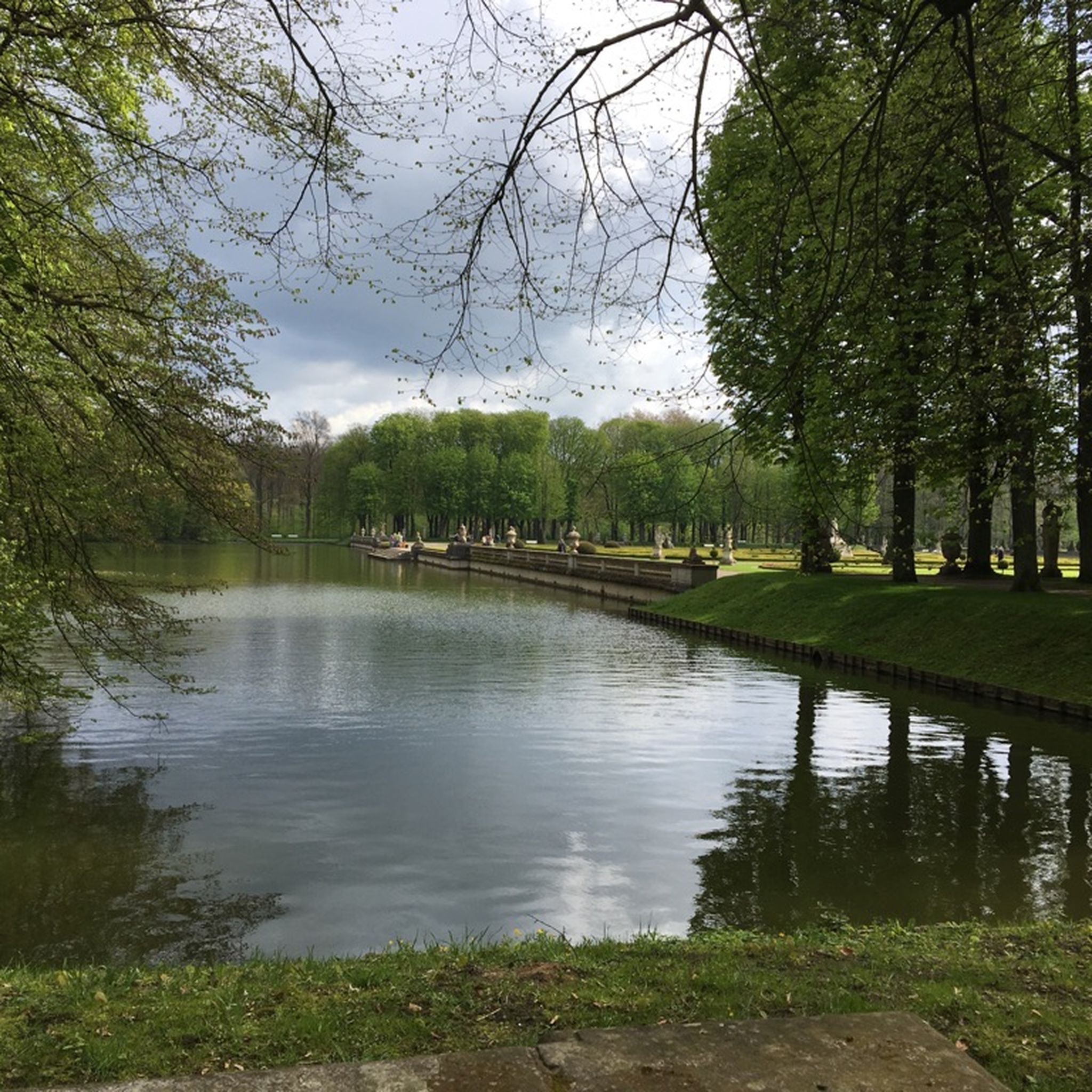
Nordkirchen Castle is located in the middle of a spacious landscape park and is the largest and most important of the Westphalian moated castles.
20
0

With 24 holes, the disc golf course in Lünen is the largest disc golf course in Germany and one of the 6 largest disc golf courses in Europe! In October 2007, this was inaugurated in cooperation with the city of Lünen and Hartmut Wahrmann as the first disc golf course in North Rhine-Westphalia. The Seepark Lünen was created 11 years earlier as part of the State Horticultural Show on a former mining area of the Prussia colliery.
11
0

is a port built in 1924/1925 and commissioned in autumn 1925 on the Datteln-Hamm Canal (canal km 14.16 - 14.34) in Lünen-Süd. Originally it served as a transshipment point for the Prussian collieries in Horstmar and the Gneisenau colliery in Dortmund-Derne.
18
1

Old Mohr crane at the Preußenhafen Lünen, there is also seating nearby.
14
0

The first section of the Datteln-Hamm Canal was completed in 1914. In 1933 it reached its current length of approx. 47 km. More information: https://de.wikipedia.org/wiki/Datteln-Hamm-Kanal
16
0

Das Schloss Nordkirchen ist eine barocke Schlossanlage im südlichen Münsterland und liegt gut 25 Kilometer von Münster entfernt auf dem Gebiet der Gemeinde Nordkirchen im nordrhein-westfälischen Kreis Coesfeld. Das denkmalgeschützte Wasserschloss ist die größte und bedeutendste Barockresidenz Westfalens und wird aufgrund seiner Ausmaße und architektonischen Gestaltung auch als das „Westfälische Versailles“ bezeichnet. Die Ursprünge des heutigen Schlosses liegen in einer Wasserburg der Familie Morrien, die Gerhard III. von Morrien zu Beginn des 16. Jahrhunderts zu einem der am stärksten befestigten Wasserschlösser des Münsterlandes ausbauen ließ. Nach dem Aussterben der männlichen Familienlinie verkauften die Erben die Anlage 1694 an Friedrich Christian von Plettenberg, den Fürstbischof von Münster. Seine Familie ließ das Schloss im 18. Jahrhundert im Verlauf von mehr als 30 Jahre andauernden Bauarbeiten zu einer repräsentativen, barocken Residenz umgestalten. Nach Abschluss der Arbeiten 1734 zählte der Nordkirchener Schlossgarten zu den berühmtesten Gärten Europas.[3] Als der Schlossherr Ferdinand von Plettenberg 1737 starb, hinterließ er einen hochverschuldeten Besitz, den nachfolgende Generationen nur mit Mühe unterhalten konnten. Als die Familie von Plettenberg 1813 im Mannesstamm ausgestorben war, ging das Eigentum des Anwesens über die Erbtochter Maria von Plettenberg auf ihren Sohn Miklós Esterházy de Galántha über. Er ließ Veränderungen im Garten und an den Innenräumen vornehmen. Nach seinem Tod verkauften seine ungarischen Verwandten die Anlage an den Herzog Engelbert-Maria von Arenberg. Er ließ die mittlerweile heruntergekommenen Gebäude nicht nur sanieren und modernisieren, sondern vergrößerte überdies das Hauptgebäude. Auch den großen Schlossgarten ließ er zum Teil wiederherstellen und erweitern. Nachdem die herzogliche Familie das Schloss nach dem Ende des Zweiten Weltkriegs nicht mehr als Wohnsitz nutzte, verfiel die Anlage allmählich. 1949 mietete das Land Nordrhein-Westfalen das Schloss an und betrieb in den zwischenzeitlich einsturzgefährdeten Schlossgebäuden nach einer ersten Renovierung ab 1950 seine Landesfinanzschule, aus der später die Fachhochschule für Finanzen des Landes Nordrhein-Westfalen entstand. 1958 erwarb das Land die Schlossinsel samt Hauptgebäude sowie einen Teil des Schlossparks und startete eine langjährige Restaurierungskampagne, die mit der Wiederherstellung der barocken Venusinsel nördlich des Schlosses 1991 ihren vorläufigen Abschluss fand. Erweiterungsbauten für die Fachhochschule wurden insbesondere 1970/1971 an den Rändern des Schlossparks errichtet. Schloss und Park wurden von der UNESCO als „Gesamtkunstwerk von internationalem Rang“ für schutzwürdig erklärt. Die Gebäude beherbergen noch heute die Fachhochschule für Finanzen Nordrhein-Westfalen mit rund 1000 Studierenden.[5] Im Gewölbekeller ist ein Restaurant untergebracht. Einige Bereiche des Schlosses sind für Besucher freigegeben und können im Rahmen von Führungen besichtigt werden. Im Jahr 1988 machten 50.000 Besucher von dieser Möglichkeit Gebrauch.[6] Der Schlosspark ist ebenfalls für die Öffentlichkeit zugänglich. Die Schlosskapelle kann für Trauungen angemietet werden. Quelle: Wikipedia
18
0
Frequently Asked Questions
What historical landmarks can I explore in Werne?
Werne's historic center is rich with landmarks. You can visit the central St. Christophorus Church, surrounded by half-timbered houses, some dating back to the 15th century. The magnificent 16th-century Altes Rathaus (Old Town Hall) on the market square and the Altes Steinhaus (Old Stone House), the town's first stone-built house, are also notable. Don't miss the historic Kapuzinerkloster (Capuchin Monastery) and the Jüdischer Friedhof (Jewish Cemetery).
Where can I experience nature and parks in and around Werne?
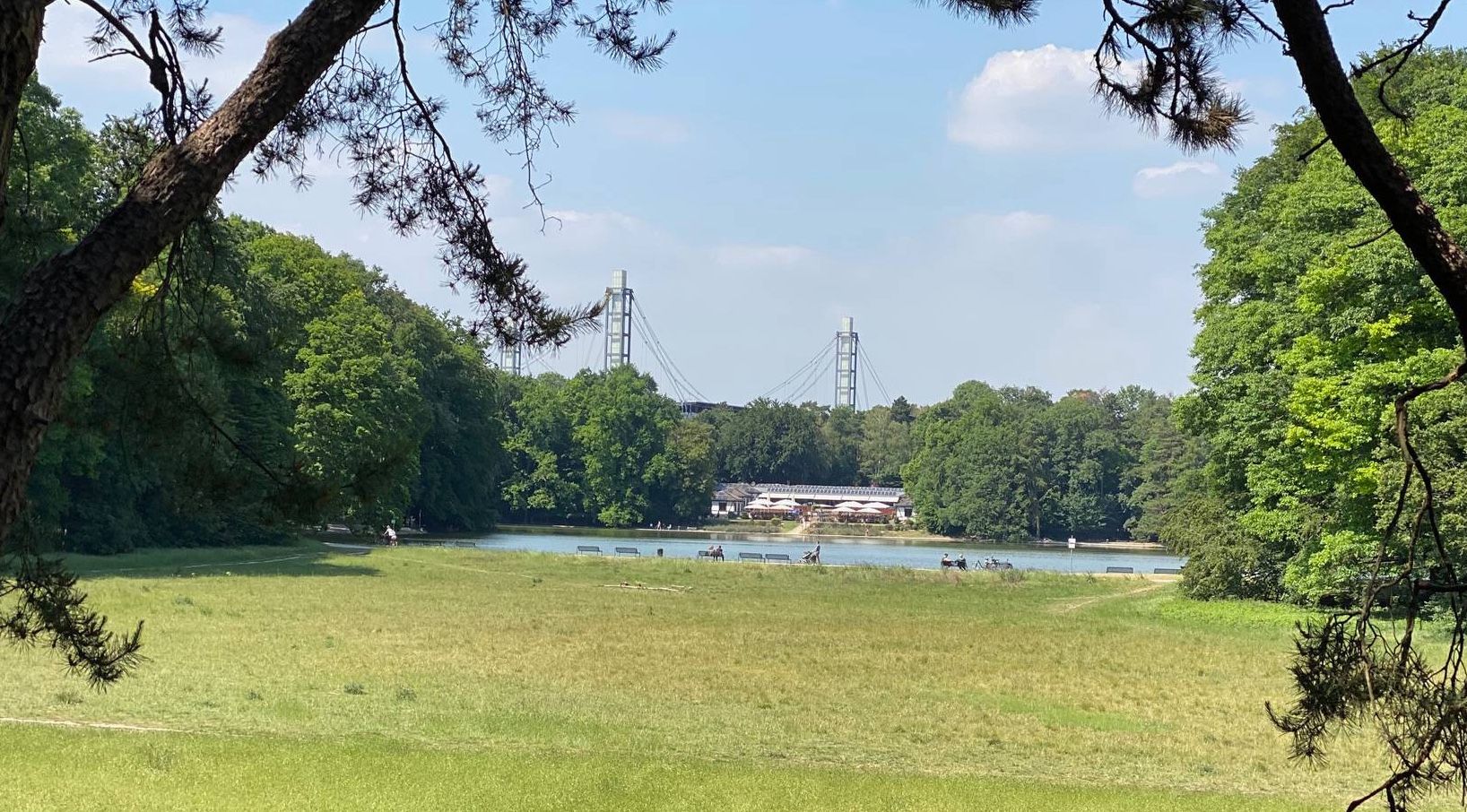
For natural beauty, explore the Naturschutzgebiet Lippeaue von Werne bis Heil, a nature reserve along the Lippe river. The City Park offers green spaces and an open-air stage. A significant nearby attraction is Horstmarer Lake Beach in Lünen, a 60-hectare park with an artificial lake and bathing beach.
Are there family-friendly attractions or activities in Werne?
Yes, several attractions are suitable for families. Nordkirchen Palace offers extensive grounds for exploration. Horstmarer Lake Beach is a great option with green areas and leisure activities. The Preussen Harbor, Lünen and the Mohr Crane provides an interesting historical and recreational spot. The "Now" sculpture on the Seseke is also a popular stop along cycle paths.
What outdoor activities and routes are available near Werne's attractions?
Werne is an excellent starting point for outdoor adventures. You can find numerous routes for both hiking and cycling. For easy hikes, explore options like the "View of the Railway Track – Werne City Forest loop" or the "Antonius Chapel Langern – View of Schloss Cappenberg loop." Cyclists can enjoy routes such as the ""Now" sculpture on the Seseke – Beversee Nature Reserve loop" or the "View of Nordkirchen Palace – Nordkirchen Palace loop." You can find more details on these and other routes in the easy hikes around Werne guide, the cycling around Werne guide, and the hiking around Werne guide.
Is there a place for swimming or water activities near Werne?
Yes, the Solebad Werne (Brine Bath Werne) offers a large water area with six-percent brine for relaxation. For outdoor swimming, the Horstmarer Lake Beach in Lünen provides an artificial lake with a designated bathing beach.
What cultural sites or museums can I visit in Werne?
The Stadtmuseum Werne (City Museum) offers insights into 1000 years of the town's history through exhibitions and its historical archive. The Roggenmarkt is a historical market square that is part of the scenic walking routes in Werne's old town. During summer months, the open-air stage in the city park hosts various performances.
What is the best time to visit Werne for outdoor activities?
The best time for outdoor activities in Werne is generally from May to September when the weather is mild and suitable for hiking, cycling, and enjoying the parks and lakes. The City Park's open-air stage also hosts performances during these months.
Are there any special events or seasonal activities in Werne?
Werne is famous for hosting Sim-Jü, the oldest open-air market in Westphalia. This vibrant event takes place every year on the fourth weekend in October, attracting thousands of visitors. The City Park also features an open-air stage with children's, family, and adult theater performances from May to August.
What significant attractions are located just outside Werne but still in the broader region?
Just outside Werne, but a must-see in the Münsterland region, is Nordkirchen Palace. Known as the "Westphalian Versailles," this baroque palace complex is the largest and most important Baroque residence in Westphalia. It's a popular destination for its architecture and extensive park.
What do visitors enjoy the most about Werne and its surroundings?
Visitors particularly appreciate the blend of historical charm and natural beauty. The historic old town with its alleys and market square is a highlight for many. The region's extensive network of cycling and hiking paths, often leading to attractions like Nordkirchen Palace or along the Lippe river, is also highly valued. The community has shared over 2800 photos and given more than 5000 upvotes to the attractions around Werne, highlighting their appeal.
Are there dog-friendly places or walks around Werne?
Many of the natural areas and outdoor routes around Werne are suitable for walks with dogs. The Naturschutzgebiet Lippeaue von Werne bis Heil and the various hiking trails mentioned in the hiking around Werne guide offer ample opportunities for dog-friendly excursions. Always remember to keep dogs on a leash where required and clean up after them.
How can I reach Werne's attractions using public transport?
Werne is connected by local public transport. While specific routes vary, the town center, where many historical sites like the Altes Rathaus and St. Christophorus Church are located, is generally accessible. For attractions further afield, such as Nordkirchen Palace or Horstmarer Lake Beach, regional bus services are often available, though checking local schedules is recommended for planning your journey.
Are there any wheelchair-accessible attractions in Werne?
While specific accessibility details for all historical buildings may vary, many outdoor areas and modern facilities are designed with accessibility in mind. The paths around the City Park and along the Lippe river in the nature reserve are generally flat and suitable for wheelchairs. Newer developments like Preussen Harbor, Lünen often feature accessible pathways. It's advisable to check with individual venues for specific accessibility information.
Most popular routes around Werne
Most popular attractions around Werne

Get inspired with the komoot mobile app


Explore more
Still not found the Highlight you’re looking for? See guides of the top attractions in other regions:
