Attractions and Places To See around Óbidos (Santa Maria) - Top 20
Best attractions and places to see around Óbidos (Santa Maria) include a variety of historical sites, cultural landmarks, and natural features. This charming medieval walled village in Portugal is known for its well-preserved architecture and picturesque setting. Visitors can explore ancient fortifications, significant churches, and a unique coastal lagoon. The area offers a blend of historical exploration and natural beauty.
Best attractions and places to see around Óbidos (Santa Maria)
- The most popular attractions is Óbidos – Town Gate, a historical site that serves as the main entrance to the village. It is known for its 17th-century blue and white azulejo tiles depicting biblical passages.
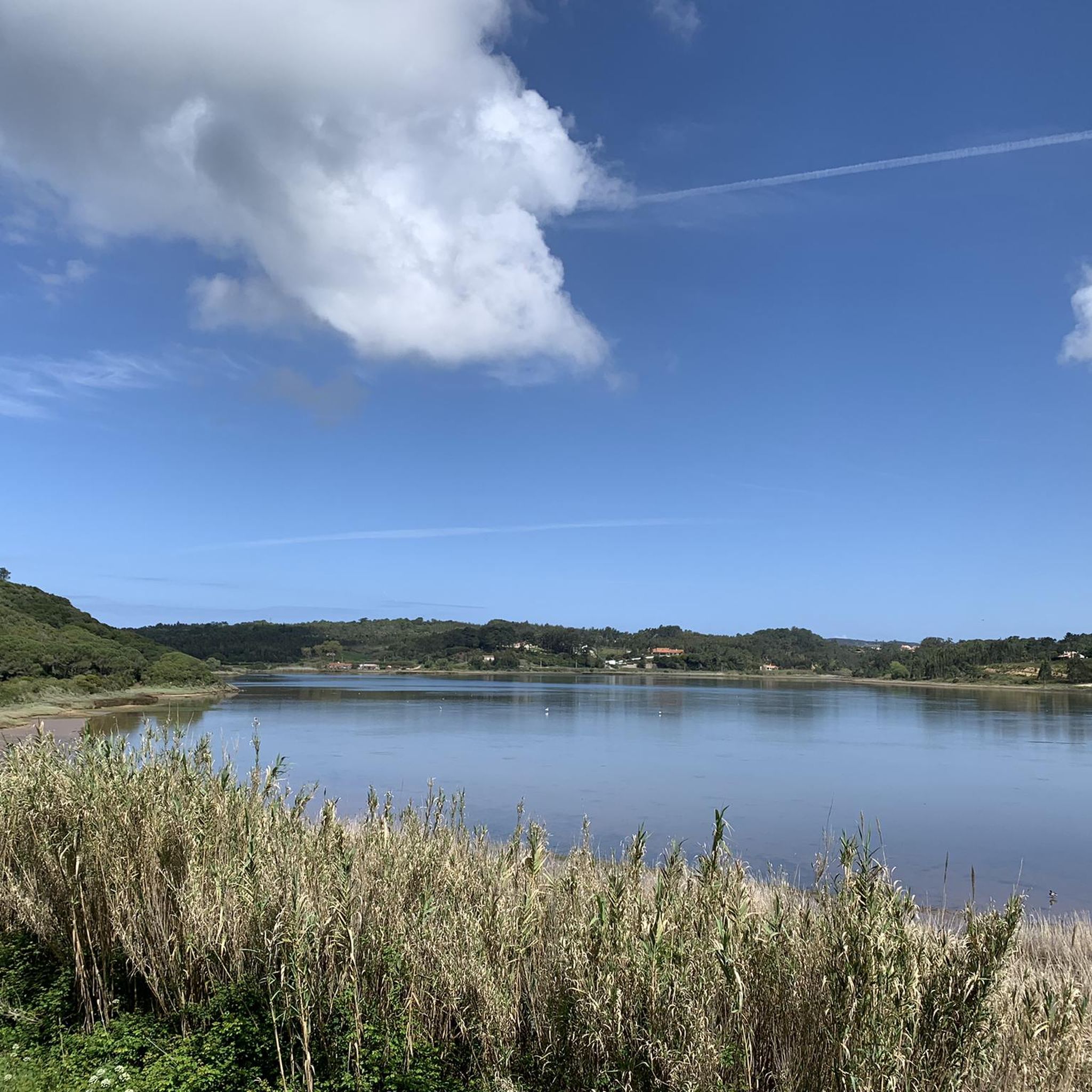
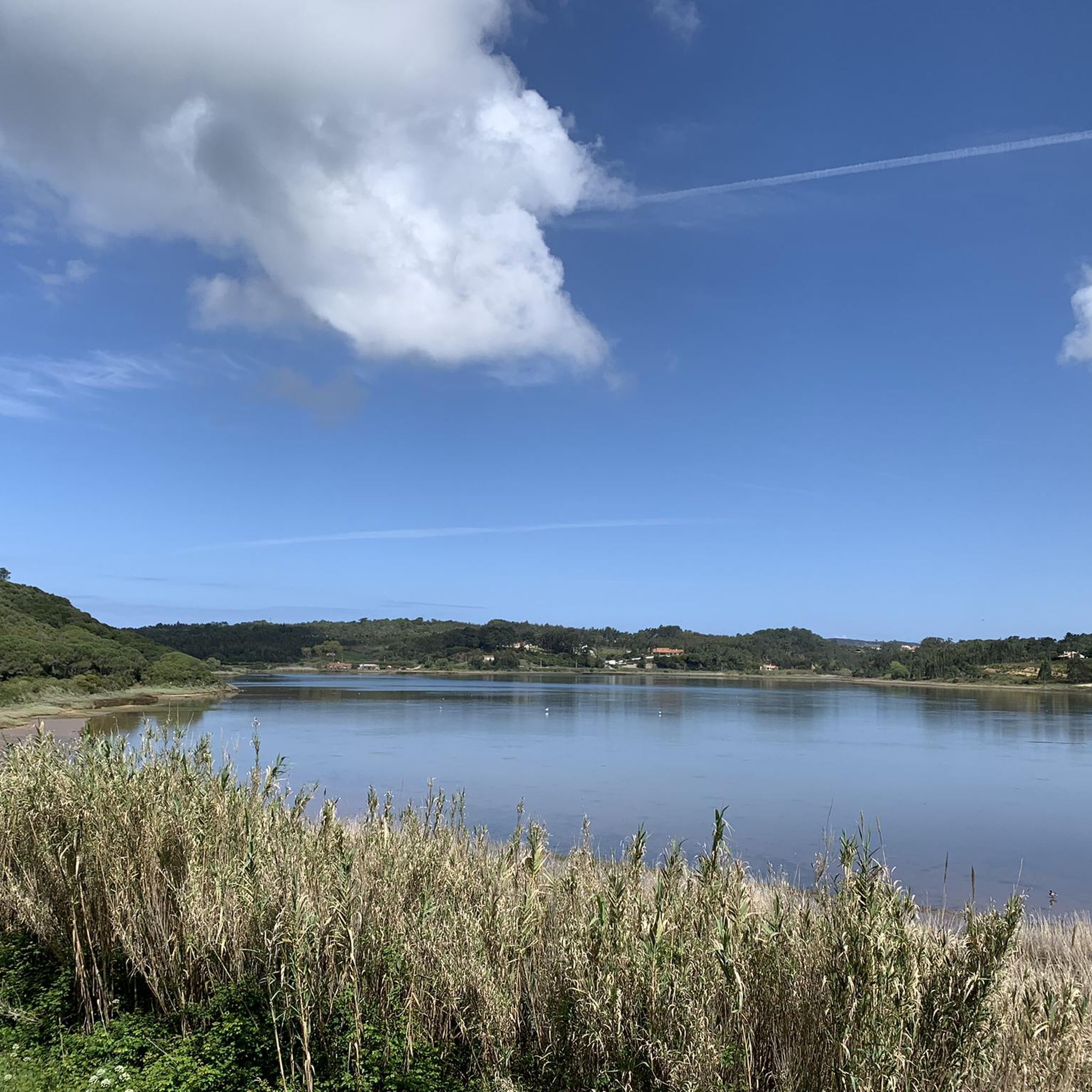
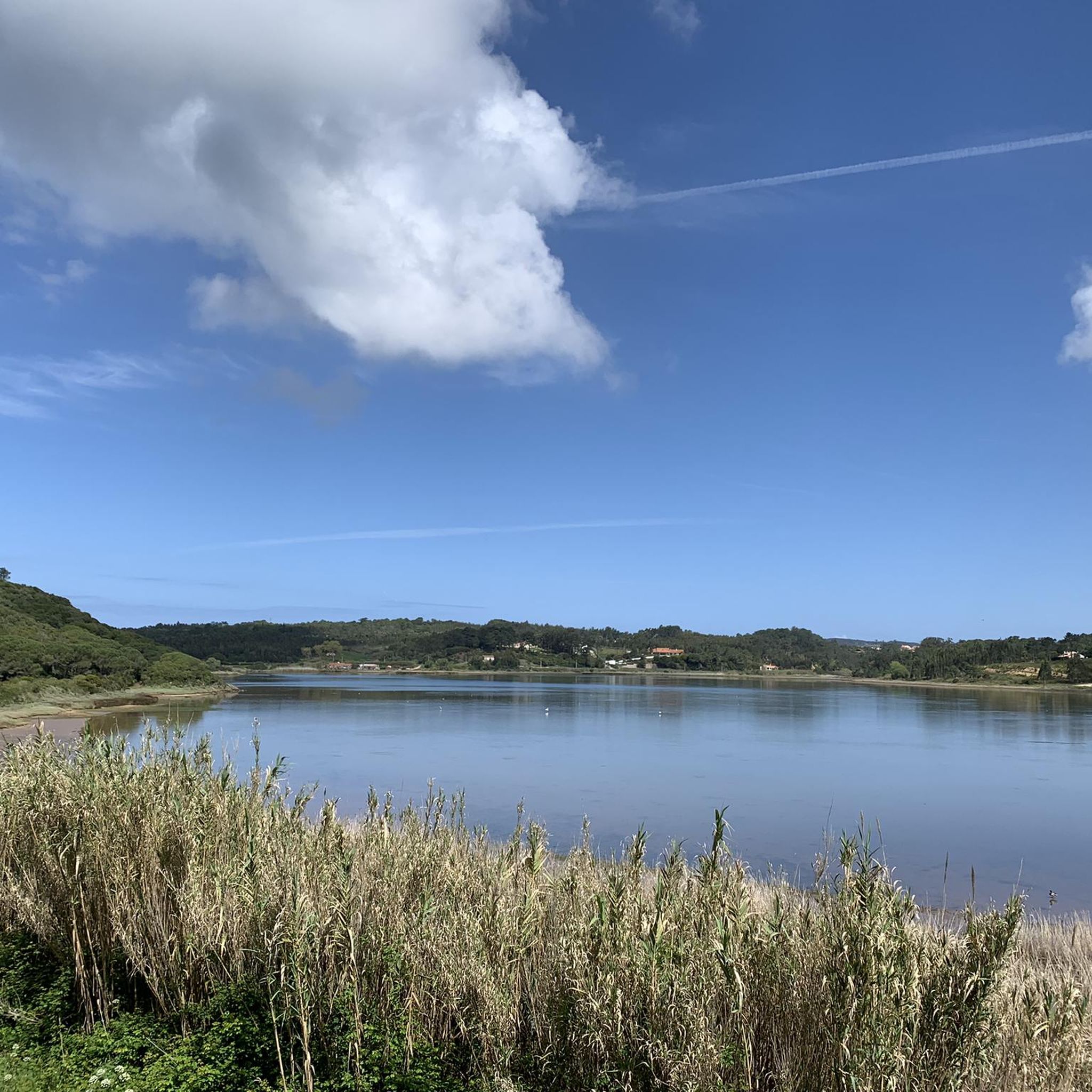
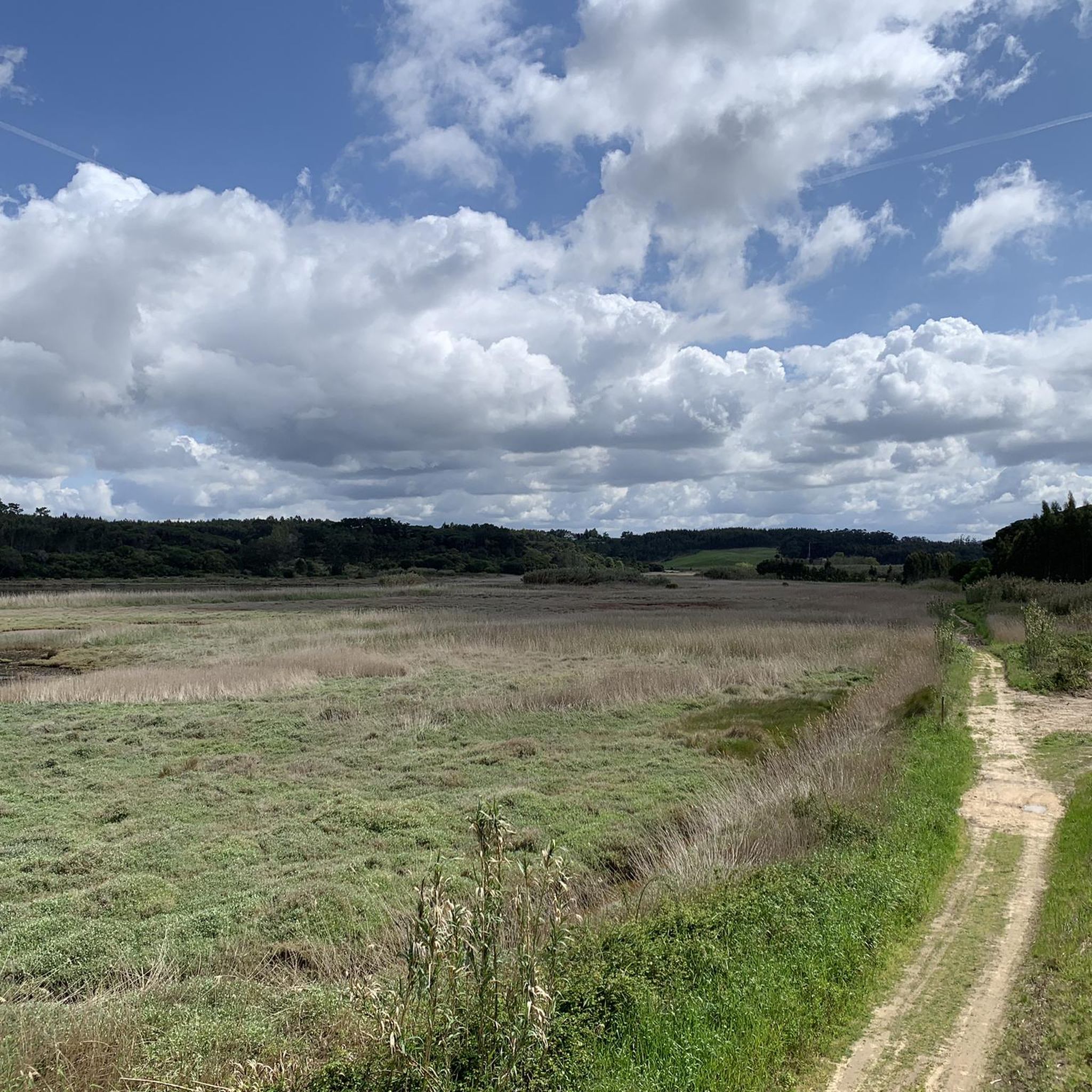
- Another must-see spot is Óbidos Lagoon, a large saltwater lagoon. It is an important wetland for bird diversity and offers opportunities for nautical activities.
- Visitors also love Óbidos Castle, a medieval castle. It offers views of the surrounding valleys and the village, and visitors can walk along its ramparts.
- Óbidos (Santa Maria) is known for its medieval architecture, historical sites, and natural landscapes. The region offers a variety of attractions to see and explore, from ancient walls to unique bookstores.
- The attractions around Óbidos (Santa Maria) are appreciated by the komoot community, with more than 160 upvotes and 70 photos shared across 18 highlights.
Last updated: July 15, 2026
Óbidos – Town Gate
Highlight • Historical Site
Translated by Google •
Tip by

Óbidos Castle
Highlight • Castle
But Óbidos offers much more than monuments. There's a literary town to discover, full of color, excitement, and traditions.
The main street in Óbidos leads from the town gate to the castle. The buildings we encounter preserve the identity of Óbidos, considered one of the best-preserved medieval towns in the world. The houses in the town of Óbidos are painted in various colors: yellow, blue, red, and gray.
(Source: tourism center of Portugal)
Translated by Google •
Tip by
Sign up now to discover places like this
Get recommendations on the best single tracks, peaks, & plenty of other exciting outdoor places.
Sign up for free
Óbidos Castle
Highlight • Castle
On December 11, 2015, UNESCO recognized Óbidos as a literary city, as part of the Creative Cities Network program.
(Source: Wikipedia)
Translated by Google •
Tip by
Óbidos Town Wall Walk
Highlight (Segment) • Monument
Translated by Google •
Tip by

Igreja de São Tiago Bookstore
Highlight • Religious Site
A very successful venture.
Translated by Google •
Tip by

Sign up for free to discover even more attractions around Óbidos (Santa Maria).
Sign up for free
Already have an account?
Start today with a free account
Your next adventure awaits.
Login or Signup


Tips from the Community

An entrance in the city wall, with some tile panels that I loved seeing.
6
0
Beautiful photos. Thank you 🙏
6
1

The city walls enclose the entire old town of Óbidos. You can walk around most of it on the battlements – except for a small section in the north. This provides fascinating views of the entire old town from various angles, as well as glimpses of the wider surroundings, and, of course, interesting views of the old walls themselves.
2
1

The Castelo de Óbidos is a medieval castle and symbolically towers over the town of Óbidos. The fortification is likely of Roman origin, but the region was settled even earlier, in prehistoric times. Its eventful history over the decades can be found here: https://www.burgen.de/burgen-und-schloesser/portugal/castelo-de-obidos/ In the 20th century, the Castelo de Óbidos was found completely in ruins. Starting in 1932, the castle underwent the first consolidation, reconstruction, and restoration work. It was restored to accommodate state guests – the first Portuguese state accommodation in a historic building. Therefore, the interior of the castle is unfortunately no longer open to visitors.
4
0
Built in 1186 by order of King D. Sancho I, it was struck by the earthquake of 1531 and destroyed by the earthquake of 1755. Preparations for the construction of the new church began in 1765 and was completed seven years later. In 1989, the church was transferred to the municipality of Obidos so that it could be adapted for cultural use. Today it houses a small, noteworthy bookstore.
1
0
The Porta da Vila is the city's main gate. It consists of two low, staggered gates to prevent a direct cavalry charge, as was often the case with Gothic Portuguese castles. Between the gates is a small balcony that served as a prayer room, with beautiful blue and white tiles (azulejos) from 1740 depicting the Passion of Christ. Street performers often play there because of the acoustics.
5
0

Built in the 12th century, the walls are among the best preserved in Portugal and offer a fascinating journey through time. The walls of Óbidos are approximately 1.5 km long.
2
2

The profanation and repurposing of a place of worship no longer used for liturgical celebrations is sometimes a delicate matter. This bookstore has clearly succeeded in both making the space commercially viable, while preserving its dignity. Nobel Prize winner Mario Vargas Llosa, who died this year, once said: "Literature educates people, stimulates the imagination, heightens sensitivity..."
2
0
Frequently Asked Questions
What historical sites should I visit in Óbidos (Santa Maria)?
Óbidos is rich in history. Key sites include the impressive Óbidos Castle, a medieval fortress offering panoramic views. Don't miss the Óbidos – Town Gate, known for its 17th-century azulejo tiles. The Igreja de Santa Maria, Óbidos' main church, is also a significant historical landmark with a rich past, including hosting a royal wedding.
Are there any natural attractions or features to explore near Óbidos (Santa Maria)?
Yes, the region offers beautiful natural features. The Óbidos Lagoon is Portugal's largest saltwater lagoon, important for bird diversity and offering nautical activities. You can also visit the Foz do Arelho viewpoint for spectacular views where the lagoon meets the Atlantic Ocean, or explore the ancient Penedo Furado Rock Arch, dating back to the Jurassic period.
Can I walk along the ancient walls of Óbidos?
Absolutely! Walking along the Óbidos Town Wall Walk is highly recommended. It offers unparalleled vistas of the village's red-tiled roofs and the picturesque countryside. The walk is approximately 1.5 kilometers and provides a unique perspective of the town, though good footing and a head for heights are essential as there are no railings on the inside.
What unique cultural experiences does Óbidos offer?
Óbidos is known for its unique cultural spots. The Igreja-Livraria de Santiago is a former church beautifully transformed into a bookstore, preserving its original architecture while offering a wide selection of books. You can also explore Rua Direita, the main cobblestone street, filled with shops selling local ceramics, embroideries, and the famous Ginja liqueur.
Are there family-friendly activities available in Óbidos (Santa Maria)?
Yes, Óbidos offers several family-friendly options. Exploring the charming walled village itself, including the Óbidos – Town Gate and the medieval streets, is enjoyable for all ages. The Óbidos Lagoon is also a great spot for families, offering calm waters suitable for various nautical activities and opportunities for birdwatching.
What kind of outdoor activities can I do around Óbidos (Santa Maria)?
The area around Óbidos (Santa Maria) is excellent for outdoor enthusiasts. You can enjoy hiking, gravel biking, and cycling. The Óbidos Lagoon is particularly popular for activities like kitesurfing, kayaking, and stand-up paddleboarding. For more detailed routes, explore the gravel biking or cycling guides for the region.
Are there specific hiking trails recommended near Óbidos (Santa Maria)?
Yes, there are several easy hiking trails. You can find routes like the "Óbidos Castle – Óbidos – Town Gate loop" or the "Óbidos Lagoon – Lagoa de Óbidos Gravel Trail loop." These trails offer a chance to explore the historical village and its natural surroundings. For more options, check out the easy hikes guide around Óbidos (Santa Maria).
Where can I experience local flavors in Óbidos?
To experience local flavors, you must try Ginja de Óbidos, a famous cherry liqueur often served in a chocolate cup. Many shops along Rua Direita offer tastings. The region also provides fresh seafood, especially from the Óbidos Lagoon, where local fishermen collect shellfish.
What is the significance of Igreja de Santa Maria?
The Igreja de Santa Maria is Óbidos' main church and holds significant historical and artistic importance. Originally a Visigothic temple, its current structure dates from the 15th and 16th centuries. It features beautiful 17th-century blue and white azulejo tiles, a painted wooden ceiling, and works by Josefa de Óbidos. Notably, it was the setting for the wedding of King Afonso V and Queen Isabel in the 15th century.
What is the best time of year to visit Óbidos (Santa Maria)?
Óbidos is charming year-round, but spring (April-May) and early autumn (September-October) generally offer pleasant weather for exploring the village and its outdoor attractions like the town walls and the lagoon. These periods avoid the peak summer heat and crowds, while still providing good conditions for walking and outdoor activities.
Are there any interesting viewpoints in the region?
Yes, the region boasts several scenic viewpoints. Walking along the Óbidos Town Wall Walk provides excellent panoramic views of the village and surrounding countryside. Additionally, the Foz do Arelho viewpoint offers spectacular vistas where the Óbidos Lagoon meets the Atlantic Ocean.
What is the Óbidos Aqueduct?
The Óbidos Aqueduct is an impressive 16th-century structure that stretches for 3 kilometers. It was historically crucial as it supplied water to the royal fountain in Praça de Santa Maria, demonstrating the advanced engineering of its time.
Most popular routes around Óbidos (Santa Maria)
Most popular attractions around Óbidos (Santa Maria)

Get inspired with the komoot mobile app


Explore more
Still not found the Highlight you’re looking for? See guides of the top attractions in other regions:
