The best road cycling routes around Chainça
4.5
(19)
530
riders
55
rides
Road cycling routes around Chainça offer a diverse range of terrain within the Leiria District of central Portugal. The region features a mix of mostly well-paved surfaces suitable for relaxed rides, alongside more challenging paths with significant elevation gains. Cyclists can expect varied landscapes, including natural parks and areas with historical sites. The terrain includes both gentle gradients and demanding climbs, catering to different fitness levels.
Best road cycling routes around Chainça
- The most popular road cycling route is Ponte…
Last updated: July 8, 2026
19
riders
65.4km
03:10
820m
820m
Moderate road ride. Good fitness required. Mostly well-paved surfaces and easy to ride.
13
riders
53.5km
02:49
910m
910m
Hard road ride. Very good fitness required. Mostly well-paved surfaces and easy to ride.

Sign up for free
5.0
(1)
9
riders
81.9km
03:54
1,010m
1,010m
Hard road ride. Very good fitness required. Some segments of this route may be unpaved and difficult to ride.
6
riders
34.9km
01:38
360m
360m
Moderate road ride. Good fitness required. Mostly well-paved surfaces and easy to ride.
6
riders
36.0km
01:46
500m
500m
Moderate road ride. Good fitness required. Mostly well-paved surfaces and easy to ride.
Get access to more routes and recommendations from other explorers.
Sign up for free
Already have an account?
Our route recommendations are based on thousands of hikes, rides, and runs completed by other people on komoot.
Start today with a free account
Your next adventure awaits.
Login or Signup


Tips from the Community

Definitely worth a visit. We visited another grotto during our stay, but this one was considerably larger and more impressive.
0
0

Symbolism: According to its authors, the monument symbolizes the Holy Trinity, with the obelisk divided into three columns that join at the top. The figures at the base represent pilgrims with their belongings, in an attitude of devotion. Inauguration: The work was inaugurated on October 27, 1990, and blessed by D. Serafim de Sousa Ferreira e Silva. Strategic Location: The roundabout serves as a main gateway to the city and directs visitors to the main roads leading to the Sanctuary of Fatima, such as Avenida D. José Alves Correia da Silva, Rua Jacinta Marto and Avenida Beato Nuno.
1
1
The monument in the image is the Pilgrim Monument, located at the Pilgrims' Roundabout (also known as the North Roundabout) in Fátima, Portugal. This is the first major monument that most pilgrims coming from the A1, Leiria and Batalha motorways see upon entering the city, visually marking their arrival at their destination of faith.
2
1

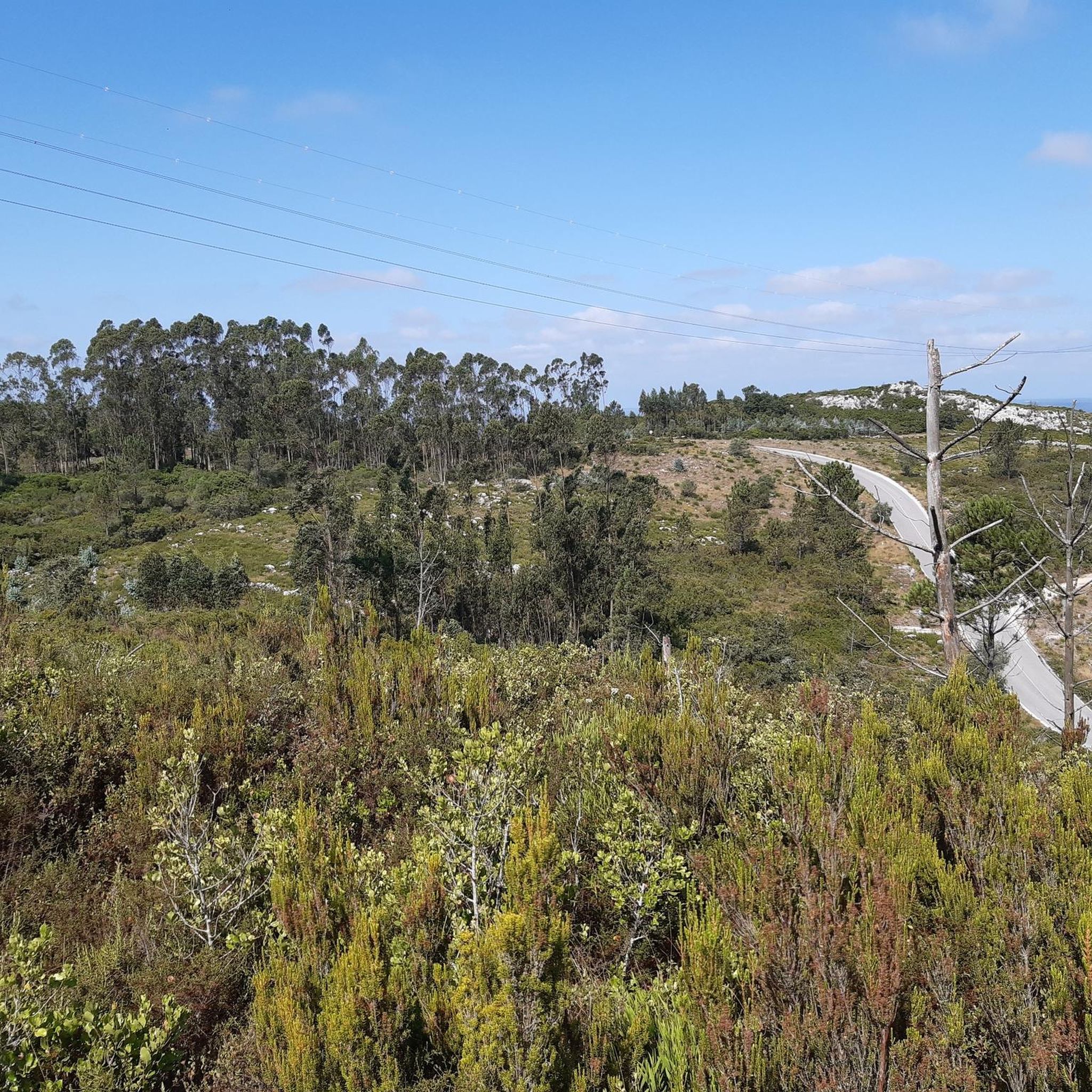
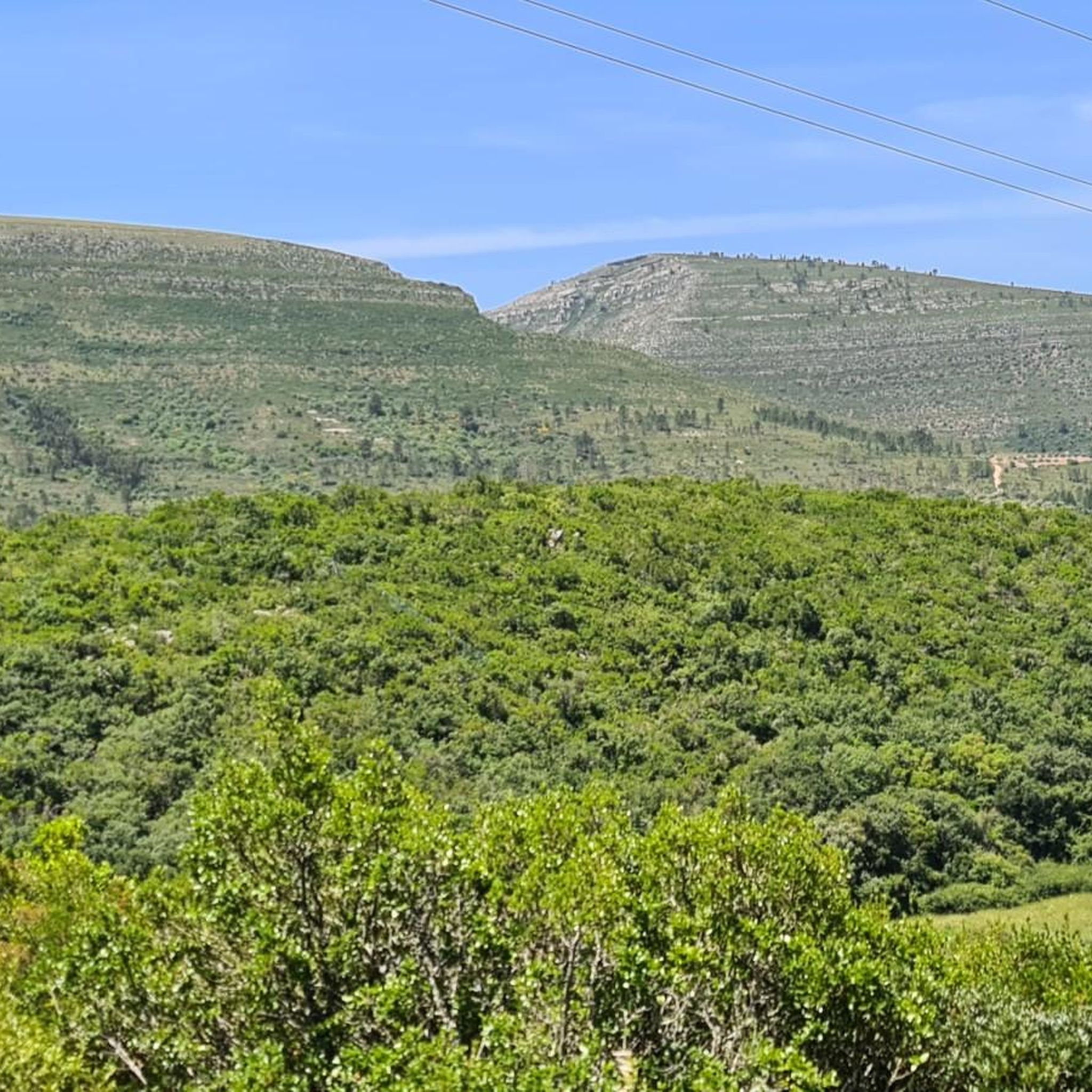
Gorgeous views! The climb to Alqueidão da Serra is tough for beginners.
1
0

The magnificent entrance portico of the Igreja de Santa Maria da Vitória is unique in the history of Portuguese art, a work by the Master Huguet (1402–1438). It features an elaborate iconographic ensemble comparable only to the great porticoes of European cathedrals: six apostles on each side, virgins, martyrs, popes, monks, angel figures, God, and the four evangelists...
1
0
After the revolution of 1383, Portugal found itself in a difficult conflict with the neighboring Kingdom of Castile. The battle was decided in 1385 when the Castilian and Portuguese armies clashed at the Battle of Aljubarrota. The Castilians outnumbered and were better armed. As a military leader, Nuno Álvares Pereira loyally stood by his patron, John of Avis. The Portuguese achieved a resounding victory, which is attributed in particular to the strategic genius of Nuno Álvares Pereira. With this victory, the Castilian claims to Portugal were permanently repelled. John of Avis was proclaimed king by the Cortes, as John I of Portugal, thus establishing the second Portuguese dynasty, the House of Avis. Nuno Álvares Pereira became a national hero, and the grateful king showered him with honors and material possessions.
2
0

The Praça da República and the Igreja Matriz de São João Baptista are the historical and cultural heart of Tomar, a city deeply linked to the history of the Knights Templar in Portugal. This square is the nerve center of Tomar, surrounded by historic buildings and offering a charming atmosphere.
7
2
The Church of Saint John the Baptist (Portuguese: Igreja de São João Baptista) was built between the 15th and 16th centuries by King Manuel I in the Manueline style. As its name suggests, the church is dedicated to Saint John the Baptist. The church features many interesting artistic details, such as the flamboyant Gothic portal, the Manueline tower with a 16th-century clock, the decorated capitals of the interior columns of the nave, and several panels painted in the 1530s by one of Portugal's most important Renaissance artists, Gregório Lopes.
3
2
Frequently Asked Questions
How many road cycling routes are available around Chainça?
The Chainça area, within the Leiria District, offers a wide selection of road cycling routes. There are over 70 routes available, catering to various skill levels.
What kind of terrain can I expect on road cycling routes near Chainça?
The region features diverse terrain, from mostly well-paved surfaces ideal for relaxed rides to more challenging paths with significant elevation gains. You'll encounter varied landscapes, including natural parks and areas with historical sites, offering both gentle gradients and demanding climbs.
Are there routes suitable for beginners or those seeking an easier ride?
Yes, Chainça offers several easier road cycling routes. While many are moderate, there are at least 3 routes classified as easy, perfect for a more relaxed experience. These routes typically feature less elevation gain and smoother surfaces.
What are some challenging road cycling routes for experienced riders?
For experienced cyclists seeking a challenge, routes like the Porto de Mós Castle – Grutas de Santo António loop from Fátima and the Aqueduto dos Pegões – Mata Nacional dos Sete Montes loop from São Mamede offer significant elevation changes and longer distances. The region has 13 routes classified as difficult.
Can I find circular road cycling routes in the Chainça area?
Yes, many of the road cycling routes around Chainça are designed as loops, allowing you to start and finish at the same point. Examples include the Ponte da Boitaca – 18 January Monument loop from São Mamede and the Hilltop loop from Fátima.
What natural and historical landmarks can I see while cycling around Chainça?
The routes often pass by significant cultural and natural attractions. You can cycle near the world-renowned Sanctuary of Fátima, including the Basilica of the Most Holy Trinity and the Chapel of the Apparitions. Other historical sites like Porto de Mós Castle are also accessible.
Are there any family-friendly road cycling options near Chainça?
While specific 'family-friendly' classifications for road cycling routes are less common due to varying skill levels, routes with lower difficulty grades and less elevation are generally more suitable. Look for easy or moderate routes with shorter distances if cycling with family, keeping in mind the varied terrain of the region.
What is the best time of year for road cycling in Chainça?
Central Portugal generally offers pleasant cycling conditions for much of the year. Spring and autumn are often ideal, with milder temperatures and less extreme weather. Summers can be hot, especially inland, while winters are typically mild but can bring more rain.
Is parking available for road cyclists in Chainça?
As Chainça is a village, parking is generally available, particularly in or near the starting points of many routes. Specific parking information for individual routes can often be found in the route descriptions on komoot.
Are there cafes or places to stop for refreshments along the routes?
Yes, many routes in the Leiria District pass through or near villages and towns where you can find cafes, restaurants, and local shops for refreshments. The region's proximity to Fátima also means there are ample amenities available.
What do other cyclists say about the road cycling experience in Chainça?
The road cycling routes around Chainça are highly rated by the komoot community, with an average score of 4.5 stars from over 10 reviews. More than 700 road cyclists have explored the varied terrain, often praising the diverse landscapes and the mix of challenging and relaxed rides.
What are some longer road cycling routes in the region?
For those looking for longer rides, the Aqueduto dos Pegões – Mata Nacional dos Sete Montes loop from São Mamede is a notable option, covering 50.9 miles (81.9 km). Other routes like the Ponte da Boitaca – 18 January Monument loop from São Mamede also offer substantial distances at nearly 40 miles (64 km).
Are there any specific permits required for road cycling in the Leiria District?
Generally, no specific permits are required for road cycling on public roads in the Leiria District or wider Portugal. However, if your route takes you through protected natural parks or private land, it's always advisable to check for any local regulations or access restrictions.
Most popular attractions around Chainça

Get inspired with the komoot mobile app


Explore more
Browse the best Road cycling routes in other regions.
