The best running trails around Aljubarrota
4.4
(15)
336
runners
26
runs
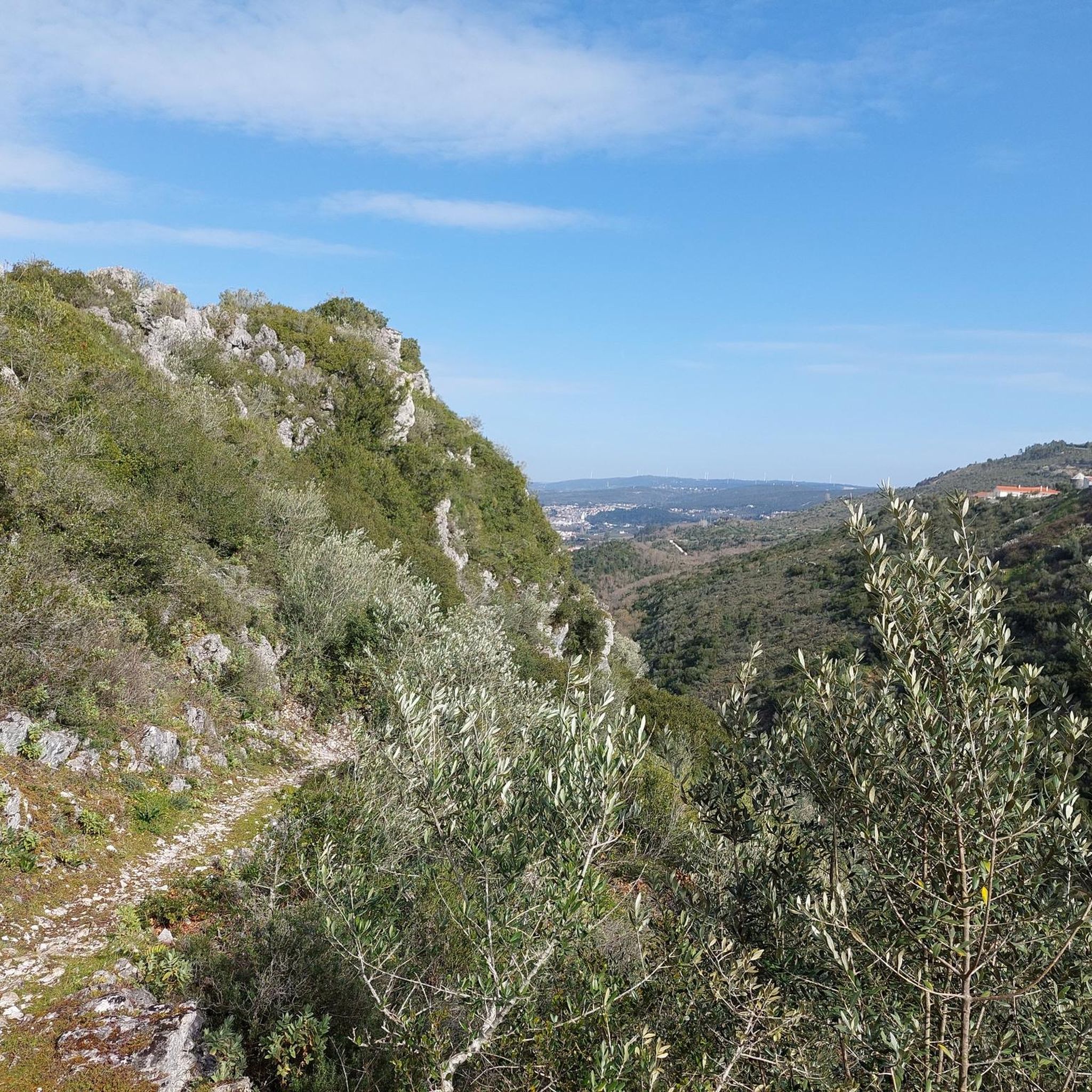
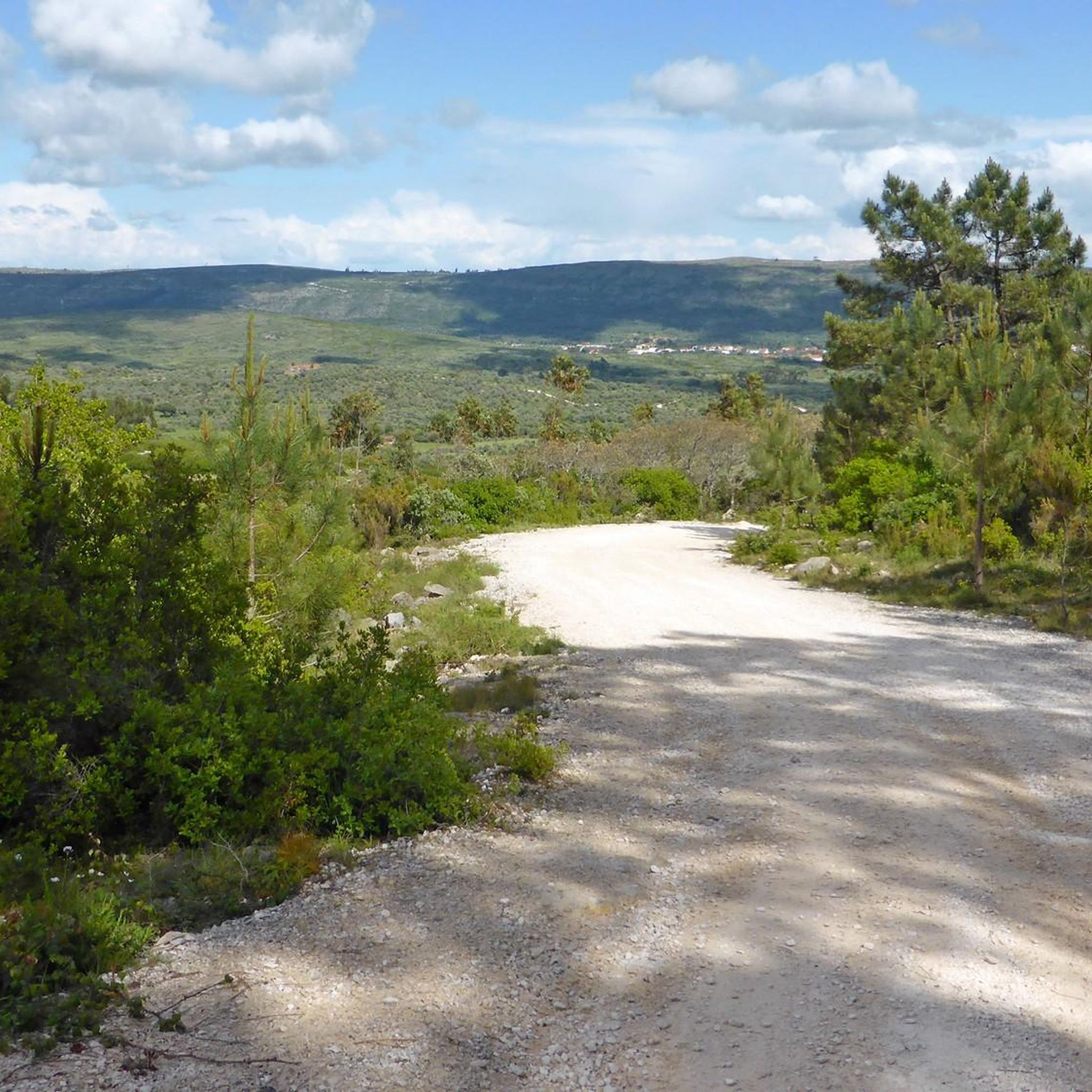
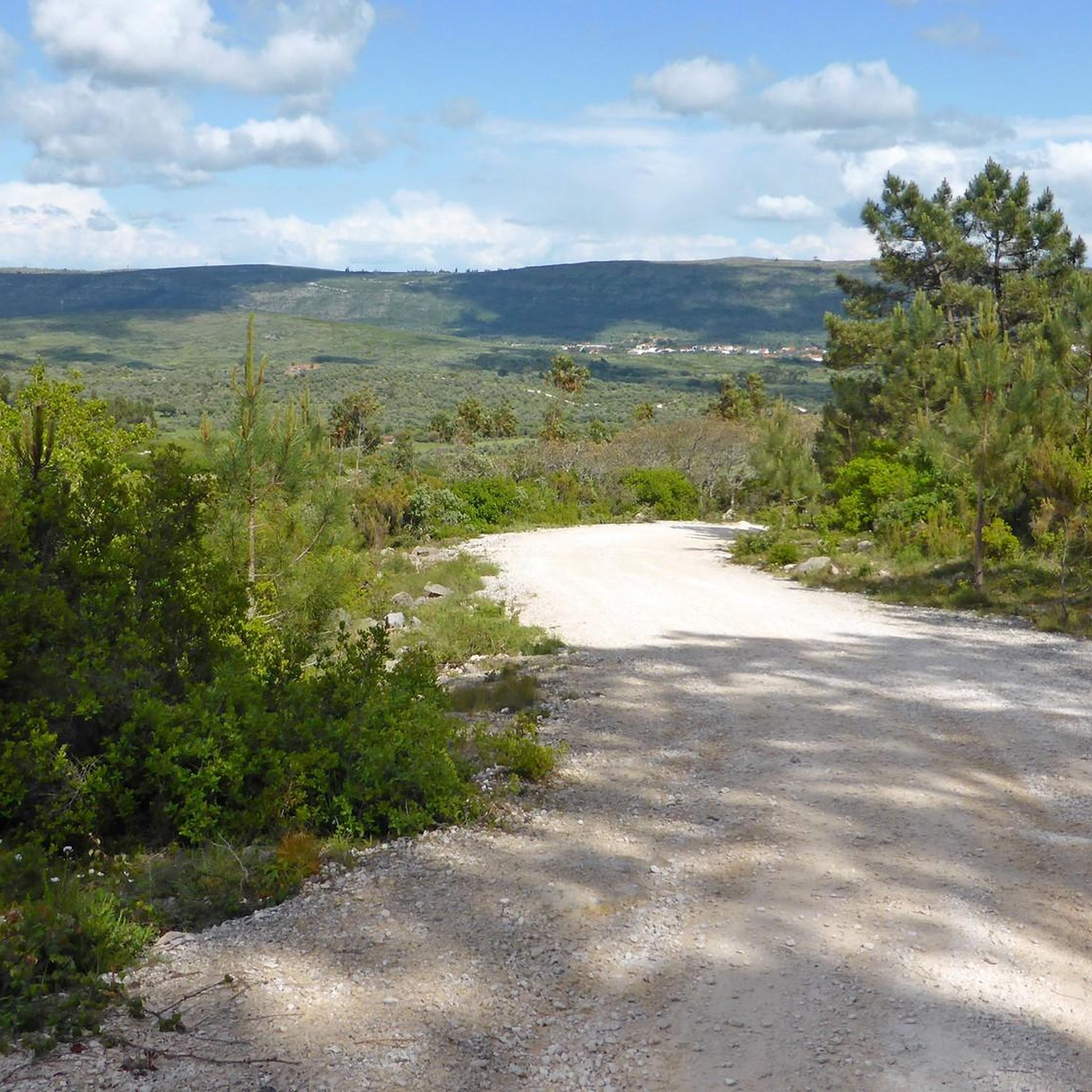
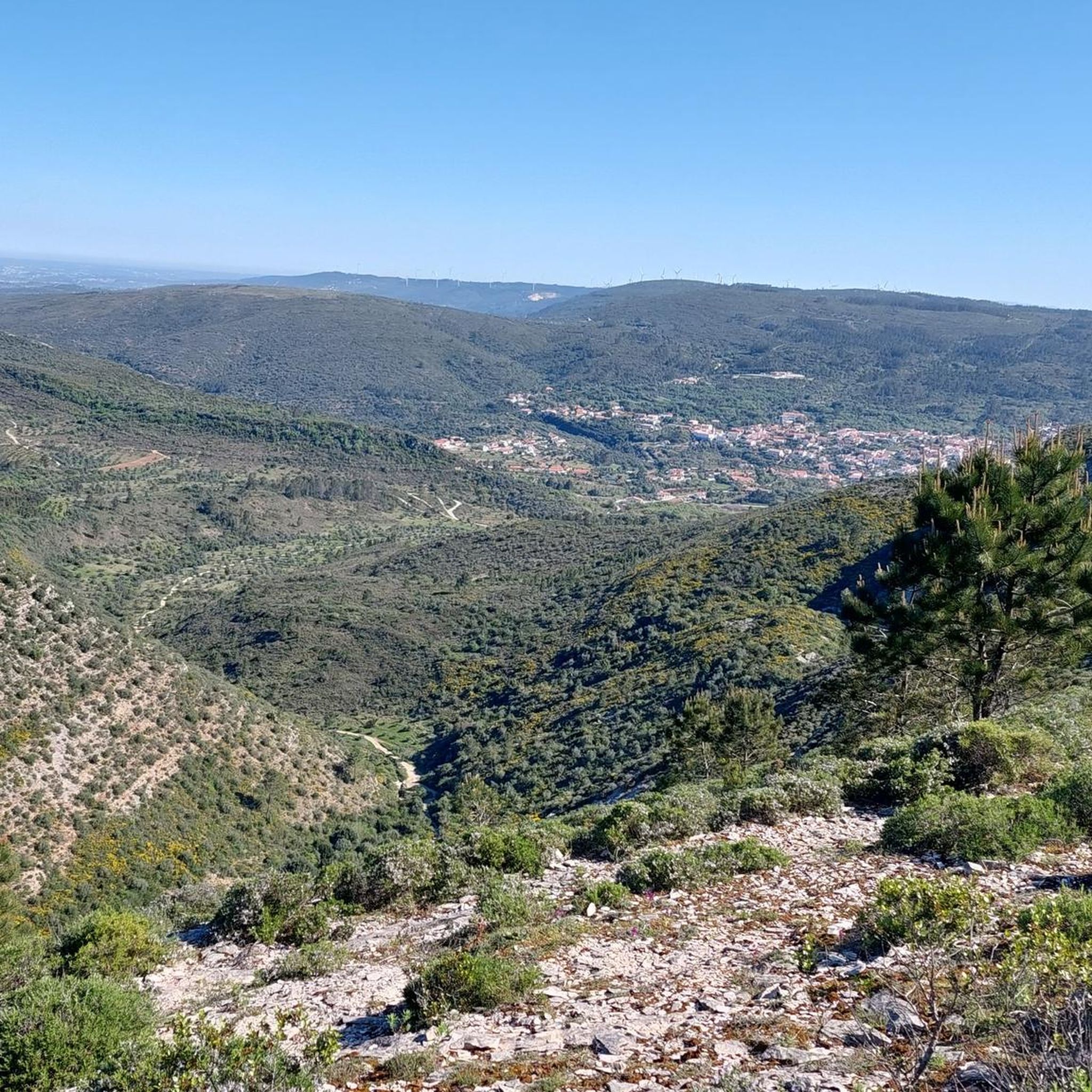
Jogging around Aljubarrota offers a diverse landscape characterized by plateaus and slopes covered in natural vegetation, including heather, shrubs, oak, pine, and birch trees. The region features established greenways and paths suitable for running, providing a mix of natural and historical scenery. Runners can explore varied terrain, from open areas to forested sections, often with views of significant landmarks. This combination creates a stimulating environment for outdoor activities.
Best jogging routes around Aljubarrota
- The most popular jogging route is Running…
Last updated: September 1, 2026
39
runners
19.2km
02:32
640m
640m
Hard run. Very good fitness required. Mostly paved surfaces. Suitable for all skill levels.
36
runners
10.7km
01:08
140m
140m
Moderate run. Good fitness required. Mostly paved surfaces. Suitable for all skill levels.

Sign up for free
5.0
(1)
6
runners
15.0km
01:52
410m
410m
Hard run. Very good fitness required. Mostly accessible paths. Some sure footedness required.
12
runners
21.6km
02:39
300m
300m
Hard run. Very good fitness required. Sure-footedness, sturdy shoes and alpine experience required.
6
runners
11.3km
01:40
450m
450m
Hard run. Very good fitness required. Sure-footedness, sturdy shoes and alpine experience required.
Get access to more routes and recommendations from other explorers.
Sign up for free
Already have an account?
Our route recommendations are based on thousands of hikes, rides, and runs completed by other people on komoot.
Start today with a free account
Your next adventure awaits.
Login or Signup
Tips from the Community

Careful: During these months of December and January, it is impossible to pass through because approximately 200 meters of the road is flooded at the beginning, for those coming from the Chiqueda side.
0
0

Gravel is very fun if you go with friends with some experience.
1
0

From the chapter house on the ground floor, a staircase leads up to the dormitory. This staircase was rediscovered during renovations beginning in 1930. Located on the first floor, the dormitory extends 66.5 meters in length and 21.5 to 17.5 meters in width along the entire east side of the medieval part of the abbey, thus covering an area of almost 1,300 square meters. In its current form, restored through renovation, it presents itself in its original medieval state. At the southern end, the dormitory opens with a large round-arched doorway to the northern transept of the church. A staircase formerly led down from there, as the Cistercian rule required two separate entrances to the communal sleeping quarters. At the northern end of the dormitory were the latrines, which—again according to a general rule of the order—had to be separated from the sleeping quarters by a separate room. The wastewater flowed into the abbey's garden on the north side. The monks slept together in the dormitory, fully clothed, separated from their neighbors only by a movable partition. The abbot alone had his own cell, located on the south side facing the church. This arrangement is typical of most Cistercian monasteries of this period. A narrow door in the center of the western side leads to a narrow spiral staircase, which today provides access to the kitchen, but in the Middle Ages led to the calefactory (warming room, see below). This staircase also provided access to the upper cloister. https://de.wikipedia.org/wiki/Kloster_Alcoba%C3%A7a
2
0
The entrance to the chapter house features a particularly striking facade with staggered columns. The chapter house served as the meeting place for the monks and was, after the church, the most important room in the monastery. It bears this name because the chapters of the Rule of St. Benedict were read aloud there daily. Elections and similar communal ceremonies of the monks also took place there. In the entrance area to the chapter house is the gravestone of an abbot whose identity is no longer known. The floor of the chapter house was formerly completely covered with such gravestones, as a Cistercian rule from 1180 stipulated that abbots had to be buried in the chapter house, meaning that the monks made their decisions on the graves of their deceased abbots. This type of burial was a significant exception to the general Cistercian rule, which forbade the burial of monks within the monastery. That's why you'll find a door leading south in the southern transept called the Porta da Morte (Door of Death), because deceased monks were carried out through it for burial. https://de.wikipedia.org/wiki/Kloster_Alcoba%C3%A7a
1
0
To the west of the new kitchen lies the refectory, the dining hall for the monks, a three-aisled hall measuring approximately 620 square meters (29 x 21.5 meters). Above its entrance, in medieval Latin, is the difficult-to-interpret inscription: "respicte quia peccata populi comeditis," meaning: "Remember that you are eating the sins of the people." The room impresses with its beautiful proportions. It has windows facing north and east, overlooking the new kitchen. On the west side, a stone staircase leads to the pulpit of the lector, who read from monastic texts during meals. The monks sat facing the walls and ate their meals in silence. The abbot sat with his back to the north wall, observing the proceedings. At the southern end of the west side, the refectory opens into the former medieval kitchen, now a side room leading to the cloister of the Cathedral of Afonso VI. A few meters further along, another opening can be found in the same wall, two meters high and 32 cm wide. It leads to the aforementioned side room, and there is no scientifically sound explanation for it. A long-standing legend claims that this opening served to monitor the monks' weight. They were supposed to pass through this door once a month, which is only possible by leaning sideways. If they were too heavy, they were put on a diet. The damage caused by the conversion of the refectory into a theater in 1840 (with 301 seats, 120 of which were in the galleries, and 5 boxes) was largely repaired during the restoration. https://de.wikipedia.org/wiki/Kloster_Alcoba%C3%A7a
1
0
The exact date of the monastery kitchen's reconstruction is disputed, despite a date of 1712 inscribed within the kitchen. However, it is assumed that the new kitchen was completed before the construction of King Afonso VI's cloister, thus likely towards the end of the 17th century. In the center of the kitchen, a chimney was built over a base of approximately 3 x 8 meters and reached a height of about 25 meters. Two flanking chimneys of the same height flanked the kitchen, forming the highest point in the monastery's roofscape after the church and its nave. Such structures existed in Portugal only at the Convent of Christ in Tomar and the Royal National Palace in Sintra. The hearth of the main chimney is recessed to hold the embers, so that these facilities—after centuries of abstaining from meat—were now suitable for grilling and roasting whole cattle. A ditch of the levada, the artificial side channel of the Alcoa River, flows beneath the kitchen floor. On the west side of the kitchen are seven large stone basins, each with two spouts depicting mythical faces or grotesque masks. Water flowed into these tub-sized basins, fed by a channel running inside the wall. In 1762, the kitchen received its current tiles, which cover both the walls and ceiling. https://de.wikipedia.org/wiki/Kloster_Alcoba%C3%A7a
2
0
Impressive work in an unexpected place. https://www.fatcap.com/article/pantonios-art-merges-with-water-in-new-creation-do-rio
0
0
The first cloister was probably completed around 1240, along with the church, but it may have collapsed. It was replaced around 1308–1311 by the present-day Claustro de Dom Dinis, also known as the Claustro de Silencio (Cloister of Silence, because speaking was forbidden there). It has a circumference of 203 meters and an average height of 5 meters on the ground floor. At the beginning of the 16th century, a second story was added to the cloister by order of King Manuel I (1469–1521), giving it two levels. Access to the upper level of the cloister is via a spiral staircase in the northeast corner, which also connects the kitchen to the dormitory. https://de.wikipedia.org/wiki/Kloster_Alcoba%C3%A7a
2
0
Frequently Asked Questions
How many running routes are available around Aljubarrota?
There are over 25 running routes around Aljubarrota, offering a variety of experiences for different skill levels. The komoot community has explored these trails over 300 times, highlighting the region's appeal for outdoor activities.
What kind of terrain can I expect on the jogging routes in Aljubarrota?
The jogging routes in Aljubarrota feature diverse terrain, from open plateaus with natural vegetation like heather and shrubs to forested slopes covered in oak, pine, and birch trees. You'll find a mix of established greenways and paths, providing varied natural landscapes for your run.
What historical landmarks or points of interest can I see while jogging in Aljubarrota?
Many routes offer glimpses of the region's rich history. You might pass by the magnificent Alcobaça Monastery, a UNESCO World Heritage site. Other notable points include the Memory Arch, which offers panoramic views, and the historical site of the Battle of Aljubarrota. For example, the Alcobaça Monastery loop from Alcobaça provides direct views of this iconic structure.
Are there any routes with significant viewpoints or scenic outlooks?
Yes, the region offers several scenic spots. The Memory Arch, situated on the southwest hillside of Cabeço Gordo, provides a rewarding 360-degree vista of the coast and surrounding landscape. Additionally, Mount Saint Bartholomew is another excellent viewpoint in the area.
Are there any waterfalls along the running routes near Aljubarrota?
Yes, for those who enjoy natural features, the Fórnea Waterfall is a notable natural monument in the vicinity of Aljubarrota. While not directly on every running route, it's a beautiful spot to explore nearby.
What is the difficulty level of the running routes in Aljubarrota?
The running routes around Aljubarrota cater to various fitness levels, though most are classified as moderate to difficult. There are 18 moderate routes and 8 difficult routes, often featuring varied terrain and elevation changes. For instance, the Running loop from Alcobaça is considered difficult with significant climbs through forested areas.
Are there circular running routes available in Aljubarrota?
Yes, many of the running routes in Aljubarrota are circular, allowing you to start and finish at the same point. Examples include the popular Running loop from Alcobaça and the Alcobaça Monastery loop from Alcobaça, both offering convenient circular paths.
What do other runners say about the routes in Aljubarrota?
The running routes in Aljubarrota are highly rated by the komoot community, with an average score of 4.3 stars from over 10 reviews. Runners often praise the diverse landscapes, the blend of natural beauty with historical sites, and the well-maintained paths that make for an engaging outdoor experience.
When is the best time of year to go jogging in Aljubarrota?
Portugal generally offers a good climate for outdoor activities like jogging. The region's diverse landscapes make it enjoyable across seasons, but spring and autumn often provide the most comfortable temperatures for longer runs. Summer can be warm, so early mornings or late afternoons are preferable.
Are there options for beginner runners in Aljubarrota?
While many routes are moderate to difficult, the established greenways and walking paths around Aljubarrota can be adapted for beginner runners. Look for routes with less elevation gain and shorter distances to ease into the region's running scene. Always check the route details for specific difficulty ratings.
Is it possible to access running trails in Aljubarrota using public transport?
Aljubarrota is a village in central Portugal, and while local tourist offices provide maps for walking routes, direct public transport access to every trailhead might be limited. It's advisable to check local bus schedules or consider a short taxi ride from central Aljubarrota to reach specific starting points if you're relying on public transport.
Where can I find parking for the running trails in Aljubarrota?
Parking availability can vary by trailhead. For routes starting near towns or villages like Alcobaça or Lagoa Pequena, you can often find public parking areas. It's recommended to check the specific route details on komoot for information on parking near the starting points of individual trails.
Most popular attractions around Aljubarrota

Get inspired with the komoot mobile app


Explore more
Browse the best Running Trails & Routes in other regions.
