Attractions and Places To See around Alcobaça - Top 20
Best attractions and places to see around Alcobaça, a city in Central Portugal, offer a rich blend of historical, cultural, and natural experiences. The town is situated at the confluence of the Alcoa and Baça rivers, providing a unique geographical setting. Visitors can explore significant historical sites, including a UNESCO World Heritage Monastery, alongside diverse natural landscapes and nearby coastal areas. The region provides a variety of attractions for those interested in history, nature, and local culture.
Best attractions and places to see around Alcobaça
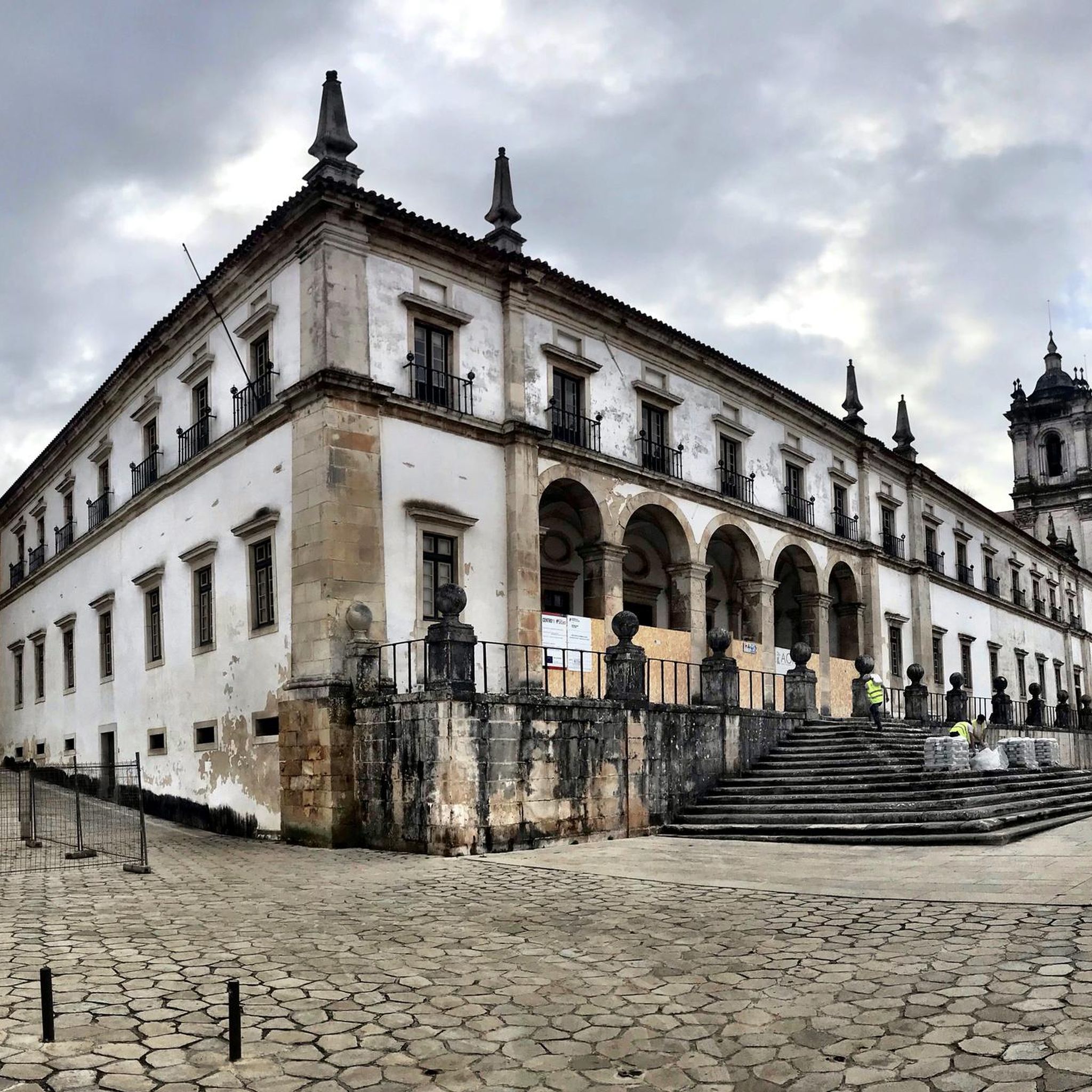
- The most popular attractions is Alcobaça Monastery, a religious building that is a UNESCO World Heritage Site. Established in 1153, it is recognized for its Cistercian Gothic architecture and historical significance.
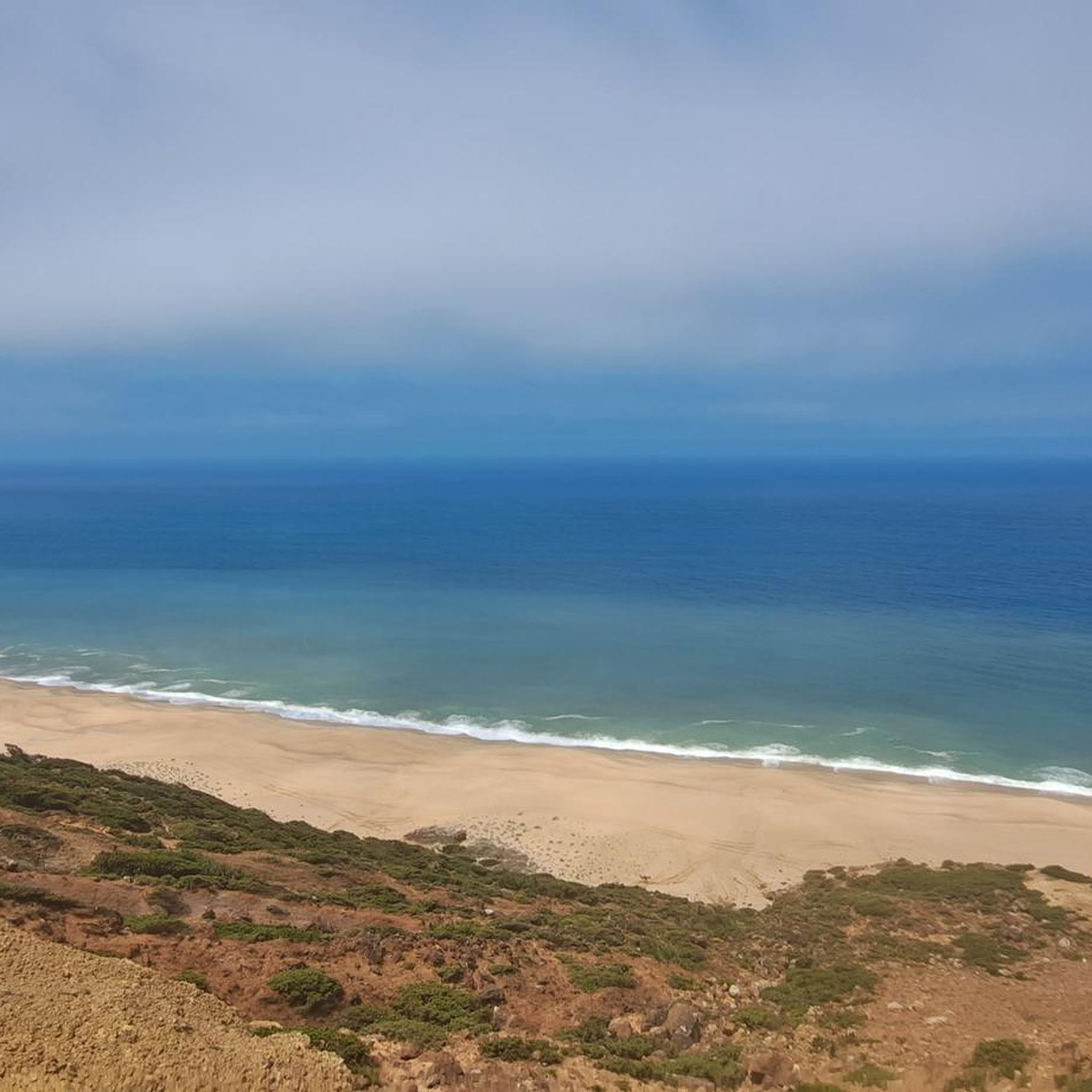
- Another must-see spot is Vado Statue by Adália Alberto, a man-made monument. This 6-meter high, 10-ton statue offers a wonderful view of the sea and is a reminder of a Nazare legend.
- Visitors also love Sanctuary of Our Lady of Nazaré, a religious building. This site holds great religious and historical importance, intimately linked to a legend about the Virgin Mary.
- Alcobaça is known for its historical sites, natural features like rivers and beaches, and cultural attractions such as museums and local markets. The area offers a wide range of experiences, from exploring ancient monasteries to enjoying coastal views and local gastronomy.
- The attractions around Alcobaça are appreciated by the komoot community, with 80 upvotes and 53 photos shared by visitors.
Last updated: August 26, 2026
Vado Statue by Adália Alberto
Highlight • Monument
Translated by Google •
Tip by

Alcobaça Monastery
Highlight • Religious Site
Tip by

Sign up now to discover places like this
Get recommendations on the best single tracks, peaks, & plenty of other exciting outdoor places.
Sign up for free
Sanctuary of Our Lady of Nazaré
Highlight • Religious Site
Translated by Google •
Tip by

Ferris Wheel at Sítio da Nazaré
Highlight • Structure
As a token of gratitude for the grace he had received, D. Fuas Roupinho ordered the construction of a small chapel here - the Ermida da Memória. A short distance away, the Sanctuary was built in the 18th century, where grand festivals are held in September.
(Source: centerofportugal.com)
Translated by Google •
Tip by

Sanctuary of Our Lady of Nazaré
Highlight • Religious Site
Translated by Google •
Tip by

Sign up for free to discover even more attractions around Alcobaça.
Sign up for free
Already have an account?
Start today with a free account
Your next adventure awaits.
Login or Signup

Tips from the Community

A large and very beautiful religious monument
0
0

Opening Hours: The sanctuary is open every day, generally from 9 am to 6 pm. It is a place of worship, therefore masses are also held regularly. Price: Entry to the sanctuary is free. Accessibility: It has wheelchair accessible parking. How to Get There: Access to the site can be made by car or by the Nazaré Elevator (funicular), which connects the beach to the upper part of the city and provides a scenic route.
2
0
The Legend: The story of the image is told through the paintings in the church and sacristy, which allude to the miracle that occurred near the cliff. Location: The sanctuary is next to the famous Miradouro do Sítio da Nazaré (or Suberco), which offers a fantastic view of the beach and the village of Nazaré.
2
0
Architecture and History: The church was built on the site where, according to legend, the Virgin Mary saved the knight D. Fuas Roupinho from falling off the cliff. The facade has inscriptions in Latin, including "Deiparae Virgini a Nazareth" ("Virgin of Nazareth, Mother of God"). The interior houses the Sacred Image of the Black Virgin, carved in wood and which, according to tradition, was brought to the site in the year 711.
2
0
The Sanctuary of Our Lady of Nazaré is located in Sítio da Nazaré, the upper part of the town of Nazaré, in Portugal. It is a place of great religious and historical importance, intimately linked to the legend that gave rise to the devotion to Our Lady of Nazaré.
2
0

From the chapter house on the ground floor, a staircase leads up to the dormitory. This staircase was rediscovered during renovations beginning in 1930. Located on the first floor, the dormitory extends 66.5 meters in length and 21.5 to 17.5 meters in width along the entire east side of the medieval part of the abbey, thus covering an area of almost 1,300 square meters. In its current form, restored through renovation, it presents itself in its original medieval state. At the southern end, the dormitory opens with a large round-arched doorway to the northern transept of the church. A staircase formerly led down from there, as the Cistercian rule required two separate entrances to the communal sleeping quarters. At the northern end of the dormitory were the latrines, which—again according to a general rule of the order—had to be separated from the sleeping quarters by a separate room. The wastewater flowed into the abbey's garden on the north side. The monks slept together in the dormitory, fully clothed, separated from their neighbors only by a movable partition. The abbot alone had his own cell, located on the south side facing the church. This arrangement is typical of most Cistercian monasteries of this period. A narrow door in the center of the western side leads to a narrow spiral staircase, which today provides access to the kitchen, but in the Middle Ages led to the calefactory (warming room, see below). This staircase also provided access to the upper cloister. https://de.wikipedia.org/wiki/Kloster_Alcoba%C3%A7a
2
0
The entrance to the chapter house features a particularly striking facade with staggered columns. The chapter house served as the meeting place for the monks and was, after the church, the most important room in the monastery. It bears this name because the chapters of the Rule of St. Benedict were read aloud there daily. Elections and similar communal ceremonies of the monks also took place there. In the entrance area to the chapter house is the gravestone of an abbot whose identity is no longer known. The floor of the chapter house was formerly completely covered with such gravestones, as a Cistercian rule from 1180 stipulated that abbots had to be buried in the chapter house, meaning that the monks made their decisions on the graves of their deceased abbots. This type of burial was a significant exception to the general Cistercian rule, which forbade the burial of monks within the monastery. That's why you'll find a door leading south in the southern transept called the Porta da Morte (Door of Death), because deceased monks were carried out through it for burial. https://de.wikipedia.org/wiki/Kloster_Alcoba%C3%A7a
1
0
Frequently Asked Questions
What historical sites can I visit in Alcobaça beyond the main monastery?
While the Alcobaça Monastery is a highlight, you can also explore the ruins of Alcobaça Castle, which offers panoramic views from its hilltop perch. Another significant historical site is the Monastery of Santa Maria de Cós, a large Cistercian nunnery known for its Baroque artistry. In Nazaré, the Sanctuary of Our Lady of Nazaré and the historical Memory Arch also offer deep historical insights.
Are there family-friendly attractions in the Alcobaça region?
Yes, the Alcobaça region offers several family-friendly options. The Baía de São Martinho do Porto is a calm, shell-shaped bay ideal for families with children. Paredes da Vitória beach is also peaceful and has amenities like picnic areas. For a more active day, Parque dos Monges provides a medieval-themed experience with activities like canoeing, archery, and animal enclosures. The Ferris Wheel at Sítio da Nazaré can also be a fun stop for families.
What natural features and outdoor activities are available near Alcobaça?
Alcobaça is situated at the confluence of the Alcoa and Baça rivers, which you can enjoy in the Jardim do Amor. The wider municipality offers beautiful coastal areas, including the family-friendly Baía de São Martinho do Porto and Paredes da Vitória beaches. Salir do Porto features a large sand dune for unique views. For hiking, you can find various trails, including easy routes like the Cistercian Arch – Alcobaça Monastery loop. The nearby Parque Natural das Serras de Aire e Candeeiros is excellent for exploring limestone landscapes and caves.
Where can I find good hiking trails around Alcobaça?
There are several hiking opportunities around Alcobaça. For moderate walks, consider the Alcobaça Town Hall – Alcobaça Castle loop or the Alcobaça Town Hall – Alcobaça Love Garden loop. If you prefer an easier stroll, the Cistercian Arch – Alcobaça Monastery loop is a good option. You can find more detailed routes and guides for hiking in the area on komoot.
What cultural experiences can I have in Alcobaça?
Alcobaça offers a rich cultural scene. You can visit the Museu do Vinho de Alcobaça, housed in a former winery, to learn about Portuguese viticulture. The town also features modern ceramic art along the Alcoa River depicting the Pedro and Inês legend, and vibrant street art, particularly along the River Baça. Don't miss the local markets for traditional sweets and distinctive Alcobaça ceramics.
What is the best time to visit Alcobaça attractions?
Alcobaça can be enjoyed year-round. Spring (April-May) and autumn (September-October) offer pleasant weather for exploring historical sites and outdoor activities without the peak summer crowds. Summer (June-August) is ideal for enjoying the nearby beaches and coastal areas, though attractions might be busier. Winter provides a quieter experience, especially for visiting the monasteries.
Are there any viewpoints offering scenic panoramas in the Alcobaça area?
Yes, several spots offer excellent views. The ruins of Alcobaça Castle provide panoramic vistas over the town. In Nazaré, the Sítio da Nazaré, where the Ferris Wheel and Sanctuary of Our Lady of Nazaré are located, is known for its spectacular coastal views. The Vado Statue by Adália Alberto also offers a wonderful view of the sea. Further afield, the Penedo da Saudade Lighthouse in São Pedro de Moel provides breathtaking Atlantic coast views.
What are some unique local products or gastronomy to try in Alcobaça?
Alcobaça is famous for its traditional sweets, known as 'doces conventuais,' many of which have monastic origins. The region is also known for its local apples and wine. You can find these local delicacies at markets and pastry shops throughout the town.
Can I find running trails near Alcobaça attractions?
Absolutely! There are several running trails available. For example, you can find a moderate 10.79 km loop around Alcobaça Monastery starting from Alcobaça itself. Other options include a longer, more difficult 18.9 km running loop from Alcobaça. Check the komoot guides for more detailed running routes in the area.
What is the Jardim do Amor and its significance?
The Jardim do Amor, or Garden of Love, is a romantic garden located at the confluence of the Alcoa and Baça rivers in Alcobaça. It is dedicated to the tragic love story of King Pedro I and Inês de Castro. The garden features limestone thrones and a metal heart, with a wall where couples can symbolically lock their promises, making it a poignant and charming spot.
Are there any accessible attractions for visitors with mobility challenges?
While specific accessibility details for all sites vary, the Alcobaça Monastery, as a major UNESCO site, has made efforts to improve accessibility in certain areas, though some older sections may still pose challenges. It's advisable to check directly with individual attractions for the most up-to-date information on wheelchair access and facilities.
What is the Parque Natural das Serras de Aire e Candeeiros and how far is it from Alcobaça?
The Parque Natural das Serras de Aire e Candeeiros is a natural park known for its stunning limestone landscape, numerous caves (such as Mira d'Aire and Moeda), and even dinosaur footprints. While not directly in Alcobaça, it's a short drive away and often recommended for those visiting the region, offering a different kind of natural exploration.
Most popular attractions around Alcobaça

Get inspired with the komoot mobile app


Explore more
Still not found the Highlight you’re looking for? See guides of the top attractions in other regions:
