Attractions and Places To See around Mós - Top 15
Attractions and places to see around Mós are primarily located in the region of Vila Nova de Foz Côa, known for its rich historical and natural landscape. The area is characterized by its proximity to the Douro River and the Côa Valley, a UNESCO World Heritage Site famous for prehistoric rock art. Visitors can explore significant historical sites, natural viewpoints, and scenic trails that highlight the region's ancient past and riverine beauty. This area offers a blend of cultural heritage…
Last updated: July 1, 2026
Côa Museum
Highlight • Historical Site
Translated by Google •
Tip by

Ruins of the Pocinho Railway District 🇵🇹
Highlight • Historical Site
Translated by Google •
Tip by

Sign up now to discover places like this
Get recommendations on the best single tracks, peaks, & plenty of other exciting outdoor places.
Sign up for free
End of N222 in Almendra
Highlight (Segment) • Trail
Tip by

Arnozelo Village
Highlight • Settlement
Translated by Google •
Tip by
Descent from Vila Nova de Foz Côa to Pocinho
Highlight (Segment) • Trail
Tip by
Sign up for free to discover even more attractions around Mós.
Sign up for free
Already have an account?
Start today with a free account
Your next adventure awaits.
Login or Signup
Popular around Mós


Tips from the Community

Arnozelo is a small village located in the municipality of Vila Nova de Foz Côa, in the district of Guarda, in northern Portugal. Although not well-known among tourists, it is part of a region of great scenic, historical, and cultural value, especially due to its proximity to the Côa Valley, famous for its prehistoric rock art sites, declared a UNESCO World Heritage Site.
5
0

Arnozelo is located somewhat remotely in the Upper Douro wine-growing region. A good idea would be to purchase one of the houses for sale here and open a pub.
2
0

Pocinho is a village in the municipality of Vila Nova de Foz Côa, located on the left bank of the Douro River. Its railway station is the current terminus of the Linha do Douro. The small town developed with the construction of the station in the 19th century, which served as a warehouse for goods such as minerals and agricultural products. The Pocinho Dam is located next to the village, which currently provides a road connection between the districts of Guarda and Bragança. Places to visit: Pocinho Railway Station Pocinho Dam Pocinho High Performance Rowing Centre
4
0
From a distance, the building resembles a large outcrop emerging from the ground, and its facade is composed of mineral pigments in concrete, mimicking the natural irregularities of the region's metamorphic rocks. The Côa Museum does not replace a visit to the rock art sites in the Côa Valley Archaeological Park, but it is a gateway that allows visitors to discover the artistic richness of the Côa and Douro valleys. Furthermore, the museum houses the largest library in Portugal dedicated to rock art. 😊
12
0
The Côa Museum opened on July 30, 2010, and is located on one of the slopes where the Douro and Côa rivers meet. Designed by architects Camilo Rebelo and Tiago Pimentel, the museum is one of the largest in Portugal. Its design is inspired by the notion that "Paleolithic art in the Côa Valley is perhaps the earliest manifestation of 'Land art.'"
13
0

Coa Valley is the largest Paleolithic open-air museum in the world. The museum provides a nice insight with replicas and screens
7
0

In the other direction up to Villa Nova a steep climb, I had less traffic
0
0

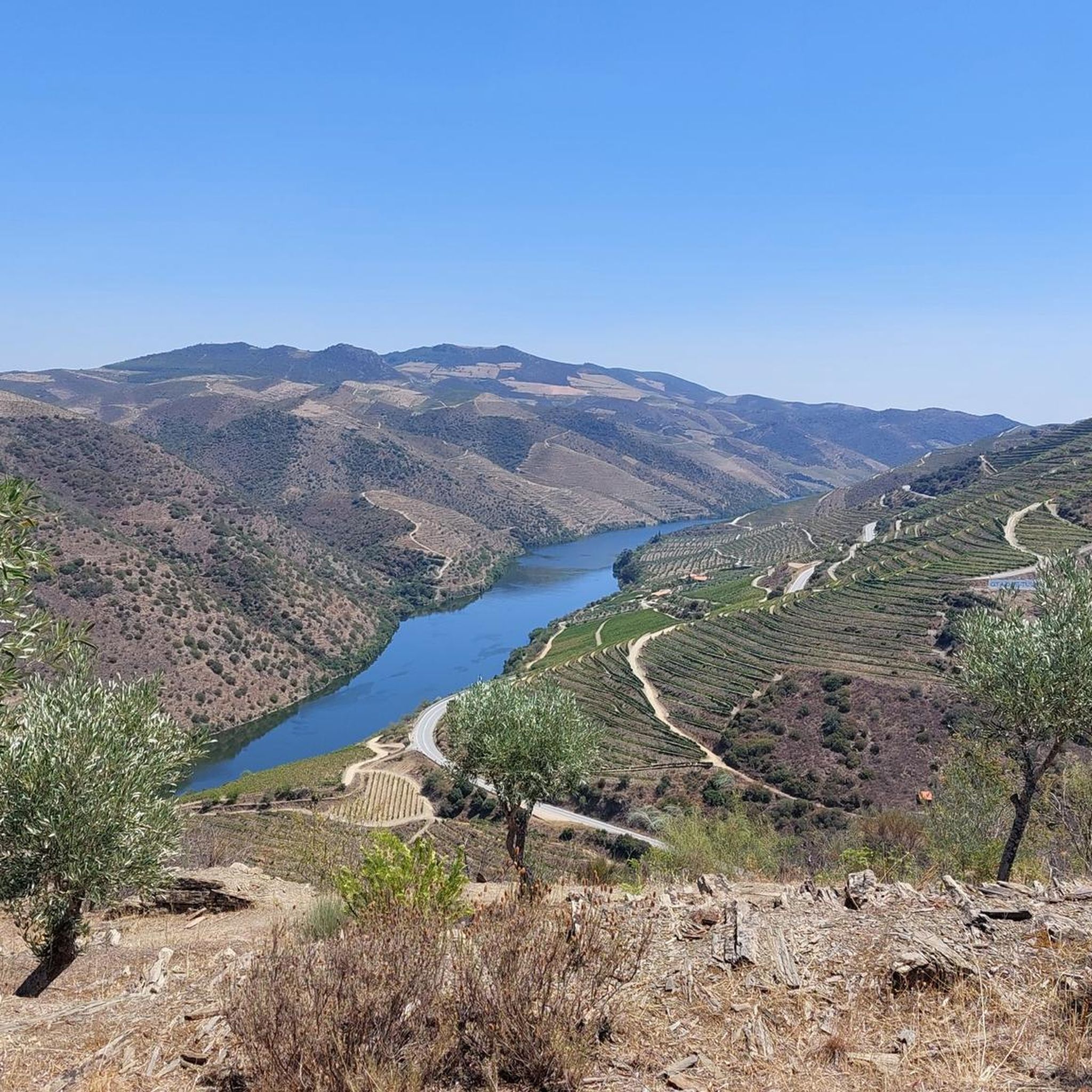
Final kilometers of N222 going along Rio Duoro. Monument at the start of N222 and Cafe in Almendra. Protected area to both sides of the road, fantastic views. Route also passes by museum with early human rock drawings.
0
0
Frequently Asked Questions
What historical sites can I explore around Mós?
The region around Mós, particularly in Vila Nova de Foz Côa, is rich in history. You can visit the Côa Museum, which offers deep insights into the Paleolithic art of the Côa Valley. Another significant historical site is the Ruins of the Pocinho Railway District 🇵🇹, a settlement that grew around a 19th-century railway station, where you can explore remnants of old railway infrastructure.
Are there any natural viewpoints or scenic trails near Mós?
Yes, the area offers several scenic spots. The End of N222 in Almendra is a highly recommended scenic trail and viewpoint along the Douro River, offering fantastic views. The Côa Museum itself is located on a slope where the Douro and Côa rivers meet, providing a beautiful natural setting.
What outdoor activities are available around Mós?
The region is excellent for outdoor enthusiasts. You can enjoy hiking and cycling on various trails. For hiking, consider routes like the "Côa Museum – Stairway to Douro loop" or the "Old Douro Railway Bridge loop from Pocinho." Cyclists can explore routes such as the "Torre de Moncorvo and Sabor Greenway Loop" or the "Pocinho Station loop from Vila Nova de Foz Coa." You can find more details on these activities in the Hiking around Mós and Road Cycling Routes around Mós guides.
Are there family-friendly attractions in the Mós area?
The Côa Museum is considered family-friendly, offering an engaging way to learn about prehistoric rock art through replicas and interactive screens. Exploring the scenic trails, such as parts of the N222, can also be a great family activity, allowing everyone to enjoy the natural beauty of the Douro River valley.
What is the Côa Museum and what does it offer?
The Côa Museum is a significant historical site dedicated to the Paleolithic art of the Côa Valley, which is the largest Paleolithic open-air museum in the world. Its design mimics the region's natural rock formations. Inside, it provides a comprehensive insight into the rock art through replicas and screens, and houses the largest library in Portugal dedicated to rock art. It serves as a gateway to understanding the artistic richness of the Côa and Douro valleys.
Can I see prehistoric rock art directly near Mós?
While the Côa Museum provides excellent insight with replicas and information, it does not replace a visit to the actual rock art sites in the Côa Valley Archaeological Park. However, the End of N222 in Almendra route passes by a museum featuring early human rock drawings, offering another opportunity to engage with this ancient heritage.
What is the significance of the Pocinho Railway District?
The Ruins of the Pocinho Railway District 🇵🇹 represent a historical settlement that developed around a 19th-century railway station. This station was crucial for transporting goods like minerals and agricultural products. Today, visitors can explore the remnants of this railway infrastructure and the nearby Pocinho Dam, which also provides a road connection between the districts of Guarda and Bragança.
Are there any easy walks or beginner hikes around Mós?
Yes, there are options for easier walks. For instance, the "Côa Museum – Stairway to Douro loop from Antigo apeadeiro de Coa" is an easy 3.1 km hike. The area around the End of N222 in Almendra also offers scenic sections that can be enjoyed as a leisurely walk, providing fantastic views of the Douro River.
What is the best time to visit Mós for outdoor activities?
For outdoor activities like hiking and cycling, spring (April to June) and autumn (September to October) generally offer the most pleasant weather in the region around Mós, with milder temperatures and less extreme heat or cold. This allows for comfortable exploration of the trails and historical sites.
What is Arnozelo Village and why might I visit it?
Arnozelo Village is a small, somewhat remote village in the municipality of Vila Nova de Foz Côa. While not a major tourist destination, it is part of a region with significant scenic, historical, and cultural value due to its proximity to the UNESCO World Heritage Côa Valley. It offers a glimpse into traditional Portuguese village life in the Upper Douro wine-growing region.
Are there any unique cycling routes near Mós?
Absolutely. Cyclists can enjoy routes like the "Descent from Vila Nova de Foz Côa to Pocinho," which offers a super nice descent with great views (though caution is advised for cars and brakes). For more challenging rides, there are routes like the "Historic Village of Marialva loop from Vila Nova de Foz Coa" or the "Castelo Rodrigo Village – End of N222 in Almendra loop from Pocinho." You can find more cycling options in the Road Cycling Routes around Mós guide.
Most popular routes around Mós

Get inspired with the komoot mobile app


Explore more
Still not found the Highlight you’re looking for? See guides of the top attractions in other regions:
