The best MTB trails around Santa Comba
105
riders
9
rides
Mountain biking around Santa Comba offers diverse terrain characterized by its proximity to the Dão and Mondego rivers, providing scenic river valleys and numerous viewpoints. The region features varied landscapes, from historic townscapes to natural belvederes, and includes dedicated cycling infrastructure like former railway lines. These natural features create a compelling environment for mountain biking.
Best mountain bike trails around Santa Comba
- The most popular mountain bike trail is Caniçada Waterfall – Casa das Obras Fountain loop from Seia,…
Last updated: June 28, 2026
29
riders
54.5km
05:54
1,930m
1,940m
Hard mountain bike ride. Very good fitness required. Suitable for all skill levels.
27
riders
23.2km
02:19
610m
610m
Moderate mountain bike ride. Good fitness required. Suitable for all skill levels.

Sign up for free
22
riders
59.4km
05:18
1,020m
1,020m
Hard mountain bike ride. Very good fitness required. Advanced riding skills necessary.
13
riders
62.0km
05:09
1,790m
1,790m
Hard mountain bike ride. Very good fitness required. Suitable for all skill levels.
5
riders
50.0km
05:14
1,570m
1,570m
Hard mountain bike ride. Very good fitness required. Suitable for all skill levels.
Get access to more routes and recommendations from other explorers.
Sign up for free
Already have an account?
Our route recommendations are based on thousands of hikes, rides, and runs completed by other people on komoot.
Start today with a free account
Your next adventure awaits.
Login or Signup


Tips from the Community

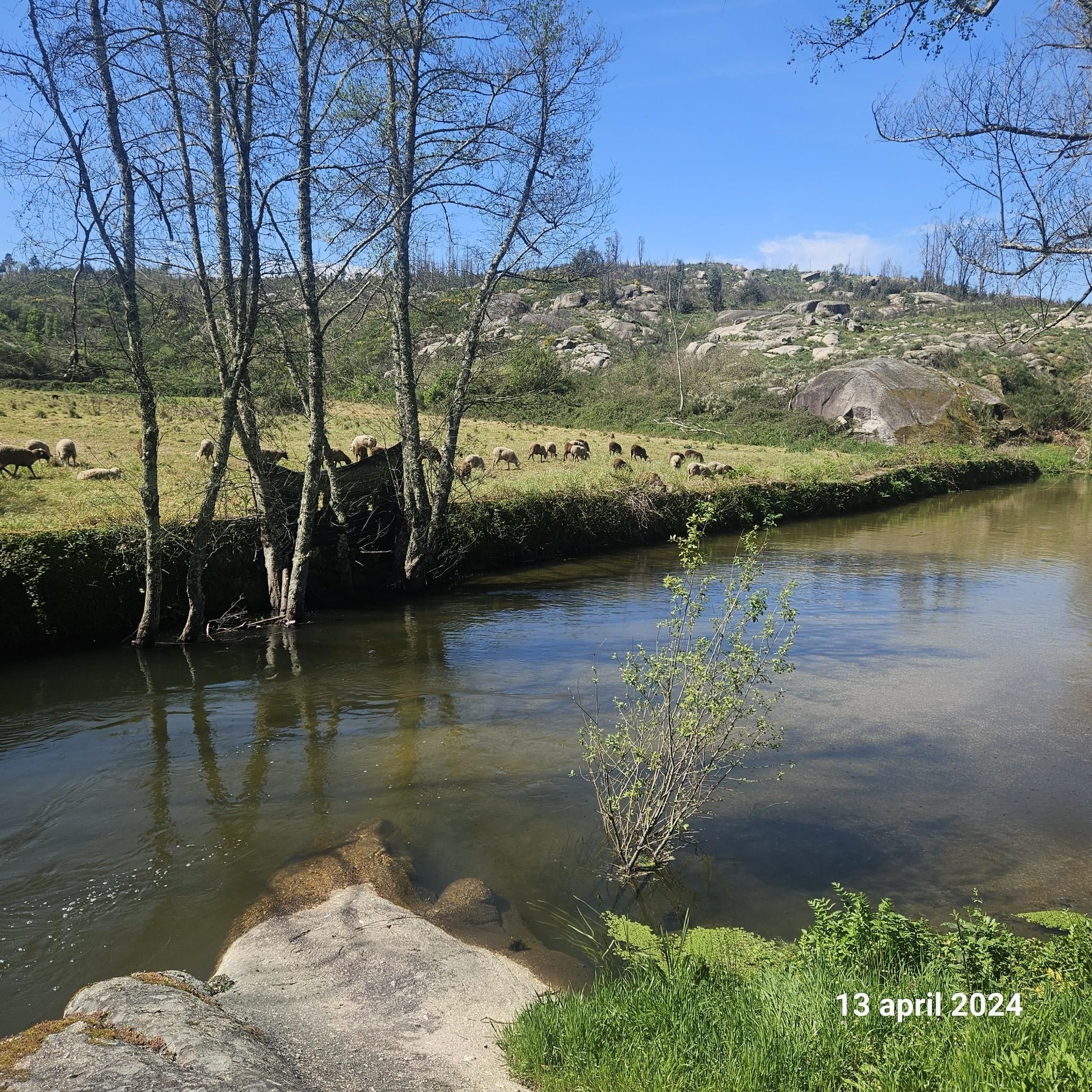
The Lapa dos Dinheiros river beach is in perfect harmony with nature. Located in the parish of Lapa dos Dinheiros, on the Caniça River, a right-bank tributary of the Alva River, this bathing area is nestled in a mountainous landscape dominated by the Lapa Souto (south of Lapa) and imposing granite outcrops. With clear water, very appealing for swimming, the beach boasts the award for accessible beach and has lifeguards and a bar available to visitors. The rugged terrain of the valley causes the river to form a succession of small waterfalls nearby. The Lapa Souto, in addition to its valuable collection of centuries-old chestnut trees, is also home to a high level of biodiversity. From the bridge, a pedestrian path leads to the Moura Hole and a viewpoint over the Caniça Waterfalls. The Buraco da Moura is a natural cave system created by the sliding and accumulation of large granite blocks, which formed a complex system of rooms and galleries. How to get there? Once in Seia, follow the EN231 to S. Romão. From there, continue uphill for about 5 km, toward Loriga/Lapa, until you find the sign for Lapa dos Dinheiros on the left. Once inside the town, simply follow the beach signs. Coordinates: 40º 23′ 07.0″ N / 7º 41′ 50.1″ W
1
0
Located at an altitude of approximately 1,600 meters, Lagoa Comprida is the largest water reservoir in the Serra da Estrela, intended for hydroelectric generation. This natural lake lies in a wide depression of glacial origin, approximately one kilometer long, which fed the Covão Grande glacier. Numerous glacial scars are visible along its banks, making this lake one of the most interesting geomorphological sites in the Serra da Estrela. Construction on this lake began in 1911, and by 1914, it was already six meters high. Later, in 1965, it underwent heightening work that increased its height to 28 meters, currently boasting a storage capacity of approximately 14 cubic hectometers, flooding an area of approximately 80 hectares. Small streams of water flow into this lagoon, as well as water retained in the Covões dos Conchos and Covões do Meio and carried to this lagoon through underground tunnels.
6
1

The Serra da Estrela Natural Park is something truly special. This 1,000-square-kilometer park, spread across six municipalities, was the first and currently the largest protected natural park in Portugal. It is home to the highest point on the Portuguese mainland, the country's only ski slope, the source of two important rivers, and a fascinating, alpine-like landscape formed by glaciers.
5
1

At exactly 1993 meters above sea level, Torre is the highest point in mainland Portugal, where the only ski resort is located. The landscape on the upper plateau of the Serra da Estrela is like a sprinkling of granite rocks over low scrub and patches of snow and ice, which the sun threatens to melt soon in the summer and which always returns the following winter. In winter, it sometimes becomes inaccessible.
6
0

Lagoa Comprida is the largest glacial lake in Serra da Estrela, Portugal, and one of the most iconic spots in the Natural Park. Its name, meaning "Long Lake," perfectly describes its elongated shape, nestled between the surrounding peaks. Originally a glacial lake, it was artificially enlarged with the construction of a dam in the early 20th century for hydroelectric power generation, becoming an important reservoir. Its crystalline waters reflect the sky and the rugged surrounding mountains, creating breathtaking views. It is a popular starting point for hikes and treks to other lagoons and peaks, and offers a sense of grandeur and serenity typical of alpine environments.
2
0

Nestled on the banks of the Caniça river, a tributary of the Alva river, this beach area is a haven in the middle of a mountainous landscape, where ancient chestnut trees and granite blocks shape the scenery. The crystal-clear, inviting water is perfect for a refreshing dip. The beach, which has been awarded the title of accessible, has lifeguards and a bar, making the experience even more enjoyable.
3
0

Beautiful panoramic views from the highest point in Portugal. You can ski here in winter, and there is sometimes snow even in summer.
4
0

Chapel of São Sebastião » Highest point of the village of Sta. Marinha (900m) with panoramic views of the entire "valley" between Estrela and Caramulo
0
0
Frequently Asked Questions
How many mountain bike trails are available around Santa Comba?
There are 10 mountain bike trails around Santa Comba listed on komoot, offering a range of experiences from moderate to difficult. These routes showcase the region's diverse landscapes, from river valleys to elevated viewpoints.
Are there any easy or family-friendly mountain bike trails in Santa Comba?
While this guide primarily features moderate and difficult trails, with 6 routes classified as moderate, the broader Santa Comba region does offer options for less experienced riders. The 'Mondego Ecovia' is known as an easy mountain biking route, ideal for families or beginners looking for a gentler ride along the river.
What kind of terrain can I expect on mountain bike trails around Santa Comba?
The terrain around Santa Comba is diverse, characterized by its proximity to the Dão and Mondego rivers, offering scenic river valleys and numerous viewpoints. You'll encounter varied landscapes, from historic townscapes to natural belvederes, and routes that utilize former railway lines like the Ecopista do Dão. Expect a mix of climbs and descents, especially on the more challenging routes.
Are there any trails with significant elevation gain for advanced riders?
Yes, Santa Comba offers challenging routes with substantial elevation gain. For instance, the Caniçada Waterfall – Casa das Obras Fountain loop from Seia is a difficult 33.9-mile (54.6 km) trail with over 1900 meters of ascent. Another demanding option is the Long Lake – Serra da Estrela loop from Seia, covering 38.7 miles (62.3 km) with nearly 1800 meters of climbing.
Are there any scenic viewpoints or natural features along the mountain bike trails?
Absolutely. The region is known for its natural beauty. Many routes offer panoramic vistas over the Dão River, and you can find viewpoints like Outeirinho and Pedra Talhada. The Caniçada Waterfall – Casa das Obras Fountain loop from Seia specifically highlights a waterfall, and the Dão and Mondego rivers themselves provide stunning backdrops for your ride. You might also encounter the Cornos do Diabo natural monument.
Are there any circular mountain bike routes in the area?
Yes, many of the mountain bike trails around Santa Comba are designed as loops. For example, the Afonso Costa Statue – Casa das Obras Fountain loop from Seia and the Gouveia loop from Aldeias are both circular routes, allowing you to start and finish at the same point without retracing your path.
What is the typical duration for mountain bike trails around Santa Comba?
The duration varies significantly based on the trail's length and difficulty. Shorter, moderate loops like the Gouveia loop from Aldeias (10.4 miles / 16.8 km) can be completed in about 1 hour 16 minutes. Longer, difficult routes, such as the Portela do Arão loop from Valezim (31.1 miles / 50 km), typically take around 5 hours 13 minutes.
Are there any river beaches or places to cool off near the trails?
Yes, the presence of the Dão and Mondego rivers means there are scenic river beaches in the broader region, such as Praia Fluvial de Vimieiro and Senhora da Ribeira River Beach. While not directly on every trail, these offer refreshing spots during warmer months and can be found near some routes. The Lapa dos Dinheiros River Beach is also a notable highlight.
What are some other attractions or landmarks to explore near the mountain bike trails?
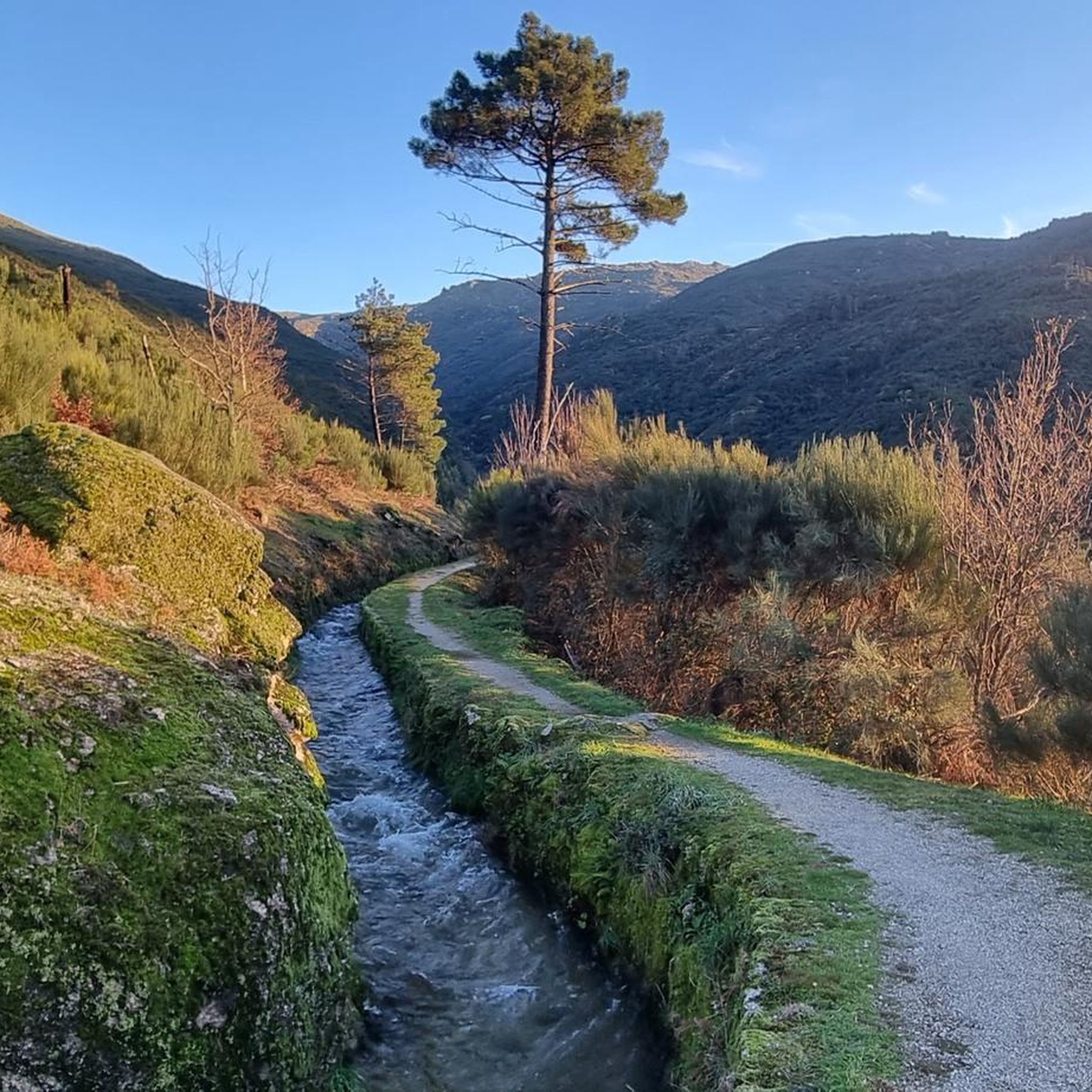
Beyond the trails, the Santa Comba Dão area offers several points of interest. You can explore the Aqueduct of the Caniça Route, visit the charming village of Sabugueiro, or discover the Serra da Estrela Levada. The region's historic townscapes and natural belvederes also provide cultural and scenic exploration opportunities.
Is there public transport or parking available near the mountain bike trails?
While specific public transport details for each trailhead are not provided, Santa Comba Dão is a regional hub. For parking, many trailheads, especially those near towns or popular starting points like Seia or Aldeias, will have designated or informal parking areas. It's advisable to check the starting point of your chosen route for specific parking information.
What is the best season for mountain biking in Santa Comba?
The region's climate, with its river systems, suggests that spring and autumn would be ideal for mountain biking, offering pleasant temperatures and lush scenery. Summers can be warm, making river beaches and shaded routes more appealing, while winters might bring cooler, wetter conditions. Always check local weather forecasts before heading out.
Are there any cafes or accommodation options near the mountain bike trails?
Santa Comba Dão and surrounding towns like Seia and Aldeias offer various amenities including cafes, restaurants, and accommodation options. While specific establishments are not listed for each trail, you'll find places to refuel and stay within reasonable proximity to the trailheads, especially in the larger settlements.
Most popular routes around Santa Comba
Most popular attractions around Santa Comba

Get inspired with the komoot mobile app


Explore more
Browse the best MTB trails in other regions.
