Attractions and Places To See around Flöha - Top 20
Best attractions and places to see around Flöha include a diverse range of historical landmarks, natural features, and cultural sites. The town is situated at the confluence of the Flöha and Zschopau rivers, nestled at the edge of the Ore Mountains. This location provides access to scenic river landscapes and the wider Ore Mountains region. Visitors can explore the area's industrial heritage and modern cultural developments.
Best attractions and places to see around Flöha
- The most popular attractions is Braunsdorf…
Last updated: July 6, 2026
Chemnitztal Cycle Path
Highlight (Segment) • Cycleway
Translated by Google •
Tip by

Braunsdorf Weir
Highlight • Structure
The coffee racer is on tour again, Saturdays and Sundays from 11 a.m. to 5 p.m. at …
Translated by Google •
Tip by

Sign up now to discover places like this
Get recommendations on the best single tracks, peaks, & plenty of other exciting outdoor places.
Sign up for free
Hetzdorf Viaduct
Highlight (Segment) • Bridge
Translated by Google •
Tip by

Colorful Chimney at the Chemnitz-Nord Power Plant
Highlight • Monument
You can see it clearly from the Chemnitztal cycle path.
The building shines in all its splendor, especially in the evening sun.
Translated by Google •
Tip by

Hohenfichte Covered Wooden Bridge
Highlight • Bridge
Translated by Google •
Tip by
Sign up for free to discover even more attractions around Flöha.
Sign up for free
Already have an account?
Start today with a free account
Your next adventure awaits.
Login or Signup
Tips from the Community

Hetzdorf Viaduct. This is a listed former railway bridge on the Dresden–Werdau railway line over the Flöha Valley in Hetzdorf. The railway section over this bridge was closed in 1992. It's well worth a visit. You can climb it and even walk across it.
3
0

The bridge, rebuilt in 1832, still stands today. A toll was payable to cross the bridge, for which a toll house was built in 1786. The bridge suffered damage from natural disasters such as a tornado in 1954 and the 2002 flood disaster, which was repaired. Most recently, in 2007, the wooden shingle roof was re-covered and the roadway, including both sidewalks, was renewed. In terms of construction, the wooden bridge is comparable to the Hennersdorf wooden bridge.
2
1

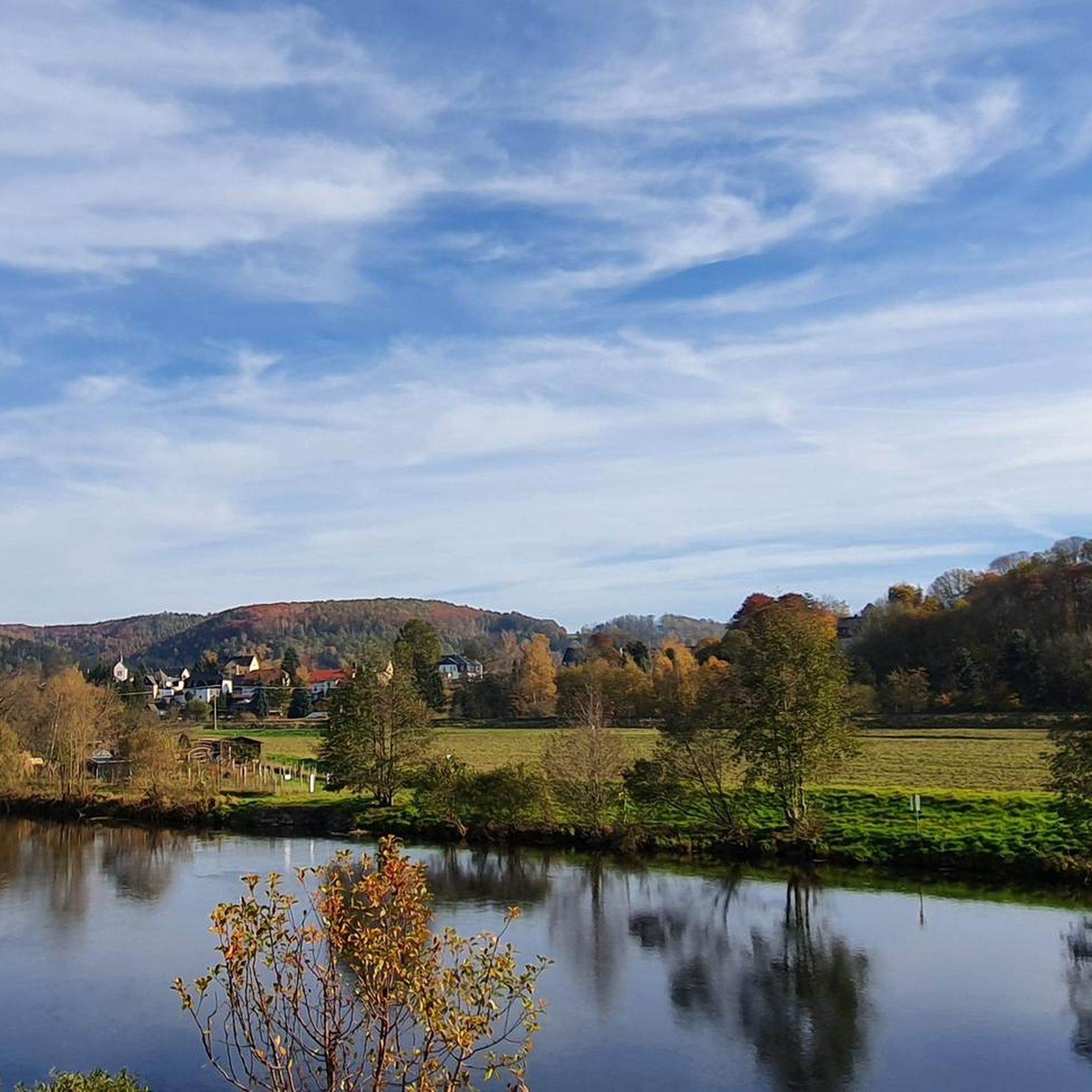
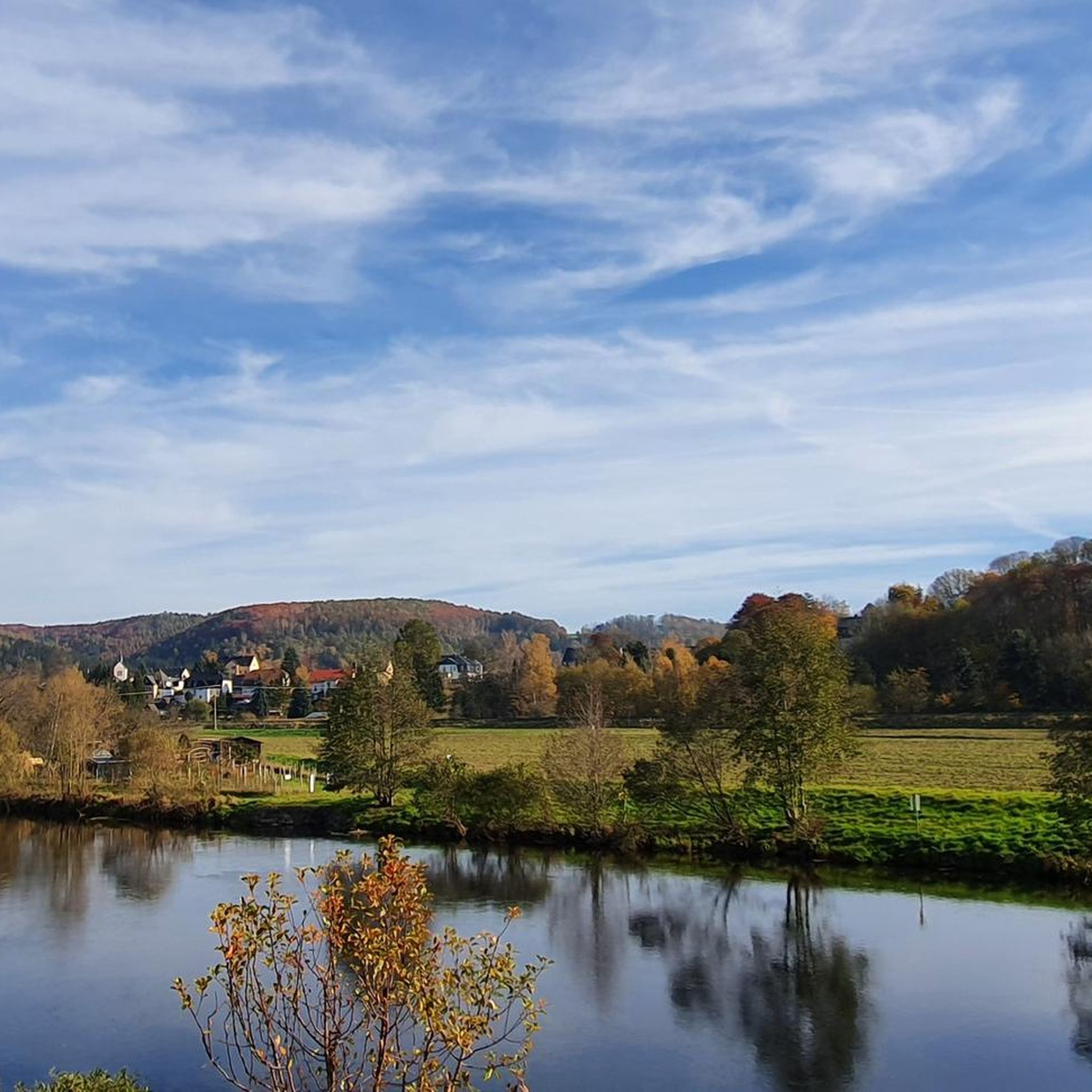
Already available as a river crossing for over 400 years
2
1

The 302 meter high chimney is the largest structure in Saxony and is part of the Chemnitz thermal power plant. Wind, rain and frost had damaged the reinforced concrete over the last 30 years. Therefore, the 18,000 square meter outer shell had to be renovated. A renovation of the tallest building in Saxony became necessary to ensure continued operations. Therefore, the loose smaller parts of the outer shell were roughly removed first. Special workers who were skilled at heights then prepared the surfaces for subsequent repairs. The surface was then treated or filled with a synthetic resin-bound concrete. After priming, the workers applied the colorful industrial paint as the final step of the renovation, which protected the structure from wind and weather and gave it an individual coat of paint. Remediation steps The 302 meter high chimney is the largest structure in Saxony and is part of the Chemnitz thermal power station. Wind, rain and frost had damaged the reinforced concrete over the last 30 years. Therefore, the 18,000 square meter outer shell had to be renovated. A renovation of the tallest building in Saxony became necessary to ensure continued operations. Therefore, the loose smaller parts of the outer shell were roughly removed first. Special workers who were skilled at heights then prepared the surfaces for subsequent repairs. The surface was then treated or filled with a synthetic resin-bound concrete. After priming, the workers applied the colorful industrial paint as the final step of the renovation, which protected the structure from wind and weather and gave it an individual coat of paint. Color design: For the last step of the renovation work, someone came up with something very special. The 18,000 square meter outer shell was designed according to a design by the French artist Daniel Buren, which envisages seven colored sections of approximately the same size. When choosing the colors, it was important to the artist that the chimney stood out well from its surroundings, even from a distance. This is how the idea came about to use seven contrasting, cheerful colors for the seven segments of the chimney. (https://www.eins.de/ueber-eins/industriekultur/schornstein)
2
0

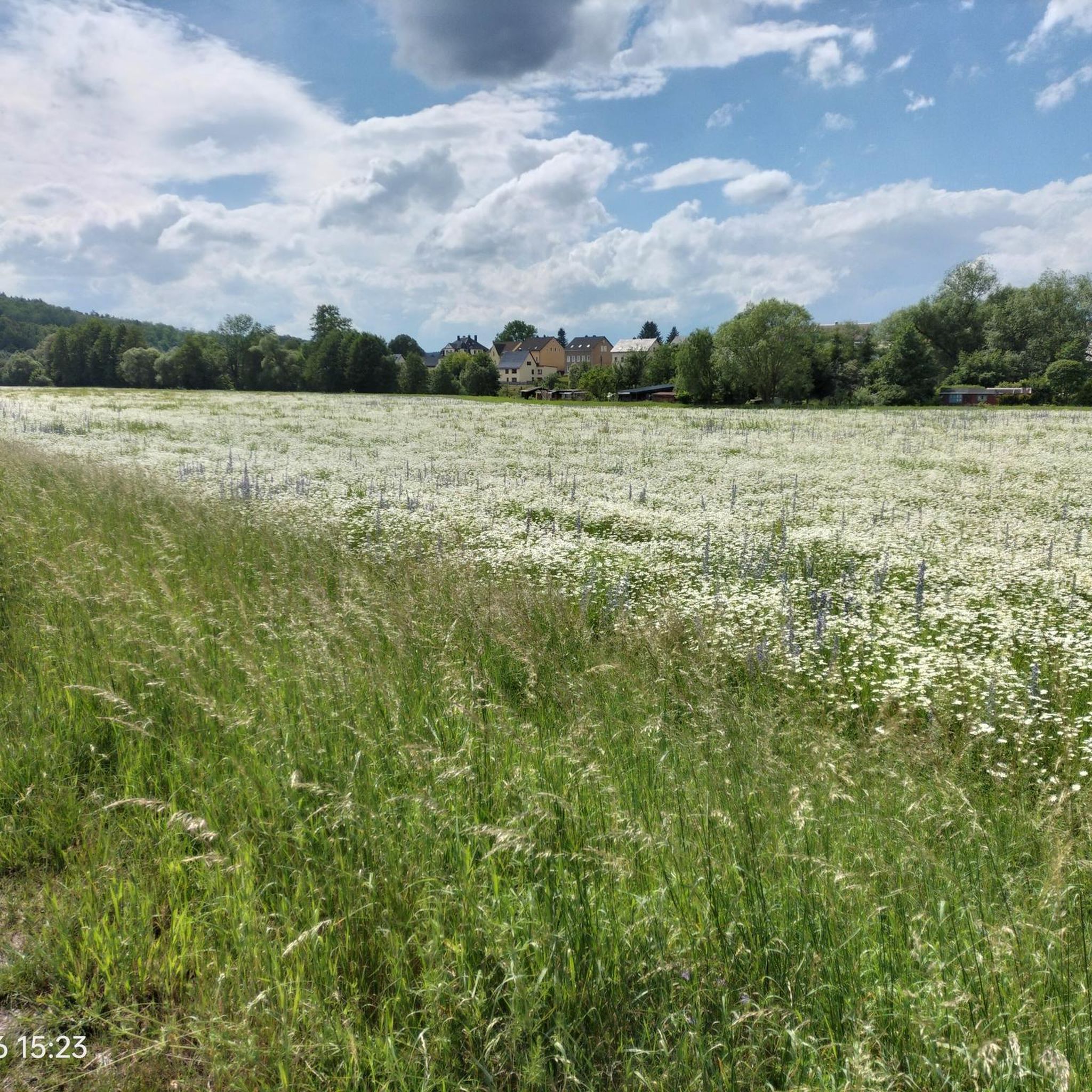
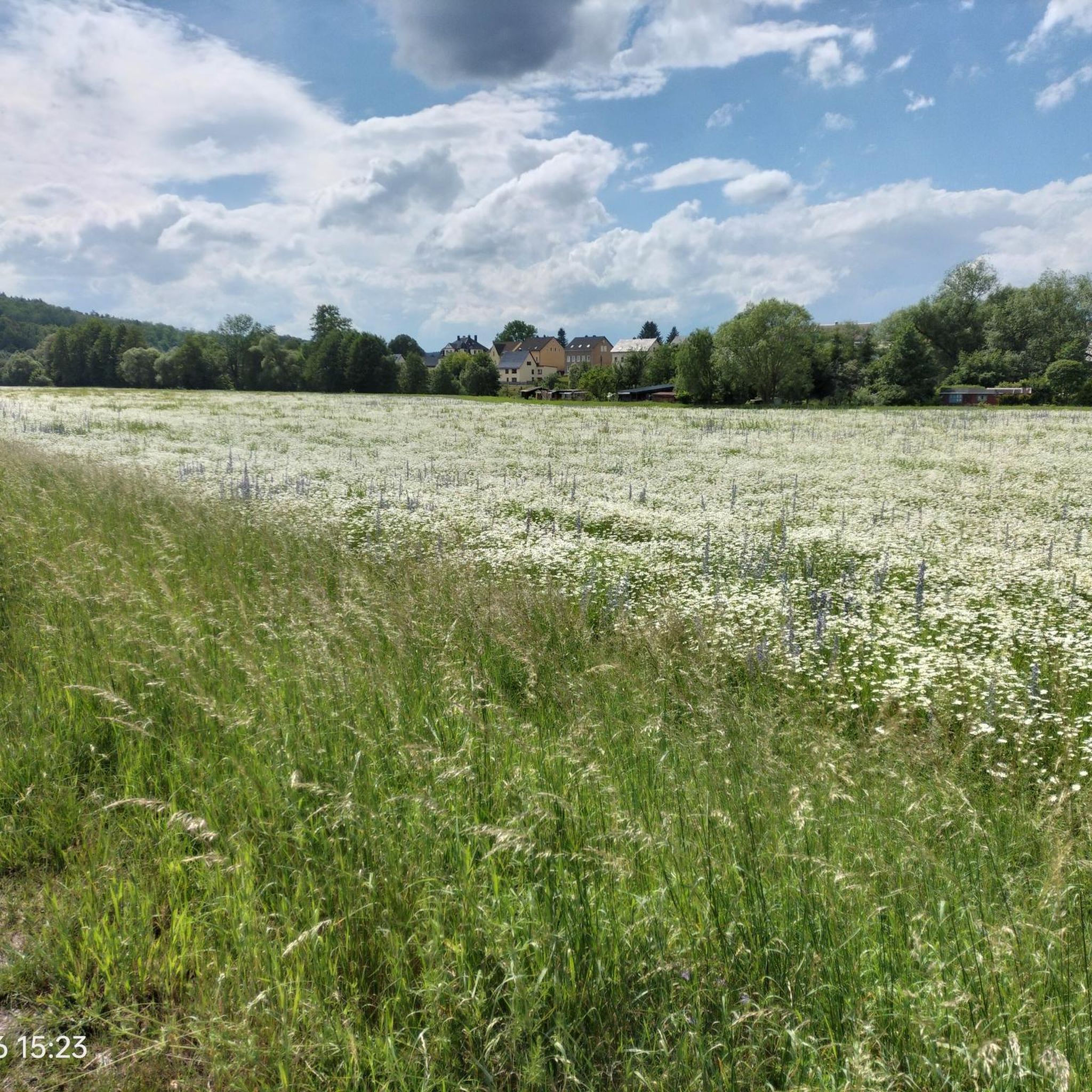
The bike path always goes straight. You don't have to climb any mountains here.
2
1

The Chemnitz Valley Cycle Path From the confluence of the Würschnitz and Zwönitz, the Chemnitz Valley Cycle Path currently extends to Göritzhain over a total length of around 30 kilometers. Source: https://chemnitztalradweg.de/
3
0

Please have your camera ready.
5
1

Great family-friendly bike path from the Schweizerthal to Chemnitz and back. Our kids (5 and 4) have mastered it. Approx. 34 km there and back
2
0
Frequently Asked Questions
What unique architectural and historical sites can I explore in Flöha?
Flöha offers several unique architectural and historical sites. You can visit the Hetzdorf Viaduct, an impressive former railway bridge now part of a hiking trail, offering great views. Another notable structure is the "Blaue Welle" (Blue Wave), a pedestrian and cycle bridge recognized for its distinctive design. The Samuel-von-Pufendorf-Gymnasium in Flöha-Aue is a futuristic circular building that received the German Architecture Prize. Additionally, the revitalized Cotton Mill ("Alte Baumwolle") showcases the town's industrial heritage blended with modern life.
Are there family-friendly attractions and activities around Flöha?
Yes, Flöha has several family-friendly options. The Chemnitztal Cycle Path is well-maintained and suitable for all ages, featuring a tunnel and a large bridge. The Braunsdorf Weir offers a peaceful setting by the rushing water, perfect for relaxing. The City Park provides green spaces and a fountain for a pleasant outdoor environment. The Colorful Chimney at the Chemnitz-Nord Power Plant is also a visual highlight that children might enjoy spotting from the cycle path.
What natural features and scenic viewpoints are there in the Flöha region?
The region is rich in natural beauty. The Flöha River itself, which gives the town its name, flows through the area with romantic bridges and tree-lined banks. You can relax by the rushing water at Braunsdorf Weir. The area is also situated at the edge of the scenic Ore Mountains, offering access to its natural landscapes. For panoramic views, the Hetzdorf Viaduct provides a fabulous perspective over the valley and surrounding landscape.
What cultural experiences can I find in Flöha?
Flöha offers cultural activities, including art exhibits at its Town Hall. The freshly renovated Flöha train station has been transformed into the "Kunstbahnhof Flöha" (Art Station), hosting exhibitions, such as those related to Chemnitz 2025 European Capital of Culture. Inside the subway of Flöha station, you can also see the "Glance" art installation by Tanja Rochelmeyer, featuring 171 reflective, colorful panels that reference the history of the nearby cotton mill.
Are there good cycling routes around Flöha?
Yes, the Chemnitztal Cycle Path is a well-paved and highly recommended route, featuring a 30-meter-long tunnel and a large bridge. For more cycling options, you can explore various road cycling routes around Flöha, including those leading to the Saidenbach Reservoir or connecting to Chemnitz. You can find detailed routes and guides for road cycling around Flöha on komoot, such as the Road Cycling Routes around Flöha guide.
What kind of hiking trails are available near Flöha?
The area around Flöha offers a variety of hiking trails. You can find seven tourist walking trails varying in length from 4 km to 32 km. The Hetzdorf Viaduct is now part of a hiking trail, providing an impressive structure to walk across. For specific options, komoot offers guides like Easy hikes around Flöha and Hiking around Flöha, which include routes of varying difficulty, such as the Zschopau Valley loop or paths offering views of Augustusburg Castle.
What is the best time to visit Flöha for outdoor activities?
The best time to visit Flöha for outdoor activities largely depends on your preferences. Spring and autumn offer pleasant temperatures for hiking and cycling, with beautiful foliage in the fall. Summer is ideal for enjoying the rivers, such as camping or rowing on the Flöha River, and for longer cycling trips on the Chemnitztal Cycle Path. Even in winter, there are options for walks, especially if you enjoy crisp air and potentially snowy landscapes in the Ore Mountains.
Are there any unique bridges to see in the area?
Beyond the modern "Blaue Welle" bridge, you can visit the historic Hohenfichte Covered Wooden Bridge. This impressive structure, built in 1832, spans the Flöha River and is completely made of wood. It's a well-preserved piece of engineering and a beautiful spot for a walk. The Hetzdorf Viaduct, a former railway bridge, also stands out as a significant historical and architectural landmark.
What do visitors enjoy most about the attractions around Flöha?
Visitors particularly enjoy the blend of natural beauty and historical significance. The peaceful setting of Braunsdorf Weir is often highlighted as a great spot to relax by the water. The Chemnitztal Cycle Path is praised for being well-maintained and enjoyable for all skill levels. The imposing structure and scenic views from the Hetzdorf Viaduct are also highly appreciated by the komoot community, with many photos and upvotes shared.
Where can I find information about the wider Ore Mountains region near Flöha?
Flöha is situated at the edge of the Ore Mountains, providing a gateway to this scenic region. For more information on attractions and activities in the broader Ore Mountains, you can visit the official tourism website: erzgebirge-tourismus.de. This resource can help you discover additional points of interest and plan further explorations in the area.
Are there any industrial heritage sites to visit in Flöha?
Yes, Flöha has a rich industrial heritage. The revitalized Cotton Mill, known as "Alte Baumwolle," is a prime example. This former cotton mill has been transformed into a unique town center, blending its industrial past with modern urban development. It's a testament to the region's history and offers a glimpse into its transformation.
Most popular routes around Flöha
Most popular attractions around Flöha

Get inspired with the komoot mobile app


Explore more
Still not found the Highlight you’re looking for? See guides of the top attractions in other regions:
