The best running trails around Casteleiro
4.7
(5)
24
runners
7
runs
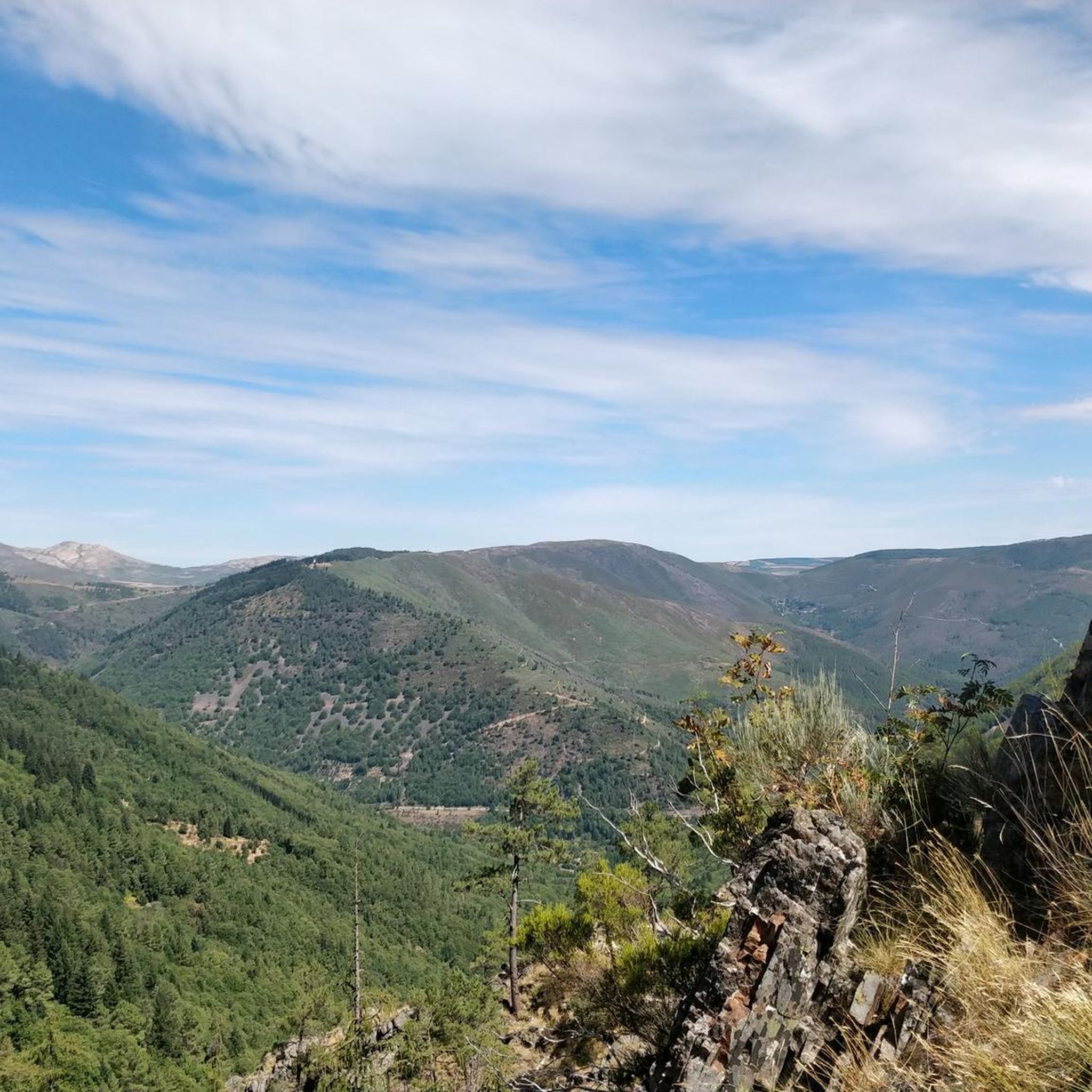
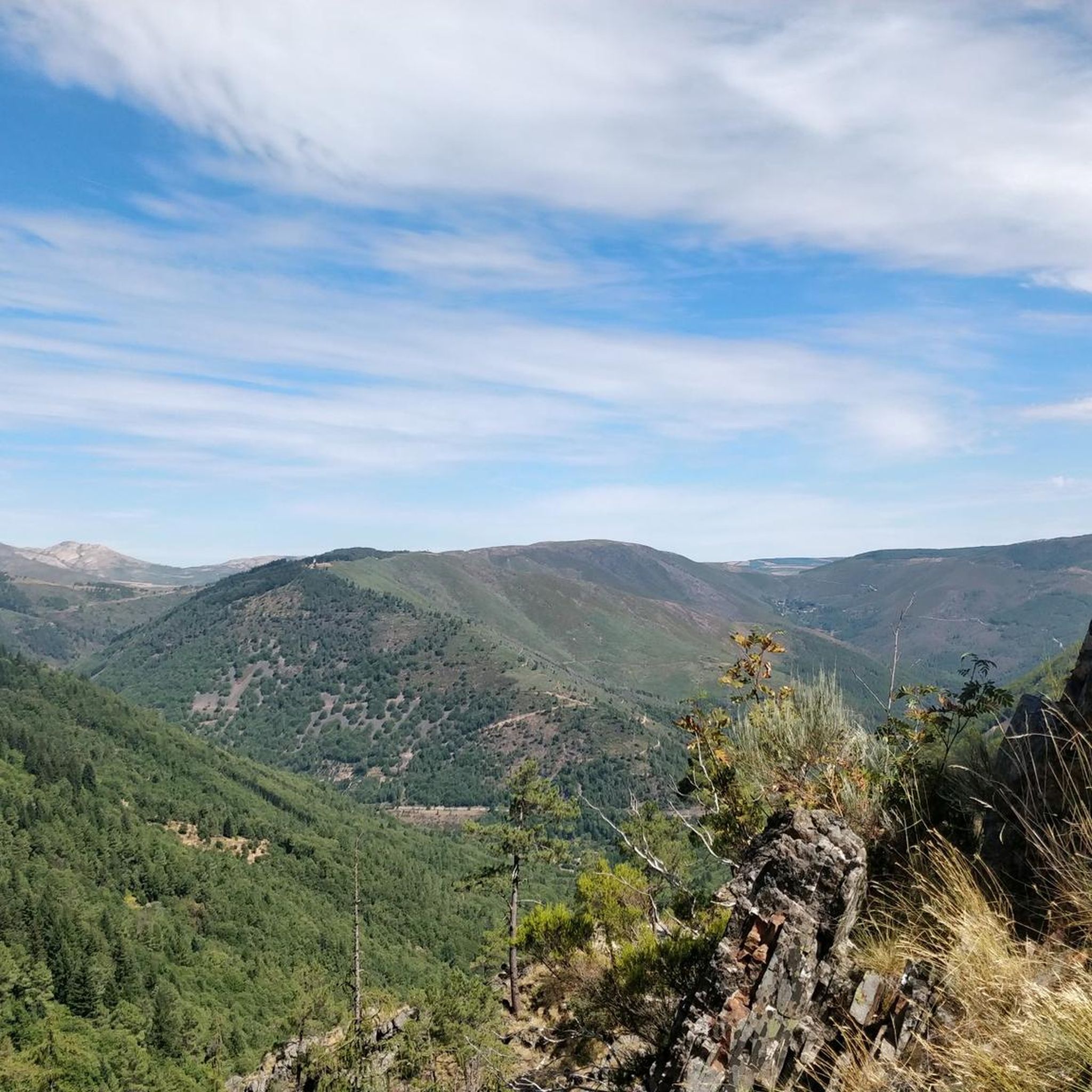
Jogging routes around Casteleiro, a village in Portugal's Guarda District, traverse a tranquil, mountainous environment within the Cova da Beira region. The landscape is characterized by rolling hills and diverse terrain, framed by the Serra da Presa and Serra da Opa mountain ranges. Unique granite rock formations, including "O Galo" and "O Rebanho de Pedra," add distinctive geological features to the area. These natural elements provide a network of paths suitable for running, offering varied terrain for outdoor activity.
Best…
Last updated: June 27, 2026
8
runners
8.43km
01:05
240m
240m
Moderate run. Good fitness required. Mostly paved surfaces. Suitable for all skill levels.
5.0
(3)
4
runners
5.51km
00:36
120m
120m
Moderate run. Good fitness required. Mostly paved surfaces. Suitable for all skill levels.

Sign up for free
4.0
(1)
4
runners
6.41km
00:42
120m
120m
Moderate run. Good fitness required. Mostly paved surfaces. Suitable for all skill levels.
5.0
(1)
3
runners
7.28km
00:49
150m
150m
Moderate run. Good fitness required. Mostly paved surfaces. Suitable for all skill levels.
3
runners
8.86km
00:57
140m
140m
Moderate run. Good fitness required. Mostly paved surfaces. Suitable for all skill levels.
Get access to more routes and recommendations from other explorers.
Sign up for free
Already have an account?
Our route recommendations are based on thousands of hikes, rides, and runs completed by other people on komoot.
Start today with a free account
Your next adventure awaits.
Login or Signup

Tips from the Community

Belmonte, one of the twelve Historic Villages of Portugal, is the home of Pedro Álvares Cabral and guardian of the country's largest Jewish community, a legacy that endured centuries of Inquisition. Between walls and memories, mystique and history abound, with the Serra da Estrela on one side and the Malcata Reserve on the other. The food completes the enchantment: Jewish flavors like fried offal coexist with broths, migas, esparregados, and traditional Beira sweets: rice pudding, papas de carolo, and filhós. Here, the landscape and the food merge into a delightful experience.
5
0
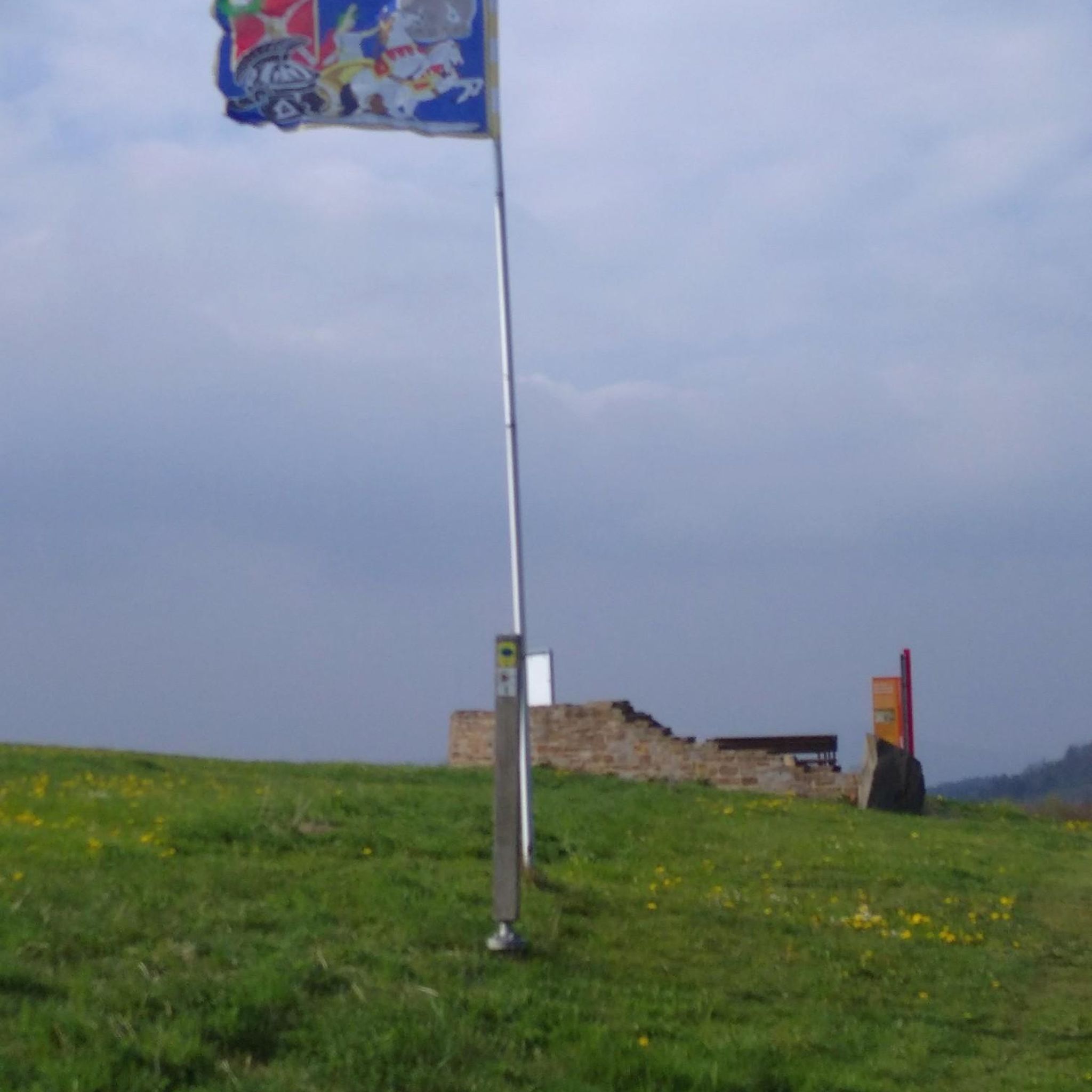
Classified as a National Monument, Belmonte Castle is an unavoidable symbol of the town's history. Built in the 13th century, it still preserves the imposing walls that form an open-air amphitheater, open to time and memory. In the 15th century, the fortress was transformed into a fortified manor house for the family of Pedro Álvares Cabral, the navigator who was born within these walls. A notable detail remains in the Manueline window of one of the facades: the family coat of arms carved into the granite, a true masterpiece from which you can see the Serra da Estrela mountain range.
3
0
Pedro Álvares Cabral, the man who gave Europe Brazil, was born high up in Cova da Beira, with the Serra da Estrela on the horizon. But the history of Belmonte begins much earlier: among dolmens, forts and the enigmatic Torre de Centum Cellas. A town of walls, synagogues and conquests, it was the scene of Romans, Jews and Portuguese heroes. Today, it continues to stand firm on a beautiful hill — true to its name and its legendary past.
4
0

Located just off the main road south of Guarda (which at 1,053 metres is the highest city in Portugal), it is one of twelve aldeias históricas (historic villages), a government-sponsored initiative to promote the immense heritage of the beautiful Beiras region. Belmonte’s most famous son is without doubt Pedro Álvares Cabral, a major figure of the Age of Discovery who was born in the village in 1467. As a young and very ambitious sea captain of just 32 years old, he commanded a fleet of thirteen ships with some 1,500 men that departed from the shores of Lisbon on the 9th of March, 1500. Six weeks later Cabral dropped anchor off the north-east coast of Brazil, becoming the first Portuguese navigator to reach South America. It was also the first known expedition to have touched all four continents of Europe, Africa, America and Asia. Built in the 13th century, Belmonte Castle (the village’s key attraction) became the birthplace of the young explorer in 1467 after his father received it as a loyalty payment from King Afonso V and adapted it as the Cabral family residence. One of the region’s most prominent landmarks, the castle offers today’s visitors fine views of the Estrela mountains and the surrounding Lower Beiras countryside from its towering keep, which stands proud at an altitude of 615 metres above sea level. Adjacent to the castle stands the church of São Tiago which is of the same period and has many interesting features, including a a painted 14th-century granite pietà and the pantheon of the Cabral family, although the navigator’s body now rests at the Convento da Graça in Santarém.
6
1

Worth seeing, interesting history and birthplace of the port. National hero of the recent national history.
9
1
Frequently Asked Questions
How many running routes are available around Casteleiro?
There are 7 dedicated running routes around Casteleiro, all of which are rated as moderate difficulty. These trails offer a great way to explore the tranquil, mountainous environment of the Cova da Beira region.
What kind of terrain can I expect on the jogging trails near Casteleiro?
The jogging trails around Casteleiro are characterized by rolling hills and diverse terrain, set against the backdrop of the Serra da Presa and Serra da Opa mountain ranges. You'll encounter unique granite rock formations, adding a distinctive character to your run.
Are there any circular running routes in the Casteleiro area?
Yes, many of the routes are circular. For example, the Esperança loop from Belmonte is a popular 8.4 km circular trail, and the Belmonte Historic Village loop from Belmonte offers a 5.5 km circular option.
What do other runners say about the trails in Casteleiro?
The running routes in Casteleiro are highly rated by the komoot community, with an average score of 4.7 stars from 5 reviews. Runners often praise the varied terrain and the opportunity to experience the region's distinctive granite formations.
Are there any historical sites or natural landmarks to see while running near Casteleiro?
Absolutely! Many routes offer views of significant landmarks. You can explore the Belmonte Historic Village or the Historic Village of Sortelha. The region is also known for unique granite formations like 'O Galo' and 'O Rebanho de Pedra', particularly in the Serra da Opa.
What is the longest running route available around Casteleiro?
The longest running route listed is the Belmonte Historic Village – Belmonte Castle loop from Belmonte, which covers approximately 10.7 kilometers (6.7 miles) and typically takes around 1 hour and 10 minutes to complete.
Are the running trails around Casteleiro suitable for beginners?
All the listed routes are classified as moderate difficulty. While they involve rolling hills and varied terrain, they are generally accessible for those with a reasonable level of fitness. There are no routes specifically classified as 'easy' in this guide, but the shorter loops like the Belmonte Historic Village loop from Belmonte (5.5 km) could be a good starting point.
Can I find routes that combine running with exploring local villages?
Yes, several routes integrate local villages into the experience. The Belmonte Historic Village loop from Belmonte is a prime example, allowing you to run through and around the historic village, experiencing its unique charm and architecture.
What are some unique natural features I might encounter on a run in Casteleiro?
The region is renowned for its distinctive granite rock formations, especially within the Serra da Opa. Keep an eye out for naturally sculpted rocks that have inspired local folklore, such as 'O Galo' (The Rooster) and 'O Rebanho de Pedra' (The Stone Flock), which add a unique geological interest to the landscape.
Are there any river beaches or water features near the running routes?
While not directly on the listed running routes, the Meimoa River Beach is a notable nearby attraction. It offers a refreshing spot to relax after your run and is located in the nearby settlement of Meimoa.
How many people have explored these running routes using komoot?
More than 20 runners have used komoot to explore the varied terrain and scenic beauty of Casteleiro's running routes, indicating a growing community enjoying these trails.
What is a good running route for experiencing the mountainous environment around Casteleiro?
For a good feel of the tranquil, mountainous environment, the Running loop from Belmonte is an excellent choice. This 6.4 km trail leads you through the characteristic rolling hills and diverse terrain of the region.
Most popular routes around Casteleiro
Most popular attractions around Casteleiro

Get inspired with the komoot mobile app


Explore more
Browse the best Running Trails & Routes in other regions.
