The best walks and hikes around Mata De Lobos
2.7
(3)
29
hikers
9
hikes
Hiking around Mata De Lobos, located within the municipality of Figueira de Castelo Rodrigo in Portugal, offers routes through a landscape characterized by pine-wood forests and rolling hills. The area benefits from its proximity to the Águeda River, a tributary of the Douro, providing scenic routes. The wider region includes historical villages and a significant castle, offering a blend of nature and history. Trails in this municipality can lead through ancient streets and offer views of the surrounding natural beauty.
…Last updated: July 11, 2026
3.0
(1)
3
hikers
6.66km
01:48
90m
90m
Easy hike. Great for any fitness level. Easily-accessible paths. Suitable for all skill levels.
2.0
(1)
2
hikers
20.3km
05:48
470m
470m
Hard hike. Very good fitness required. Easily-accessible paths. Suitable for all skill levels.

Sign up for free
3.0
(1)
9
hikers
Moderate hike. Good fitness required. Easily-accessible paths. Suitable for all skill levels.
3
hikers
19.2km
05:34
500m
500m
Hard hike. Very good fitness required. Easily-accessible paths. Suitable for all skill levels.
6
hikers
14.0km
04:20
470m
470m
Moderate hike. Good fitness required. Easily-accessible paths. Suitable for all skill levels.
Get access to more routes and recommendations from other explorers.
Sign up for free
Already have an account?
Our route recommendations are based on thousands of hikes, rides, and runs completed by other people on komoot.
Start today with a free account
Your next adventure awaits.
Login or Signup
Popular around Mata De Lobos

Tips from the Community

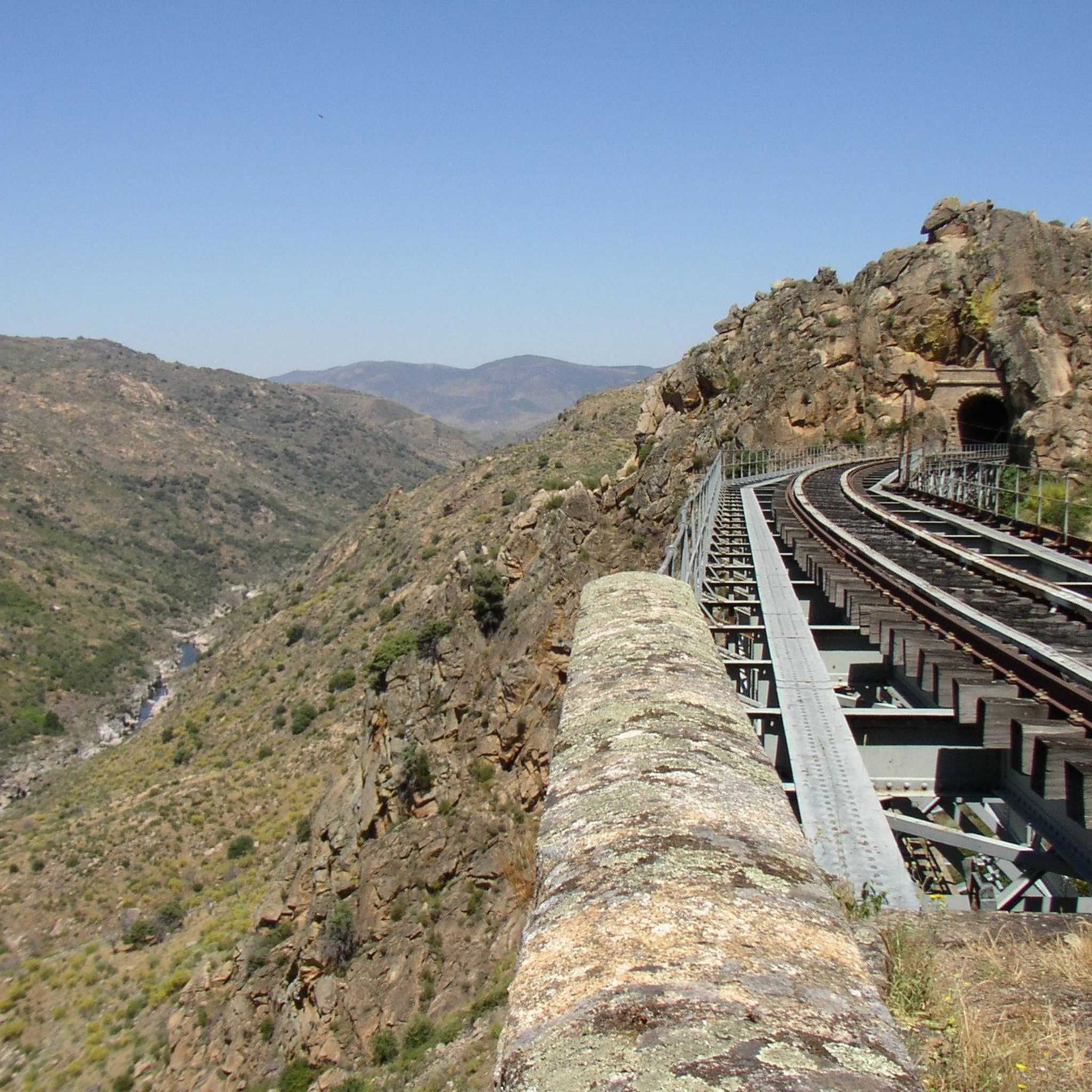
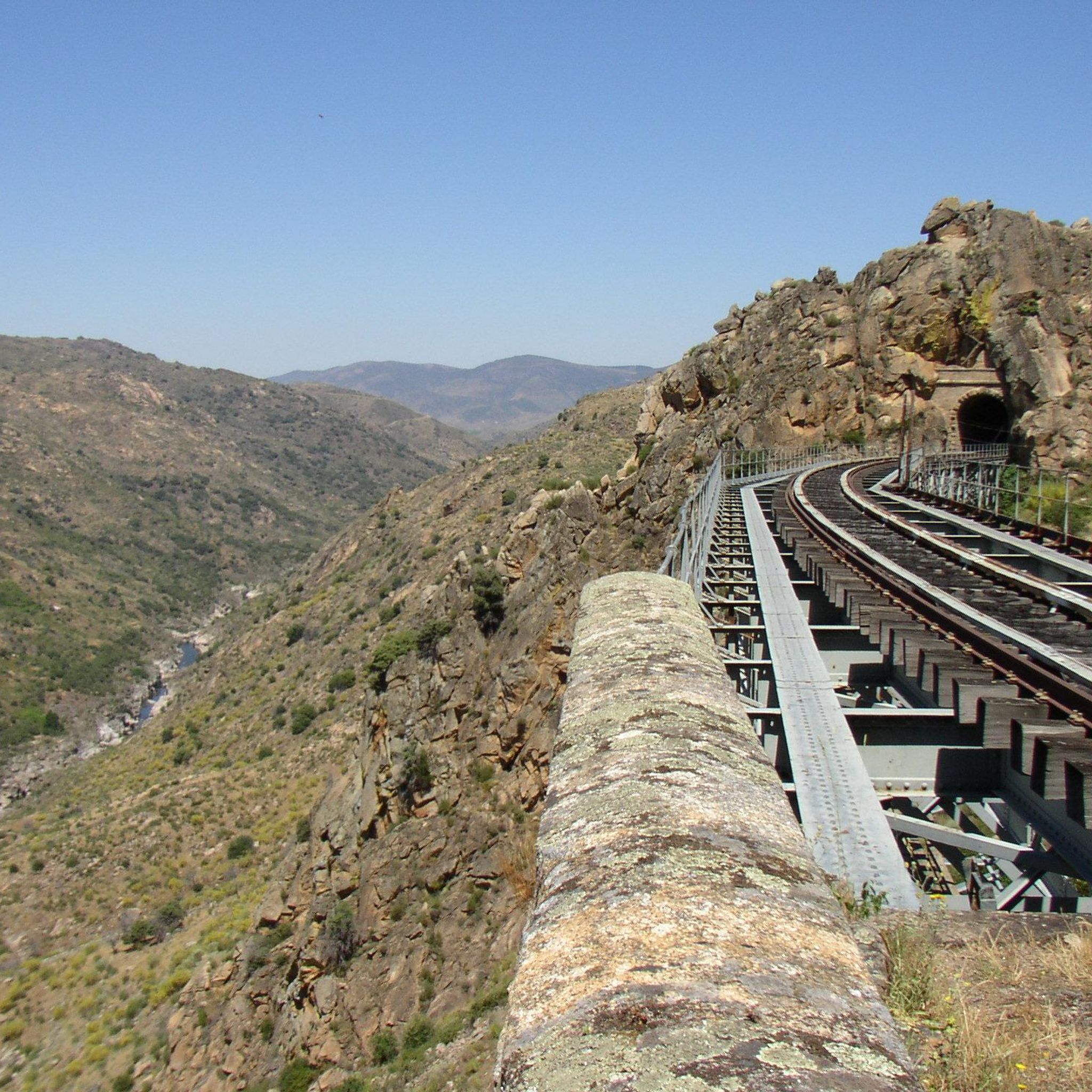
When it was closed in 1985, the region lost its direct connection; the bridge fell into disrepair for decades and was inaccessible for a long time. Only in recent years has the entire route been reopened to hikers and visitors as the "Camino de Hierro" (Iron Way). Crossing the bridge offers spectacular views of the Águeda Gorge and the terraced landscapes of olive, almond, and vineyards. Today, it is an industrial monument and also a tourist highlight in the Arribes del Duero Natural Park.
1
0
The bridge was built as an iron truss structure following the French school's model (inspired by Gustave Eiffel) and spans the deeply cut Río Águeda, approximately 250 meters long and about 20 meters high above the river. The supporting structure consists of riveted steel girders resting on massive stone piers. It was part of the cross-border connection between Spain and Portugal, connecting Salamanca to Porto. Due to its challenging topography—gorges, steep mountain slopes, and narrow valleys—the line was considered one of the most spectacular railway lines in Europe, with a total of 20 tunnels and 13 bridges, of which the Águeda Bridge was the most famous. It served as the gateway to the La Fregeneda–Barca d'Alva border station, where the crossing into Portugal took place.
1
0
The former railway bridge over the Río Águeda near La Fregeneda is one of the most impressive structures on the disused La Fuente de San Esteban – Barca d’Alva railway line (opened in 1887, closed in 1985).
1
0

Castelo Rodrigo holds millennia of history, from Paleolithic and Roman remains to the Muslim presence in the castle. Conquered and reconquered between the 12th and 13th centuries, it became a town and municipality under King Alfonso IX of León and passed definitively to Portugal in 1297, when King Dinis rebuilt and repopulated the castle. Marked by wars, charters, and restorations, it welcomed pilgrims on their way to Santiago and remains today one of the twelve Historic Villages of Portugal.
3
0
Castelo Rodrigo is a village with a medieval soul, where time has left its deep marks: walls, stone streets and remains of an ancient community of New Christians. Surrounded by magnificent landscapes, from the Douro International Natural Park to the Côa Valley, passing through the Serra da Marofa and the Faia Brava Reserve, this village is an invitation to contemplation and to taste. Here, history is served at the table: Marofa lamb, octopus in migas or rice are flavors that count as much as the books.
2
0

This pier was built in the 1980s to revitalize the economy of the border region and take advantage of the navigability of the Douro River for freight traffic. Although its use for freight transport has been limited, it is currently used primarily by tourist boats that operate cruises from Porto.
2
0
The Vega Terrón Pier is the river port of La Fregeneda, located in the province of Salamanca, Castile and León. It lies at the mouth of the Águeda River into the Duero, forming a natural border between Spain and Portugal.
2
0

Very interesting when cruise ships dock. There's also a restaurant and an information center for children. The ticket office for the Camino del Hierro is also located there.
2
0
Frequently Asked Questions
What types of hiking trails can I find in Mata De Lobos?
Mata De Lobos offers a variety of hiking trails characterized by pine-wood forests, rolling hills, and paths through historical villages. You can find options ranging from easy strolls to more challenging long-distance routes, catering to different ability levels.
What are the difficulty levels of hikes in Mata De Lobos?
The trails in Mata De Lobos offer a range of difficulties. There are 4 easy routes, 3 moderate routes, and 2 difficult routes, ensuring options for hikers of all experience levels.
Are there any circular hiking routes in Mata De Lobos?
Yes, there are circular routes available. For example, the Main Gate of Castelo Rodrigo – Castelo Rodrigo Village loop from Castelo Rodrigo is a popular 7.2-mile (11.6 km) trail that takes you through historical village surroundings.
What can I see along the hiking trails in Mata De Lobos?
Beyond the natural beauty of pine-wood forests and rolling hills, you can explore historical sites and settlements. Notable attractions include the Castelo Rodrigo Discovery Trail, the charming settlement of Barca d'Alva, and the Camino de Hierro. You might also encounter the Vega Terrón River Pier and Railway Bridge, offering scenic views.
When is the best time of year to go hiking in Mata De Lobos?
The region's landscape of pine-wood forests and rolling hills suggests pleasant hiking conditions during spring and autumn when temperatures are milder. Summers can be warm, and winters are generally mild, making it suitable for year-round hiking, though specific conditions may vary.
Are there family-friendly hiking options in Mata De Lobos?
Yes, there are family-friendly options. The area's easy trails, such as the Peña de la Vela Trail, which is 4.1 miles (6.7 km) long and takes about 1 hour 48 minutes, are suitable for families looking for an accessible experience through natural and historical settings.
Is Mata De Lobos a dog-friendly hiking destination?
While specific regulations for dogs on trails are not detailed, the natural environment of pine-wood forests and rolling hills generally provides a welcoming setting for walks with dogs. It's always advisable to keep dogs on a leash and follow local etiquette, especially near historical sites or agricultural areas.
What do other hikers enjoy most about hiking in Mata De Lobos?
The area is highly rated by the komoot community, with an average score of 3.25 stars from over 4 reviews. Hikers often appreciate the blend of natural scenery, including pine-wood forests and rolling hills, with the historical charm of nearby villages and landmarks.
Is parking available for hikers in Mata De Lobos?
While specific parking areas for trailheads are not detailed, the municipality of Figueira de Castelo Rodrigo, which encompasses Mata De Lobos, is generally accessible. Hikers typically find parking in or near the historical villages that serve as starting points for many routes.
Can I reach the hiking trails in Mata De Lobos using public transport?
Information on specific public transport links directly to trailheads in Mata De Lobos is limited. The region is more rural, so public transport options might be less frequent. It's recommended to check local bus schedules for Figueira de Castelo Rodrigo or nearby towns if you plan to rely on public transport.
Are there places to eat or stay near the hiking trails?
Mata De Lobos is located within the municipality of Figueira de Castelo Rodrigo, which includes historical villages. These villages, such as Castelo Rodrigo itself, are likely to offer local cafes, restaurants, and accommodation options for hikers.
What is the longest hiking trail in the Mata De Lobos area?
One of the longer and more challenging routes is the GR 14 Stage 42: La Fregeneda to Vega Terrón Trail, which spans 12.6 miles (20.3 km) and is classified as difficult. Another significant route is La Fregeneda – View of the Duero River loop from La Fregeneda, covering 19.16 km.
Most popular routes around Mata De Lobos
Most popular attractions around Mata De Lobos

Get inspired with the komoot mobile app


Explore more
Browse the best Hikes in other regions.
