The best road cycling routes around Montenegro
4.5
(174)
5,730
riders
179
rides
Road cycling routes around Montenegro traverse a landscape characterized by dramatic mountains, deep canyons, and a rugged coastline along the Adriatic Sea. The country's terrain includes the Dinaric Alps, with peaks over 2,000 meters, and the vast Lake Skadar, offering varied elevation profiles for cyclists. Quiet asphalt roads wind through these diverse environments, from challenging mountain passes to more serene coastal and lakeside paths.
Best road cycling routes around Montenegro
- The most popular road cycling route is From Faro to…
Last updated: May 20, 2026
4.0
(2)
43
riders
80.4km
03:27
560m
550m
Moderate road ride. Good fitness required. Mostly well-paved surfaces and easy to ride.
4.3
(6)
35
riders
74.0km
03:06
440m
440m
Moderate road ride. Good fitness required. Mostly well-paved surfaces and easy to ride.

Sign up for free
4.6
(5)
43
riders
47.8km
02:04
280m
280m
Moderate road ride. Good fitness required. Mostly well-paved surfaces and easy to ride.
3
riders
155km
07:42
2,220m
2,220m
Hard road ride. Very good fitness required. Mostly well-paved surfaces and easy to ride.
4.0
(1)
86
riders
113km
04:46
630m
630m
Moderate road ride. Good fitness required. Mostly well-paved surfaces and easy to ride.
Get access to more routes and recommendations from other explorers.
Sign up for free
Already have an account?
Our route recommendations are based on thousands of hikes, rides, and runs completed by other people on komoot.
Start today with a free account
Your next adventure awaits.
Login or Signup
Tips from the Community

The current bridge, contrary to its name, has nothing to do with the Romans. It was only built in the 20th century. The original Roman bridge no longer exists, but it was present here.
0
0

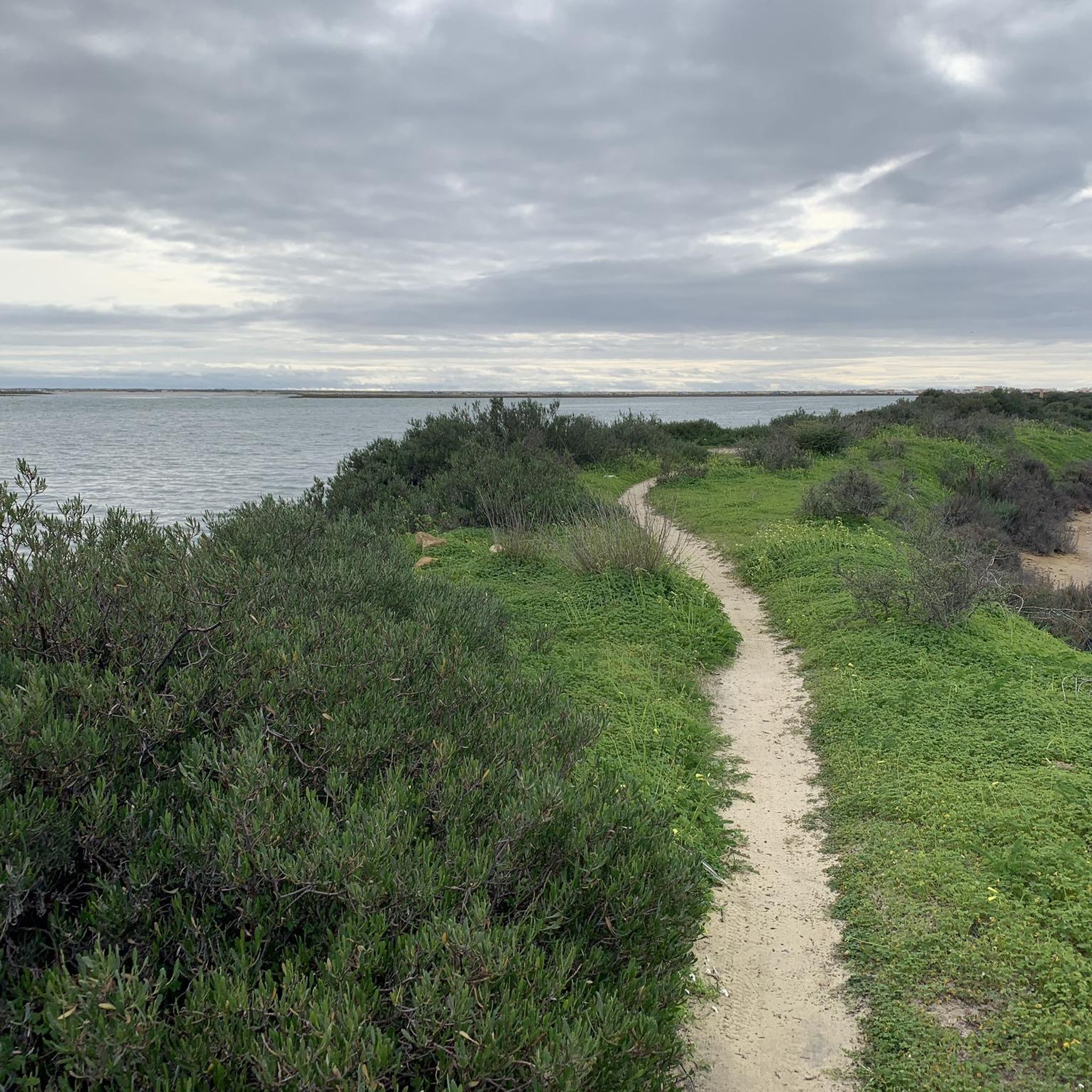
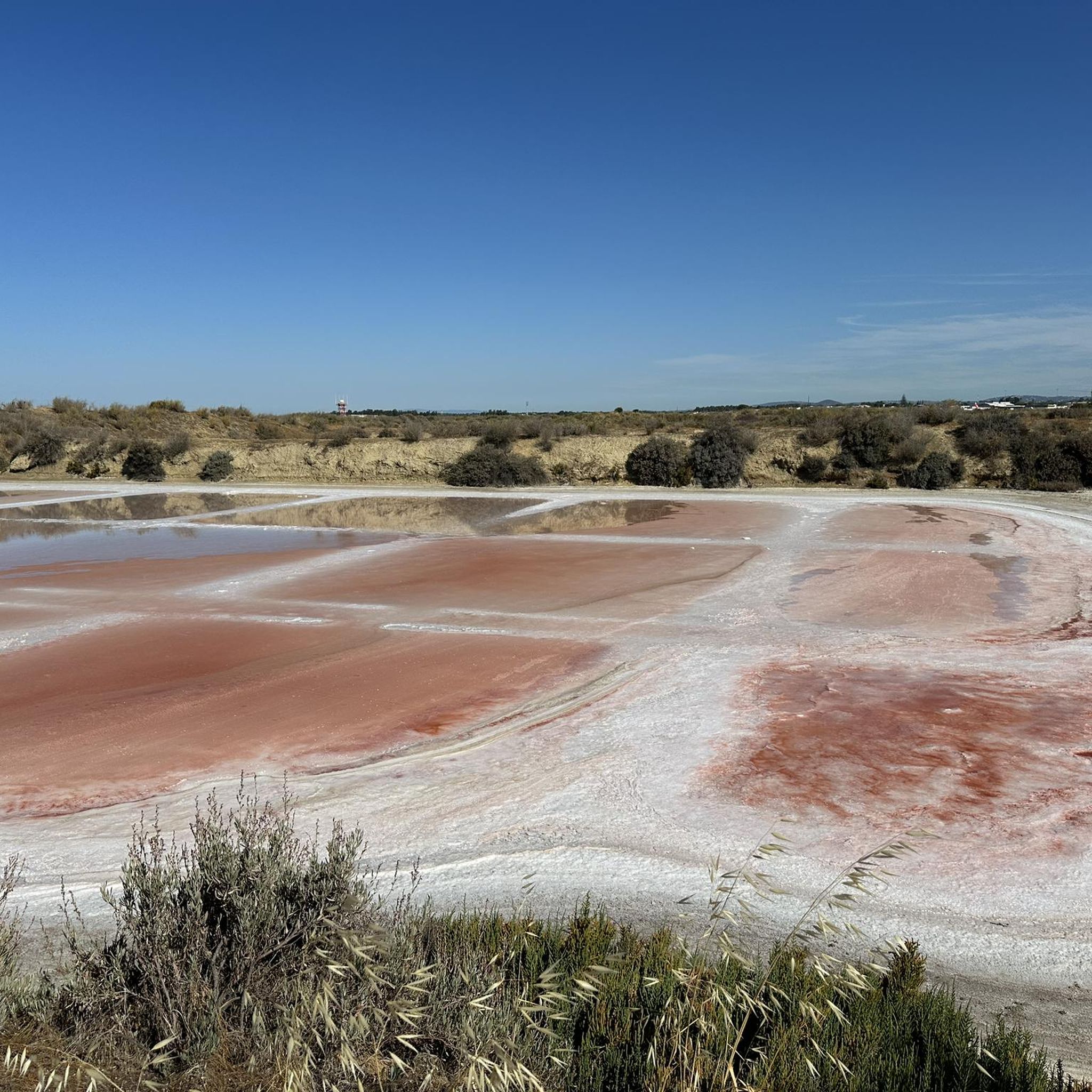
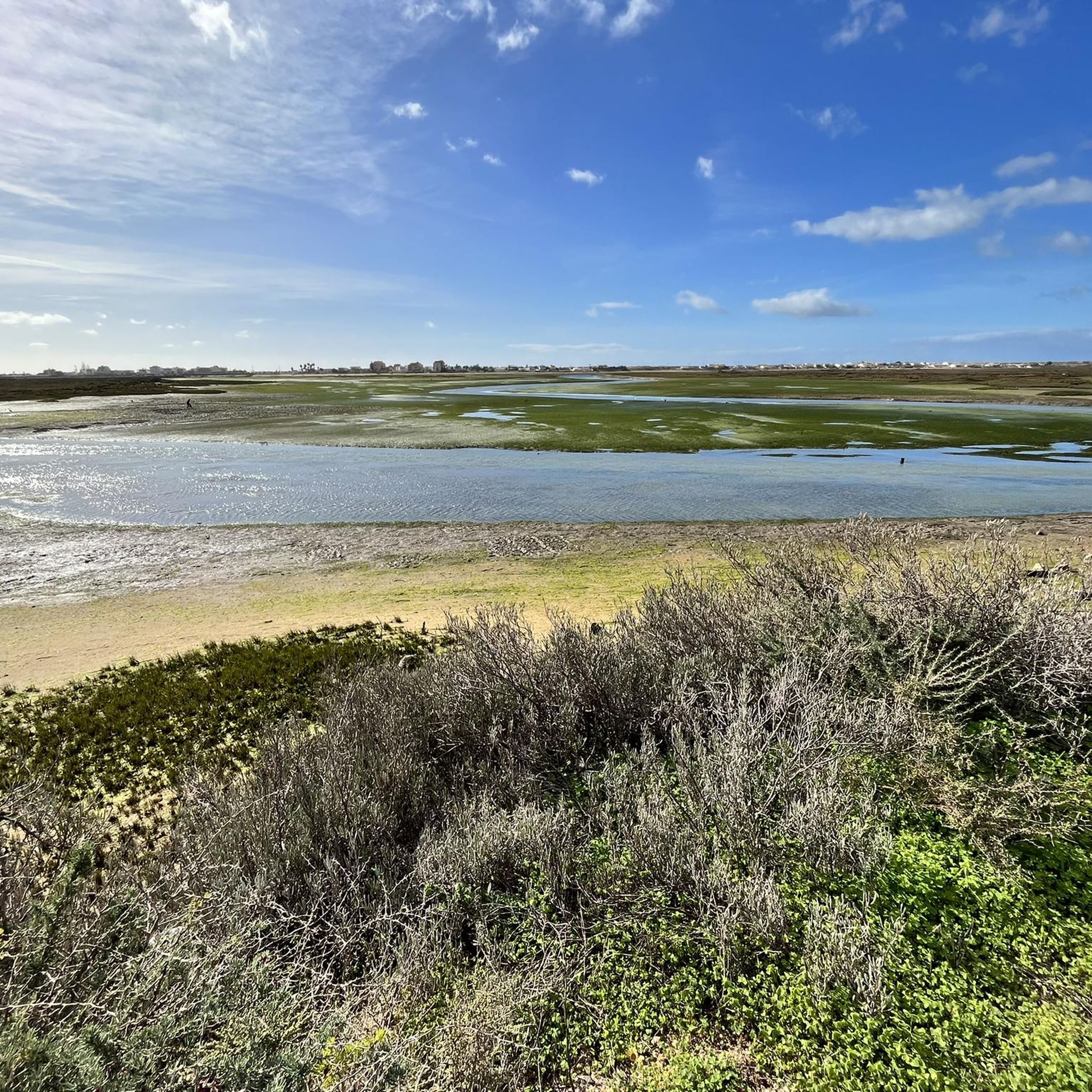
A very well-developed cycle path with the following destinations: Olhão is a city in Portugal with 14,206 inhabitants (as of April 19, 2021). Olhão is located in the so-called Sand Algarve, the Sotavento. This is the name given to the region that stretches between Faro Airport and the Spanish border in eastern Portugal. Among the numerous architectural monuments are a number of historic public buildings, various social housing blocks from the Estado Novo regime, the 17th-century fortress, and two Baroque parish churches. The historic town center as a whole is also a protected monument, and a tidal mill can be visited just outside the city. The Ria Formosa Natural Park is a nature park surrounding a lagoon in the southern Portuguese Algarve. With a protected area of 170 km², the lagoon is one of the largest lagoonal nature reserves in Europe. The lagoon itself covers 83.5 km². Fuseta, also known as Fuzeta, is a town and former municipality on the Algarve coast in southern Portugal. The German author Holger Karsten Schmidt, writing under the pseudonym Gil Ribeiro, created a crime series set here.
4
0

The Gilão River flows through the center of Tavira and plays a significant role in the city's history and life. It flows into the Ria Formosa lagoon, making Tavira an important trading and fishing center in the past. Along its banks lie characteristic white houses, bridges, and pleasant promenades. The river is lined with cafés, restaurants, and parks, such as the Jardim do Coreto, making it a beautiful place to stroll, enjoy the views, and experience Tavira's local atmosphere.
3
0


The lettering at the harbor is nice to look at.
5
0
The port of Faro is beautifully situated.
5
0

If you look west from the bridge you can see a old Roman bridge when a legend starts - At the time of the Muslim occupation and Christian conquest of the kingdom of Algarve, there was a Moorish princess called Séqua and a Christian knight called Gilão. The two met and fell madly in love, living in the throes of a forbidden love. The lovers met secretly every morning on the bridge that joins the two banks of the Tavira River. And, one of those mornings, they were surprised by two military factions: on one bank of the river, the Christian faction and, on the other, the Moorish faction. When they were found, the knight and the princess knew that they would be accused of treason. So, dramatically, they ended their lives. Princess Séqua threw herself to one side of the bridge (upstream) and the knight Gilão threw himself to the other side (downstream). And, according to legend, they still roam the river today. This explains why the same river has two names: Séqua on the side of the river's source and Gilão on the side of the mouth. Gilão and Séqua are, after all, the same waters, and Tavira… the fruit of their love.
2
0
Frequently Asked Questions
How many road cycling routes are available in Montenegro?
Montenegro offers a wide variety of road cycling routes, with over 180 options available on komoot. These routes cater to different skill levels, including 34 easy, 107 moderate, and 45 difficult trails, ensuring there's something for every cyclist.
What kind of terrain can I expect on road cycling routes in Montenegro?
Montenegro's road cycling routes feature incredibly diverse terrain. You'll find everything from relatively flat coastal rides around the Bay of Kotor, passing through charming towns like Perast, to challenging mountain ascents in areas like Lovćen National Park and the Dinaric Alps. Routes also wind through quiet backroads around Lake Skadar, offering a mix of limestone hills and vineyards.
Are there any family-friendly road cycling options in Montenegro?
While many routes in Montenegro involve significant elevation, there are options suitable for families, particularly along the coast or around flatter lake areas. Look for routes with lower elevation gain and shorter distances, often found near towns or along designated cycle paths. The region around Lake Skadar National Park, for instance, offers quieter backroads that can be more suitable for a relaxed family ride.
What is the best time of year for road cycling in Montenegro?
The best time for road cycling in Montenegro is typically late spring (May-June) when temperatures are mild and wildflowers are in bloom, or early autumn (September-October). During these periods, the weather is generally pleasant, and the landscapes are at their most beautiful, making for ideal cycling conditions.
What are some scenic viewpoints or landmarks I can visit along road cycling routes?
Montenegro's routes are rich with scenic viewpoints and landmarks. Along coastal rides, you can enjoy stunning views of the Bay of Kotor, a UNESCO World Heritage site. In national parks, you might encounter highlights like the Ria Formosa Natural Park, or the Birdwatching 🐦 Ancão Estuary. The historic Serpentine of Kotor also offers breathtaking panoramic views of the bay as it ascends into the mountains.
Are there any circular road cycling routes in Montenegro?
Yes, Montenegro offers several circular road cycling routes. For example, the From Faro to Albufeira — circular route by the Ecovia do Litoral is a popular option. Another example is the Ria Formosa Natural Park Loop, which allows cyclists to experience varied terrain and scenic views in a loop format.
What do other road cyclists enjoy most about road cycling in Montenegro?
The road cycling routes in Montenegro are highly rated by the komoot community, with an average score of 4.4 stars from over 150 reviews. Cyclists often praise the dramatic and diverse landscapes, from towering peaks and deep canyons to pristine coastlines, as well as the quiet asphalt roads that wind through ever-changing scenery.
Are there challenging road cycling routes for experienced riders?
Absolutely. For experienced cyclists seeking a challenge, Montenegro offers numerous difficult routes. The Dinaric Alps, including areas within Lovćen National Park, provide significant elevation gains and demanding climbs. An example of a challenging route is the Faro - Alto do Malhão Loop, which features substantial elevation gain over its 154.7 km distance.
Can I find easy road cycling routes in Montenegro?
Yes, there are easy road cycling routes available, particularly along the coast and around the larger lakes. These routes typically have less elevation gain and are shorter in distance, making them suitable for beginners or those looking for a more relaxed ride. Komoot lists 34 easy routes in the region.
What kind of natural attractions can I explore near the road cycling routes?
Beyond the cycling itself, Montenegro's routes often pass by stunning natural attractions. You can explore the Lakes around Montenegro, including the vast Lake Skadar, or discover various Natural Monuments. Specific highlights include the Ria Formosa Marshlands and the Ria Formosa Boardwalk and Lagoon View.
Are there opportunities for coastal road cycling in Montenegro?
Yes, Montenegro is renowned for its coastal road cycling opportunities, especially around the Bay of Kotor. These routes offer stunning views of the Adriatic Sea, passing through picturesque medieval towns and along beautiful beaches like Culatra Beach and Praia de Faro. The Ecovia do Algarve: Section Between Faro and Olhão is an example of a coastal cycle way.
What are the typical distances and elevations for road cycling routes in Montenegro?
Distances and elevations vary greatly. You can find shorter routes like the Ria Formosa Natural Park Loop from Faro, which is about 47.8 km with 280m of elevation gain. Longer, more challenging routes, such as the Moncarapacho Town Square – Tavira Town Entrance Sign loop from Faro, can span over 114 km with more than 640m of climbing, offering significant challenges for endurance riders.
Most popular routes around Montenegro
Most popular attractions around Montenegro

Get inspired with the komoot mobile app


Explore more
Browse the best Road cycling routes in other regions.
