Attractions and Places To See around Cabrela - Top 14
Best attractions and places to see around Cabrela include a variety of historical sites, natural features, and cultural landmarks within the Montemor-o-Novo area of Portugal. The region is characterized by its Alentejo landscape, offering opportunities for outdoor activities and exploration. Visitors can discover ancient megalithic complexes, historic churches, and scenic valleys. Cabrela provides a blend of cultural heritage and natural beauty for those exploring the area.
Best attractions and places to see around Cabrela
- The most popular attractions is Greenway…
Last updated: May 4, 2026
Greenway
Highlight (Segment) • Cycleway
Tip by

Vendas Novas Artillery Practice School
Highlight • Historical Site
Translated by Google •
Tip by

Sign up now to discover places like this
Get recommendations on the best single tracks, peaks, & plenty of other exciting outdoor places.
Sign up for free
Santa Susana Church
Highlight (Segment) • Religious Site
Translated by Google •
Tip by

Bifanas in the style of Vendas Novas
Highlight • Restaurant
There is a great offer of bifanas in Vendas Novas.
They are to cry and ask for more!
Translated by Google •
Tip by

Safira, an abandoned village
Highlight • Settlement
Translated by Google •
Tip by
Sign up for free to discover even more attractions around Cabrela.
Sign up for free
Already have an account?
Start today with a free account
Your next adventure awaits.
Login or Signup
Popular around Cabrela
Tips from the Community

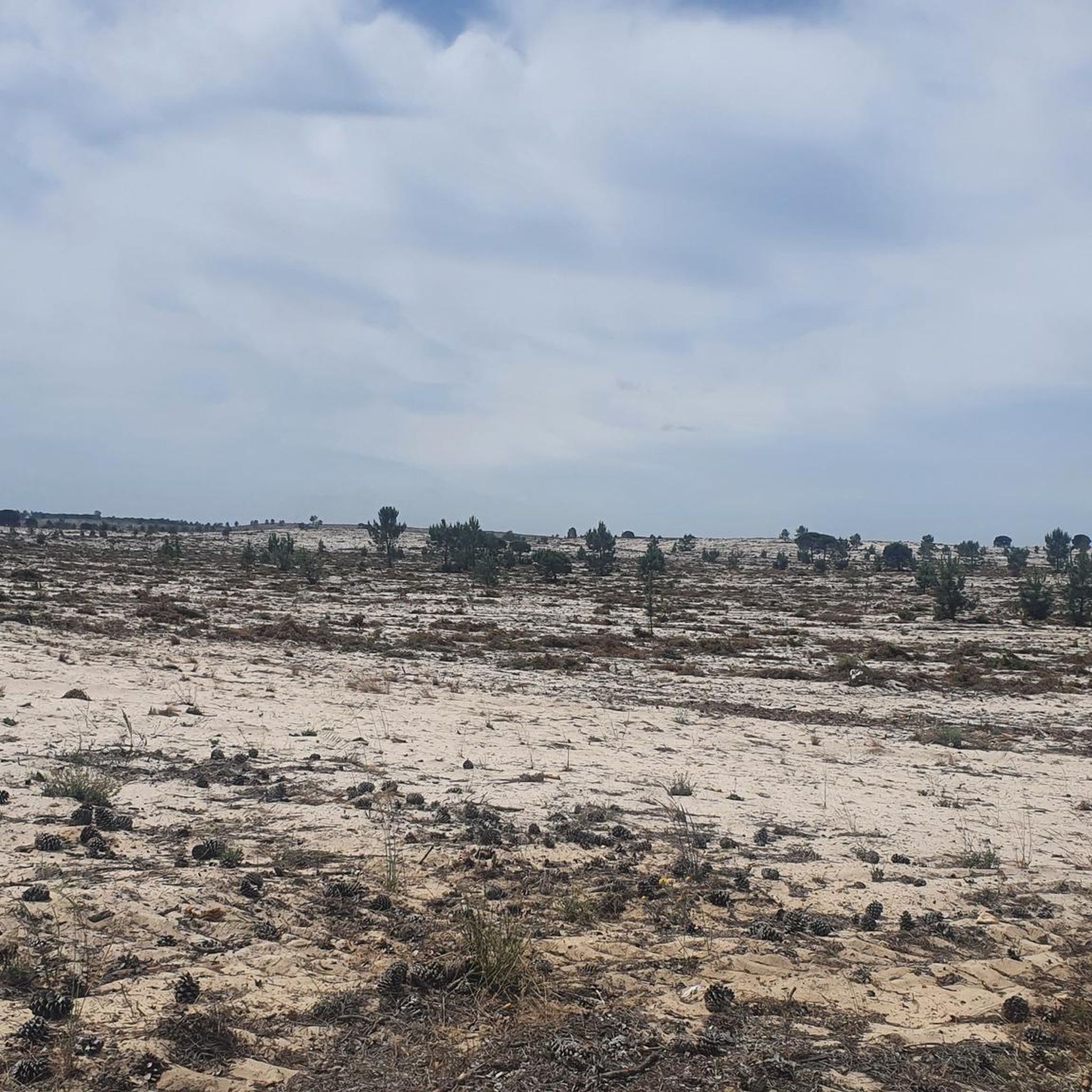
Safira, an abandoned village in the Alentejo region, is located near the N4 highway, between Vendas Novas and Montemor-o-Novo. It's about 20 kilometers from Montemor-o-Novo. The road to Safira is very poor, so it's best reached by car 🚗 or mountain bike. Road bikes 🚲 are strongly discouraged, as they will damage the tires and cause punctures every 100 meters. Safira, meaning "sapphire," is the name of a precious stone. The village began to be abandoned in 1930 and was completely deserted by 1965. It was home to approximately 600 people. You can still see its cemetery, a few houses 🏠, and what remains of the village church ⛪️. There was a lake and arsenic and copper mines. I recommend watching the following videos 📹 https://youtu.be/EkQ8A2DF0qg?si=GPgijKT1nhxIwfuI https://youtu.be/1LLp6FRn0vo?si=Vd_1i1Y-1F1w11Ac https://youtu.be/jbEotybYu1w?si=B7GYOjFLU-Un0FjD
14
0

The Alentejo is a region of Portugal that offers great landscapes and incredible stretches of land. For those who like to enjoy their holidays in peace and quality, there is nothing like dedicating part of those days of rest to visiting the village of Santa Susana. Located in Alcácer do Sal, this is another Portuguese village facing the problem of depopulation, but it is still full of charms and points of interest such as Thubten Phuntsog Gephel Ling, a Tibetan Buddhist retreat, located just 5 km from the village. Forget the stress of everyday life, so common in big cities. Being in Santa Susana means sharing half a dozen streets (literally) with around 200 inhabitants and where there is almost no commerce (essential goods are purchased in Alcácer do Sal). However, it has many charms, namely its rural and traditional architecture. The village is located just 1h30 from the capital and is well worth a visit.
8
0

small museum of Portuguese artillery.
1
0
The Royal Palace of Vendas Novas, known by the Palace of the Passages, currently Artillery Regiment No. 5, was the scene of one of the most beautiful stories of princesses. Wart of D. In 1728, the palace targeted two nights in bed on the way to Caia, where he was to stay D. Barbara marries D. Ferdinand VI of Spain, while on the return D. Mariana Victoria, bride of the future king D. José I, episode in the history of Portugal that became known as the Exchange of Princesses. The construction of this building took place in record time of a year, so that everything was ready to receive the princesses. Colonel José da Silva Pais and Vasconcelos intended the direction, the architecture was in charge of Custos of Vieira and a million crusaders were spent, so the result was the Palace of Great Magnanimity, considered at the time one of the largest buildings in the country. The building had many excellent divisions for the royal family and their servants and there was still an oratory and a sacristy lined with gilded carvings. From the Inn of the Kings it went into cavalry cases, set, telegraph, improvised hospital for the fight against yellow fever and finally, since 1861 and on the initiative of D. Pedro V, for the headquarters of the Artillery Practice School, so until 2013. Currently Artillery Regiment No.5 Inside the famous palace it is still possible to observe the original frescoes on the ceilings, the fountain, which although covered, is still in the courtyard courtyard and the Palace of the King's Hunt, which is located in the artillery polygon. All the rest of the compartments of the palace now function as offices of the military unit and the rest room has been adapted to the day-to-day use of the barracks. https://www.cm-vendasnovas.pt/visitante/monumentos/palacio-das-passagens/
4
0

This ecopista (old railway turned into cycling path) goes from the city of Montemor-o-novo to Torre de gadanha, which is just a train station where trains don't stop anymore. The track is paved until km4, from where turns to a compact gravel. The landscape is of montado (typical landscape of Alentejo region) with lots of cork trees shadowing the path (which is desirable in this hot region). There is a café next to an old train station of Paião at km8, but the rest of the ecopista is pretty isolated with no water or other services along the way. It is best done on spring when the fields are still green and flowers blossoming. Cattle can also be seen along the way (sheeps, horses and cows).
2
0
Vendas Novas' culinary specialty, bifana. Bifanas have a special seasoning. There is a great offer of bifanas in Vendas Novas. They are to cry and ask for more!
25
0
Frequently Asked Questions
What historical and cultural sites can I visit around Cabrela?
Cabrela and its surroundings are rich in history. You can explore the 16th-century Church of São Cristóvão, known for its unique sculpture of the patron saint. Nearby, you'll find the ancient Megalithic Complex of Tojal, offering a glimpse into the region's past. Another significant site is the Royal Palace of Vendas Novas, also known as the Palace of the Passages, which played a role in the 18th-century 'Exchange of Princesses'.
Are there any natural landmarks or scenic areas to explore?
Yes, Cabrela offers beautiful natural features. The narrow valley of the Ribeira de São Cristovão is home to impressive natural architecture, including the prominent 'Heel of the World,' a large rock formation. The region also features a Greenway, an old railway line converted into a path, perfect for enjoying the typical Alentejo landscape with its cork trees.
What outdoor activities are available near Cabrela?
The area around Cabrela is excellent for outdoor activities. You can enjoy cycling or walking along the Greenway, which offers scenic views of the Alentejo countryside. For those interested in running, there are several routes, including a moderate 9.7 km loop from Vendas Novas and a more challenging 16.2 km loop starting from Cabrela itself. You can find more details on these routes in the Running Trails around Cabrela guide.
Are there family-friendly attractions in the Cabrela area?
Yes, several attractions are suitable for families. The Greenway is a family-friendly cycle and walking path. Historical sites like the Church of São Cristóvão and the Royal Palace of Vendas Novas can also be engaging for older children interested in history. Additionally, local gardens and parks provide pleasant spaces for leisure.
Where can I find traditional Alentejo cuisine or local specialties?
When in the region, you must try the local culinary specialty: Bifanas in the style of Vendas Novas. These pork sandwiches are renowned for their special seasoning and are widely available in Vendas Novas. The village of São Cristóvão, near the church, is also known for its welcoming atmosphere and Alentejo gastronomy.
What is the best time of year to visit Cabrela?
The spring months are particularly recommended for visiting Cabrela. During this time, the fields are green, and flowers are blossoming, making outdoor activities like cycling or walking along the Greenway especially pleasant. The weather is generally milder, which is desirable for exploring the region's natural beauty.
Can I visit the Igreja Matriz de Nossa Senhora da Conceição in Cabrela?
Yes, the Igreja Matriz de Nossa Senhora da Conceição in Cabrela is a notable site. This Mother Church showcases typical Baroque architecture, featuring a distinctive rectangular shape and a square bell tower. Inside, you can admire a late Baroque gilded altarpiece from around 1790 and a ceiling painting of the patron saint by José Basalisa.
Is there a village known for its traditional architecture nearby?
Yes, the charming village of Santa Susana, located near Alcácer do Sal, is known for its rural and traditional architecture. It offers a glimpse into local life and a peaceful atmosphere. The Santa Susana Church is a key attraction within this village.
Are there any specific hiking trails in the Cabrela area?
While specific named hiking trails are not detailed in the highlights, the region is known for its opportunities for outdoor activities. The area around São Cristóvão, for instance, has good routes for both hiking and cycling. The Running Trails around Cabrela guide also provides routes that can be adapted for walking.
What do visitors particularly enjoy about the attractions around Cabrela?
Visitors appreciate the blend of historical and natural beauty. The Greenway is popular for its scenic views and opportunities for cycling. The historical significance of sites like the Church of São Cristóvão and the charm of traditional villages like Santa Susana are also highly valued. The region's peaceful Alentejo landscape and local gastronomy add to the overall positive experience.
Most popular routes around Cabrela

Get inspired with the komoot mobile app


Explore more
Still not found the Highlight you’re looking for? See guides of the top attractions in other regions:
